

June 20, 2026
Welcome to the inner workings of friends and family. This week we feature a Big Chill gathering of old friends during a week-long summer foray in a Danish lake house; a first novel that follows one wild day in the life of a death-wish-ridden protagonist amid 2014’s exercise mania; lively self-referential short fiction from a favorite American Canadian writer; plus a hilarious political satire that posits an egomaniacal president gunning for a third term. And the worlds beyond ours figure in a major prize-winner’s heady new space opera. Thrills, chills, inner reflections, and plenty of laughs—none to be missed.
Happy reading,
Melanie Fleishman
Buyer, The Center for Fiction Bookstore
Featured Books
-
.

The Sixth Nik
By Daniel Kraus
Published by Saga Press
Daniel Kraus is having a moment. He won the Pulitzer Prize for his historical horror novel about WWI; and his sci-fi thriller Whalefall will be released as a film this October. His new book, described as sci-fi horror, begins with a nine-year-old girl in deep space who imbibes sliced mink tongue and muskox tartare. She is tasked with a ‘Chore’ to travel on the ship The Sickness with a mysterious crew, including a robot and a peyote addict, to explore what has gone terribly awry with the rogue planet, Fém. Kraus is fast becoming a serious player in the genre world, eliciting comparisons to the great Ursula K. Le Guin.
-
.

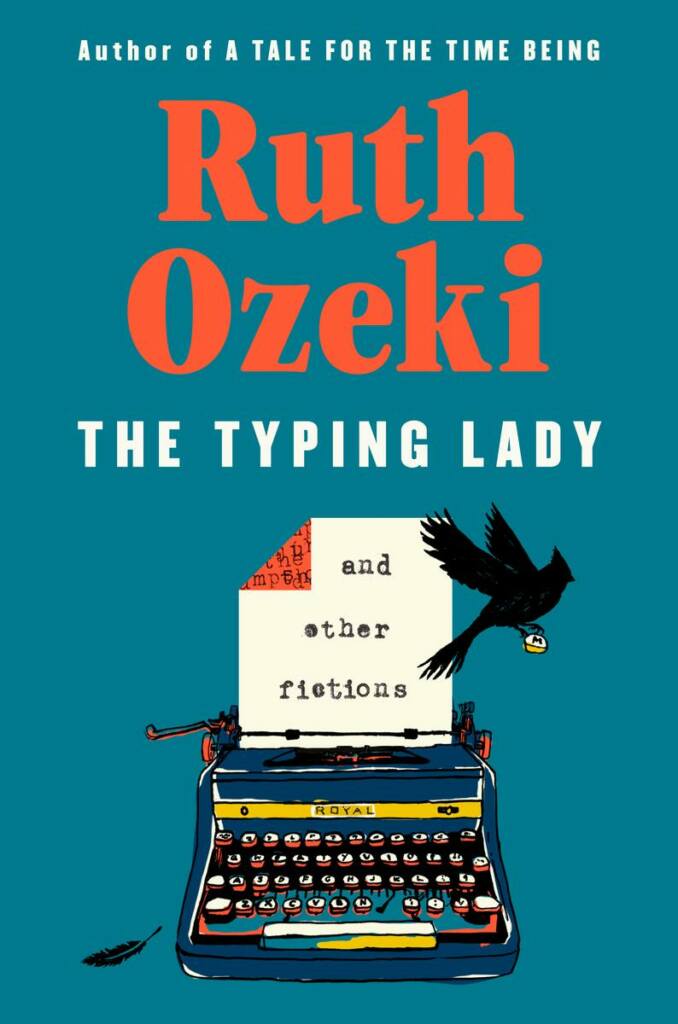
The Typing Lady
By Ruth Ozeki
Published by Viking
The publication of Ozeki’s first collection of short stories is propitious. A Zen Buddhist priest, she has the ability to turn the banal into something quite extraordinary—and the ordinary into the deceptively magical. In these eleven fictions, full of wit and compassion, we meet an author rather like Ozeki in the title story she calls “a hall of mirrors.” More typing ladies abound throughout. Aging characters appear, like the granny who goes online with a fake profile to stalk her teenage granddaughter and a woman with Alzheimer’s whose heartbreaking decline is chronicled in “Leafblower.” Meditations, memories, losses, and keen moments of understanding mark this insightful and contemplative collection.
.
-
.

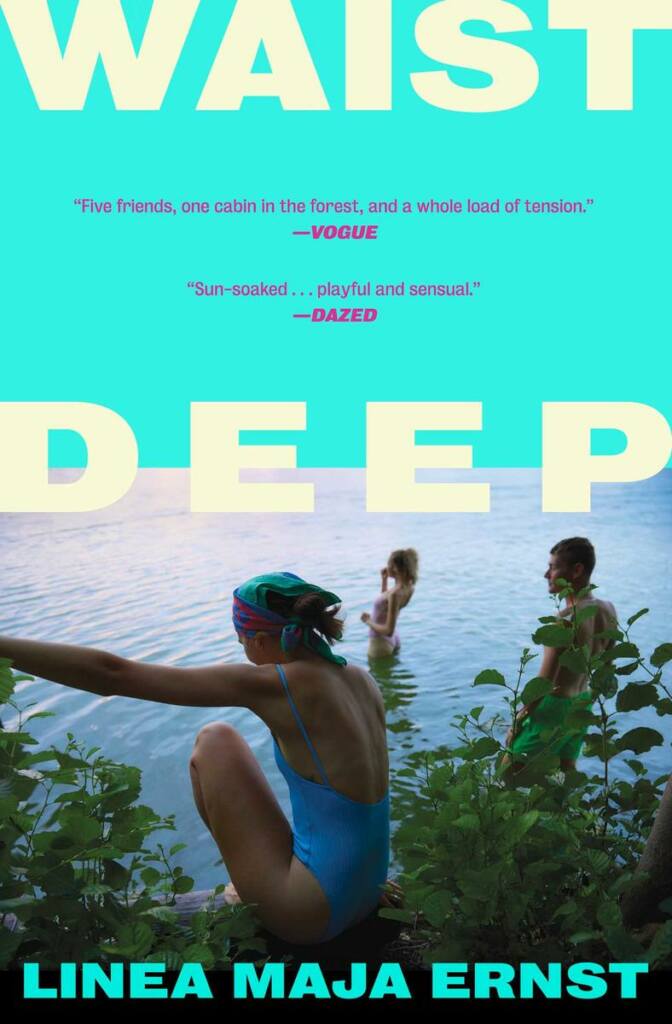
Waist Deep
By Linea Maja Ernst
Published by Summit
Translated by Sherilyn Nicolette Hellberg
The reunion of a group of millennials in an idyllic Danish lakeside cabin forms the setting for Ernst’s smart, probing novel about adulthood. The five people gathered here include Sylvia with her girlfriend Charlie (“who looks like a fairy-tale prince”); Esben, a successful novelist, and his beautiful fiancée Karen; Quince, the sole bachelor; and Adam, the straightest of the bunch who’s brought his kids. The novel is sensuous, sexy, and provocative as the quintet catches up with endless talk, flirtations, seductions, and, ultimately, attempts to work out what they really desire. (The NYT calls it “a riff on Shakespeare’s A Midsummer Night’s Dream.”) A sensation in Europe, the novel’s languid style makes it ideal summer reading.
-
.

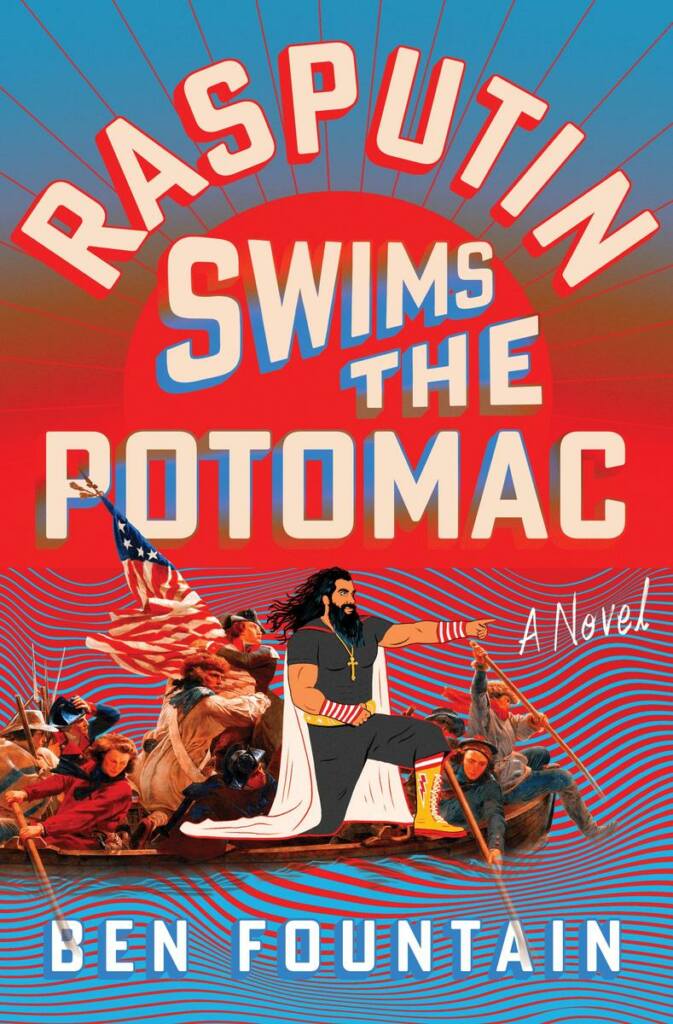
Rasputin Swims the Potomac
By Ben Fountain
Published by Flatiron
Fountain’s latest satire (see his Vietnam War novel, winner of our 2012 First Novel Prize) illustrates his skill at skewering America’s most ludicrous events. Here, as the sitting president—who has a reality show called The Real West Wing—decides to run for a third term, the enlistment of a professional wrestler as his running mate turns the story into a farcical but all-too-possible melee. There is also a mysterious ‘weeping sickness’ threatening the nation. Fountain continually entertains with characters fit for a Robert Altman film. In a clever tactic, he has redacted the president’s name throughout, a “speed bump” as he calls it, reminding the reader of the absurdity of our contemporary politics.
.
-
.
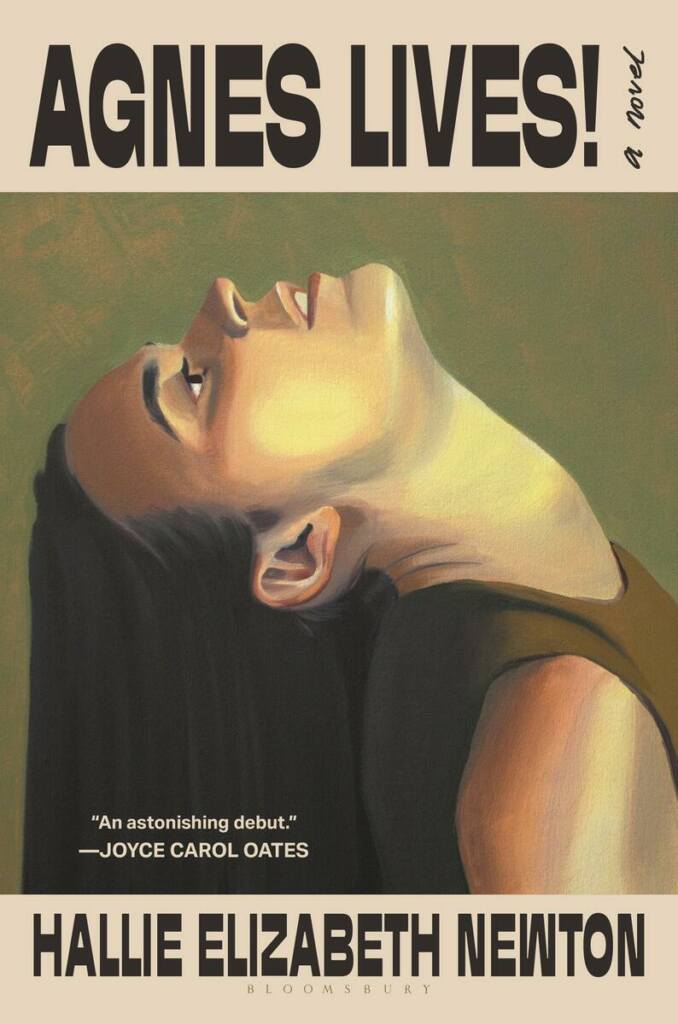
Agnes Lives!
By Hallie Elizabeth Newton
Published by Bloomsbury
Agnes is an unlikable narrator, but stick with her as she recounts one day in her life, beginning with a SoulCycle class at 6:30am. The speed of the pedaling mirrors the spinning of her mind, between worries, insecurities, and the annoying fact that every Upper East Side apartment has a Roy Lichtenstein painting. She is determined to find someone to kill her. (“The person who kills me must not be sentimental or precious.”) The epitome of young New York City privilege—money, beauty, status—Agnes is hard to cry for, but, as this debut novel’s pages fly past, you start to feel her pain and frustration, echoing the book’s epigraph, a quote from Lou Reed, about loneliness.