

May 30, 2026
This week’s newsletter shares its title with one of the featured novels, and it is apt: you will encounter some very memorable characters in these five fine stories. There is an unusual friendship from one of the best American writers of family dynamics; a series of toxic friendships that requires some rethinking; and a dangerous friendship that leads to murder. One beautiful novel follows a family living hard in the aftermath of the Irish Famine, while another offers a fictionalized investigation of a famous American expat in Paris.
Happy reading,
Melanie Fleishman
Buyer, The Center for Fiction Bookstore
Featured Books
-
.

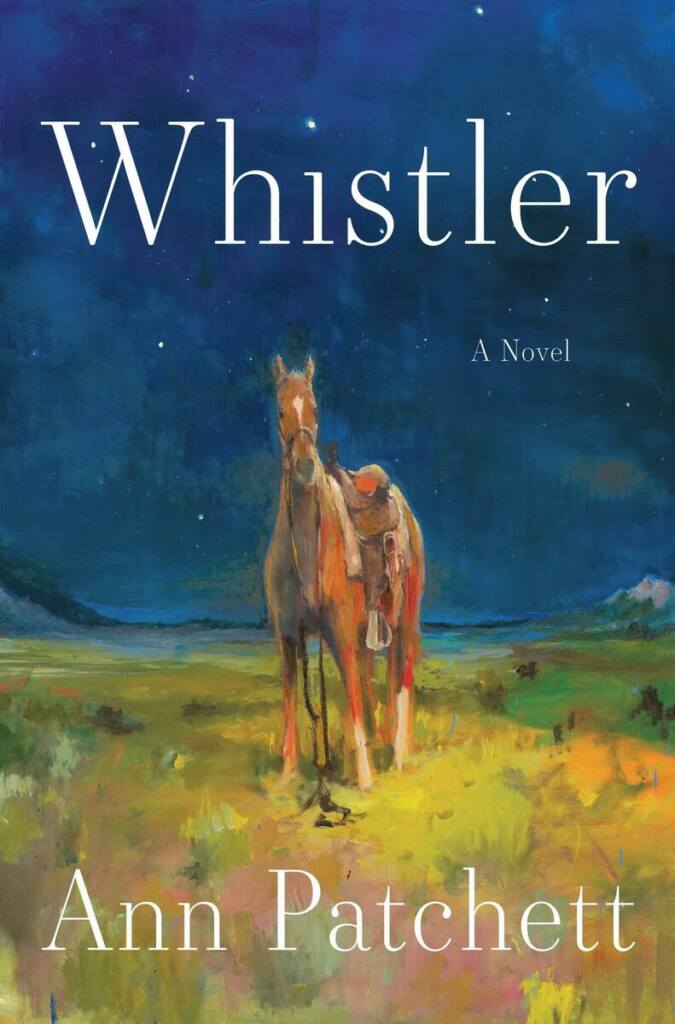
Whistler
By Ann Patchett
Published by Harper
Patchett’s graceful new novel reminds us that, behind closed doors, families are never quite what they seem. Through Daphne, the narrator, we learn of her childhood, her sister, and her mother’s three husbands, especially the middle one, Eddie. A defining incident when Daphne was nine—an almost fatal car crash—had cemented her bond with Eddie. Years later, Eddie returns to her life when they meet by chance at the Met, and resume a perfect friendship sharing secrets of the family—including Eddie’s secret paramour. Memories of personal histories, betrayals forgiven, and mementos of past lives all combine to yield one of Patchett’s most gratifying novels. Bring tissues.
-
.

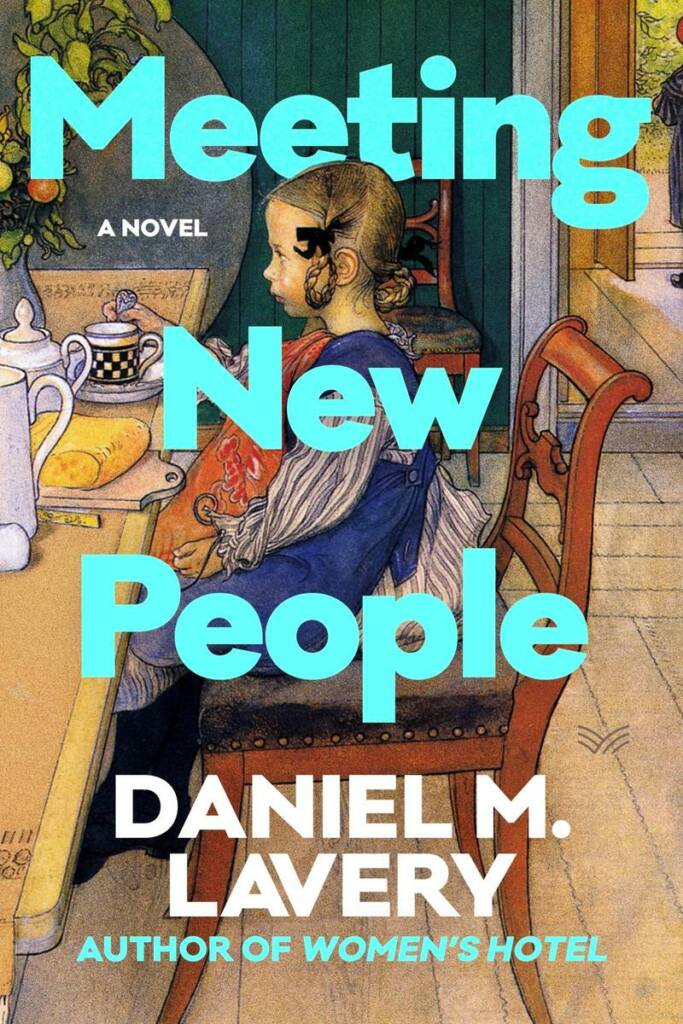
Meeting New People
By Daniel M. Lavery
Published by Harper Via
Barbara’s best friend Susan, who has come for dinner, has just enumerated the many reasons she no longer likes her—it comes as a big shock. The timing was unfortunate, as Barbara was making a new goulash recipe for her. (Barbara is a serious cook.) Now she must review her history of friendships with women to see what clues she has missed (nine had now broken off their friendships with her!). Barbara is a delicious character and, at almost 60 years old, remarkably un- or wrongly self-examined. Lavery is a keen observer of behavior and, as Barabara searches for a new BFF—even attending an Episcopal church—you happily end up rooting for her.
.
-
.

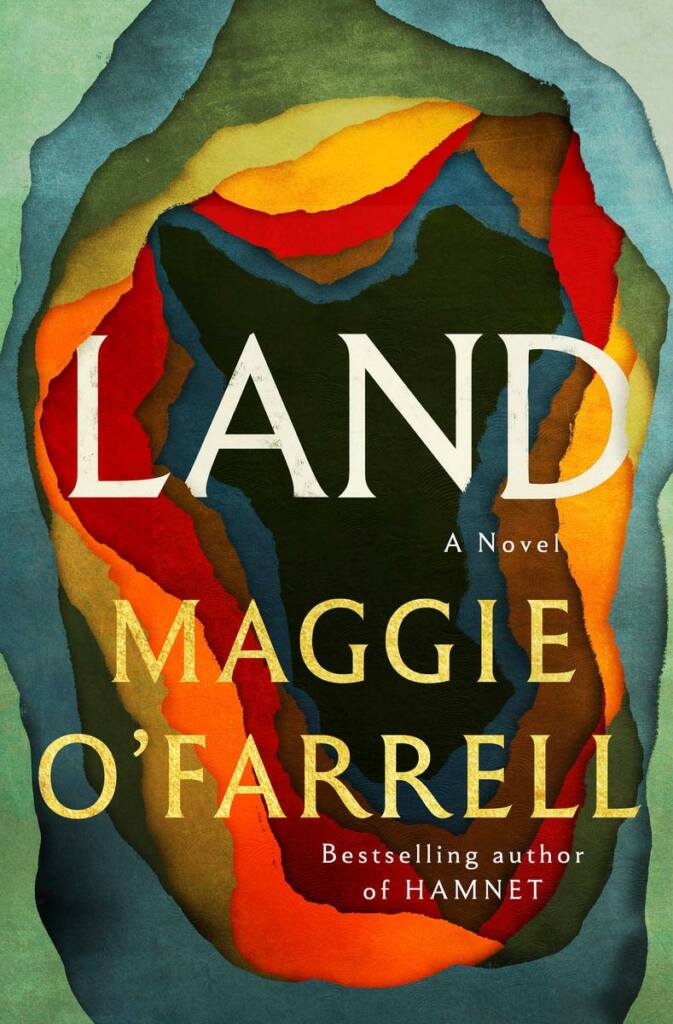
Land
By Maggie O'Farrell
Published by Knopf
O’Farrell sets her historical novel during Ireland’s Great Hunger, tracing its impact on one extraordinary family. Tomas and Phina live on a peninsula stretching into the Irish Sea. Tomas is a gifted cartographer, sought after because he knows both the English and the Irish names for places. His family includes sister Enda, a gifted violinist; brother Liam, who Tomás teaches his art; little Rose; and Eugene, who is mute. Each member’s perspective deepens a story brimming with superb character studies. There are poignant episodes as the children grow, become independent, and come back together. Throughout, it is the ‘land’ itself that is the strongest presence, exerting influence, guidance, and a bit of mystical power.
-
.

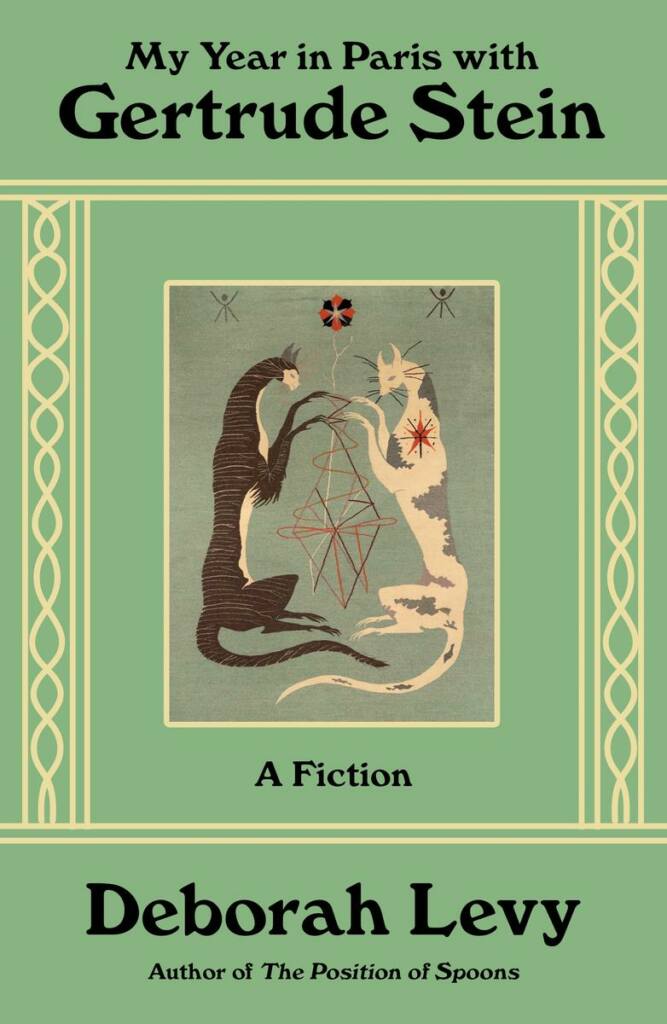
My Year in Paris with Gertrude Stein
By Deborah Levy
Published by FSG
Levy has one of the most curious and intellectual minds in contemporary literature. In her new novel, the narrator is living in Paris attempting to write an essay about Gertrude Stein. She befriends two bohemian women—one who has many lovers, another whose partner is in America and has a cat who goes missing. Along the way, we learn a great deal about Stein, her partner Alice B. Toklas, and the famous salon in the 5th arrondissement—as well as Stein’s education in medicine and psychology. Over the course of one year, our narrator has an enriching experience but is left, alas, with no finished essay. ‘Just live’ is the lesson; just live.
.
-
.

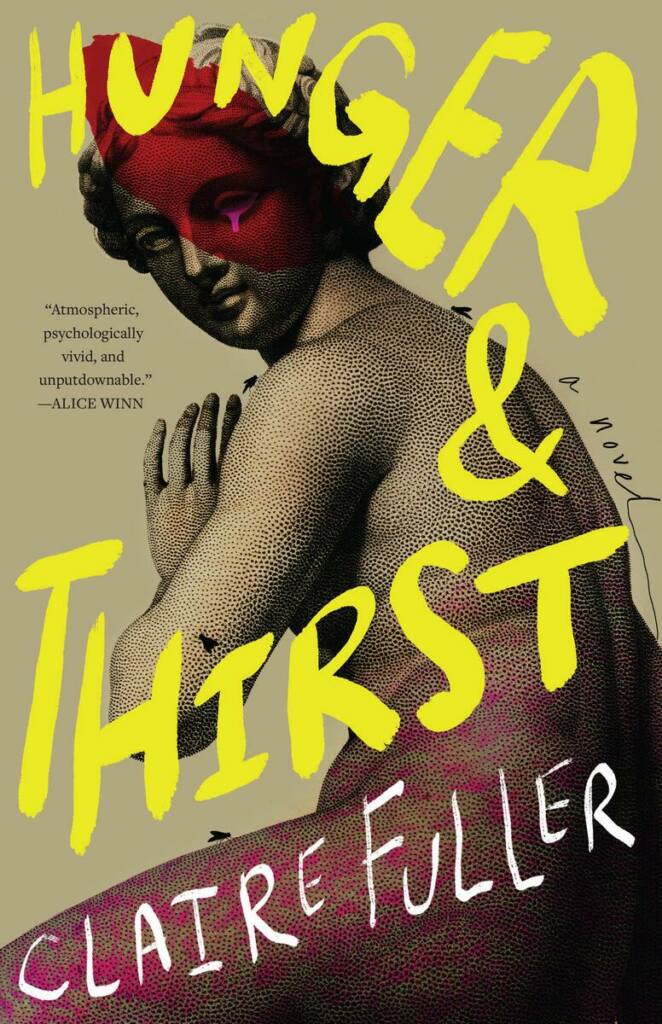
Hunger & Thirst
By Claire Fuller
Published by Zando/Tin House
A sense of imminent dread hangs over this novel like a shroud. Ursula’s mother dragged her across the world, begging, until she died in Morocco. After years of foster care, she ends up in her friend Sue’s brother’s creepy house called the Underwood, the scene of a double murder. Murder continues to be present in her life, whether she and Sue are watching crime shows or participating in a séance. She finds a creative outlet in sculpting, but even that has a macabre aspect. The body count will rise as Ursula, a victim of Margaret Thatcher’s care system, becomes more unhinged, and the line between life and death blurs. Readers leave just as haunted as Ursula.