
February 14, 2026
This week’s selection provides much for readers to discover. There are two novels marked by comic genius–one set in the Middle East and one in California; a Russian novel by a much-lauded writer in exile; and two works of nonfiction by writers, about writers we know and love.
Happy reading,
Melanie Fleishman
Buyer, The Center for Fiction Bookstore
Featured Books
-
.

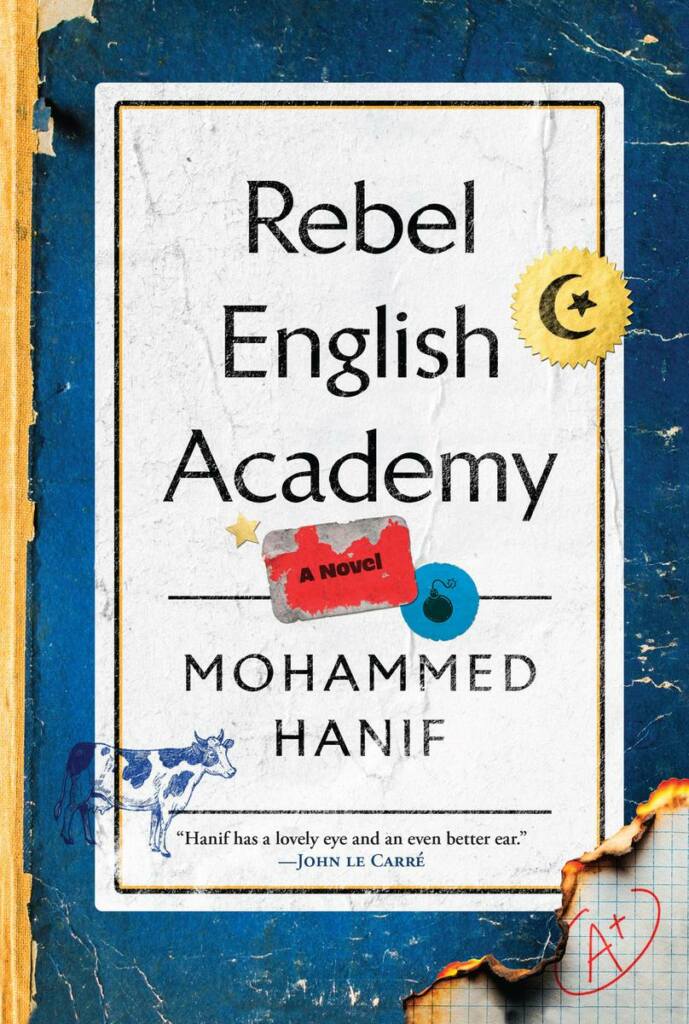
Rebel English Academy
By MOHAMMED HANIF
Published by GROVE ATLANTIC
It is 1977. Pakistan’s former Prime Minister Bhutto has been hanged. OK Town is in denial about his death–some citizens believe he is still alive, as others set themselves on fire in protest. Hanif’s story of political chaos features a colorful cast of overlapping characters: Sir Baghi who runs the Rebel English Academy where English lessons are given; Sabiha, a wife suspected of killing her husband who seeks refuge there; and alcoholic Gul, the captain in charge of the execution. Violence erupts as we learn through Sabiha’s writing assignments at the Academy. Using both farce and polemic, Hanif cleverly delivers his message in a novel that reads like a thriller about the corruption of power.
-
.

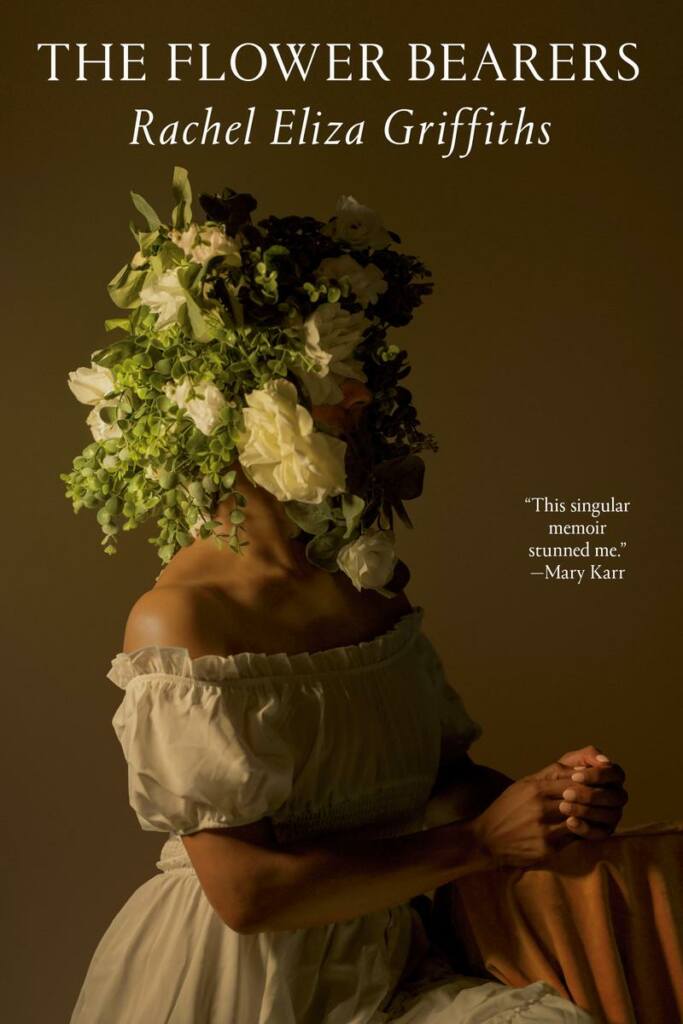
The Flower Bearers
By RACHEL ELIZA GRIFFITHS
Published by RANDOM HOUSE
“I want to grasp the life that has led me to this, the morning of my second wedding…. I’ll never have this morning’s happiness in the exact same way again.” Griffiths is speaking of her second marriage, to Salman Rushdie. But two events form this heartbreakingly beautiful memoir: her dearest friend suddenly dies on this day, and less than a year later her husband is viciously attacked. This book is her recounting of those events and the grief that prevailed after the near-fatal stabbing. Note: Knife, the forthcoming documentary by Alex Gibney, is based on Rushdie’s own memoir about the event and incorporates Griffiths’s footage filmed during his recovery.
.
-
.

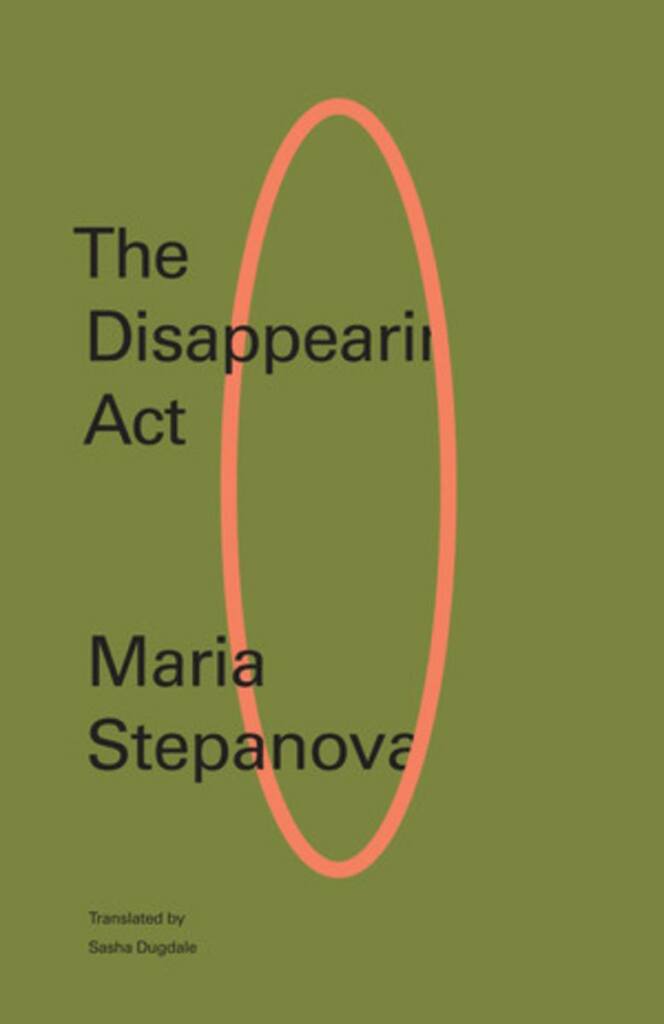
The Disappearing Act
By MARIA STEPANOVA
Published by NEW DIRECTIONS
Translated by Sasha Dugdale
Stepanova was longlisted for the International Booker Prize for her novel In Memory of Memory. Here, her gifts are on full display with a story about a middle-aged woman writer in exile (as is the author—who lives in Berlin; her work has been banned in Russia), and whose home country is at war. En route to a literary festival, her train is stopped by a rail strike. At loose ends in this unfamiliar town, she encounters a local circus in need of a magician’s assistant. Changing her name from M. to A., she reinvents herself as a performer. It is a novel of transformation, identity, and resistance, by a writer considered one of Russia’s finest living poets.
-
.
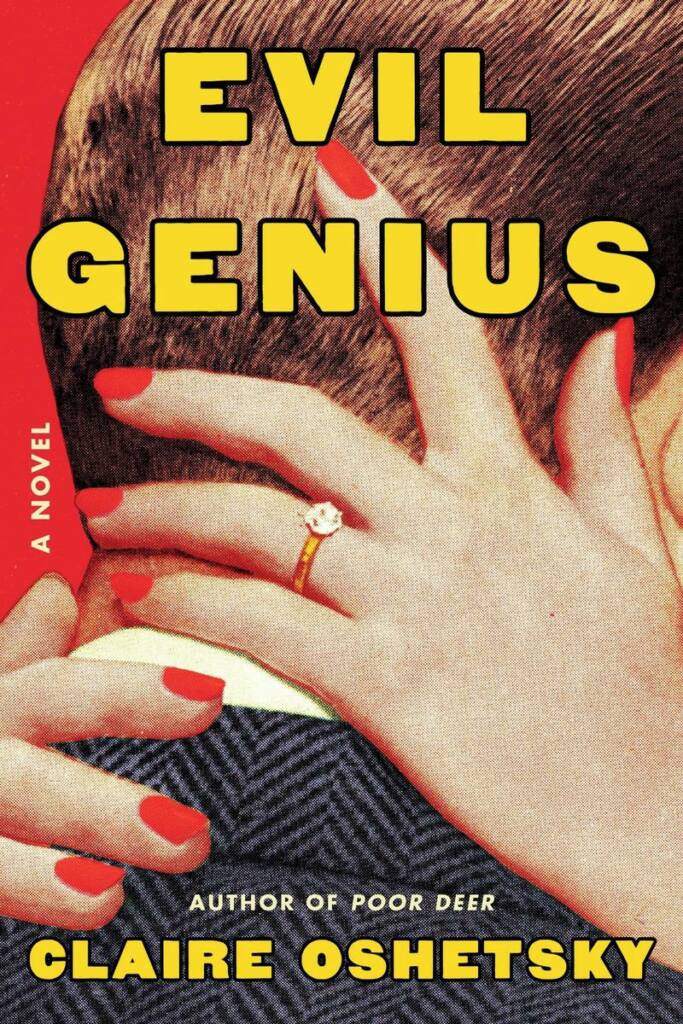
Evil Genius
By CLAIRE OSHETSKY
Published by ECCO
Celia works for the telephone company in ’70s San Francisco (think Patty Hearst, the Zodiac Killer), and she is looking back on an abusive marriage. These facts mirror the author’s life, but she has said it has taken a long time to be ready to write about that period. Celia has a soul-deadening job, but it is better than being at home with ‘her Drew,’ an older controlling lout, whom she daydreams about attacking. Celia has a rich fantasy life full of violence and sexual imaginings, and when a work colleague is murdered by her husband, Celia becomes rather titillated. She’s a terrific character—and the novel’s intensity is mixed with black humor, as bodies pile up.
.
-
.

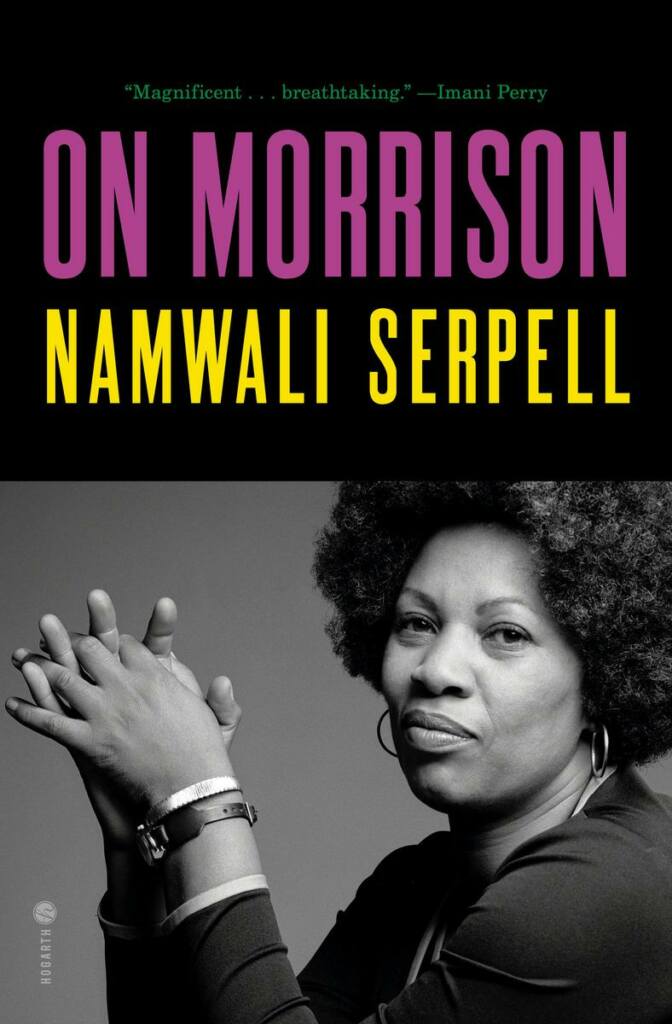
On Morrison
By NAMWALI SERPELL
Published by HOGARTH
While there are numerous books about Toni Morrison, including the recent biography about her time as an editor at Random House, Zambian-born writer Serpell seeks to address the work versus the person. The Harvard professor has an astute eye for granular examination. She quotes Morrison (“we have to be able to criticize each other”) and adds, “because she was so comfortable in reflecting back on her work and saying what was good and wasn’t good,” it gave Serpell the courage to do so as well. It is an important addition to the ongoing study of this great writer’s oeuvre.