

March 14, 2026
The week’s selection consists of five novels whose characters create powerful bonds that define their lives. In one, which we’ll launch at The Center this week, a displaced Palestinian man spends his whole life looking for ‘home;’ another uses the unbreakable bonds of female friendship to tell a story of the ravages of nature; a tale set in Italy shows the estrangement of two sisters divided by one’s refusal to speak. Two explore fixation: a queer man becomes obsessively and sexually attached to his rabbi; and a Japanese woman becomes preoccupied with a potential friend.
Happy reading,
Melanie Fleishman
Buyer, The Center for Fiction Bookstore
Featured Books
-
.

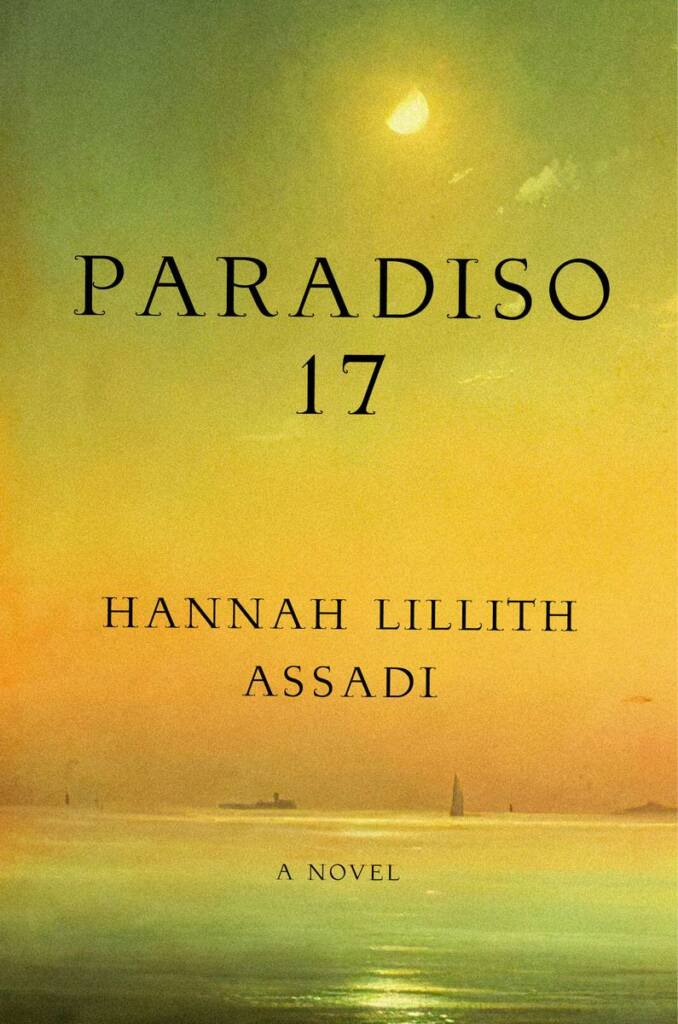
Paradiso 17
By HANNAH LILLITH ASSADI
Published by KNOPF
In 1948 Palestine, Sufein is five years old and the rebels have come to take his family away (his mother has just given birth in front of him and his siblings). “This was it, [his] defining moment, in this one criminally brief life.” We follow him through childhood to Kuwait, Italy, New York City, and Arizona, encountering two Jewish women, a rug merchant, a generous Waspy American friend, several cats, and many others through to the afterlife. The title refers to Dante’s circle of heaven and echoes Sufein’s endless search for paradise. This extraordinarily beautiful tale of one displaced life is easily one of the best books of the season.
-
.

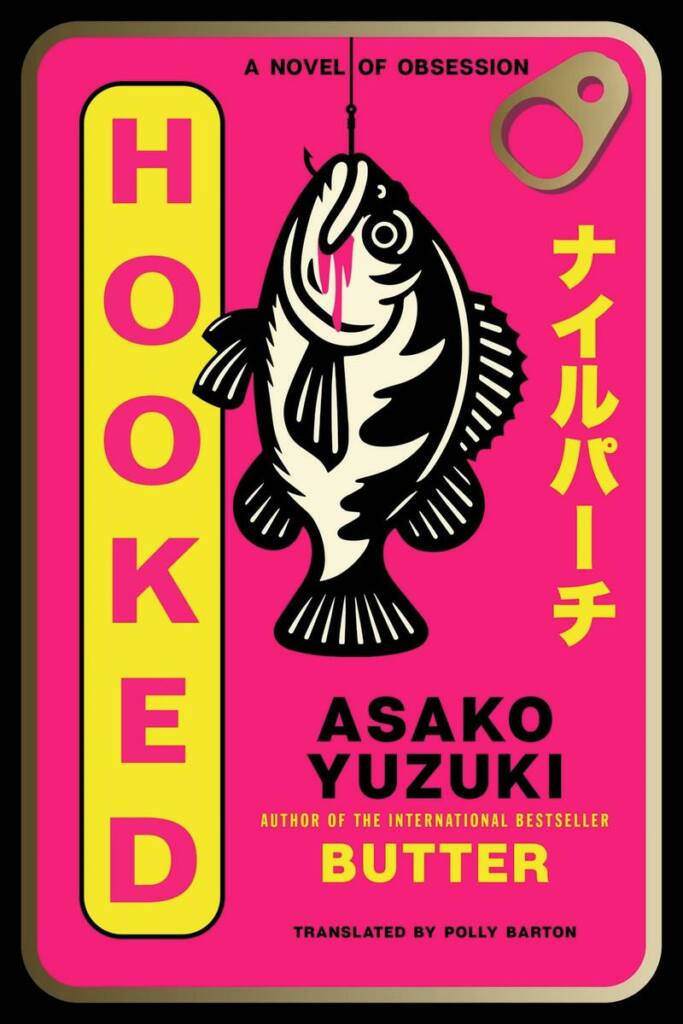
Hooked
By ASAKO YUZUKI
Published by ECCO
Translated by Polly Barton
Yuzuki’s (Butter, an instant cult favorite) eagerly awaited latest concerns two very different young Japanese women living in Tokyo. Eriko has never had a real friend, despite her perfectly organized life and successful career. She loves to read blogs and discover amazing new cosmetics. Shoko is also successful and has her own lifestyle blog, but her domestic skills are lacking. Eriko develops an obsession with her, and their budding friendship (stage-managed by Eriko) comes dangerously close to stalking. The clever title also refers to Eriko’s work project reintroducing the Nile Perch fish (see cover) into the Japanese market. Entertaining as ever, Yuzuki continues her exploration of female friendship and the ongoing pursuit for connection.
.
-
.
The Silent Period
By FRANCESCA MANFREDI
Published by W.W. NORTON
Translated by Ekin Oklap
This is an engaging little book. “I decided to cut off all communication around eleven o’clock one evening in September. It seemed nothing remarkable at the time. Isn’t that how everything important starts off?” Reminiscent of novels like Ottessa Mosfegh’s My Year of Rest and Relaxation or Eliza Callahan’s The Hearing Test, it follows the aimless 28-year-old Christina, who chooses silence in order to detox and disengage from the noise of social media. Always comparing herself to her more conventional and accomplished sister, she wanders aimlessly through life with no purpose, still living at home with her parents in Turin. This disarming novel stands out among current fiction about young women who find themselves unmoored, searching for answers.
-
.
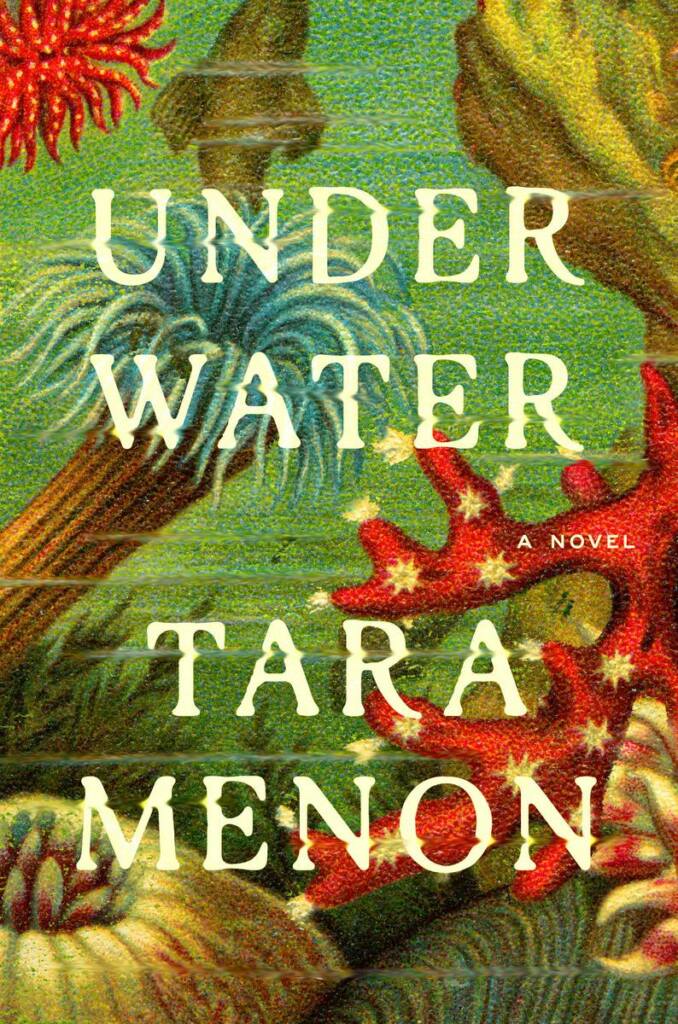
Under Water
By TARA MENON
Published by RIVERHEAD BOOKS
There are many things to love about this book. The story is narrated by Marissa and switches between 2004 in Thailand, when the tsunami hits, and 2012 in New York, where she ends up living after the loss of her best friend. The vivid portrait of Marissa and the beautiful Arielle who spend their idyllic childhood in the Indian Ocean, diving among brilliant-colored fish and enormous manta rays, is utterly cinematic. Menon captures the beauty of the natural world, providing a balm for both the reader and the novel’s main characters. The bookends of the tragedy of the tsunami and the approach of Hurricane Sandy in New York makes for an emotional journey of grief and everlasting friendship.
.
-
.

My Lover, the Rabbi
By WAYNE KOESTENBAUM
Published by FSG
In delirious, short chapters, our maniacal narrator relates his erotic obsession with an unnamed rabbi, describing their indulgent sexual romps in a New Jersey apartment. Here, he regards his lover with forensic psychosexual observations and ponders the rabbi’s mysterious past. The rabbi makes trips to Warsaw to discuss war reparations and has a loyal housekeeper, Monica, who manipulates his behavior. The brief vignettes often begin with “My lover, the rabbi…” (the repetition of which somehow heightens the hilarity). Evocations of Portnoy and even Vidal’s Myra Breckenridge, Jean Genet, Thomas Bernhard—the list goes on. But this is all Koestenbaum, who is at his unbridled, scatological best.