
January 17, 2026
Soul-searching runs through the work of this week’s five authors, each seeking answers to profound questions about how to live. The list includes two books from England—one an innovative memoir from a feminist perspective, the other an autobiographical novel looking back upon a long literary life; an introduction to one of Mexican literature’s best-kept secrets; a debut story collection of uncommon power from the north of Ireland; and a feisty novel that juxtaposes cultures with an East Indian family living in rural Wyoming. There is wild creativity at work here and the pages overflow with audacious imagination.
Happy reading,
Melanie Fleishman
Buyer, The Center for Fiction Bookstore
Featured Books
-
.

One Aladdin Two Lamps
By JEANETTE WINTERSON
Published by GROVE
With a nod to One Thousand and One Nights, Winterson channels Aladdin, extolling the joy of rediscovering the Middle Eastern tale that offers life lessons in stories passed down through generations. Drawing on these ancient texts, she shapes an original memoir blending fiction, essay, and fact. She relates to Aladdin’s plight, having grown up in a working-class family desperate to avoid a limited future. In her youth, she was inspired by Shahrazad: “I can change the story because I am the story.” But her belief in the power of storytelling and its ability to alter the trajectory of one’s path is at its heart. The message is loud and clear—personal, and yet universal.
-
.

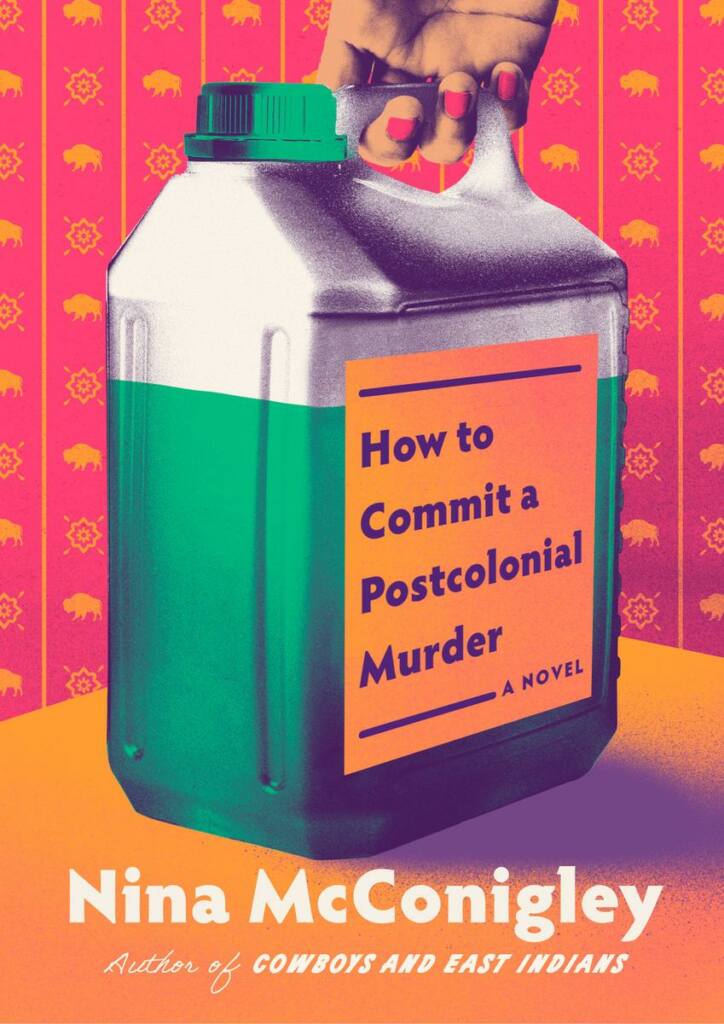
How to Commit a Postcolonial Murder
By Nina McConigley
Published by PANTHEON
This is a cleverly twisted crime story about planning to kill a rapist uncle with undetectable amounts of anti-freeze. The twelve-year-old East Indian protagonist Georgie (who blames British colonialism for absolutely everything that is wrong) and her sister, both biracial, feel out of place in Wyoming. When their annoying extended family comes to visit, it widens the culture gap. McConigley manages to both create a spot-on coming-of-age story and offer a close look at the pitfalls of growing up in the American West in the 1980s. McConigley’s lauded collection is simultaneously published in paperback alongside this witty exploration of the deeper issues of the immigrant story.
.
-
.

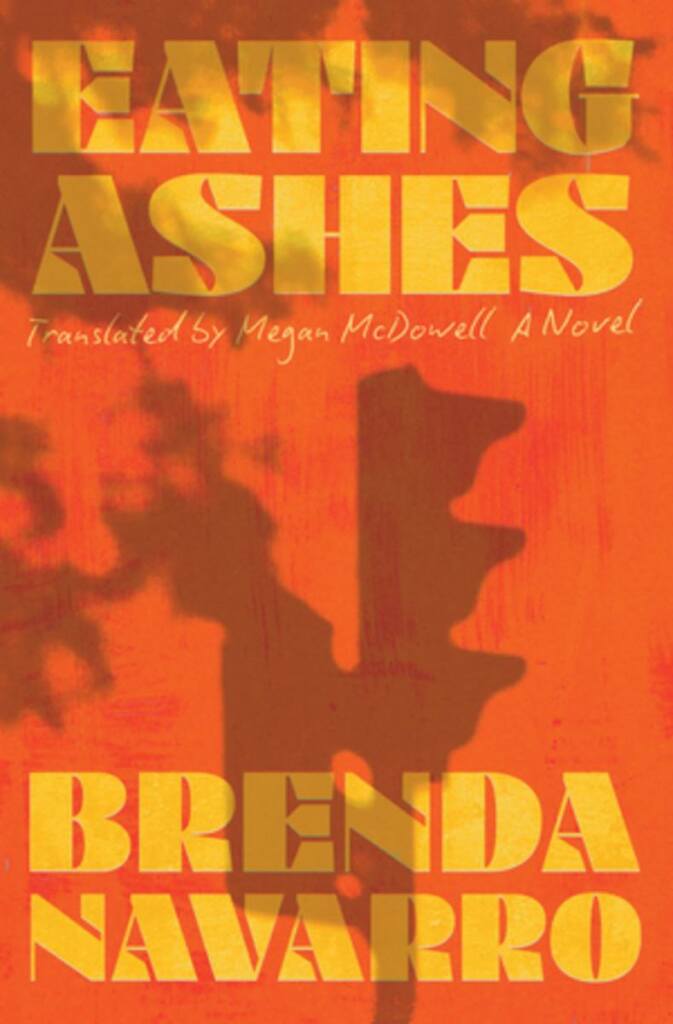
Eating Ashes
By BRENDA NAVARRO
Published by LIVERIGHT
Translated by Megan McDowell
A stunning novel about families fractured by emigration from one of Mexico’s most lauded writers. Our narrator grows up in Mexico with a single mother who abandons her and her brother Diego for Madrid. Despite promises to her children, it takes eight years for them to join her. The unnamed protagonist attempts to find work (caregiver, cleaning), but it is difficult and she moves to Barcelona. Then the shattering event of the book: Diego, an exuberant kid who marched to his own drum, jumps from a window. You’ll marvel at the beautifully told melancholy story in an excellent translation. (Watch for the forthcoming film directed by actor Diego Luna.)
-
.

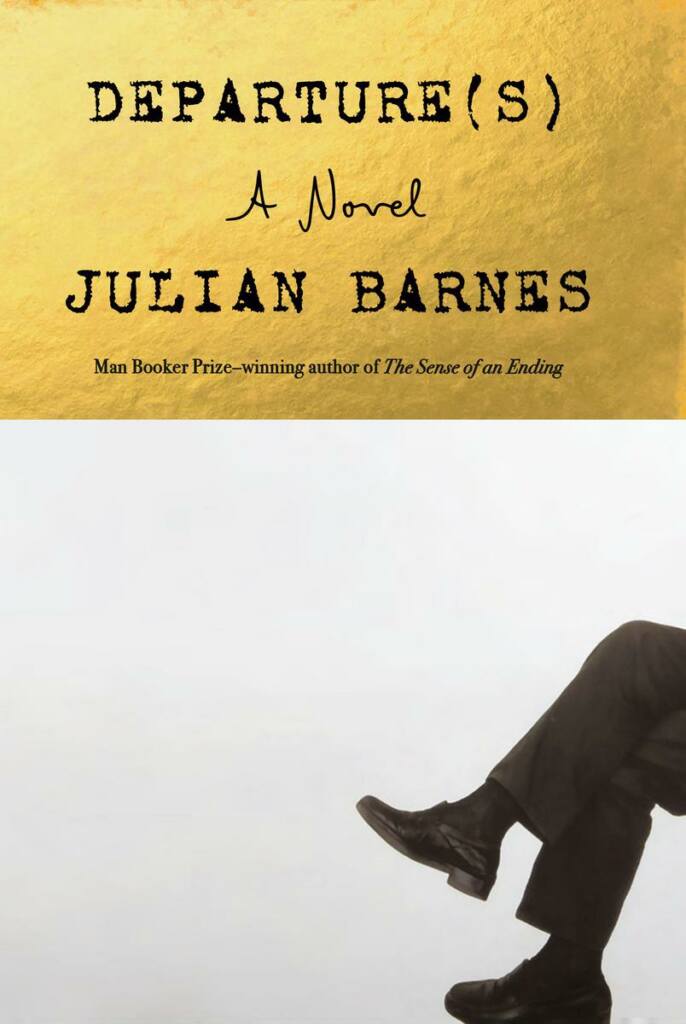
Departure(s)
By JULIAN BARNES
Published by KNOPF
Purporting to be his last book, Barnes, who turns 80 next week, gives readers an unvarnished look at aging, and how it feels to be one of the last of your kind. (Losses include his wife and his colleagues, Hitchens and Amis.) At its heart, there is a touching story of a couple whom he had introduced years back. They eventually split up and then reconnect 40 years later via his help. He had to promise he would never write about them—but here we are. An astute observer of life, love, and intellectual pursuit, the book is clearly autobiographical—or close enough. There’s also a Jack Russell that Barnes inherits, adding even more wistfulness in a lovely coda to a brilliant career.
.
-
.

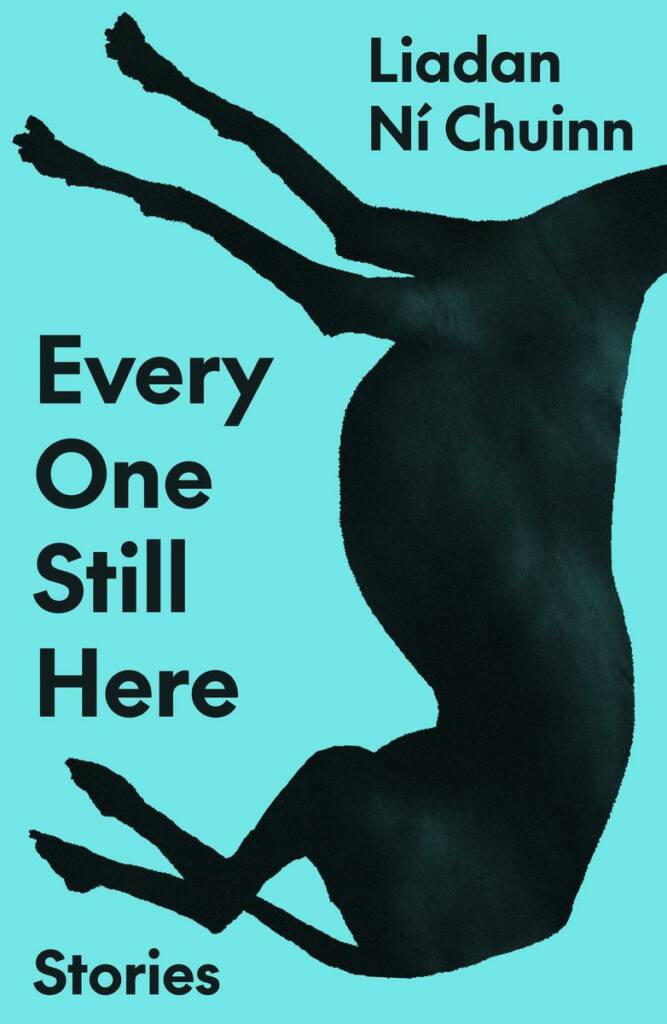
Every One Still Here
By LIADAN NÍ CHUINN
Published by FSG
The author of this debut story collection writes under a pseudonym—biographical information is scant, but that has not deterred many critics from claiming the arrival of a bold new talent. It is well deserved. The stories are so immediate and urgent it feels as if their author had lived through the Troubles, but they were born in 1998, when the Good Friday Agreement was signed. Written with a straightforward and moving simplicity, many of the stories emphasize the role of women, their sacrifices during those violent times, and the inescapability of the past. As one character says, “you have this obsession with history.” The ending to the last heartbreaking story, “Daisy Hill,” is shattering and you close the book in awe.