
March 28, 2026
The five novels this week introduce characters—parents, siblings, friends, and enemies—who span a wide range of circumstances, dispositions, and behaviors, taking us from BCE to modern times. We present a fully imagined lost ancient epic by a celebrated Canadian writer; a vengeful girl who grows into a vengeful young woman; a debut that affectionately illuminates the often overlooked community of disabled people; a novel by an alum of our Emerging Writer Fellowship about siblings born to Korean immigrants striving to find their place in the world; and a story of a daughter and her mother, outcasts in provincial France. Note that two of these books will launch at The Center this week!
Happy reading,
Melanie Fleishman
Buyer, The Center for Fiction Bookstore
Featured Books
-
.

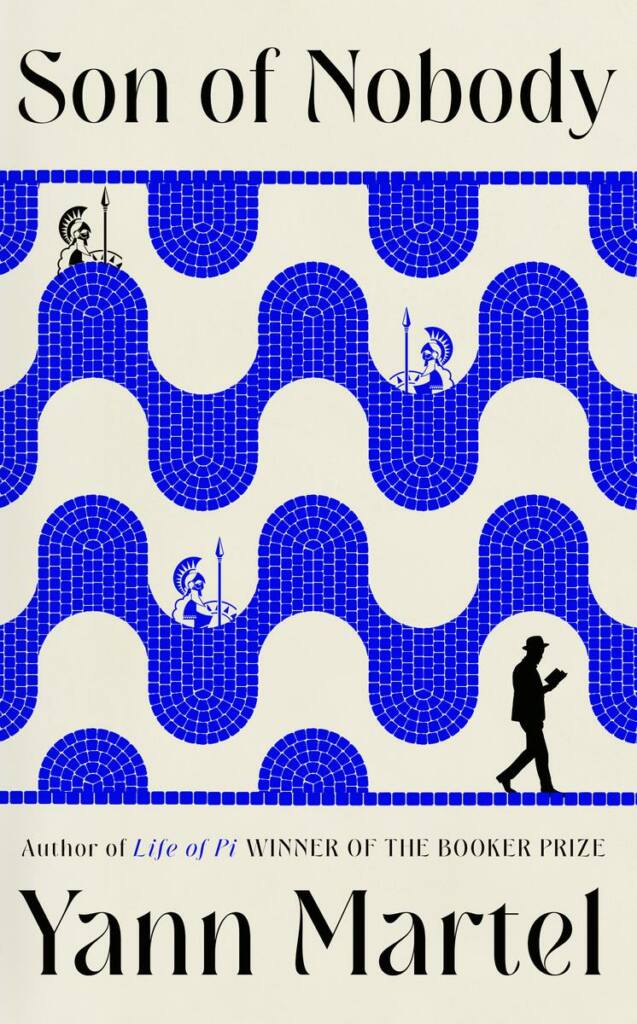
Son of Nobody
By YANN MARTEL
Published by W. W. NORTON
Martel (Life of Pi) pairs a verse epic at the top of each page with expanded footnotes below, creating two stories across two time periods for the price of one. The novel begins with a scholar, Donne, who discovers a lost Greek poem of the Trojan War. The poem follows Psoas, a common goatherd known as the “son of nobody,” who becomes “the only living man in hell.” As Donne recreates the story from fragments, the footnotes follow his own tumultuous life as a modern Oxford academic. Martel was inspired by Homer’s The Iliad, which the author considers, “a mixture of Waiting for Godot and All Quiet on the Western Front.” It’s a stunning literary achievement.
-
.

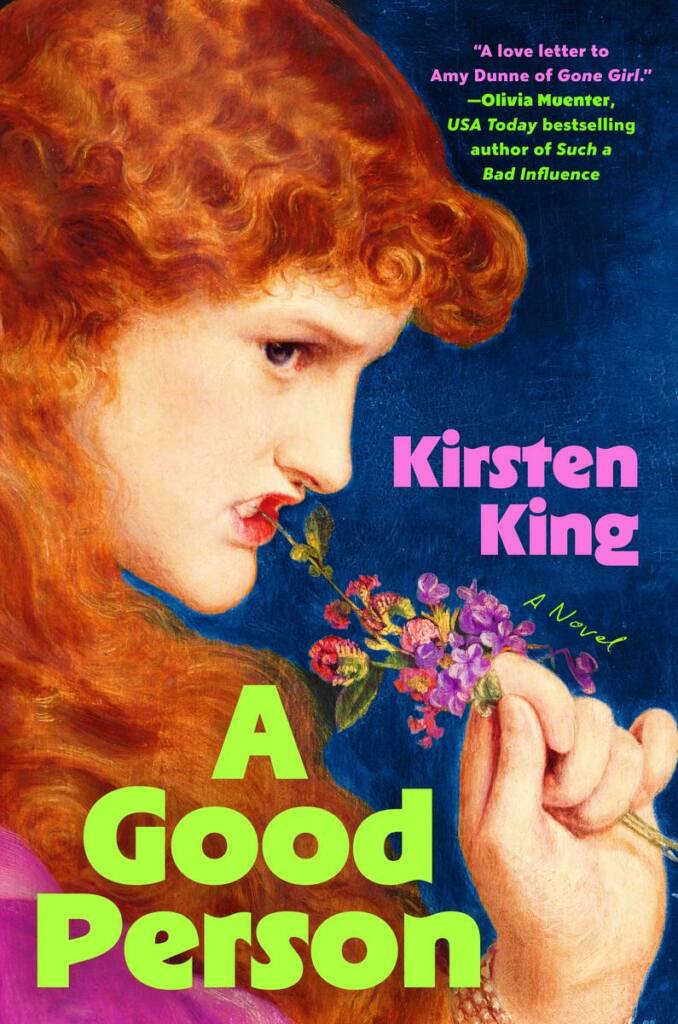
A Good Person
By KIRSTEN KING
Published by G.P. PUTNAM’S SONS
Mean girls unite! We begin as misanthropic 10-year-old Lillian pushes a despised school friend over the railing into a gorilla exhibit. “I wondered if I had ruined the rest of my life with one simple mistake…. I would always be outside looking in.” Two decades later, when the man she has been dating breaks up with her, she puts a spell on him. In short order, he is stabbed to death. Lillian must now attempt to clear her name, avoid a murder charge, and play the aggrieved girlfriend. This is a rollicking dark comedy with a subversive antiheroine who is a captivating unreliable narrator. Unsurprisingly, the novel has been optioned for a film adaptation.
.
-
.
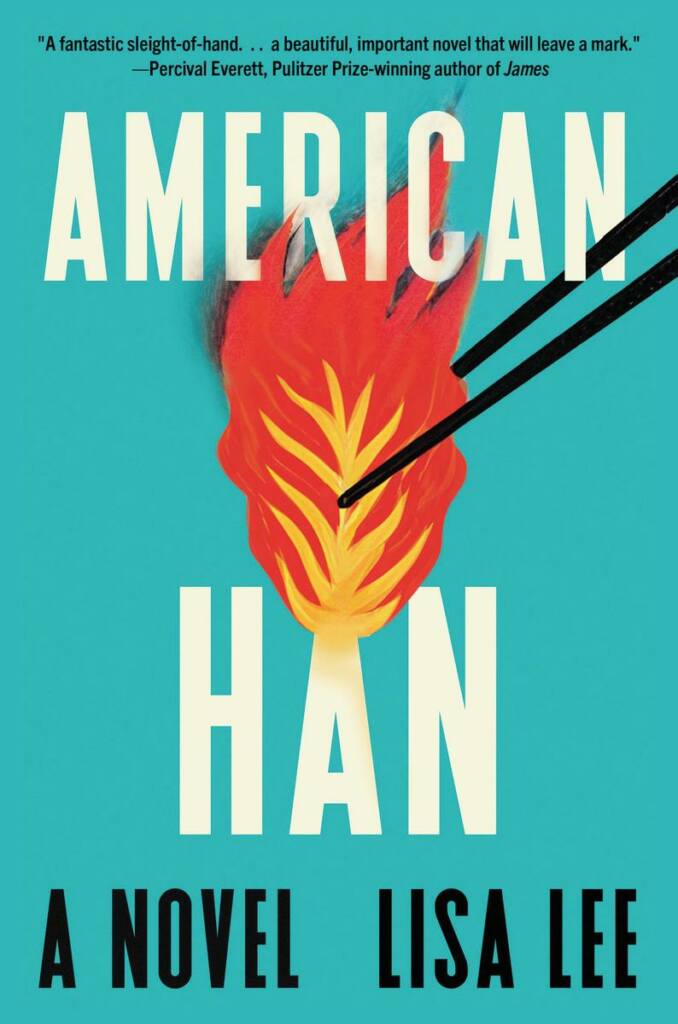
American Han
By LISA LEE
Published by ALGONQUIN
“Han” is a complicated Korean sentiment that can mean a profound feeling of injustice, sorrow, resentment, and rage, but also resilience. In Lee’s pitch-perfect novel, Jane Kim, born of Korean immigrants, is an unhappy law student living in San Francisco whose tumultuous relationship with her mother is this novel’s core. Jane wants to move away from her family and the tight-knit Korean community that defines her, but is unsure of her next move. Her brother Kevin has already tried to distanced himself from their family. It is not unusual for him to be incommunicado, but then he snaps. This closely-observed family portrait crystallizes into a larger picture of Asian immigrants chasing the American dream.
-
.

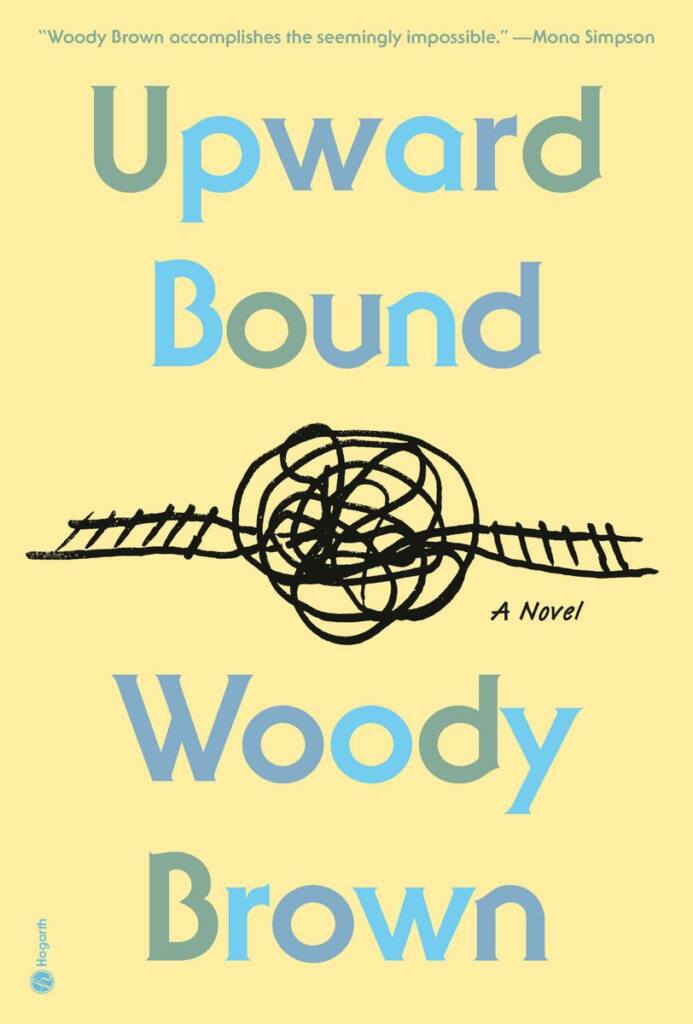
Upward Bound
By WOODY BROWN
Published by HOGARTH
The setting of a Los Angeles adult daycare center seems like it would make for a gloomy read, but Brown’s tender, wise novel soars. It features a cast of characters with various conditions, including cerebral palsy, non-speaking (like the author), and autism (like the heartbreaking Jorge, who is constantly trying to escape). The ironically eponymous center is run by director Dave, an actor-turned-caregiver who oversees staff and clients—and channels his former talents into planning a holiday show. What could seem like a dead end for the endearing ensemble, given voice in connected chapters, is portrayed in gentle, sometimes comic ways, as Brown shines a light on a largely underrepresented community. An uplifting debut.
.
-
.

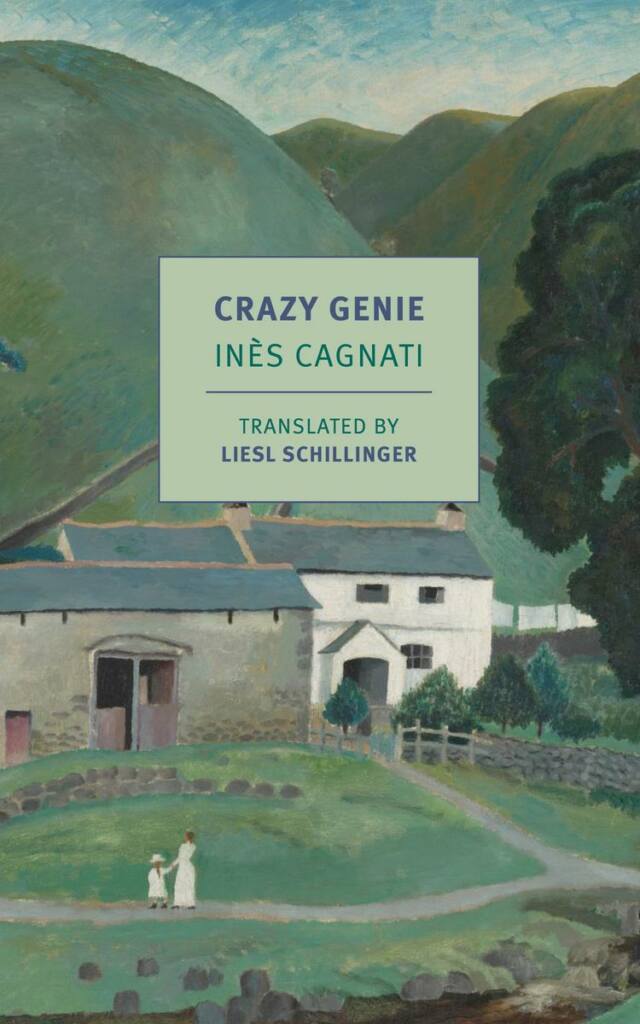
Crazy Genie
By INÈS CAGNATI
Published by NYRB
Translated by Liesl Schillinger
Young Marie is the narrator of this remarkable French novel set in the rural countryside. The title character is her mother. Crazy Genie (so called by the local villagers) walks silently through the neighboring farms looking for work—any kind of work: harvesting fruit, spading vines, weeding corn. Marie trails behind, trying to help, but is mostly ignored. “There were…times when she would bend down to me, wipe my face, and carry me in her arms…. Most often she said nothing.” As you might suspect, Genie wasn’t always like this. Cagnati’s novel is indelibly poignant, exploring poverty, societal bias, nature and human nature, and the risks of unconditional matrilineal devotion.