
$445
6 Sessions
In stock

Once a week Tuesdays, 7:00 pm EDT - 9:00 pm EDT July 7 to August 11, 2026

Online via Zoom
The opening of a novel or short story is a promise: it establishes tone, rhythm, atmosphere, voice, and narrative urgency. In Opening Movements, students will study the first pages of literature through the lens of classical music, examining how composers and authors alike create momentum, tension, anticipation, and emotional resonance from the very first note or sentence.
Through close reading, listening sessions, craft discussion, and workshop, participants will learn how to shape openings that compel readers forward. Students will read “Clarence and the Dead” from Randall Kenan’s short story collection, Let the Dead Bury Their Dead, and at least the first nine pages of Toni Morrison’s Song of Solomon. In anticipation of the first session, students should familiarize themselves with the following classical music selections: Pachelbel’s “Canon in D,” Beethoven’s “Symphony 5,” and Elgar’s “Pomp and Circumstance.” Students should be prepared to present and discuss their work.
Opening Movements invites writers to hear story differently—and to begin with force, elegance, and unforgettable sound.
Course Outline:
- Week 1 — The First Note / The First Sentence
Focus: Narrative voice as instrument and why openings matter- Instructor-led discussion (45 minutes):
- Listen to Canon in D and discuss the opening scene of Song of Solomon
- Comparison of musical elements with literary elements: solo line vs. ensemble movement in music, compared to narration and character layering in literature.
- Instructor-led discussion with student participation (75 minutes) – three students to volunteer work prior to class):
- Student workshop: analysis of voice, cadence, and narrative invitation.
- Instructor-led discussion (45 minutes):
- Week 2 — Entrance, Ceremony, Presence
Focus: Character arrival and narrative authority.- Instructor-led discussion (45 minutes):
- Review Canon in D.
- Revisit Song of Solomon opening scene.
- Comparison of musical elements with literary elements: point of view, introduction of characters, story, and tonal shifts.
- Mixed instructor-led discussion / student participation (75 minutes – three different students to volunteer work prior to class):
- Student Workshop: analysis of character introduction, introduction of story, pacing.
- Instructor-led discussion (45 minutes):
- Week 3 — Momentum and Urgency
Focus: Immediate tension and forward motion.- Instructor-led discussion (45 minutes):
- Listen to Beethoven’s Fifth Symphony.
- Final review of Song of Solomon opening scenes.
- Comparison of musical elements with literary elements: introduction of suspense, creation of dramatic stakes, story propulsion, urgency of event(s).
- Mixed instructor-led discussion / student participation (75 minutes – three different students to volunteer work prior to class):
- Student workshop: analysis of suspense, story, and drama.
- Instructor-led discussion (45 minutes):
- Week 4 — Orchestration
Focus: How composers and writers direct attention.- Instructor-led discussion (45 minutes):
- Listen to Pomp and Circumstance.
- Review of “Clarence and the Dead.”
- Comparison of musical elements with literary elements: atmosphere, grandeur, irony, and social context.
- Mixed instructor-led discussion / student participation (75 minutes – three different students to volunteer work prior to class):
- Student workshop: analysis of atmosphere, narrator credibility, and social environment / atmosphere.
- Instructor-led discussion (45 minutes):
- Week 5 — Setting, Weather, Atmosphere
Focus: How environment shapes tone and supports plot.- Instructor-led discussion (45 minutes):
- Review Pomp and Circumstance.
- Revisit “Clarence and the Dead.”
- Comparison of musical elements with literary elements: weather, landscape, and character mood / sonic textures.
- Mixed instructor-led discussion / student participation (75 minutes – review of revised student work – two or three students to volunteer work prior to class):
- Student workshop: analysis of weather, landscape, and character mood / sonic textures.
- Instructor-led discussion (45 minutes):
- Week 6 — The Memorable Beginning
Focus: Refinement and performance of openings.- Mixed instructor-led discussion / student participation (entire class review of revised student work – instructor will request three to four students volunteer their work prior to class):
- Review principles from all previous sessions
- Students read aloud
- Discuss students’ revisions
- Mixed instructor-led discussion / student participation (entire class review of revised student work – instructor will request three to four students volunteer their work prior to class):
Teaching Style: For forty-five minutes the instructor will lead the class discussion, focusing on musical and literary elements, as detailed. That will be followed by seventy-five minutes of mixed instructor led / student participation class time during which student work will be presented and discussed.
Level: Intermediate
This course is held online via Zoom.
We offer a limited number of need-based scholarships for our Reading Groups and Writing Workshops, covering 50% of tuition. Applicants selected for scholarships will be notified one week prior to the first meeting. To apply for a scholarship, please fill out this form.

Led by
-

Doug Jones
Doug Jones
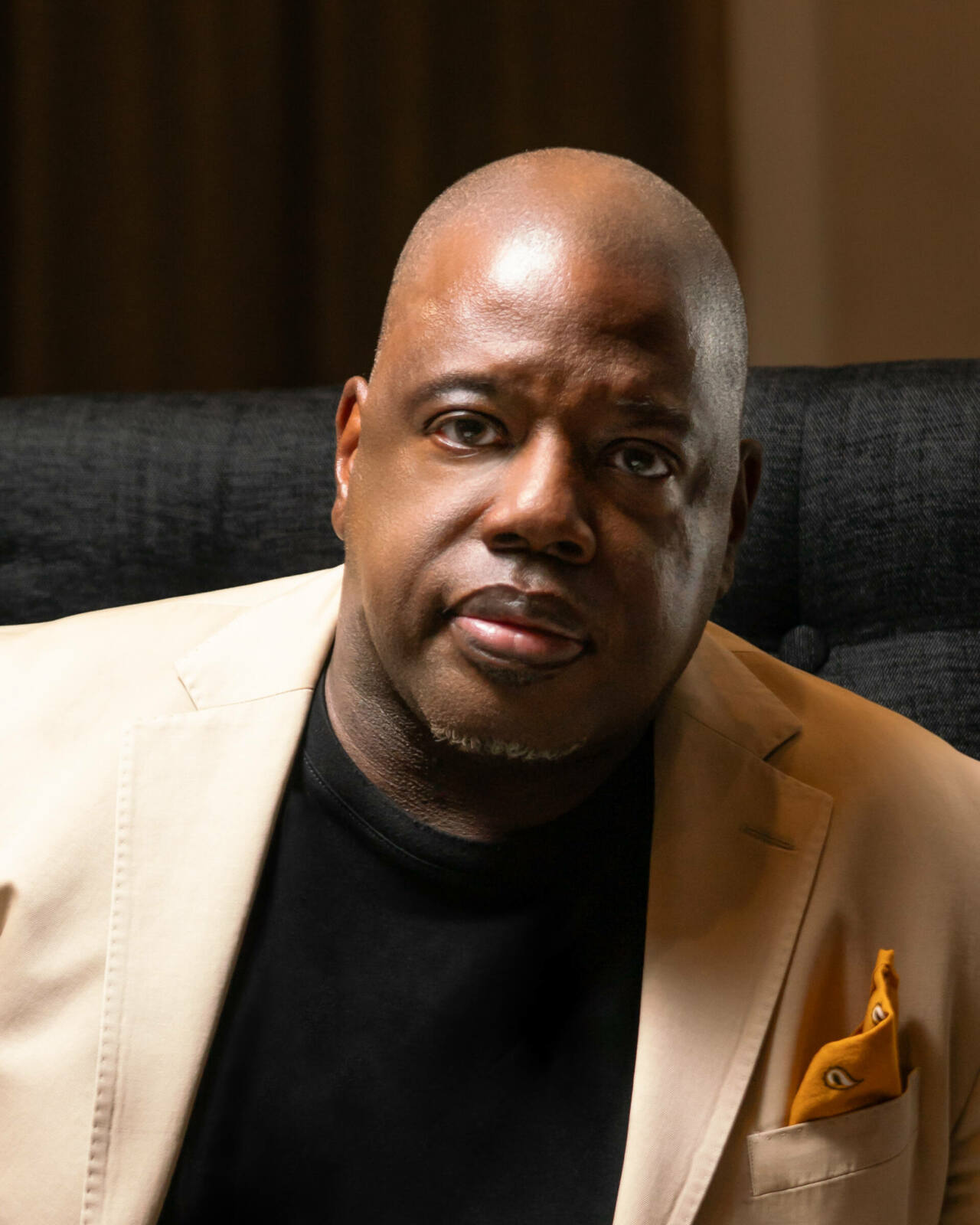
Doug Jones is an alumnus of Morehouse College and received his MFA from Columbia University. His debut novel, The Fantasies of Future Things (Simon & Schuster, April 2025), has been longlisted for the 2026 VCU Cabell First Novelist Award and was also longlisted for the 2025 First Novel Prize. His work has been included in the anthologies Black Love Letters (Zando Projects / Get Lifted Books) and Role Call: A Generational Anthology of Social and Political Black Literature & Art (Third World Press). He has written for Debutiful.com and LitHub.com. An inaugural fellow of the Lambda Literary Writers Retreat for Emerging LGBTQ Voices, Doug’s early work received recognition from the Hurston/Wright Foundation. He lives in Atlanta, GA.
About this series
Writing Workshops
We strive to make our classes the most inviting and rewarding available, offering an intimate environment to study with award-winning, world-class writers. Each class is specially designed by the instructor, so whether you’re a fledgling writer or an MFA graduate polishing your novel, you’ll find a perfect fit here.
-

The Art of Writing About Community with Mai Sennaar
Once a week Wednesdays, 7:00 pm EDT - 9:00 pm EDT July 22 to September 23, 2026
-

You Do You: A Generative Fiction Workshop with Courtney Zoffness
Saturday & Sunday 12:00 pm EDT - 3:00 pm EDT July 25 to July 26, 2026
-
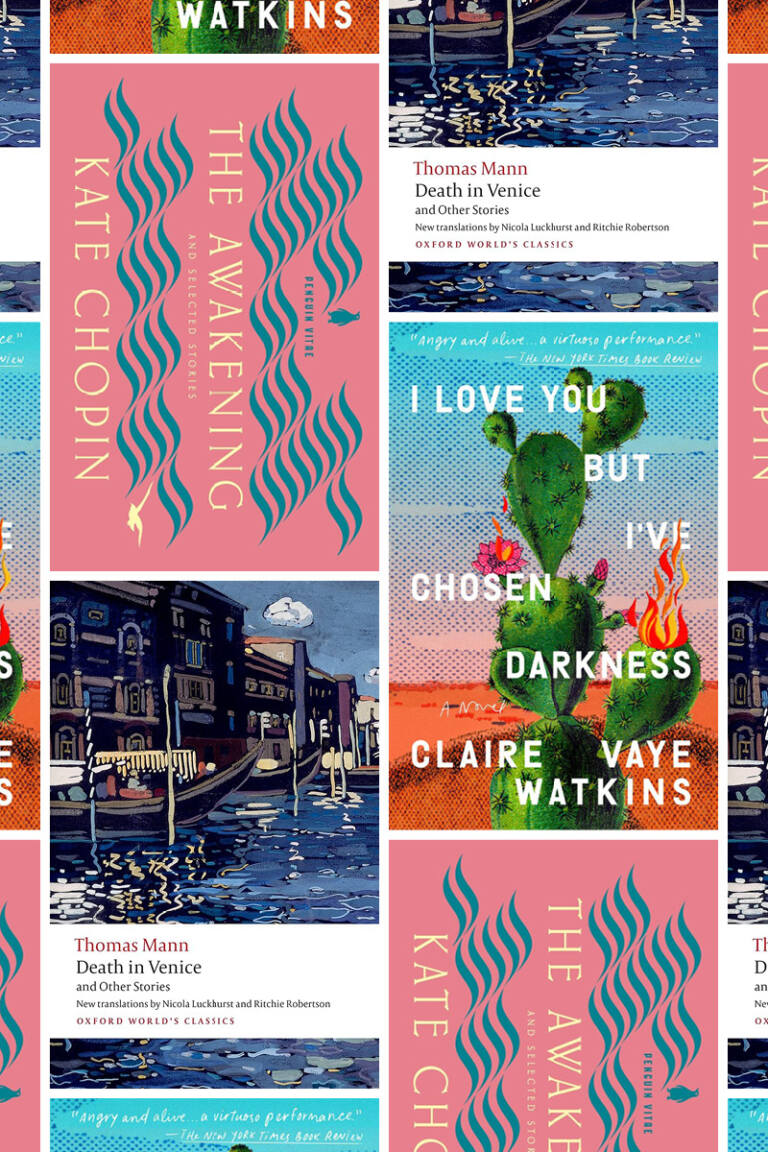
The Unlived Life: Novels of Midlife Escape with Jennifer Stock
3 Sessions Tuesdays, 6:00 pm EDT - 7:30 pm EDT July 28 to September 8, 2026
-
How She Wrote: Generative Exercises Inspired by Shirley Jackson with Melissa Lozada-Oliva
Saturday & Sunday 1:00 pm EDT - 4:00 pm EDT August 1 to August 2, 2026
-

The Art of Travel Writing with Matt Ortile
Once a week Sundays, 12:00 pm EDT - 2:00 pm EDT August 2 to August 23, 2026
-
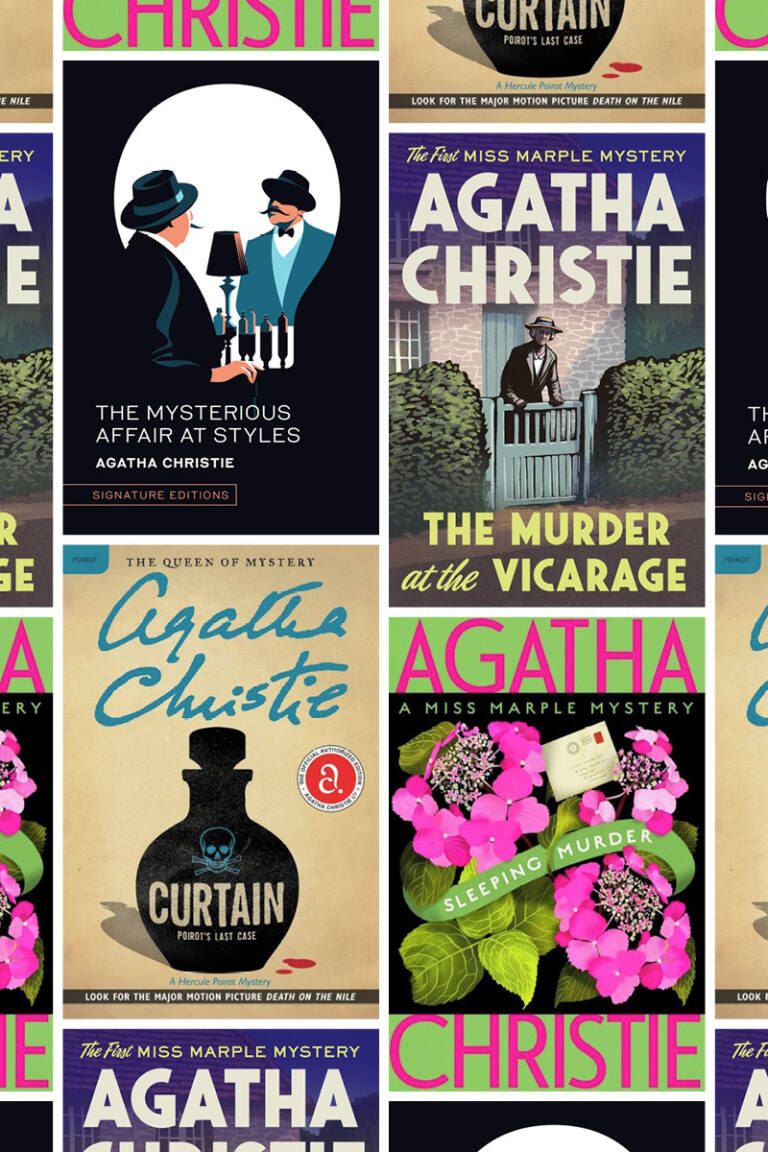
Agatha Christie's Poirot and Marple with Mary Anna Evans
4 Sessions Mondays, 6:30 pm EDT - 8:00 pm EDT August 3 to September 14, 2026
-
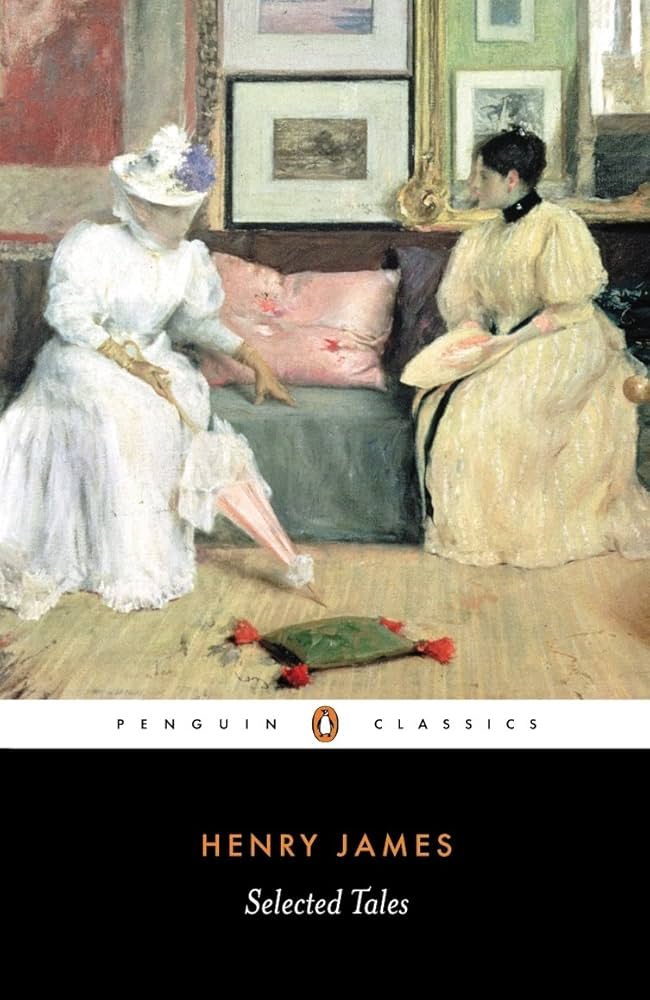
A Year of Henry James: Volume II with Sheridan Hay
Once a week Wednesdays, 6:00 pm EDT - 7:30 pm EDT August 5 to August 26, 2026
-
I, You, They: Mastering Point of View with Philip Anderson
Once a week Thursdays, 7:00 pm EDT - 9:00 pm EDT August 6 to September 10, 2026
-
The Art of the Review with Alissa Wilkinson
Saturday & Sunday 11:00 am EDT - 2:00 pm EDT August 8 to August 9, 2026
-
In Short: Joyce Carol Oates’s “How I Contemplated the World from the Detroit House of Correction and Began My Life Over Again” with Art Taylor
Monday, 7:00 pm EDT - 8:30 pm EDT August 10, 2026
-

Writing Girlhood with Anika Jade Levy
Once a week Mondays, 6:00 pm EDT - 8:00 pm EDT August 10 to September 21, 2026
-
In Short: Joan Lindsay’s Picnic at Hanging Rock with Amanda Lehr
Thursday, 6:00 pm EDT - 7:30 pm EDT August 13, 2026
-
In Short: Black Femme Transformation in Eloghosa Osunde's "Grief Is the Gift That Breaks the Spirit Open" with Magenta Naaku
Saturday, 1:00 pm EDT - 2:30 pm EDT August 15, 2026
-
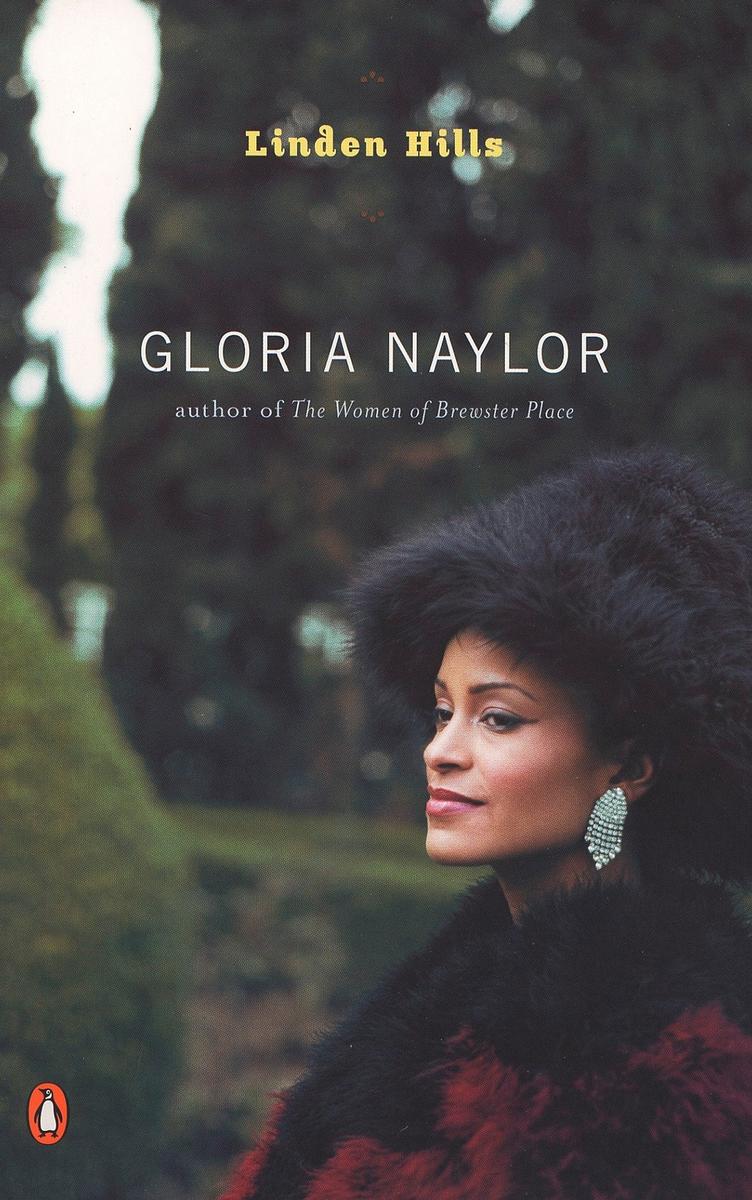
Cover to Cover: Gloria Naylor's Linden Hills with Channelle Russell
Monday, 6:30 pm EDT - 8:00 pm EDT August 17, 2026
-

The Literarians
Wednesday, 12:30 pm EDT - 1:30 pm EDT August 19, 2026
-
In Short: Edwidge Danticat’s “Without Inspection” with Maia Butler
Tuesday, 6:00 pm EDT - 7:30 pm EDT August 25, 2026
-
In Short: Black Femme Transformation in 'Pemi Aguda's "Manifest" with Magenta Naaku
Saturday, 1:00 pm EDT - 2:30 pm EDT August 29, 2026
-
Intro to Fiction: A Writing Workshop for Beginners with Josh Krigman
Once a week Tuesdays, 7:00 pm EDT - 9:00 pm EDT September 1 to October 6, 2026
-
The Year-Long Novel Intensive with Omer Friedlander (Sold Out)
Every Other Week Wednesdays, 7:00 pm EDT - 9:00 pm EDT September 2, 2026 to August 18, 2027
-

Writing Visceral Experimental Fiction with Marc Anthony Richardson
Once a week Thursdays, 7:00 pm EDT - 9:00 pm EDT September 3 to October 22, 2026