
$445
6 Sessions
Out of stock

Once a week Mondays, 6:00 pm EDT - 8:00 pm EDT August 10 to September 21, 2026

The Center for Fiction
Writing Girlhood is a six-week generative workshop exploring one of literature’s richest and most unstable subjects. We will examine the girl as both writer and character, subject and object, consumer and consumable. Drawing on novels, short stories, diaries, criticism, and contemporary culture, we’ll think about how writers use girlhood as a liminal vantage point to look at desire, performance, power, and ambition. We will read work by Sylvia Plath, Mary Gaitskill, Jen George, and Andrea Long Chu.
Designed for fiction and nonfiction writers working on new material, the course turns close reading into craft practice. Each week, students will respond to in-class prompts that generate scenes, structures, and obsessions for their own stories. The subjects we will cover include: friendship as plot engine, humiliation as narrative energy, and the tension between innocence and experience. We will discuss the theme, content, and cultural relevance of each book, but we will always consider craft components such as voice, point of view, structure, compression, dialogue, and revision.
Participants can expect to leave with sharper critical language, a portfolio of at least ten new pages, and a sense of how contemporary fiction can metabolize the psychic material of girlhood into elegant original work.
Course Outline:
- Week 1 – Theory of the Young Girl: Introductions and a discussion of the state of contemporary girlhood, the trend of extended adolescence, and the girlification of everything. In class, we will look at Jenny Holzer’s “Truisms” series and Sappho’s poems, as well as excerpts from Tiqqun’s “Preliminary Materials for a Theory of the Young-Girl” and Andrea Long Chu’s Females. Our in-class writing prompt will concern aphorisms.
- Week 2 – Girls as Women, Women as Girls: In-class discussion of Jen George’s “The Babysitter at Rest” and Emily Adrian’s Seduction Theory. We will explore Adrian’s approach to power on the page and use George’s stories to consider the currency of youth, the myth of purity, and the tendency of digital life to sexualize girls and infantilize women. We will also break down the varying formal approaches of the six stories, and students will respond to one of six prompts in order to begin crafting their own surreal, absurd, or dream-like short story.
- Week 3 – Delusion and Disaster: In-class discussion of Iris Owens’s After Claude and Jean Rhys’s Good Morning, Midnight. In class, we will read excerpts of James Wood’s writing on Jean Rhys, as well as look at excerpts of Sylvia Plath’s The Bell Jar and from her diaries. Using these readings, we will consider how embarrassment, longing, exposure, and self-consciousness often produce unforgettable fiction. We’ll discuss practical tactics for writing convincing characters whose self-concept is unstable, performative, or contingent upon their social world. Prompts will focus on social disaster, failed performance, status anxiety, and the comic uses of pain.
- Week 4 – Ingenues, Abjection, and Art-Making: In-class discussion of Bonjour Tristesse by Françoise Sagan and Mary Gaitskill’s Bad Behavior. We will consider how Sagan and Gaitskill use their subject positions as a narrative lens and a way of metabolizing the world, breaking down how and when private experience can be mined for public works. In-class writing prompt will concern durational frames (e.g., a summer, a short job, a single evening) as story structure.
- Week 5 – Extended Adolescence: In-class discussion of Susie Boyt’s Loved and Missed and Flaubert’s Madame Bovary. We will consider what remains of girlhood in adult consciousness. Girlhood does not end; it mutates into caretaking, class shame, fantasy, resentment, and repetition. How can emotional and generational wreckage be approached with tenderness and precision? How can fiction depict domestic cruelty without flattening anyone into a victim or villain? In-class writing prompt.
- Week 6 – Boyhood, Projection and the Male Gaze: In class discussion of Sylvia by Leonard Michaels and The Rachel Papers by Martin Amis, considering what happens (or doesn’t) when girlhood is narrated by boys and men. We’ll examine female characters as fantasy objects, enemies, mirrors, and aesthetic projects. What might we steal, resist, or revise from these traditions? Participants will workshop selected pages and develop revision strategies for expanding one or more of the in-class writing projects into a complete work.
Teaching Style: My teaching style is rigorous but playful. Each session will combine the depth and intellectual energy of a lecture course with the spontaneity of a lively seminar discussion. Expect close reading, contemporary references, generative prompts, and practical craft guidance in a warm but serious atmosphere.
Level: Intermediate
This course is held in person at The Center for Fiction. Note: there will be no meeting on September 7th.
We offer a limited number of need-based scholarships for our Reading Groups and Writing Workshops, covering 50% of tuition. Applicants selected for scholarships will be notified one week prior to the first meeting. To apply for a scholarship, please fill out this form.

Led by
-

Anika Jade Levy
Anika Jade Levy
Anika Jade Levy is a writer from Colorado. She is a National Book Foundation 5 under 35 honoree, a teacher in the Writing program at Columbia University, and a founding editor of Forever Magazine. Her work has appeared in the Paris Review, Vogue, Playboy, GQ, and Interview Magazine. Her first book, Flat Earth, came out in 2025.

About this series
Writing Workshops
We strive to make our classes the most inviting and rewarding available, offering an intimate environment to study with award-winning, world-class writers. Each class is specially designed by the instructor, so whether you’re a fledgling writer or an MFA graduate polishing your novel, you’ll find a perfect fit here.
-
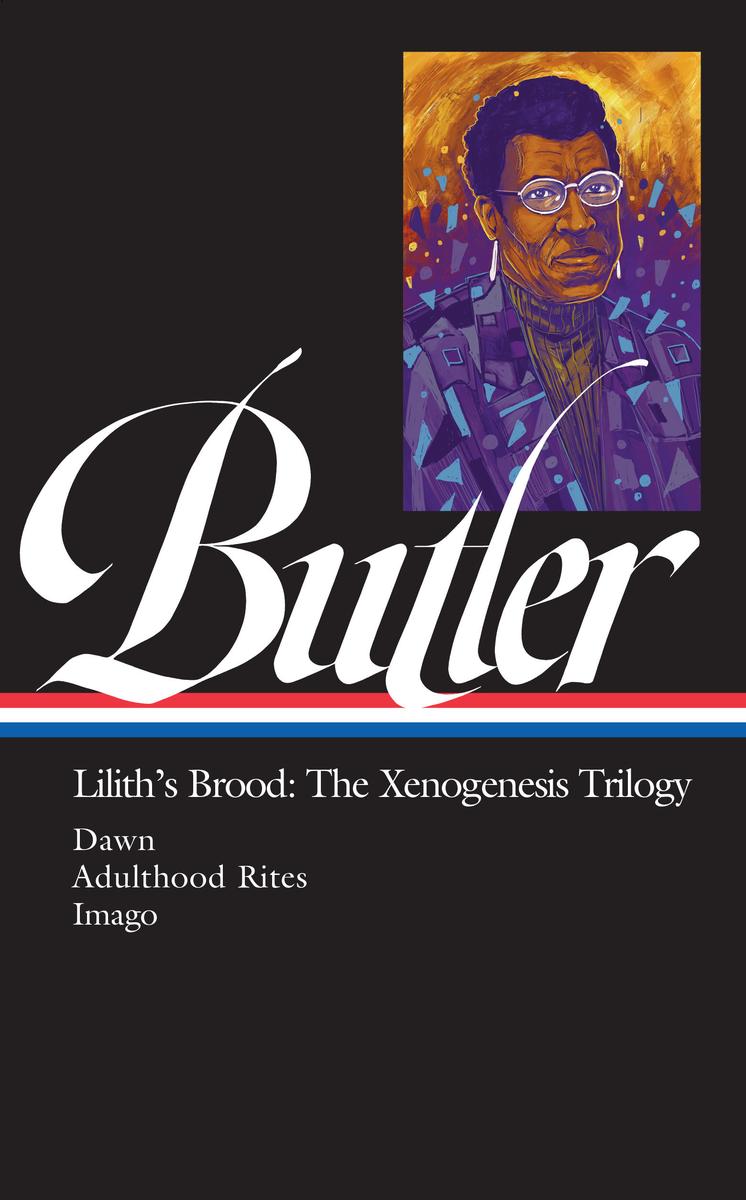
Octavia E. Butler's Xenogenesis Trilogy with Alaya Dawn Johnson
3 Sessions Saturdays, 1:00 pm EDT - 2:30 pm EDT July 11 to August 22, 2026
-
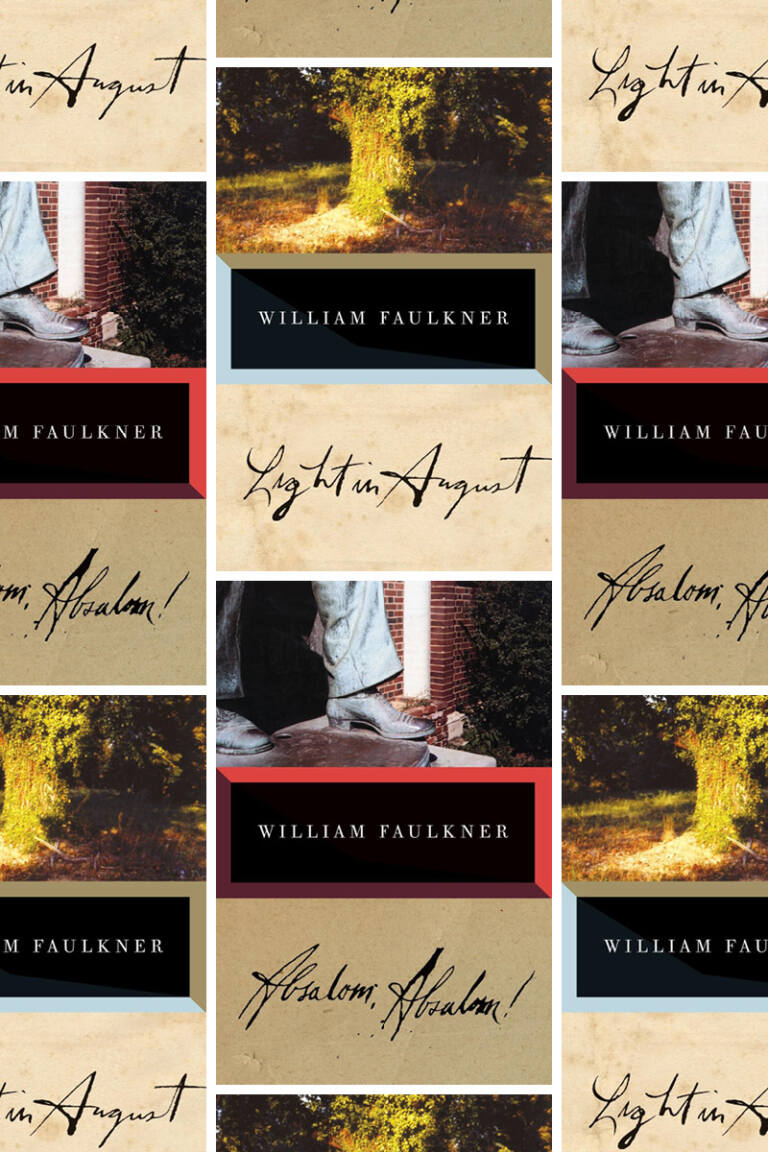
What the South Knew: Faulkner in the Trump Era with Linda Chavers
4 Sessions Saturdays, 11:00 am EDT - 12:30 pm EDT July 11 to August 22, 2026
-
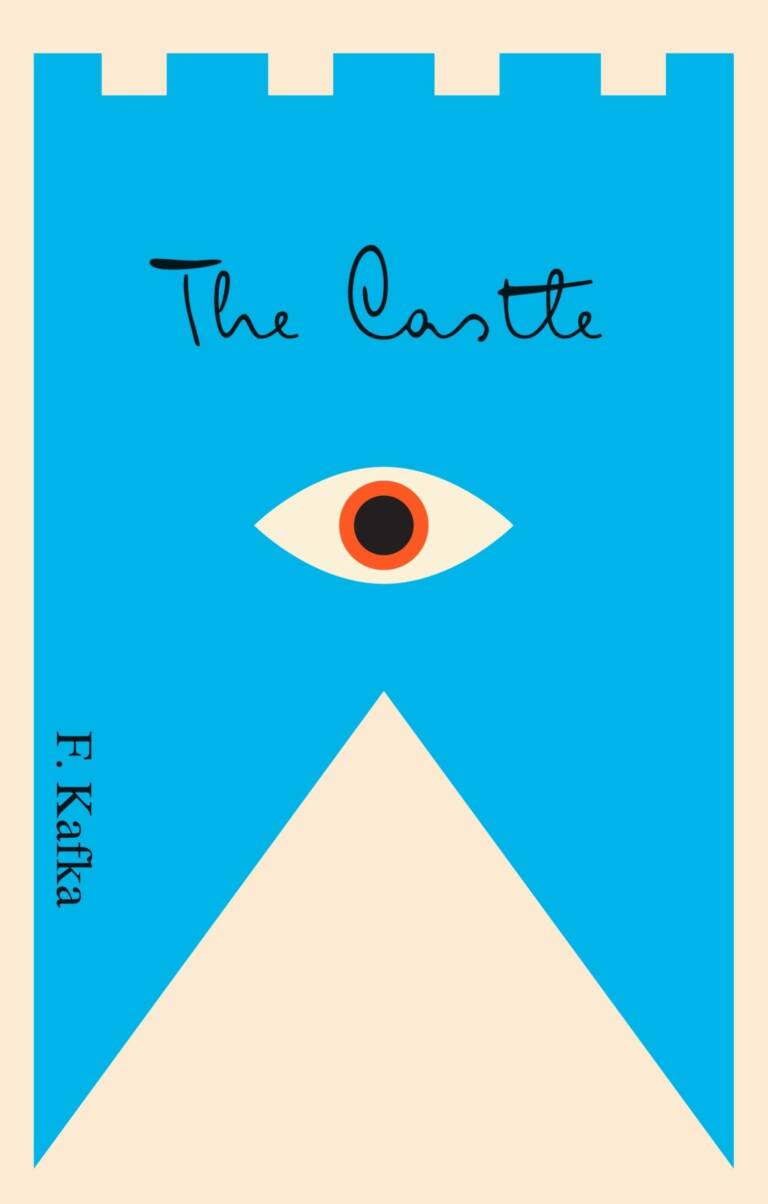
Franz Kafka’s The Castle with Martha Cooley
4 Sessions Sundays, 11:00 am EDT - 12:30 pm EDT July 12 to August 23, 2026
-

Crushes: The Art of the Swoon with Erica Peplin
Once a week Sundays, 6:00 pm EDT - 8:00 pm EDT July 12 to August 16, 2026
-
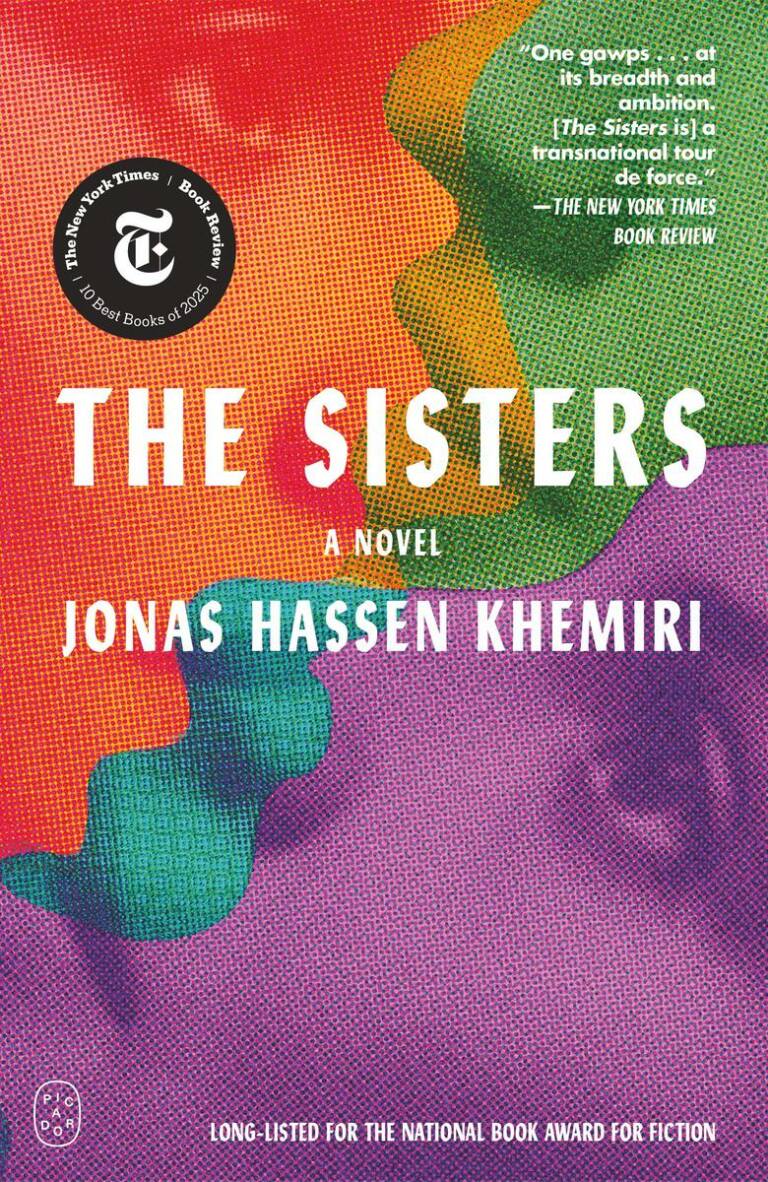
The Nightlighters
Monday, 6:00 pm EDT - 7:30 pm EDT July 13, 2026
-

Crafting Novels on Notecards: Techniques from Nabokov with Jeff Boyd
Once a week Mondays, 6:00 pm EDT - 8:00 pm EDT July 13 to August 17, 2026
-

Writing the Story Only You Can Tell with Vanessa Walters
Once a week Mondays, 7:00 pm EDT - 9:00 pm EDT July 13 to August 3, 2026
-
In Short: Shirley Jackson’s "The Summer People” with Lesley Finn
Tuesday, 6:30 pm EDT - 8:00 pm EDT July 14, 2026
-
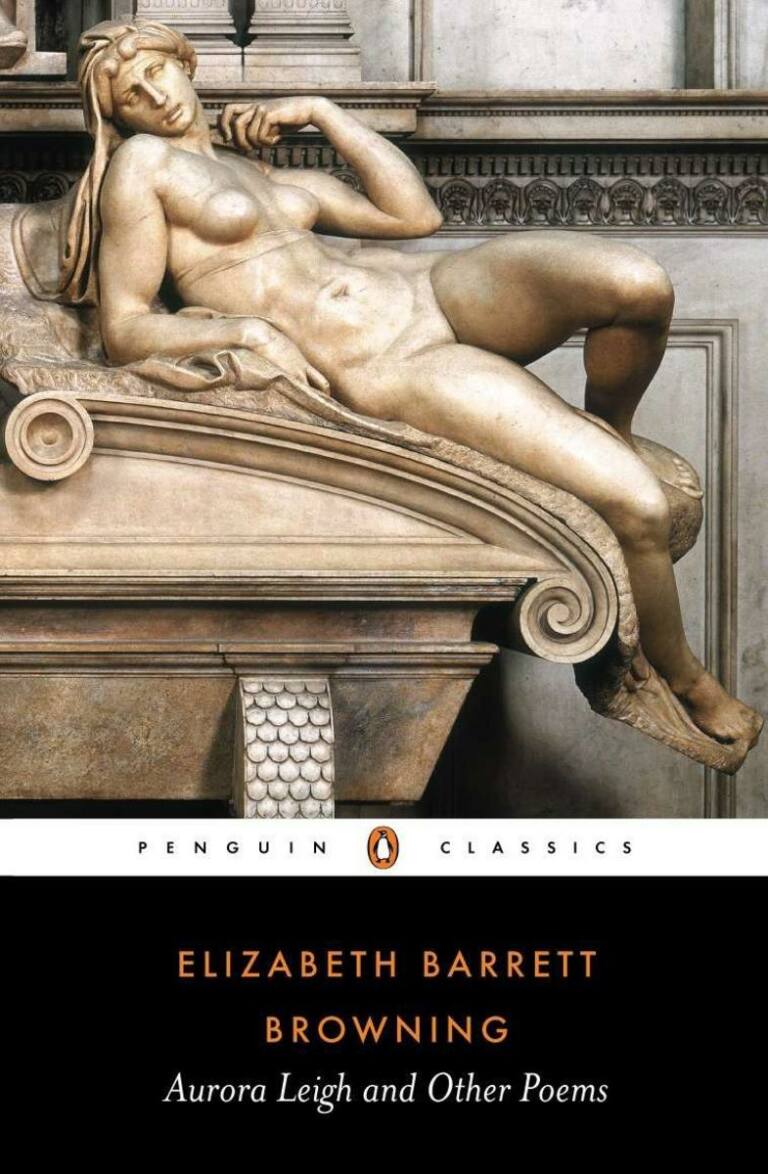
Elizabeth Barrett Browning's Aurora Leigh with Joanna Biggs
Once a week Thursdays, 6:30 pm EDT - 8:00 pm EDT July 16 to August 6, 2026
-
In Short: William Faulkner's "Mistral" with Carl Rollyson
Thursday, 7:00 pm EDT - 8:30 pm EDT July 16, 2026
-
The Art of Emotion in Fiction with Alec Niedenthal
Once a week Thursdays, 6:00 pm EDT - 8:00 pm EDT July 16 to August 13, 2026
-

The Art of the Verb: Transform Your Writing with Fire and Elegance with Sarah L. Kaufman
Saturday, 11:00 am EDT - 12:30 pm EDT July 18, 2026
-
In Short: Isaac Bashevis Singer's "The Dead Fiddler" with Richard Klin
Monday, 7:00 pm EDT - 8:30 pm EDT July 20, 2026
-

How He Wrote: Generative Exercises Based on Ralph Ellison's Invisible Man with Sidik Fofana
Once a week Mondays, 7:00 pm EDT - 9:00 pm EDT July 20 to August 10, 2026
-

The Art of Writing About Community with Mai Sennaar
Once a week Wednesdays, 7:00 pm EDT - 9:00 pm EDT July 22 to September 23, 2026
-

You Do You: A Generative Fiction Workshop with Courtney Zoffness
Saturday & Sunday 12:00 pm EDT - 3:00 pm EDT July 25 to July 26, 2026
-
The Unlived Life: Novels of Midlife Escape with Jennifer Stock
3 Sessions Tuesdays, 6:00 pm EDT - 7:30 pm EDT July 28 to September 8, 2026
-

How She Wrote: Generative Exercises Inspired by Shirley Jackson with Melissa Lozada-Oliva
Saturday & Sunday 1:00 pm EDT - 4:00 pm EDT August 1 to August 2, 2026
-

The Art of Travel Writing with Matt Ortile
Once a week Sundays, 12:00 pm EDT - 2:00 pm EDT August 2 to August 23, 2026
-
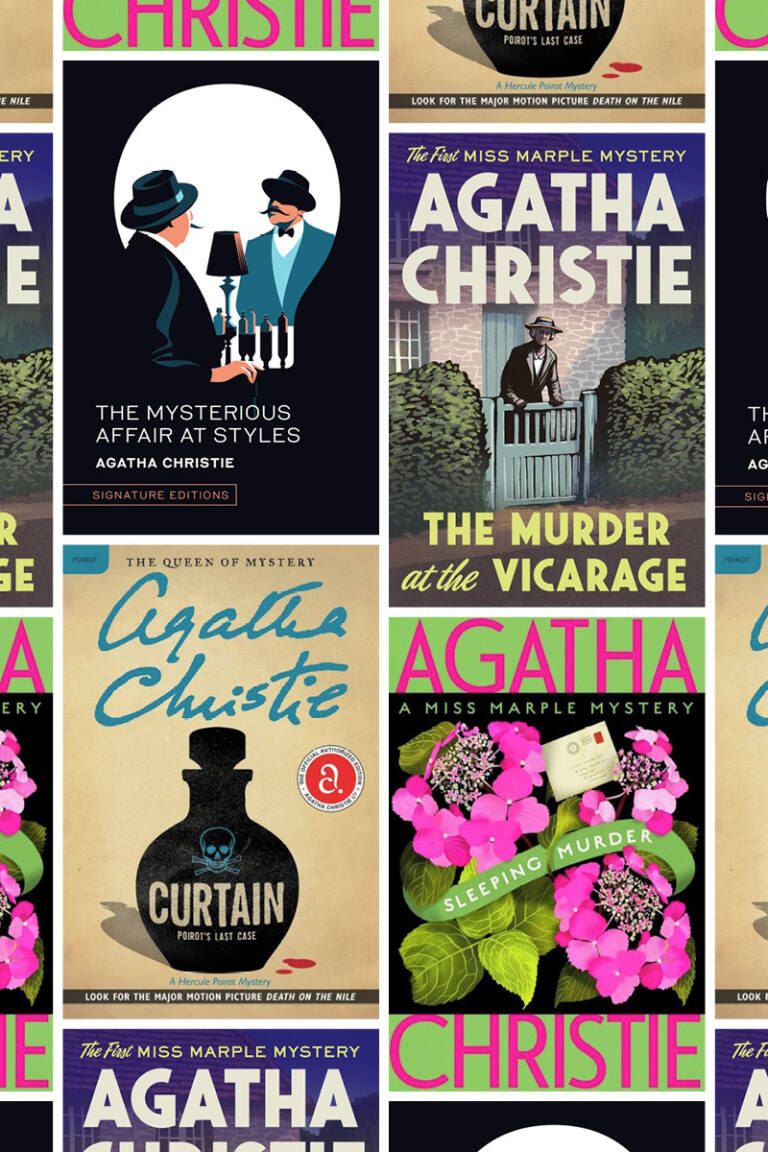
Agatha Christie's Poirot and Marple with Mary Anna Evans
4 Sessions Mondays, 6:30 pm EDT - 8:00 pm EDT August 3 to September 14, 2026