
$645
10 sessions
Out of stock

Once a week Thursdays, 6:00 pm EDT - 8:00 pm EDT July 10 to September 11, 2025

Online via Zoom
This is a class for writers who are beginning or revising a project, whether memoir, personal essays, a travel book, or some other room in the capacious genre known as creative nonfiction.
We have an instinctive sense from fiction and film that scenes are where time slows down, giving us immersive sensory detail, conflict, and dialogue, but what about exposition (also known as reflection, “glide,” or summary)? Exposition is just as important, as it’s where the writer explains and comments on the scenes. Here is where the writer provides essential, non-immersive information that moves the story forward and links scenes together. Scenes are where we “show,” whereas in exposition, we “tell.” Both are essential.
Learning how to identify your principal story points (or scenes) will help you to structure your story. As you develop your scenes and improve them, you will also develop a better sense of what they mean for you. This knowledge, in turn, will help you to develop and improve your narrative voice, which is what well-employed exposition can do. Scenes often tell the core story of the past, whereas exposition is in the voice of the adult narrator, located in the “narrative present,” reflecting on the past.
Writers and artists are some of the only professionals to work in isolation. This class stresses community, and will help you to build connections with other writers: hopefully “writing buddies” with whom you can share work long after our 10 weeks have come to an end. Class also comprises “office hours” where you can meet with me to discuss any aspect of your writing process that is on your mind. This is an especially important part of the class for me, as I very much enjoy assisting writers in teasing out the essential core of the story that they need to tell.
One element of this course is discussion of a weekly reading (a memoir chapter or personal essay) to help us hone our understanding of scenes and exposition. (FYI, there is no obligation to buy books.) Each two-hour class will be divided between craft and workshop. Class time will be divided between creative writing workshop and learning about and then practicing important craft elements.
While two to three of our ten classes will be dedicated to learning and practicing scenes and exposition, you will also learn how to:
· Use the free-writing method of Gail Sher and Joan Bolker to progressively home in on the story you want to tell, and / or assist you in freeing you from writing anxiety.
· grow a structure that works for you.
· map plot points, obligatory scenes and characters.
· identify the “story within the story,” or through-line / central narrative thread.
· develop your narrative voice.
· work with leitmotifs, by implementing recurring images, or thematic elements.
· work with time in memoir.
My teaching is influenced by books like:
The Anti-Racist Workshop by Felicia Rose Chavez
The Story Grid by Shawn Coyne
Body Work: The Radical Power of Personal Narrative by Melissa Febos
Writing Down the Bones by Natalie Goldberg
The Situation and the Story by Vivian Gornick
Bird by Bird by Anne Lamott
Draft No. 4: On the Writing Process by John Mcphee
The War of Art by Steven Pressfield
One Continuous Mistake by Gail Sher
Writing Your Dissertation in 15 Minutes a Day by Joan Bolker The Situation and the Story by Vivian Gornick
The Art of Time in Memoir: Then, Again, by Sven Birkerts
One Continuous Mistake by Gail Sher
The Anti-Racist Workshop by Felicia Rose Chavez
Body Work: The Radical Power of Personal Narrative by Melissa Febos
The Story Grid by Shawn Coyne
(There is no need to purchase books; weekly reading will be assigned.)
All Levels
This course is held online via Zoom.
Led by
-

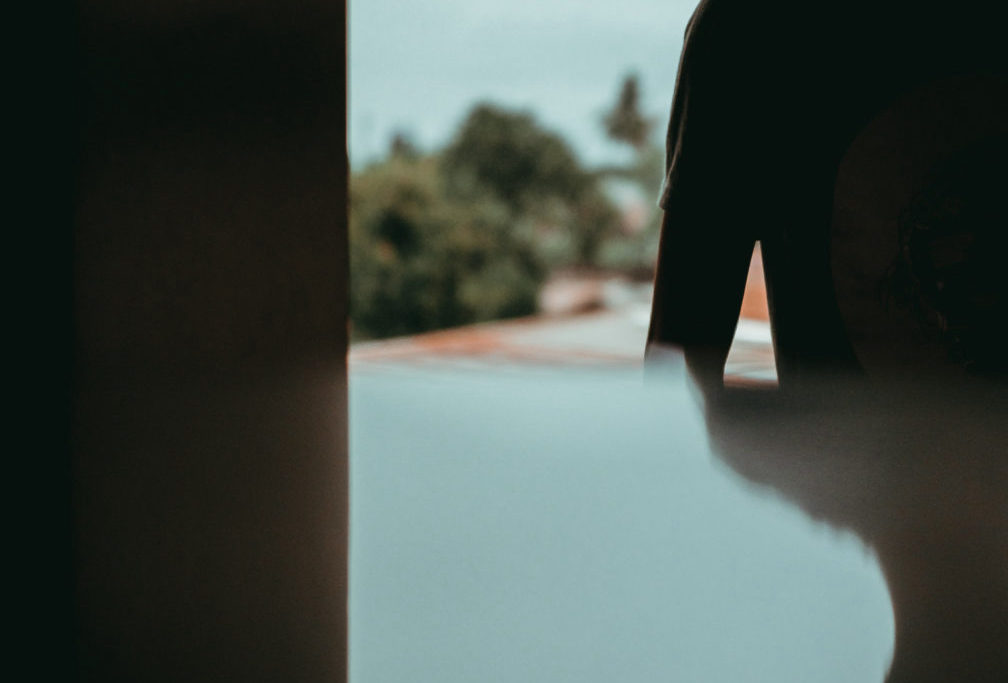
David McLoghlin
David McLoghlin
David McLoghlin has taught memoir with The Center for Fiction, Hudson Valley Writers Center and The Irish Writers Centre. During his MFA in Creative Writing at New York University, he was Resident Writer at Hunts Point Alliance for Children in the South Bronx, and an NYU Teaching Fellow at Coler Specialty Hospital. His books are Crash Centre (May 2024), Waiting For Saint Brendan and Other Poems, and Santiago Sketches, all with Salmon Poetry. He is currently at work on a book about his grandfather, the golf architect Eddie Hackett, widely considered “the Father of Irish Golf Design.” In October 2023 he played one of his grandfather’s designs, Connemara Golf Links, an immersion piece will feature in Golfer’s Journal in the USA in mid 2025.
About this series
Writing Workshops
We strive to make our classes the most inviting and rewarding available, offering an intimate environment to study with award-winning, world-class writers. Each class is specially designed by the instructor, so whether you’re a fledgling writer or an MFA graduate polishing your novel, you’ll find a perfect fit here.
-
The Literarians
Wednesday, 12:30 pm EDT - 1:30 pm EDT June 17, 2026
-
In Short: Hans Christian Andersen's “The Little Mermaid” with Amanda Hollander
Thursday, 6:30 pm EDT - 8:00 pm EDT June 18, 2026
-

300 Words a Day: Crush Writer’s Block and Build a Habit with Pablo Ottonello
Once a week Mondays, 7:00 pm EDT - 9:00 pm EDT June 22 to July 27, 2026
-
Memoir 101 with Rax King
Once a week Wednesdays, 6:00 pm EDT - 8:00 pm EDT June 24 to July 15, 2026
-
Advanced Short Story Workshop with Amy Silverberg
Once a week Thursdays, 7:00 pm EDT - 9:00 pm EDT June 25 to August 13, 2026
-

In Short: Ben Lerner's "The Hofmann Wobble" with Matilda Lin Berke
Tuesday, 6:30 pm EDT - 8:00 pm EDT July 7, 2026
-

Opening Movements: How Great Stories Begin with Doug Jones
Once a week Tuesdays, 7:00 pm EDT - 9:00 pm EDT July 7 to August 11, 2026
-
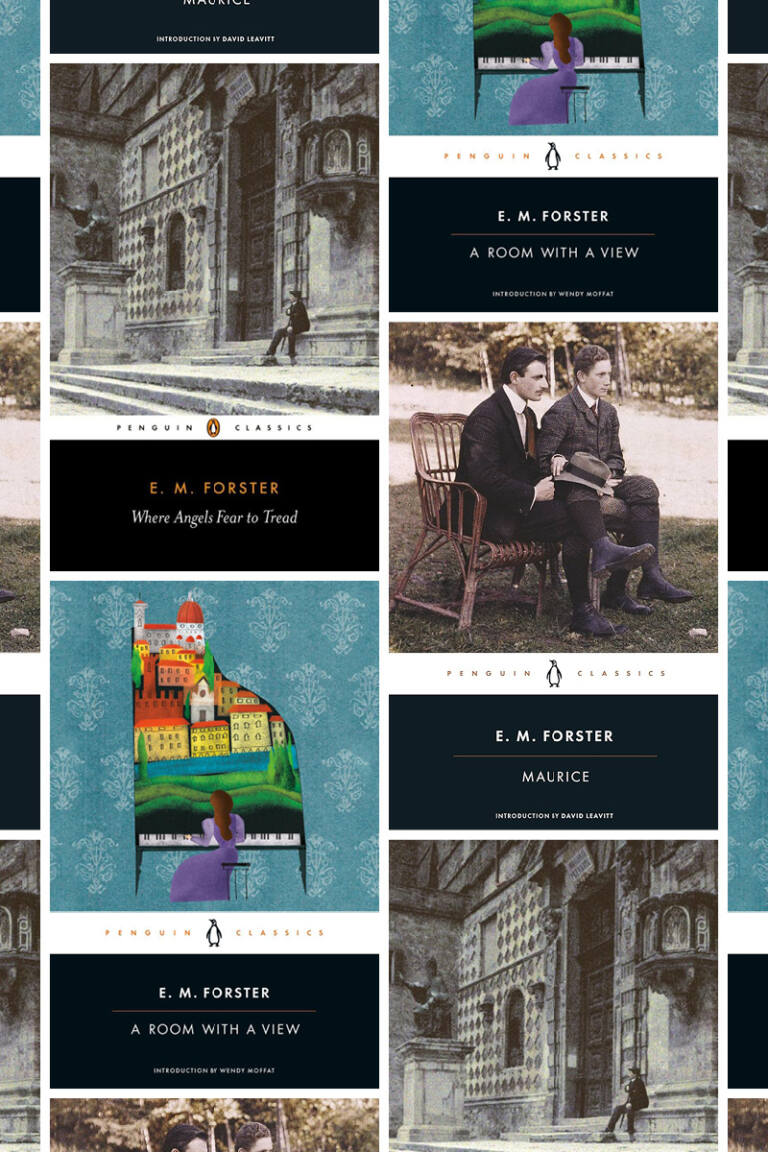
E. M. Forster’s Summer of Love with Pam Newton
3 Sessions Wednesdays, 6:30 pm EDT - 8:00 pm EDT July 8 to August 26, 2026
-
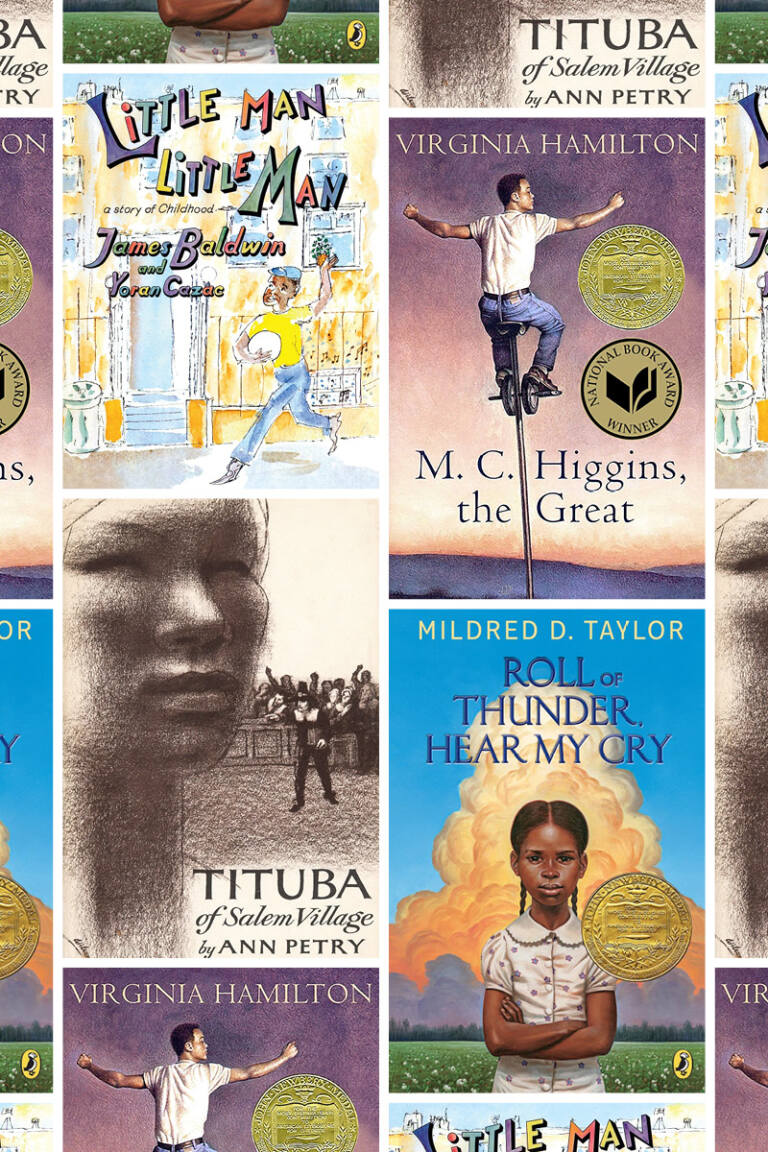
Reading Classic Black Children’s Novels with Gale Greenlee
4 Sessions Wednesdays, 6:00 pm EDT - 7:30 pm EDT July 8 to September 9, 2026
-

Octavia E. Butler's Xenogenesis Trilogy with Alaya Dawn Johnson
3 Sessions Saturdays, 1:00 pm EDT - 2:30 pm EDT July 11 to August 22, 2026
-
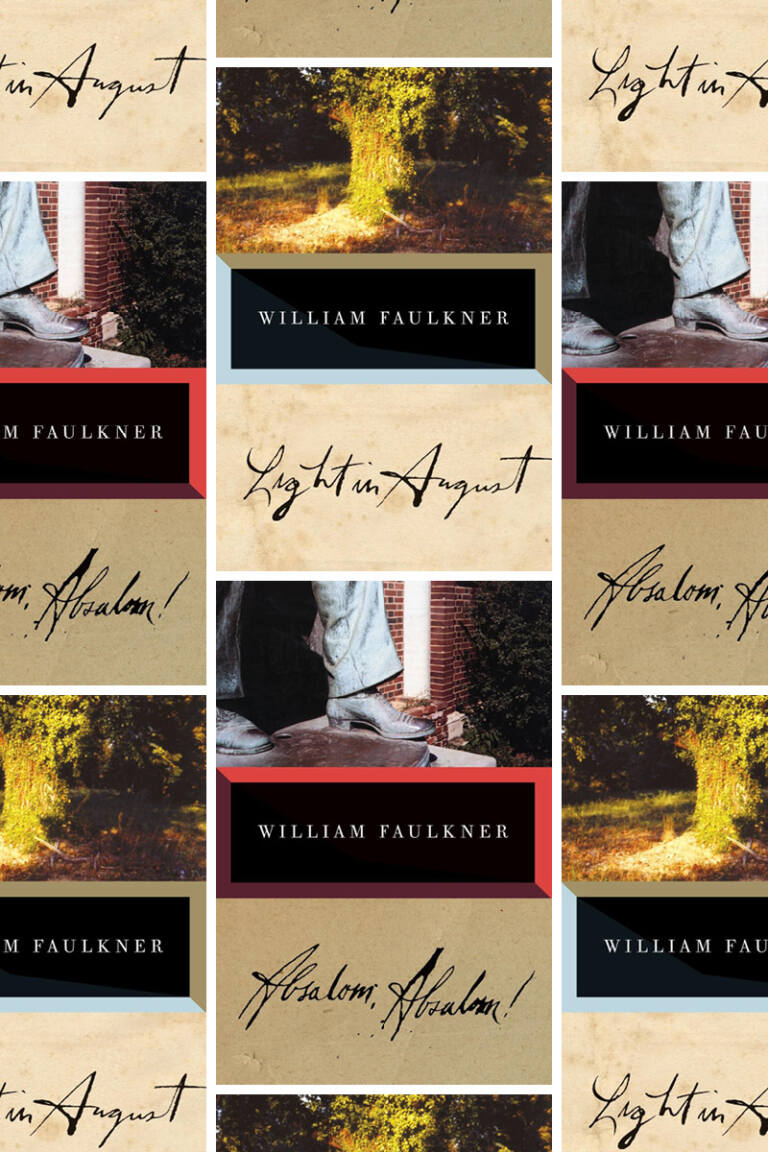
What the South Knew: Faulkner in the Trump Era with Linda Chavers
4 Sessions Saturdays, 11:00 am EDT - 12:30 pm EDT July 11 to August 22, 2026
-
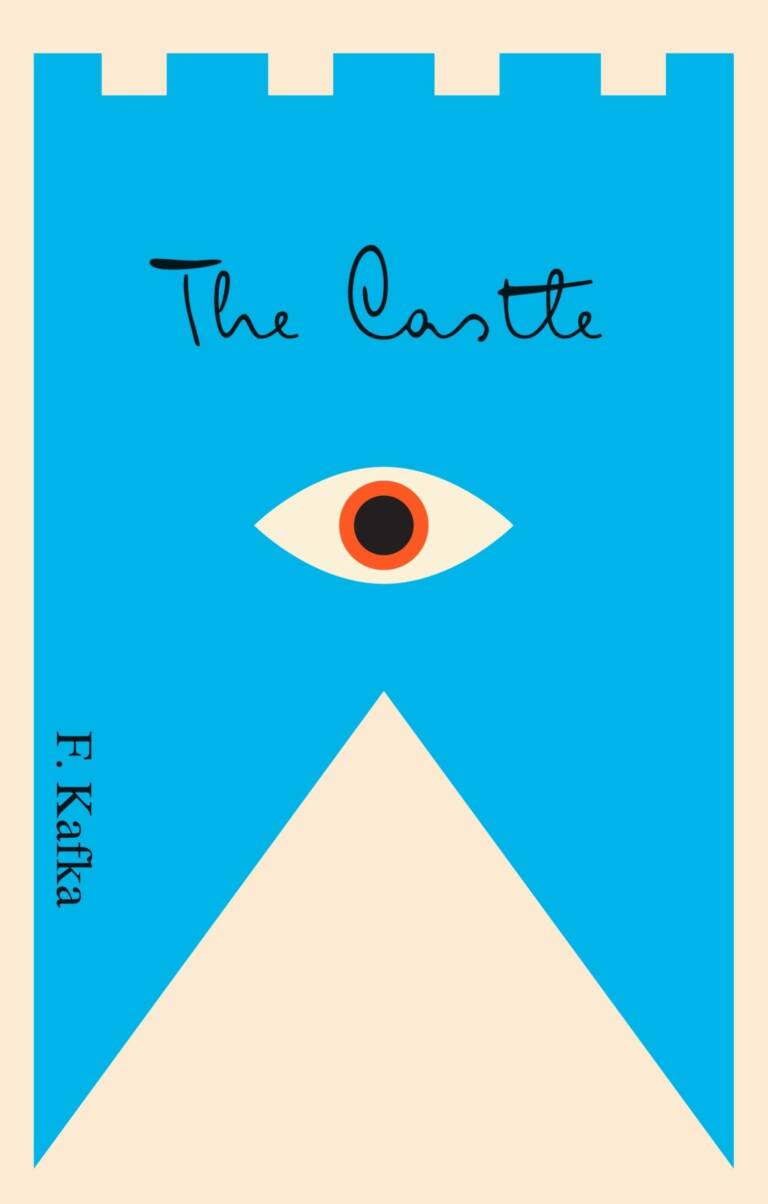
Franz Kafka’s The Castle with Martha Cooley
4 Sessions Sundays, 11:00 am EDT - 12:30 pm EDT July 12 to August 23, 2026
-
Crushes: The Art of the Swoon with Erica Peplin
Once a week Sundays, 6:00 pm EDT - 8:00 pm EDT July 12 to August 16, 2026
-

Crafting Novels on Notecards: Techniques from Nabokov with Jeff Boyd
Once a week Mondays, 6:00 pm EDT - 8:00 pm EDT July 13 to August 17, 2026
-

Writing the Story Only You Can Tell with Vanessa Walters
Once a week Mondays, 7:00 pm EDT - 9:00 pm EDT July 13 to August 3, 2026
-
In Short: Shirley Jackson’s "The Summer People” with Lesley Finn
Tuesday, 6:30 pm EDT - 8:00 pm EDT July 14, 2026
-
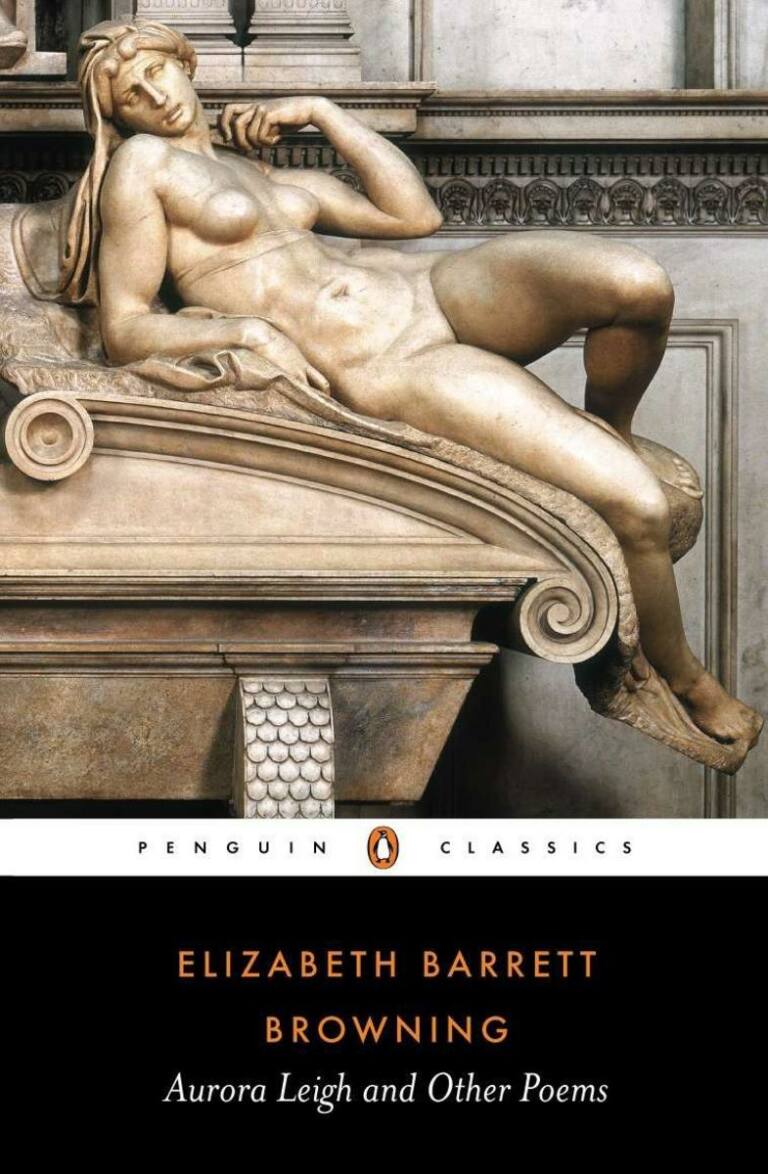
Elizabeth Barrett Browning's Aurora Leigh with Joanna Biggs
Once a week Thursdays, 6:30 pm EDT - 8:00 pm EDT July 16 to August 6, 2026
-
In Short: William Faulkner's "Mistral" with Carl Rollyson
Thursday, 7:00 pm EDT - 8:30 pm EDT July 16, 2026
-
The Art of Emotion in Fiction with Alec Niedenthal
Once a week Thursdays, 6:00 pm EDT - 8:00 pm EDT July 16 to August 13, 2026
-

The Art of the Verb: Transform Your Writing with Fire and Elegance with Sarah L. Kaufman
Saturday, 11:00 am EDT - 12:30 pm EDT July 18, 2026