
$395
8 Sessions
Out of stock

Once a week Thursdays, 7:00 pm EDT - 9:00 pm EDT October 17 to December 19, 2024

Online via Zoom
The ultimate goal of writing stories with violence should be depicting the reality at the heart of such acts, rather than sensationalizing brutality. In this course, you’ll explore how the best storytellers tell complex stories with violence rather than portray exploitative narratives.
We will read works by David Carr, Marcela Turati, Truman Capote, Emmanuel Carrère, Óscar Martínez, and other masters in this genre to better understand the challenges of telling stories about homicide in particular. Part of our challenge is setting the right tone and understanding the differences between the intimate lives of the protagonists and the social interest of a homicide. Although simplicity is the opposite of sensationalism, we’ll learn how to maintain the complexity of such stories by including as many voices and relevant documents as possible. We’ll investigate, explore, learn, and convince.
Course Outline:
- Week 1: To paraphrase Michel Foucault, the problem of true crime stories is that crime has a certain economic-political utility in the societies we know: The more crimes there are, the more fear the population will have, and the more fear in the population, the more acceptable and desirable police control system becomes. True crime might feed control, surveillance, fear, and sensationalism—so when are these stories worth telling? How to fight it? How to fight the system from within? To what extent can we fight it?
- Week 2: To calibrate your point of view as a true crime writer, we’ll ask questions such as: How do we recognize complex stories in the chaos of reality and make the most of them—and what stories are worth telling in the first place?
- Week 3: We’ll approach the big challenge of understanding ambiguity—that the “Good Guys” are not always completely good and the “Bad Guys” are not completely bad
- Week 4: Writing crime scenes: portraying experiences of violence through details and moments
- Week 5: The narrative work of finding something new and understanding it. How to find the right tone for your true crime story?
- Week 6: Learning how to research your story through interviews and archives
- Week 7: True crime as an opportunity to examine numerous topics
- Week 8: Revision and editing of a story about a crime
This course is held online via Zoom. There are no meetings on October 31st and November 28th.

Led by
-

Javier Sinay
Javier Sinay
Javier Sinay is a writer and journalist. His books include Camino al Este, Cuba Stone (in collaboration), Los crimes de Moisés Ville (published by Restless Books as The Murders of Moises Ville in 2022), and Sangre joven, which won the Premio Rodolfo Walsh at Semana Negra in Gijón, Spain. In 2015 he won the Premio de la Fundación Gabo for his story “Fast. Furious. Dead” published in Rolling Stone. His work has appeared in the newspapers La Nación and Clarín, in Buenos Aires. He was also a South America correspondent for El Universal (Mexico) and the deputy editor of Rolling Stone (Argentina). He has contributed with Gatopardo (Mexico), Etiqueta Negra (Peru), Letras Libres (Mexico) and Reportagen (Switzerland). He lives in Buenos Aires.

About this series
Writing Workshops
We strive to make our classes the most inviting and rewarding available, offering an intimate environment to study with award-winning, world-class writers. Each class is specially designed by the instructor, so whether you’re a fledgling writer or an MFA graduate polishing your novel, you’ll find a perfect fit here.
-

Getting Unstuck: A Weekend Intensive with Ramona Ausubel
Sunday, 12:00 pm EDT - 1:30 pm EDT June 7, 2026
-

The Nightlighters
Monday, 6:00 pm EDT - 7:30 pm EDT June 8, 2026
-

Channel Your Intuition: A One-Day Creative Nonfiction Intensive with Emily Rapp Black
Saturday, 12:00 pm EDT - 1:30 pm EDT June 13, 2026
-
The Literarians
Wednesday, 12:30 pm EDT - 1:30 pm EDT June 17, 2026
-
In Short: Hans Christian Andersen's “The Little Mermaid” with Amanda Hollander
Thursday, 6:30 pm EDT - 8:00 pm EDT June 18, 2026
-

300 Words a Day: Crush Writer’s Block and Build a Habit with Pablo Ottonello
Once a week Mondays, 7:00 pm EDT - 9:00 pm EDT June 22 to July 27, 2026
-

Memoir 101 with Rax King
Once a week Wednesdays, 6:00 pm EDT - 8:00 pm EDT June 24 to July 15, 2026
-
Advanced Short Story Workshop with Amy Silverberg
Once a week Thursdays, 7:00 pm EDT - 9:00 pm EDT June 25 to August 13, 2026
-

In Short: Ben Lerner's "The Hofmann Wobble" with Matilda Lin Berke
Tuesday, 6:30 pm EDT - 8:00 pm EDT July 7, 2026
-

Opening Movements: How Great Stories Begin with Doug Jones
Once a week Tuesdays, 7:00 pm EDT - 9:00 pm EDT July 7 to August 11, 2026
-
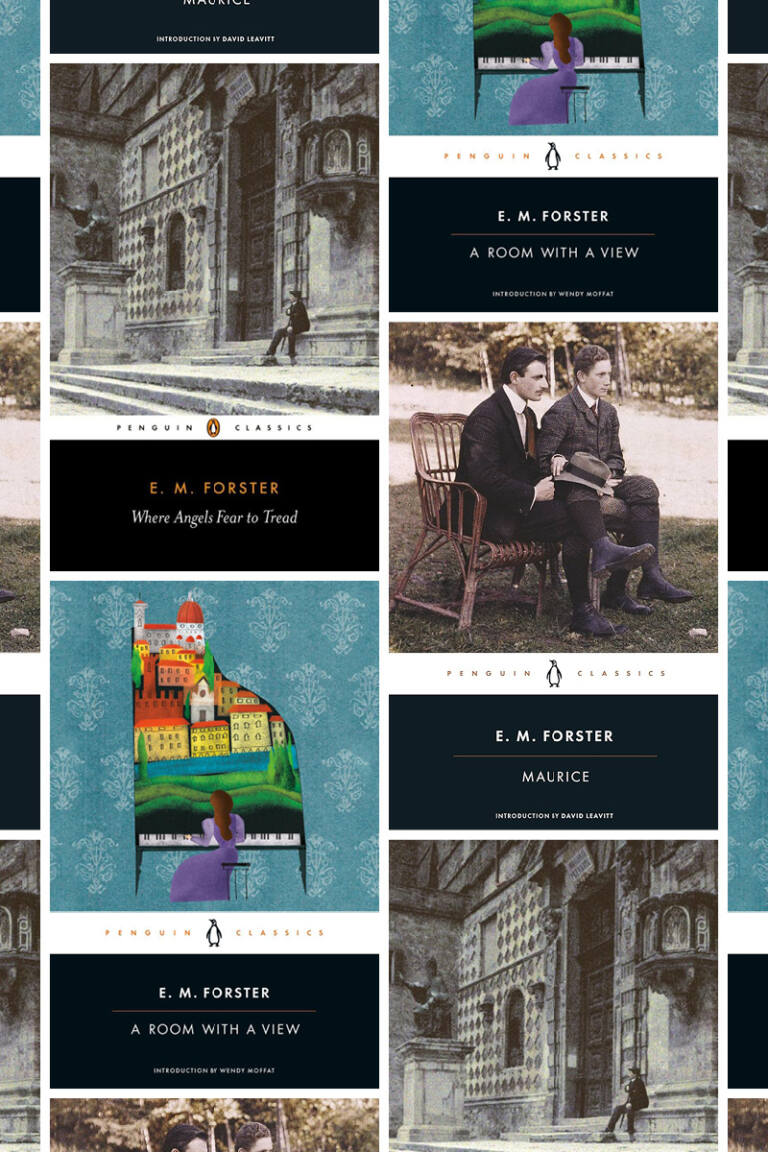
E. M. Forster’s Summer of Love with Pam Newton
3 Sessions Wednesdays, 6:30 pm EDT - 8:00 pm EDT July 8 to August 26, 2026
-
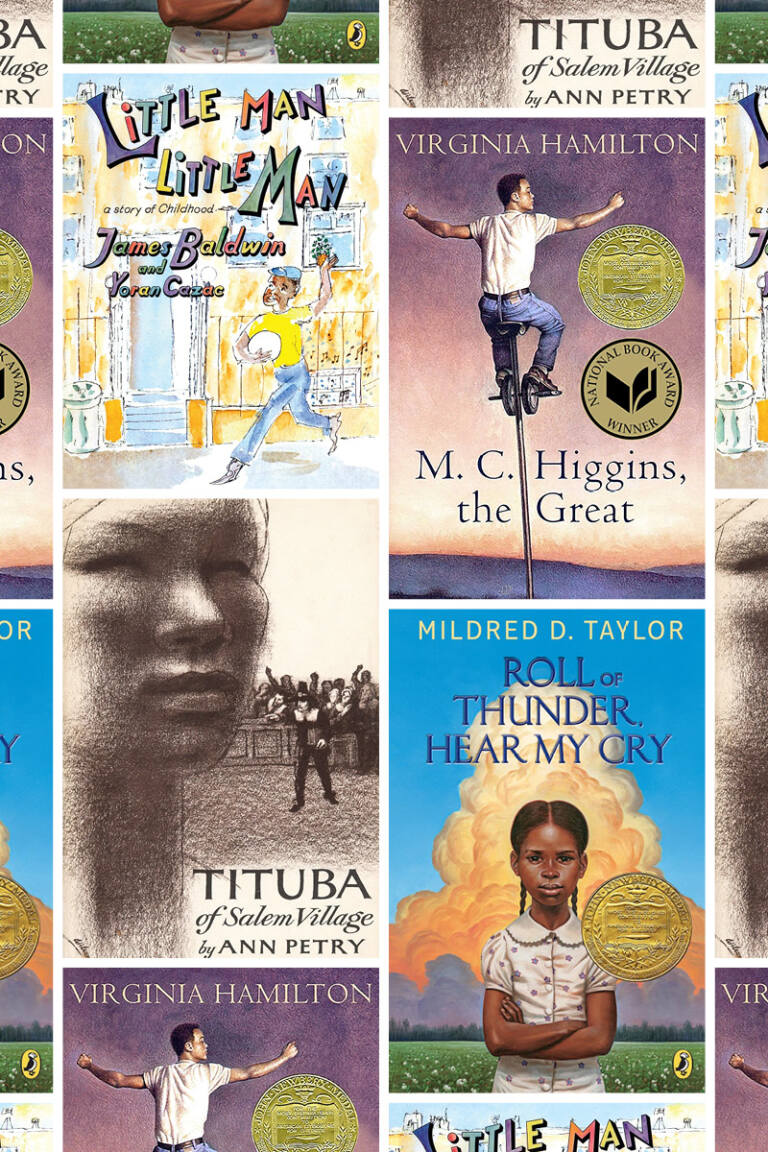
Reading Classic Black Children’s Novels with Gale Greenlee
4 Sessions Wednesdays, 6:00 pm EDT - 7:30 pm EDT July 8 to September 9, 2026
-

Octavia E. Butler's Xenogenesis Trilogy with Alaya Dawn Johnson
3 Sessions Saturdays, 1:00 pm EDT - 2:30 pm EDT July 11 to August 22, 2026
-
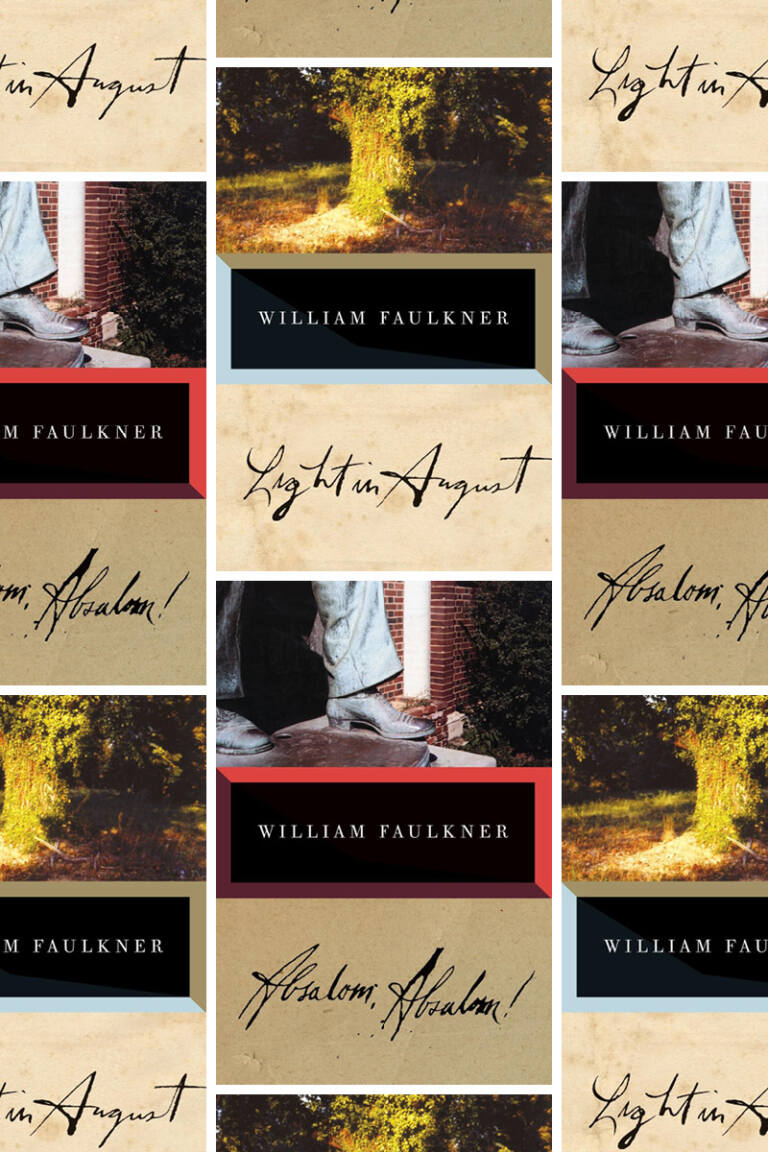
What the South Knew: Faulkner in the Trump Era with Linda Chavers
4 Sessions Saturdays, 11:00 am EDT - 12:30 pm EDT July 11 to August 22, 2026
-
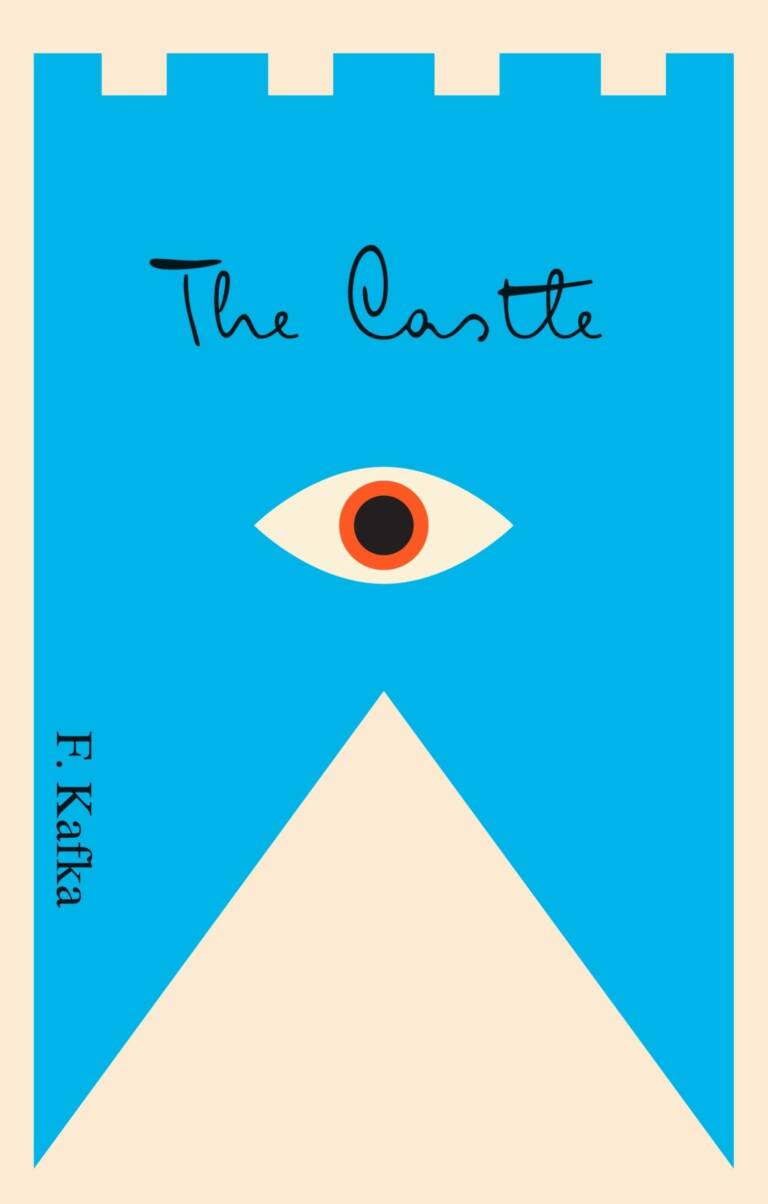
Franz Kafka’s The Castle with Martha Cooley
4 Sessions Sundays, 11:00 am EDT - 12:30 pm EDT July 12 to August 23, 2026
-

Crushes: The Art of the Swoon with Erica Peplin
Once a week Sundays, 6:00 pm EDT - 8:00 pm EDT July 12 to August 16, 2026
-

Crafting Novels on Notecards: Techniques from Nabokov with Jeff Boyd
Once a week Mondays, 6:00 pm EDT - 8:00 pm EDT July 13 to August 17, 2026
-

Writing the Story Only You Can Tell with Vanessa Walters
Once a week Mondays, 7:00 pm EDT - 9:00 pm EDT July 13 to August 3, 2026
-

In Short: Shirley Jackson’s "The Summer People” with Lesley Finn
Tuesday, 6:30 pm EDT - 8:00 pm EDT July 14, 2026
-
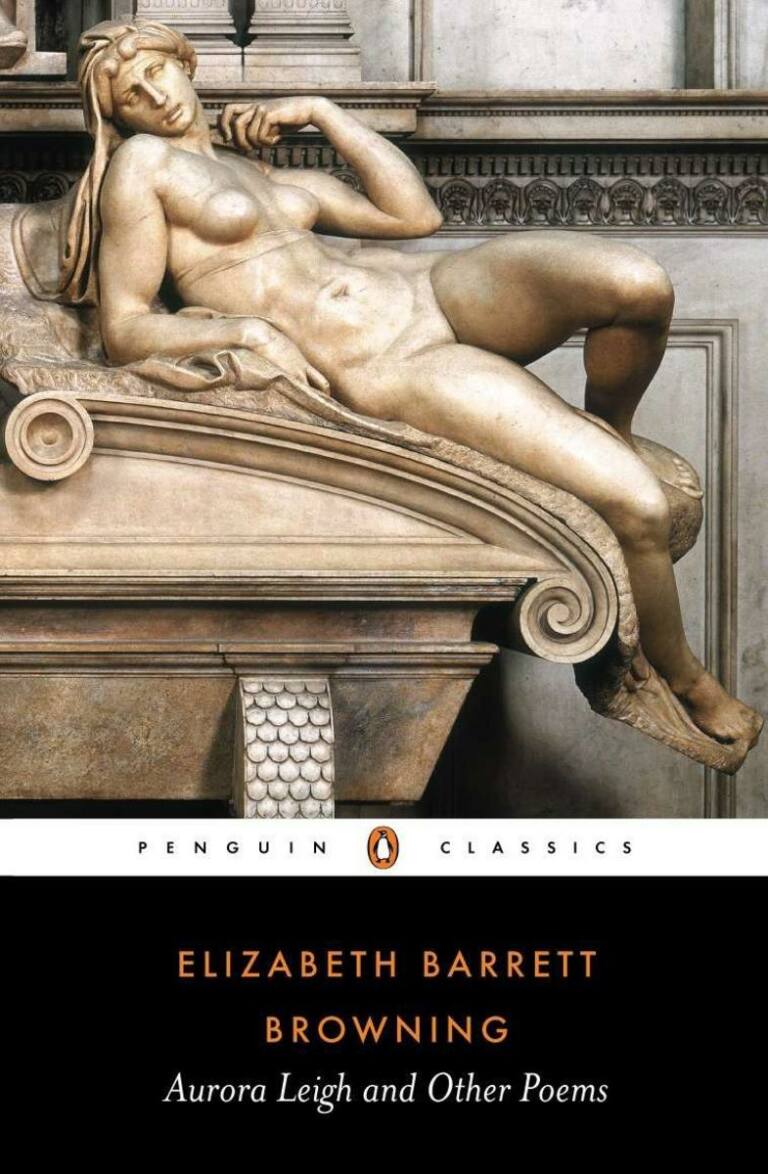
Elizabeth Barrett Browning's Aurora Leigh with Joanna Biggs
Once a week Thursdays, 6:30 pm EDT - 8:00 pm EDT July 16 to August 6, 2026