
$345
4 Sessions
Out of stock

Once a week Wednesdays, 7:00 pm EDT - 9:00 pm EDT March 4 to March 25, 2026

Online via Zoom
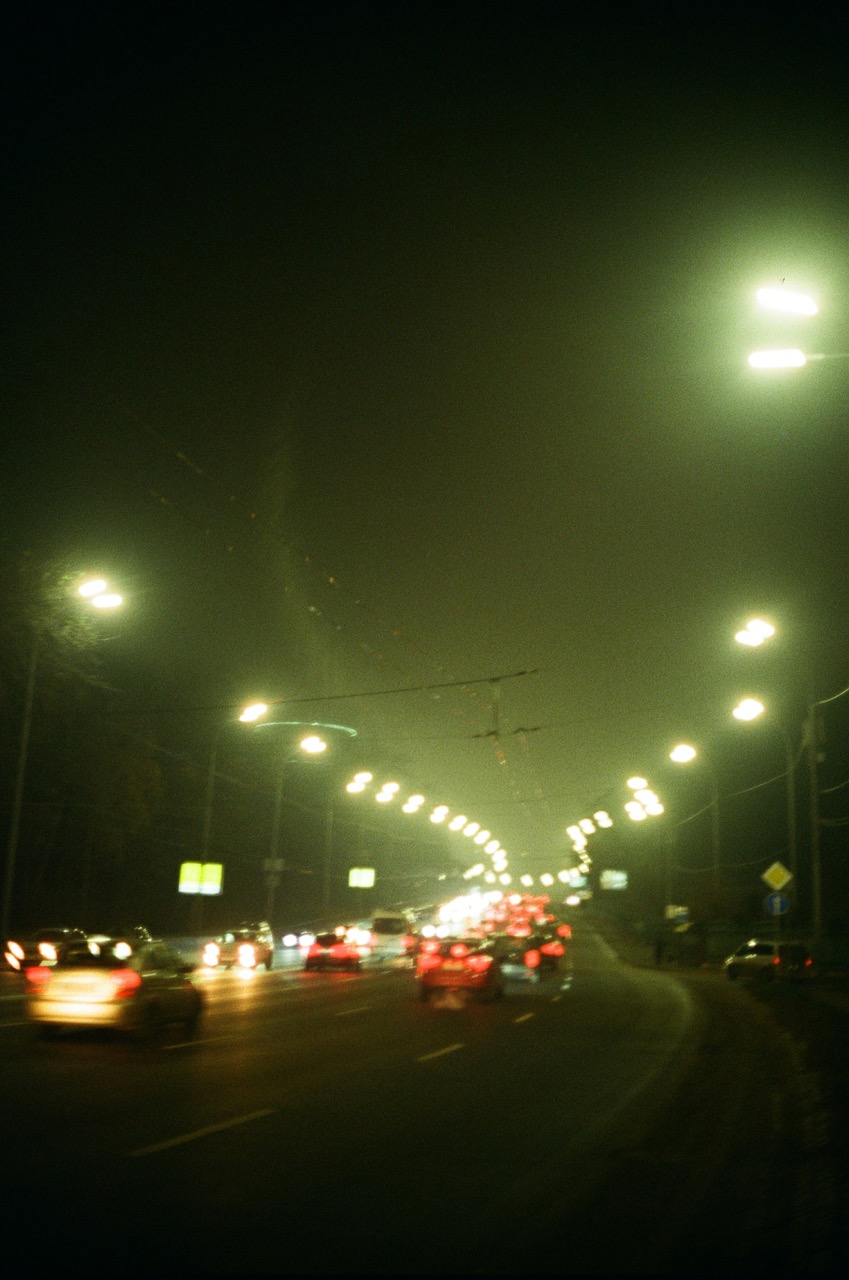
Writing the City is a four-session generative writing workshop that explores how cities—both real and imagined—shape our sense of self and narrative. Drawing from philosophy, urban theory, and literature, the workshop invites participants to rethink what it means to inhabit and describe an urban space. Through guided readings and exercises, we’ll consider how writers have turned the city into a stage for memory, conflict, and imagination.
Each session focuses on a different mode of engaging with the city: Attention, Imagination, Research, and Character. We begin by cultivating attention through dérives and other strategies for noticing what usually goes unseen in the urban landscape. From there, we’ll use imagination to construct and distort cities—real, fictional, utopian, or dystopian—and examine how narrative turns spatial experience into temporal movement. Research will deepen this engagement, as we explore archives, neighborhoods, and conversations to uncover the stories embedded in local geographies. Finally, we’ll approach the city through character, tracing how individual voices and lives reflect and reshape their surroundings.
Designed for writers of fiction, essays, and hybrid forms, Writing the City offers a framework for thinking about urban life as a narrative field. Participants will leave each session with new writing inspired by observation, investigation, and readings—texts that translate the complexity of the city into story. By the end of the workshop, the city will no longer be merely a backdrop but an active presence, a living text waiting to be read and rewritten.
Course Outline:
- Session 1 — Attention: Learning to perceive the city anew. We begin by tuning our attention to the rhythms, silences, and overlooked details that make up urban life. Drawing on writers and thinkers such as Guy Debord, Rebecca Solnit, and Walter Benjamin, we’ll consider how perception shapes narrative. Participants will take part in a guided dérive—a walking drift through the city—to collect impressions, sounds, and fragments that will later form the seed of a story. Outcome: A short observational text or notebook entry that translates space into narrative presence.
- Session 2 — Imagination: Transforming perception into invention. This session explores how imagination allows writers to alter, distort, or reconfigure the cities they know. Through readings from Italo Calvino, Teju Cole, and Elizabeth Hardwick, we’ll examine how the urban landscape can be fictionalized, turned inside out, or projected into the future. Participants will map or design a fictional city and write a scene that captures its atmosphere through a character’s movement or perspective. Outcome: A short piece set in an imagined or reimagined city, blending reality and invention.
- Session 3 — Research: The city as archive and fieldwork. We’ll discuss research as a creative practice—using historical materials, interviews, and interviews to uncover stories hidden in the city’s layers. Inspired by Latin American crónicas and essays by Joan Didion and Valeria Luiselli, participants will choose a neighborhood, street, or type of local business to investigate, gathering notes, voices, and textures. Outcome: A draft of a short nonfiction or hybrid text rooted in place-based research.
- Session 4 — Character: The individual as a mirror of the city. The final session centers on people who embody the contradictions and the spirit of the urban environment. We’ll discuss how character can stand for the collective, the neighborhood, or a moment in the city’s evolution. Drawing from interviews and in dialogue with photography, participants will write a portrait or story that fuses character and setting into a single, dynamic image. Outcome: A complete profile or vignette in which the city and its inhabitants are inseparable.
Teaching Style: In this workshop, we’ll move between close observation, imaginative experiment, and research-based writing to uncover the narratives hidden in urban life. My teaching style is conversational and generative. I offer prompts, readings, and feedback that invite discovery rather than prescription. By the end, participants will leave with new writing grounded in place, sharper attention to their surroundings, and a renewed sense of how the city can speak through story.
Level: Introductory
This course is held online via Zoom.
Led by
-

Daniel Saldaña París
Daniel Saldaña París
Daniel Saldaña París is the author of four novels—Among Strange Victims, Ramifications, The Dance and the Fire, and My Father’s Names—and a collection of personal essays, Planes Flying Over a Monster. He has received fellowships and residencies from the Banff Centre, the Latin American Art Museum of Buenos Aires, Art Omi, MacDowell, and the Jan Michalski Foundation. He was also awarded the Eccles Centre & Hay Festival Writers Award in the UK and was a finalist for the Herralde Prize. In 2022, he was a Fellow at the Cullman Center for Scholars and Writers at the New York Public Library, and he is currently a Fellow at the Borchard Foundation.
Photo Credit: Fondation Jan Michalski, Tonatiuh Ambrosetti

About this series
Writing Workshops
We strive to make our classes the most inviting and rewarding available, offering an intimate environment to study with award-winning, world-class writers. Each class is specially designed by the instructor, so whether you’re a fledgling writer or an MFA graduate polishing your novel, you’ll find a perfect fit here.
-

Getting Unstuck: A Weekend Intensive with Ramona Ausubel
Sunday, 12:00 pm EDT - 1:30 pm EDT June 7, 2026
-
The Nightlighters
Monday, 6:00 pm EDT - 7:30 pm EDT June 8, 2026
-
Channel Your Intuition: A One-Day Creative Nonfiction Intensive with Emily Rapp Black
Saturday, 12:00 pm EDT - 1:30 pm EDT June 13, 2026
-
The Literarians
Wednesday, 12:30 pm EDT - 1:30 pm EDT June 17, 2026
-
In Short: Hans Christian Andersen's “The Little Mermaid” with Amanda Hollander
Thursday, 6:30 pm EDT - 8:00 pm EDT June 18, 2026
-

300 Words a Day: Crush Writer’s Block and Build a Habit with Pablo Ottonello
Once a week Mondays, 7:00 pm EDT - 9:00 pm EDT June 22 to July 27, 2026
-
Memoir 101 with Rax King
Once a week Wednesdays, 6:00 pm EDT - 8:00 pm EDT June 24 to July 15, 2026
-
Advanced Short Story Workshop with Amy Silverberg
Once a week Thursdays, 7:00 pm EDT - 9:00 pm EDT June 25 to August 13, 2026
-

In Short: Ben Lerner's "The Hofmann Wobble" with Matilda Lin Berke
Tuesday, 6:30 pm EDT - 8:00 pm EDT July 7, 2026
-

Opening Movements: How Great Stories Begin with Doug Jones
Once a week Tuesdays, 7:00 pm EDT - 9:00 pm EDT July 7 to August 11, 2026
-
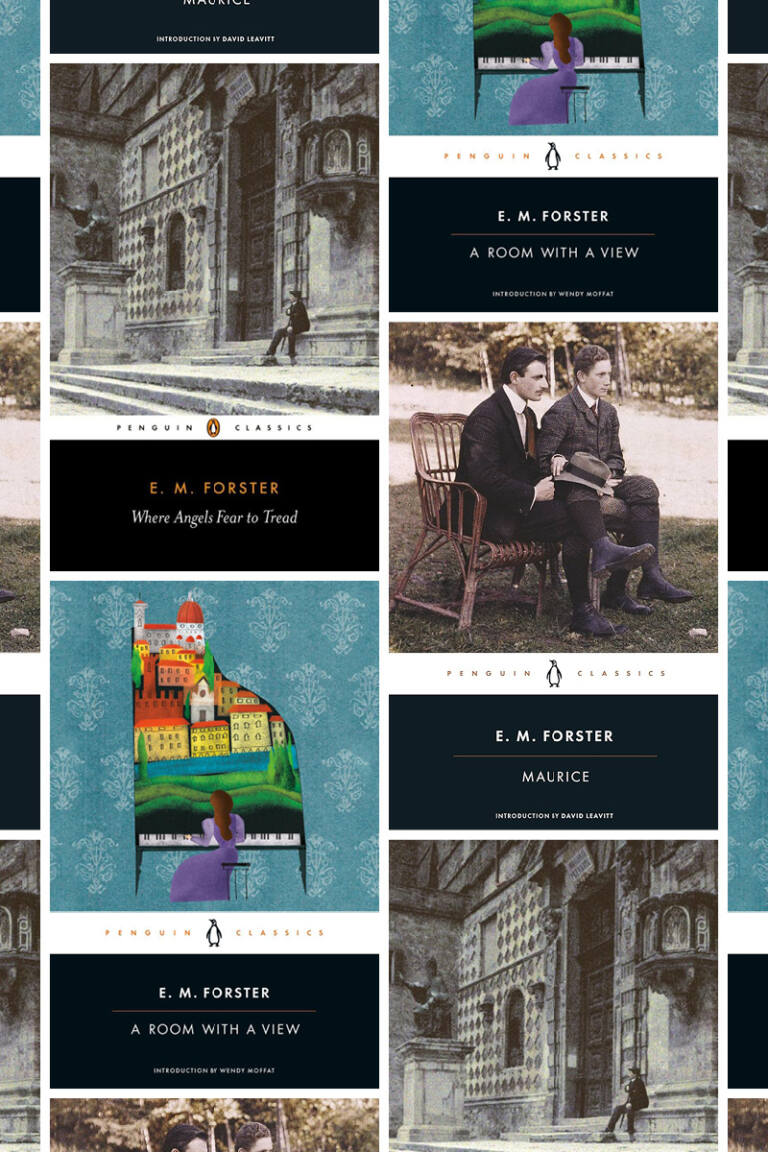
E. M. Forster’s Summer of Love with Pam Newton
3 Sessions Wednesdays, 6:30 pm EDT - 8:00 pm EDT July 8 to August 26, 2026
-
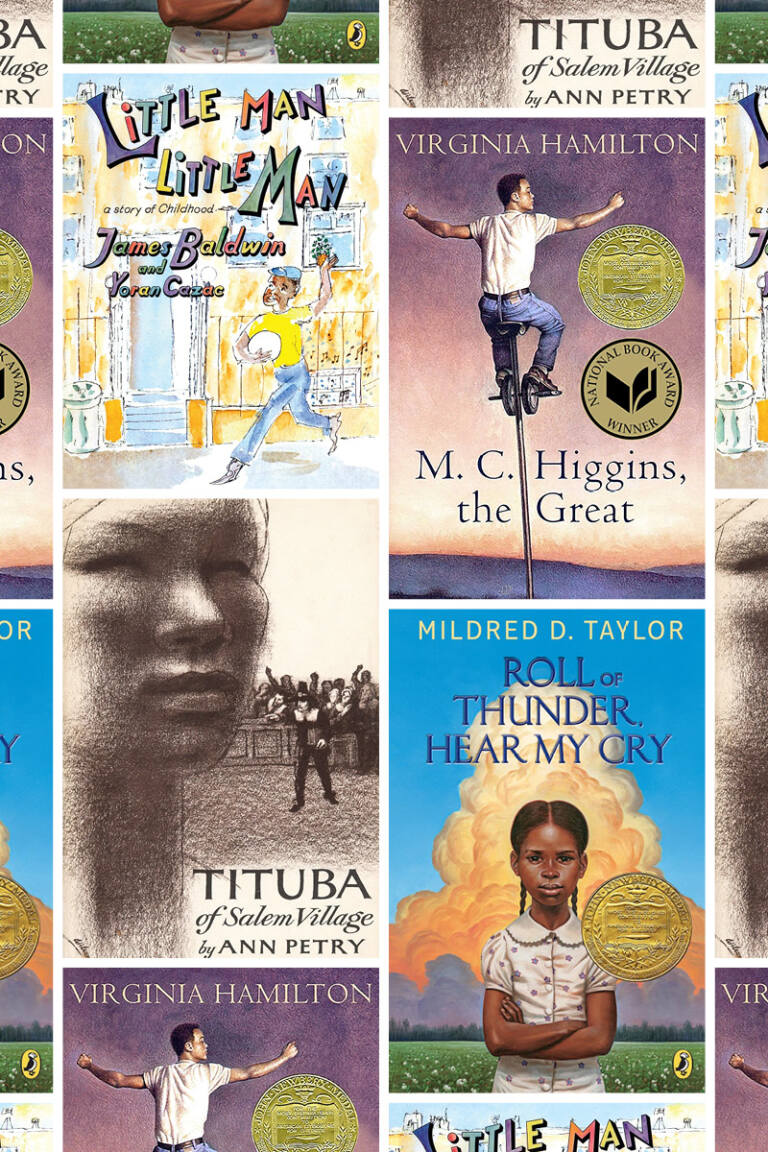
Reading Classic Black Children’s Novels with Gale Greenlee
4 Sessions Wednesdays, 6:00 pm EDT - 7:30 pm EDT July 8 to September 9, 2026
-
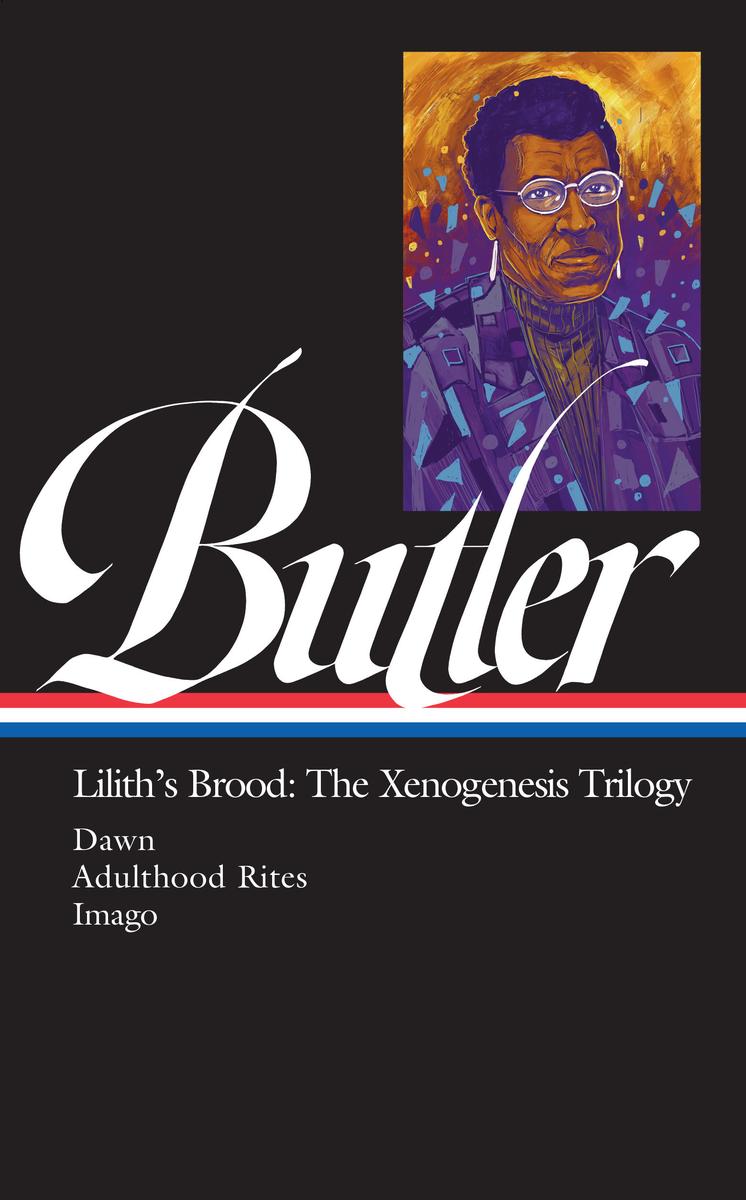
Octavia E. Butler's Xenogenesis Trilogy with Alaya Dawn Johnson
3 Sessions Saturdays, 1:00 pm EDT - 2:30 pm EDT July 11 to August 22, 2026
-
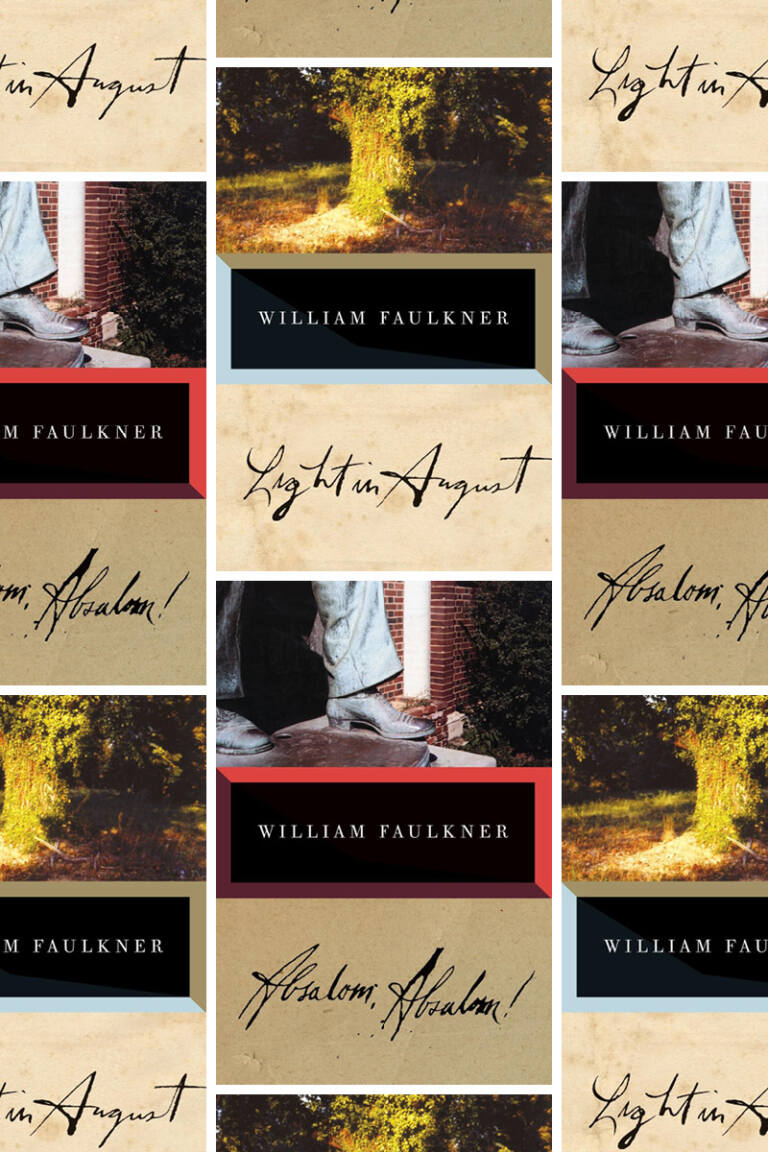
What the South Knew: Faulkner in the Trump Era with Linda Chavers
4 Sessions Saturdays, 11:00 am EDT - 12:30 pm EDT July 11 to August 22, 2026
-
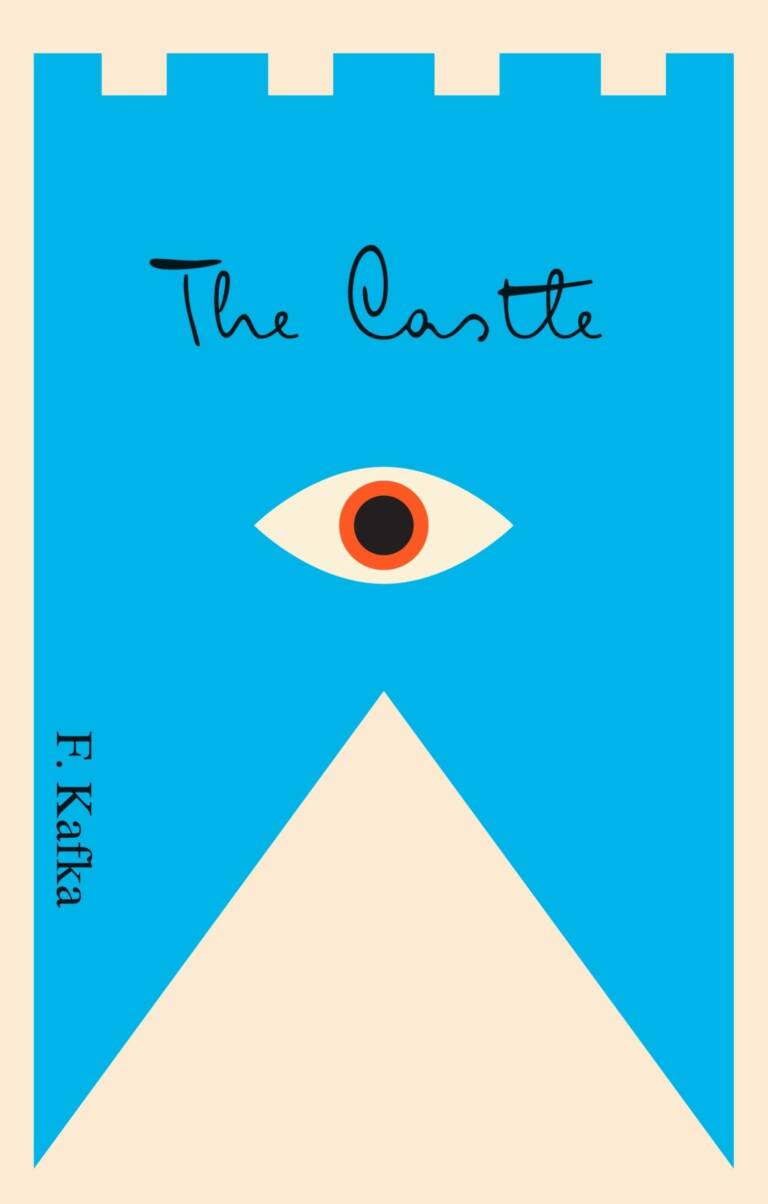
Franz Kafka’s The Castle with Martha Cooley
4 Sessions Sundays, 11:00 am EDT - 12:30 pm EDT July 12 to August 23, 2026
-
Crushes: The Art of the Swoon with Erica Peplin
Once a week Sundays, 6:00 pm EDT - 8:00 pm EDT July 12 to August 16, 2026
-

Crafting Novels on Notecards: Techniques from Nabokov with Jeff Boyd
Once a week Mondays, 6:00 pm EDT - 8:00 pm EDT July 13 to August 17, 2026
-
Writing the Story Only You Can Tell with Vanessa Walters
Once a week Mondays, 7:00 pm EDT - 9:00 pm EDT July 13 to August 3, 2026
-
In Short: Shirley Jackson’s "The Summer People” with Lesley Finn
Tuesday, 6:30 pm EDT - 8:00 pm EDT July 14, 2026
-
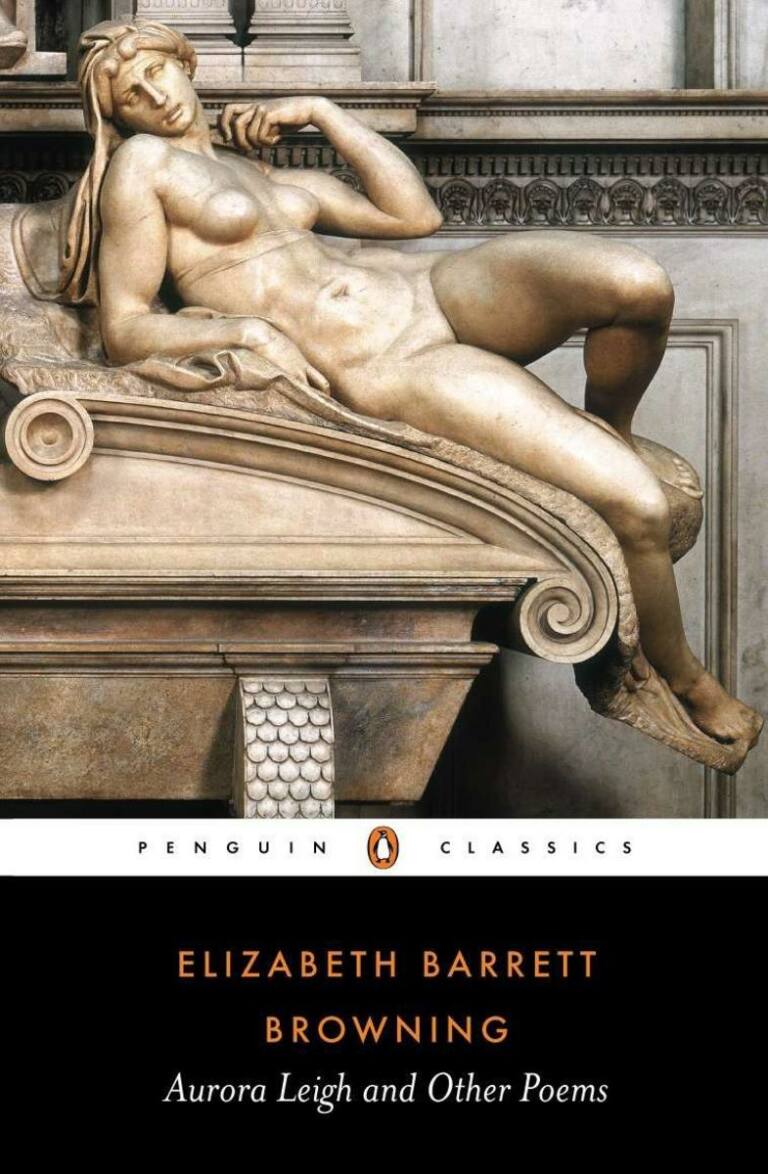
Elizabeth Barrett Browning's Aurora Leigh with Joanna Biggs
Once a week Thursdays, 6:30 pm EDT - 8:00 pm EDT July 16 to August 6, 2026