
$545
8 Sessions
Out of stock

Once a week Tuesdays, 6:00 pm EDT - 8:00 pm EDT January 13 to March 10, 2026

The Center for Fiction
This writing workshop is now sold out. Please email [email protected] to join the waitlist—and become a member for early access to future programming.
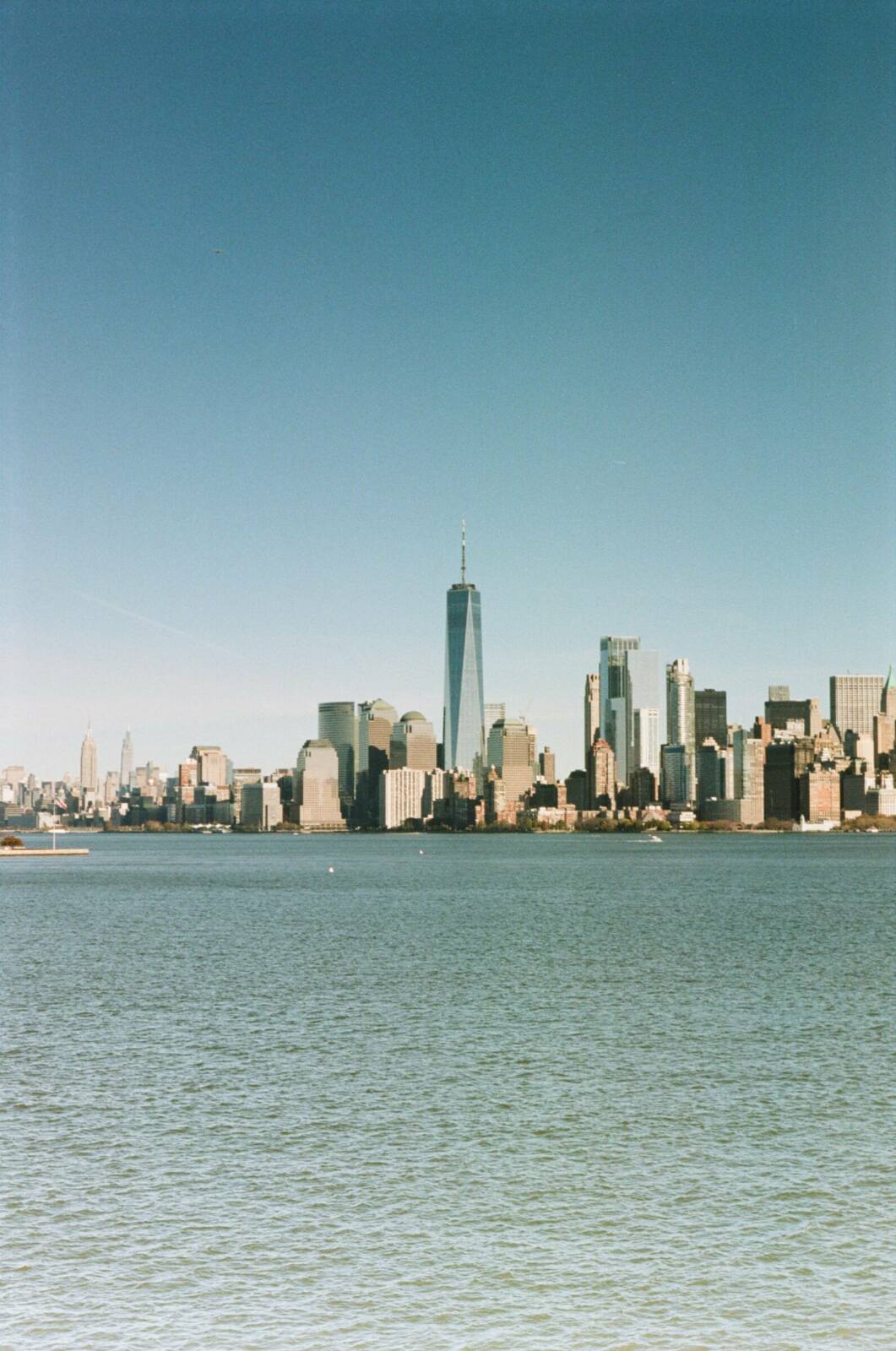
This generative writing course will examine the New York novel as a tradition, from the early 20th century to today. What craft choices, thematic concerns, and character archetypes help to develop a sense of place and the particular place—its rhythms and textures—that is New York City? And a century after Edith Wharton, F. Scott Fitzgerald, and Nella Larsen, why are young novelists still trying to capture this city on the page?
Whether working on short stories or novels-in-progress, students will examine the craft and process of writers like James Baldwin, Nella Larson, F. Scott Fitzgerald, Jay McInerney, Teju Cole, and Raven Leilani, and workshop one another’s work, probing its aims and how to better achieve them.
We will also make use of The Center for Fiction’s location in Downtown Brooklyn to do writing exercises in the neighborhood that will enhance students’ skills of observation. Finally, to prioritize a practical approach, we’ll devote some time to discussing the mechanics of the publishing industry and what to do once you’ve polished off that first draft.
Course Outline:
- Session I: We’ll discuss and debate what makes a work a “New York text” beyond sheer location by looking at an iconic work in the genre, “Here is New York” by E.B. White.
- Session II – Jazz, Race, Sex, and the Self: Literature of the Harlem Renaissance: Considering an excerpt from Nella Larsen’s Passing, we’ll discuss New York City as a site of self-invention.
- Session III – City Rhythms: Focusing on sentence-level craft, we’ll look at the poetics of fiction through writers like James Baldwin, F. Scott Fitzgerald, and Raven Leilani, analyzing the rhythmic and imagistic choices they make.
- Session IV – Political Tensions in the City: We’ll look at texts from ’60s and ’70s New York, amid the movements for black, queer, and women’s liberation; consider what the most pressing political debates are in the city today; and discuss how we, as writers of fiction, tackle them.
- Session V – The City as Artistic Metropolis: Looking at excerpts from Patti Smith’s Just Kids, we’ll discuss how documenting the specificity of an era can make a text feel timeless.
- Session VI – Wealth and Disparity in New York: Looking at Reagan-era New York texts from writers like David Wojnarowicz, we’ll consider how writers have captured the tragedy (inequality, urban blight, the AIDS crisis) and ecstasy of their time periods.
- Session VII – The Party Novel: We’ll share our favorite party scenes from novels, and then look at the works of Jay McInerney and Bret Easton Ellis to see how writers have depicted the vibrant social life of New York.
- Session VIII – Autofiction in New York & What to Do Once You Finish a Manuscript: So many works in this much-discussed, much-maligned genre are set in New York. How do these texts capture the digressive quality and dynamic rhythm of a walking city? What do they teach us about the tensions between art and capital? In this closing session, we’ll also discuss what to do once you have a finished manuscript.
Level: Intermediate
This course is held in person at The Center for Fiction. Please note there will be no meeting on January 20th.
Led by
-

Rob Franklin
Rob Franklin
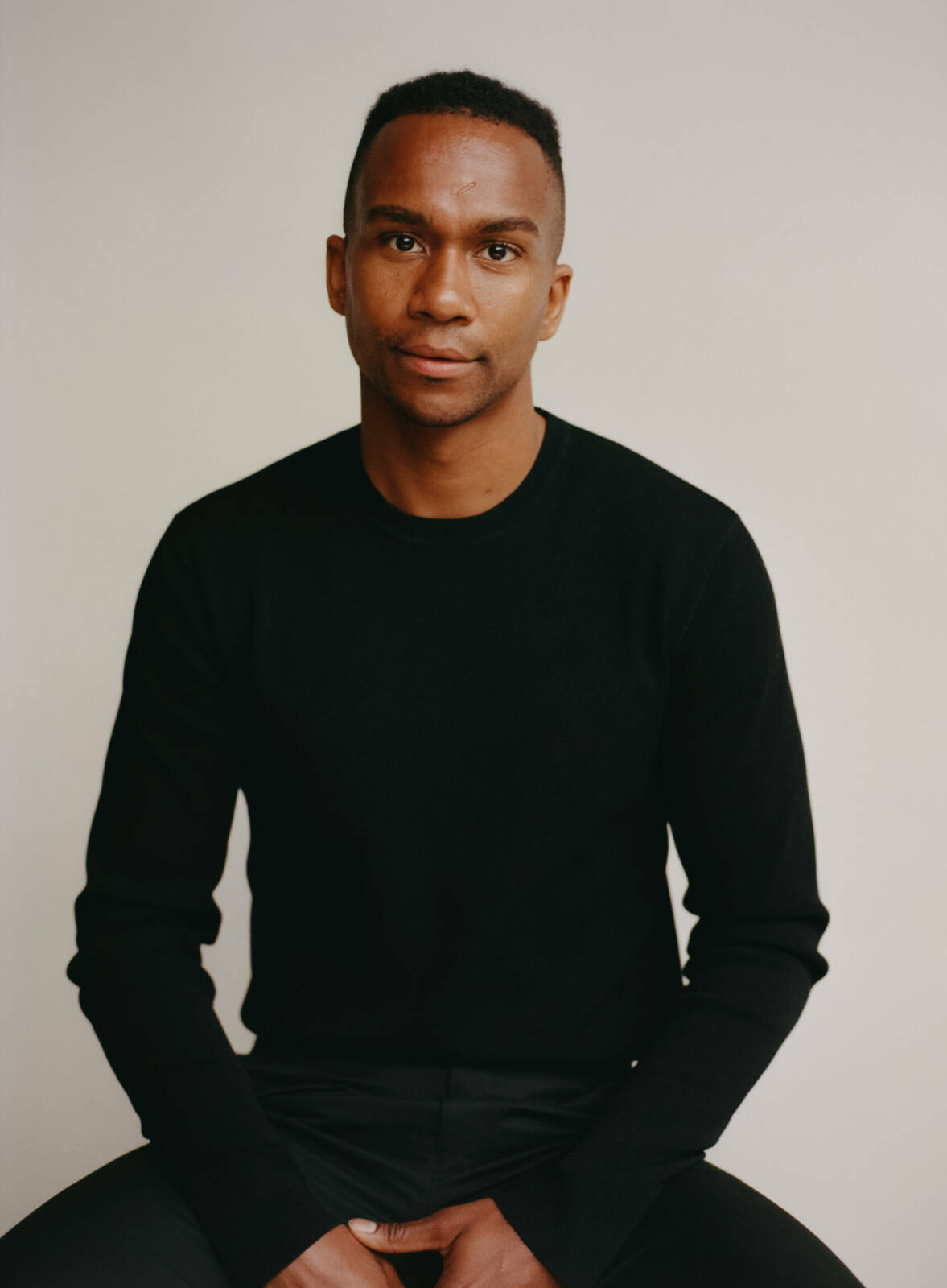
Born and raised in Atlanta, Rob Franklin is a writer of fiction, criticism, and poetry. Released in June 2025, his debut novel Great Black Hope has become a national bestseller, longlisted for The Center for Fiction 2025 First Novel Prize and the Waterstones Prize, and shortlisted for the Barnes and Noble Discover Prize. His other published work can be found in New York magazine, Cultured magazine, and Post45, among others. He lives in Brooklyn.
About this series
Writing Workshops
We strive to make our classes the most inviting and rewarding available, offering an intimate environment to study with award-winning, world-class writers. Each class is specially designed by the instructor, so whether you’re a fledgling writer or an MFA graduate polishing your novel, you’ll find a perfect fit here.
-
Memoir 101 with Rax King
Once a week Wednesdays, 6:00 pm EDT - 8:00 pm EDT June 24 to July 15, 2026
-
Advanced Short Story Workshop with Amy Silverberg
Once a week Thursdays, 7:00 pm EDT - 9:00 pm EDT June 25 to August 13, 2026
-

In Short: Ben Lerner's "The Hofmann Wobble" with Matilda Lin Berke
Tuesday, 6:30 pm EDT - 8:00 pm EDT July 7, 2026
-
Opening Movements: How Great Stories Begin with Doug Jones
Once a week Tuesdays, 7:00 pm EDT - 9:00 pm EDT July 7 to August 11, 2026
-
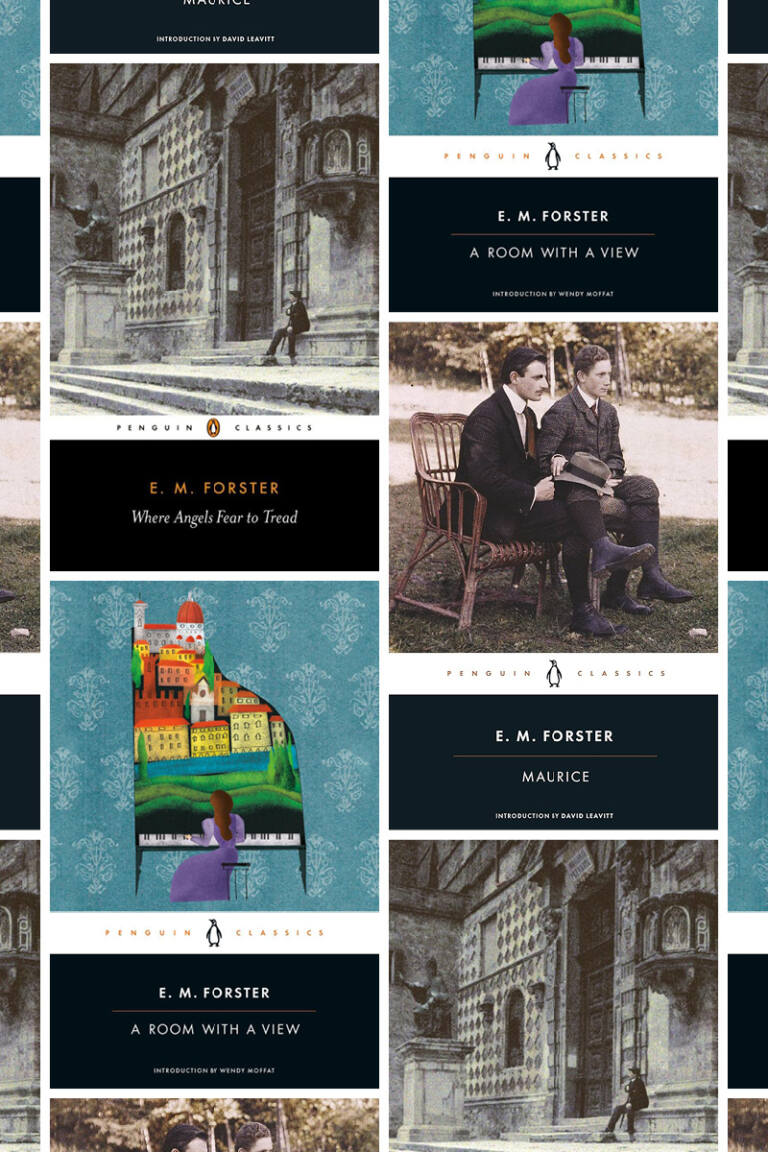
E. M. Forster’s Summer of Love with Pam Newton
3 Sessions Wednesdays, 6:30 pm EDT - 8:00 pm EDT July 8 to August 26, 2026
-
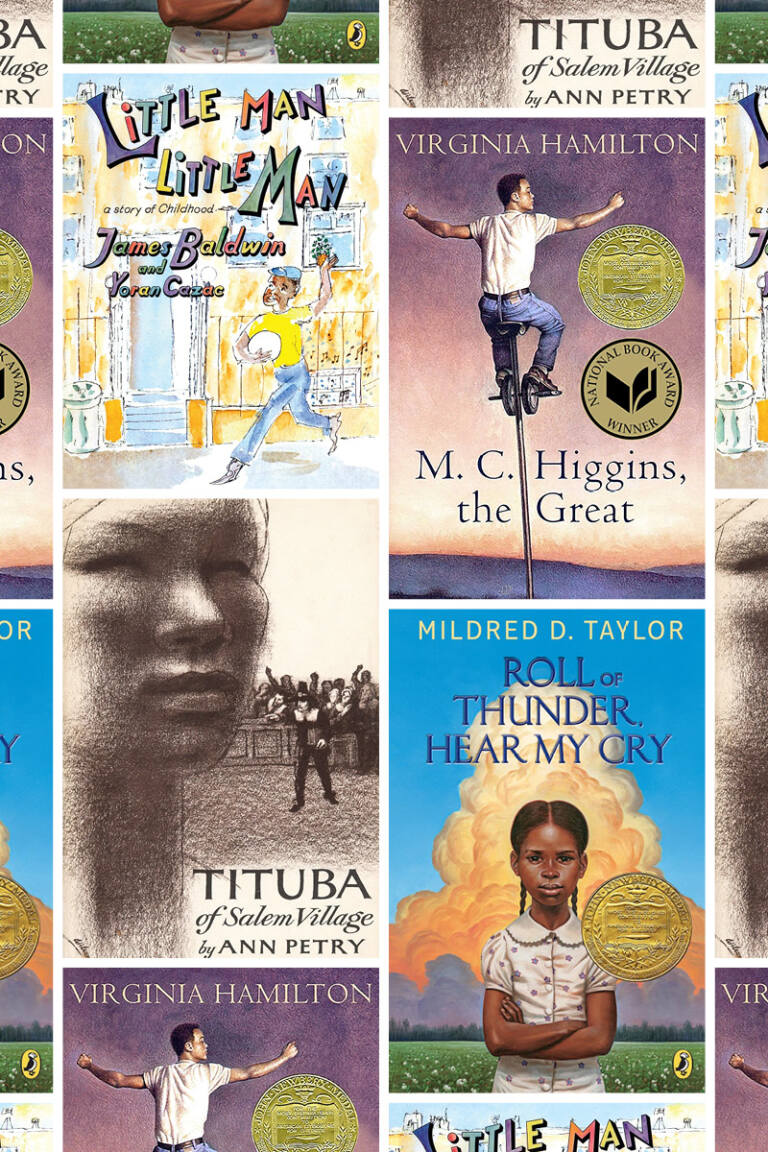
Reading Classic Black Children’s Novels with Gale Greenlee
4 Sessions Wednesdays, 6:00 pm EDT - 7:30 pm EDT July 8 to September 9, 2026
-
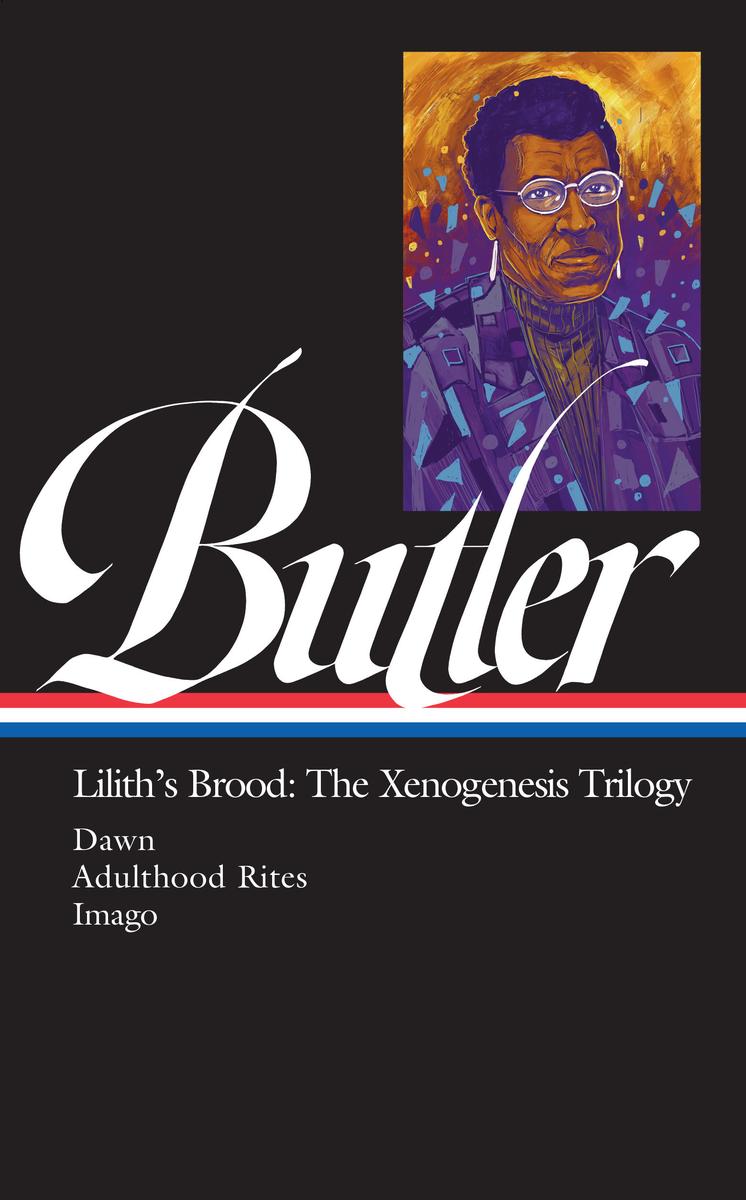
Octavia E. Butler's Xenogenesis Trilogy with Alaya Dawn Johnson
3 Sessions Saturdays, 1:00 pm EDT - 2:30 pm EDT July 11 to August 22, 2026
-
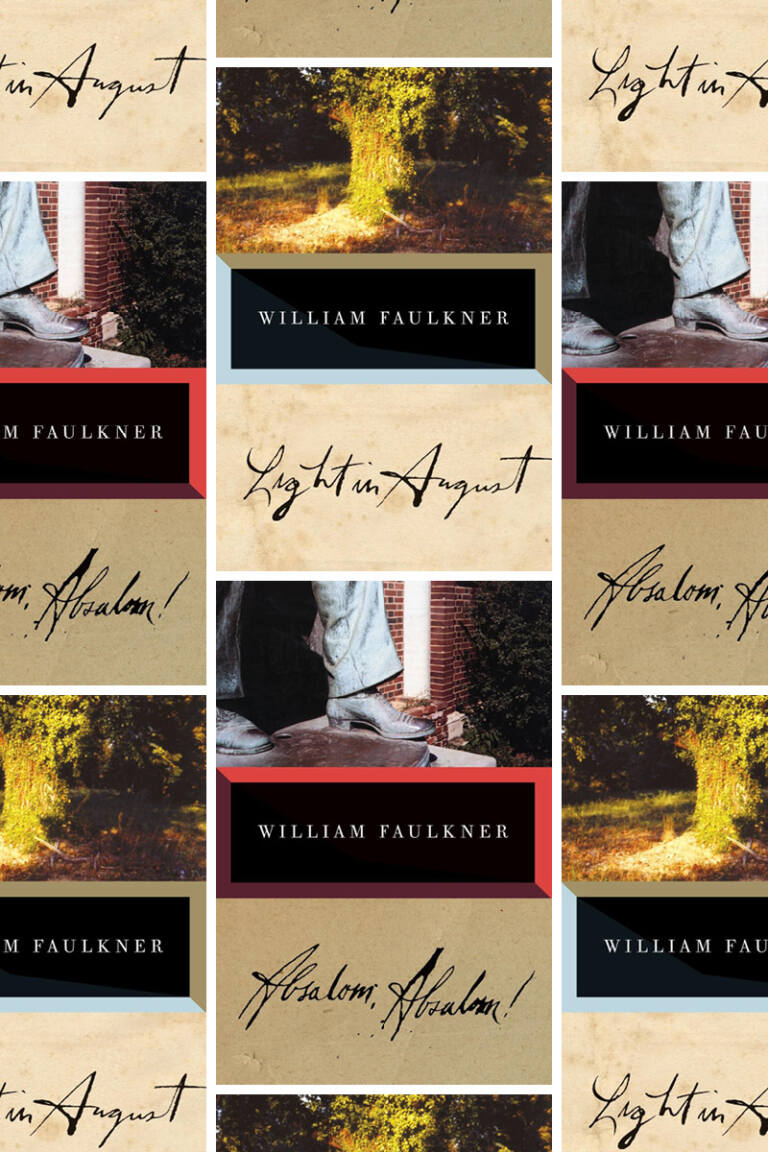
What the South Knew: Faulkner in the Trump Era with Linda Chavers
4 Sessions Saturdays, 11:00 am EDT - 12:30 pm EDT July 11 to August 22, 2026
-
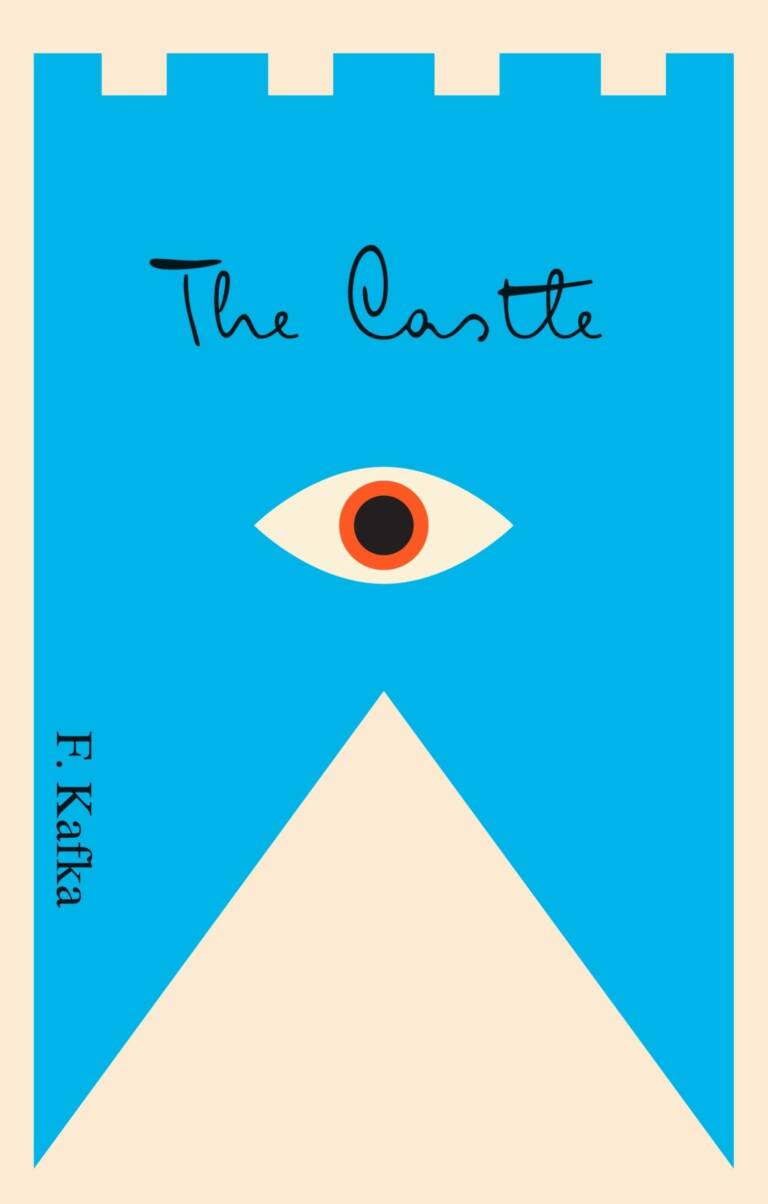
Franz Kafka’s The Castle with Martha Cooley
4 Sessions Sundays, 11:00 am EDT - 12:30 pm EDT July 12 to August 23, 2026
-
Crushes: The Art of the Swoon with Erica Peplin
Once a week Sundays, 6:00 pm EDT - 8:00 pm EDT July 12 to August 16, 2026
-
The Nightlighters
Monday, 6:00 pm EDT - 7:30 pm EDT July 13, 2026
-

Crafting Novels on Notecards: Techniques from Nabokov with Jeff Boyd
Once a week Mondays, 6:00 pm EDT - 8:00 pm EDT July 13 to August 17, 2026
-

Writing the Story Only You Can Tell with Vanessa Walters
Once a week Mondays, 7:00 pm EDT - 9:00 pm EDT July 13 to August 3, 2026
-
In Short: Shirley Jackson’s "The Summer People” with Lesley Finn
Tuesday, 6:30 pm EDT - 8:00 pm EDT July 14, 2026
-
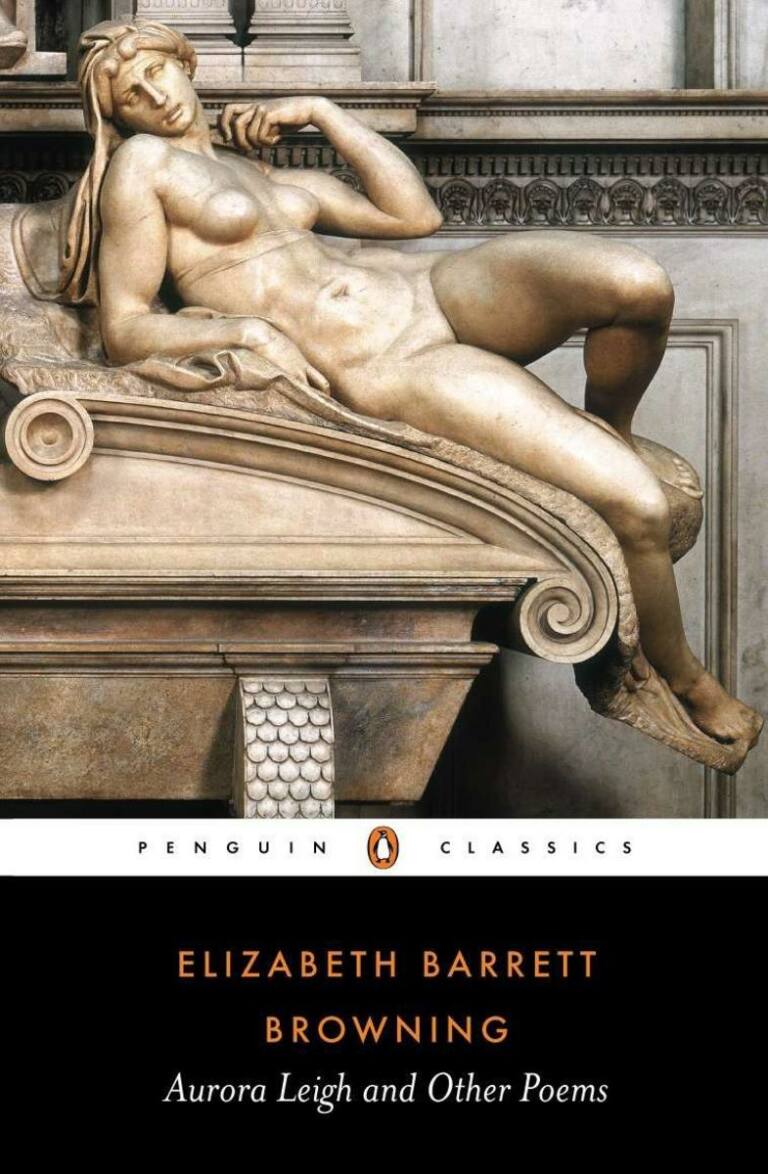
Elizabeth Barrett Browning's Aurora Leigh with Joanna Biggs
Once a week Thursdays, 6:30 pm EDT - 8:00 pm EDT July 16 to August 6, 2026
-
In Short: William Faulkner's "Mistral" with Carl Rollyson
Thursday, 7:00 pm EDT - 8:30 pm EDT July 16, 2026
-
The Art of Emotion in Fiction with Alec Niedenthal
Once a week Thursdays, 6:00 pm EDT - 8:00 pm EDT July 16 to August 13, 2026
-

The Art of the Verb: Transform Your Writing with Fire and Elegance with Sarah L. Kaufman
Saturday, 11:00 am EDT - 12:30 pm EDT July 18, 2026
-
In Short: Isaac Bashevis Singer's "The Dead Fiddler" with Richard Klin
Monday, 7:00 pm EDT - 8:30 pm EDT July 20, 2026
-
How He Wrote: Generative Exercises Based on Ralph Ellison's Invisible Man with Sidik Fofana
Once a week Mondays, 7:00 pm EDT - 9:00 pm EDT July 20 to August 10, 2026