
$545
8 Sessions
Out of stock

Once a week Tuesdays, 7:00 pm EDT - 9:00 pm EDT February 3 to March 24, 2026

Online via Zoom
Effective true crime explores the social interest in stories about violence while showing respect for the people involved; it’s a delicate, intimate balance. To understand how the masters do it, we will read work by Alexandria Marzano-Lesnevich, David Carr, Truman Capote, Emmanuel Carrère, Óscar Martínez, and others who capture the essence of such narratives with ethical sensitivity. We’ll then use their techniques on research, structure, and writing to inform our own work. This is a class for writers, journalists, and true crime enthusiasts who want to tell stories in this genre with impact, precision, and respect.
In this workshop, students will develop their own true crime narratives through a series of structured writing exercises that progress from initial research to full drafts—whether long-form articles, memoir-infused investigations, or book chapters. We’ll move from rigorous research and ethical reflection into vivid, responsible narrative. Each participant will select a case or story to investigate throughout the course, applying the techniques we’ll study—Marzano-Lesnevich’s braided structure, Carrère’s self-interrogation, Capote’s scene-building and more.
There will be weekly assignments, peer workshop and instructor feedback. Writers will grapple with the practical and moral dimensions of their work: issues of voice, pacing, evidence integration, and respect for victims, perpetrators, and communities. Additionally, how to gain access to sources, when to include or withhold graphic details, how to balance narrative momentum and how to position themselves as narrators without overshadowing the story.
Course Outline:
- Week 1: As academics like Michel Foucault have noted, crime has a certain economic-political utility that stokes fear and sensationalism and can feed systems of control and surveillance. We’ll discuss to what extent we can fight those impulses in writing.
- Week 2: How to detect a complex story in the chaos of reality and calibrate your point of view as a true crime writer.
- Week 3: The big challenge: searching for complexity and/or ambiguity, so our writing isn’t reduced to “good guys” and “bad guys.”
- Week 4: Writing crime scenes—portraying experiences of violence through details and moments
- Week 5: The narrative work of finding something new and worth saying, and finding the right tone for your true crime story.
- Week 6: How to do research for your story by conducting interviews and going through archives
- Week 7: Using true crime as a lens to write about an array of topics
- Week 8: How to revise and edit your own story about a crime
All Levels
This course is held online via Zoom.

Led by
-

Javier Sinay
Javier Sinay
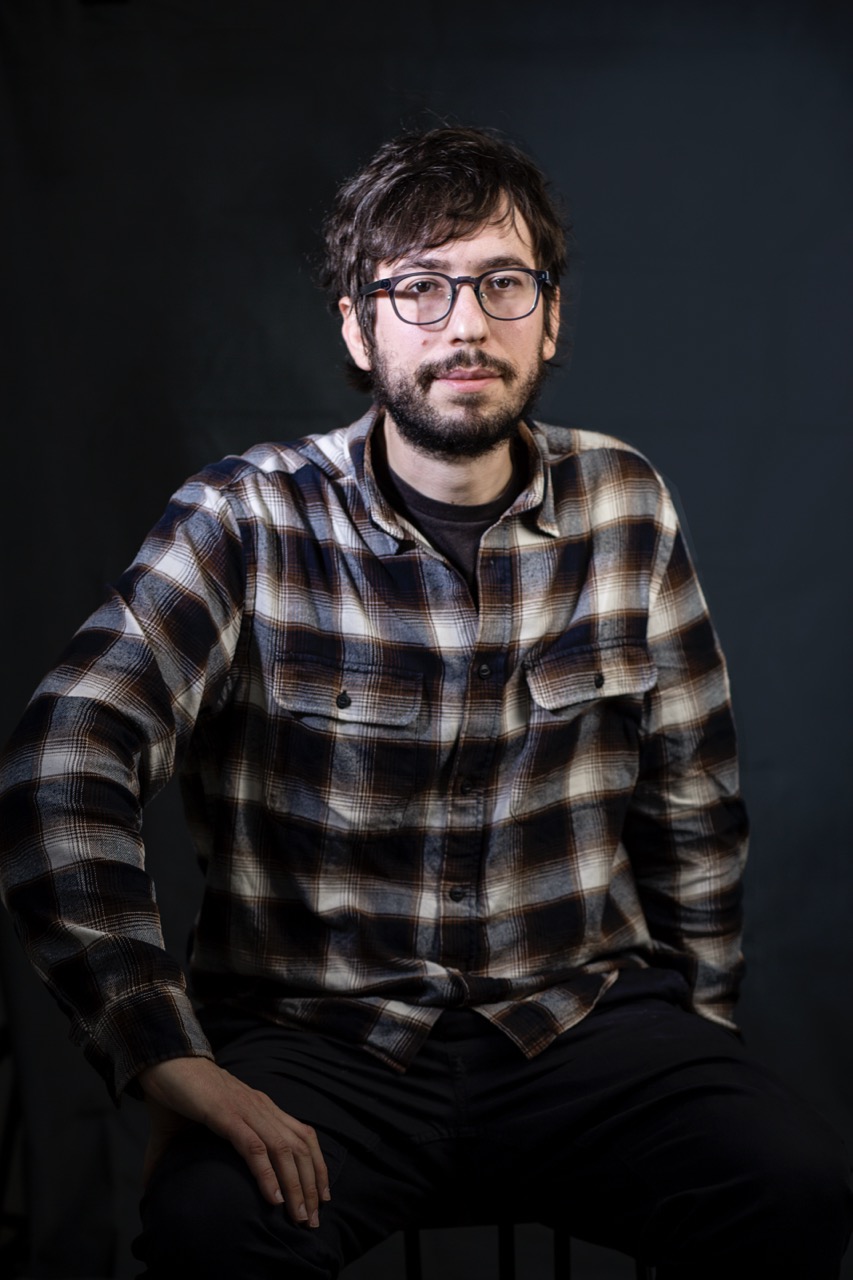
Javier Sinay is an author and a journalist. His books include The Murders of Moises Ville, Después de las 09:53, and Sangre joven, which won the Rodolfo Walsh Award at Semana Negra in Gijón, Spain. In 2015 he won the award of Fundación Gabo for his story “Fast. Furious. Dead,” published in Rolling Stone. He has been leading workshops at The Center For Fiction since 2023. He lives in Buenos Aires.
About this series
Writing Workshops
We strive to make our classes the most inviting and rewarding available, offering an intimate environment to study with award-winning, world-class writers. Each class is specially designed by the instructor, so whether you’re a fledgling writer or an MFA graduate polishing your novel, you’ll find a perfect fit here.
-
The Literarians
Wednesday, 12:30 pm EDT - 1:30 pm EDT June 17, 2026
-
In Short: Hans Christian Andersen's “The Little Mermaid” with Amanda Hollander
Thursday, 6:30 pm EDT - 8:00 pm EDT June 18, 2026
-

300 Words a Day: Crush Writer’s Block and Build a Habit with Pablo Ottonello
Once a week Mondays, 7:00 pm EDT - 9:00 pm EDT June 22 to July 27, 2026
-
Memoir 101 with Rax King
Once a week Wednesdays, 6:00 pm EDT - 8:00 pm EDT June 24 to July 15, 2026
-
Advanced Short Story Workshop with Amy Silverberg
Once a week Thursdays, 7:00 pm EDT - 9:00 pm EDT June 25 to August 13, 2026
-

In Short: Ben Lerner's "The Hofmann Wobble" with Matilda Lin Berke
Tuesday, 6:30 pm EDT - 8:00 pm EDT July 7, 2026
-

Opening Movements: How Great Stories Begin with Doug Jones
Once a week Tuesdays, 7:00 pm EDT - 9:00 pm EDT July 7 to August 11, 2026
-
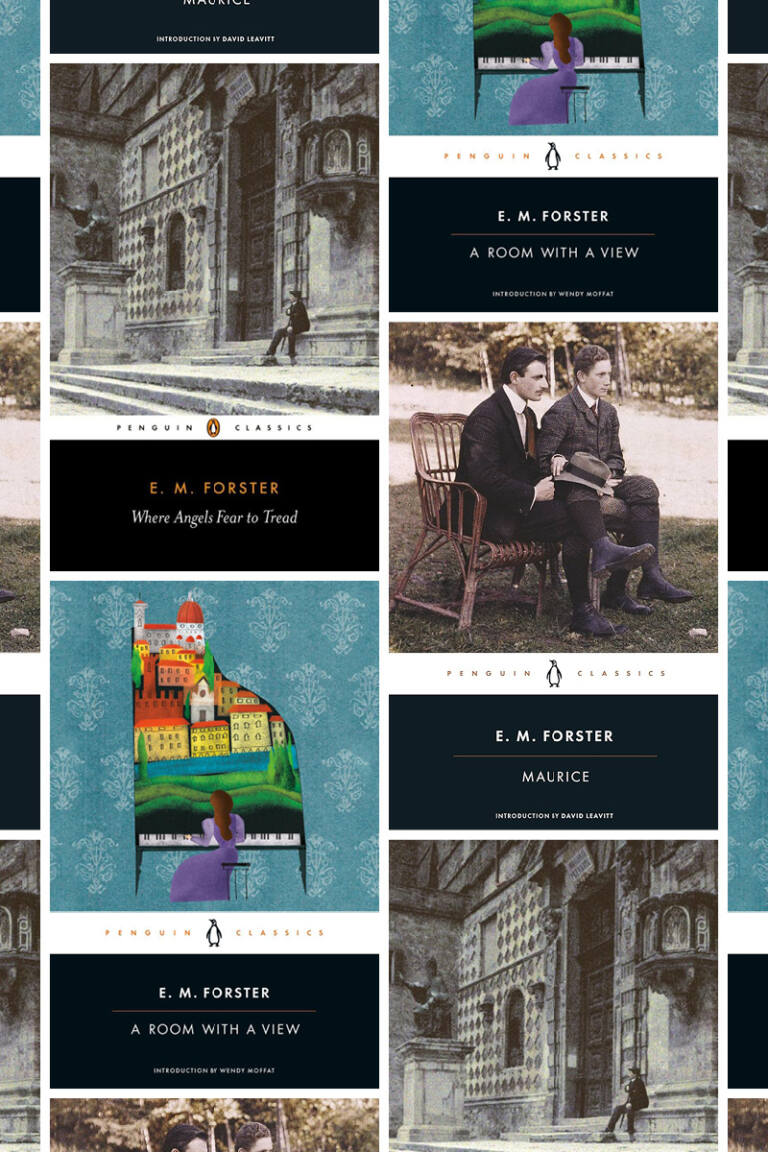
E. M. Forster’s Summer of Love with Pam Newton
3 Sessions Wednesdays, 6:30 pm EDT - 8:00 pm EDT July 8 to August 26, 2026
-
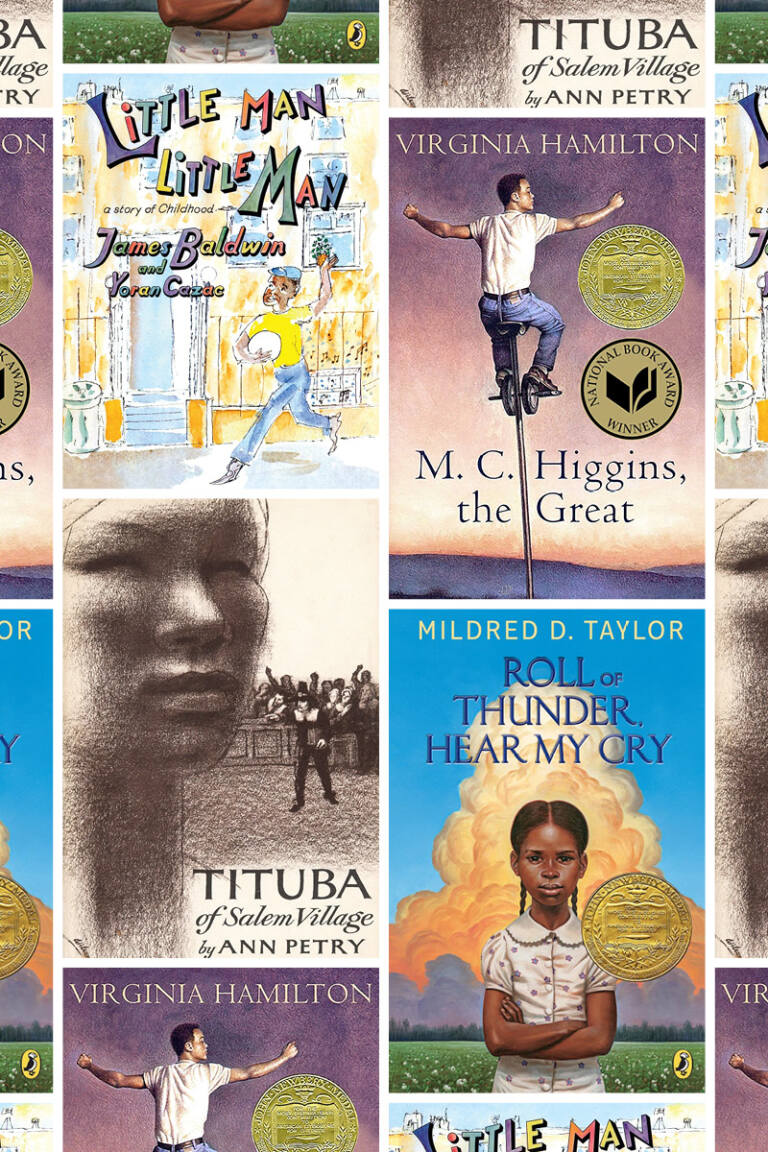
Reading Classic Black Children’s Novels with Gale Greenlee
4 Sessions Wednesdays, 6:00 pm EDT - 7:30 pm EDT July 8 to September 9, 2026
-
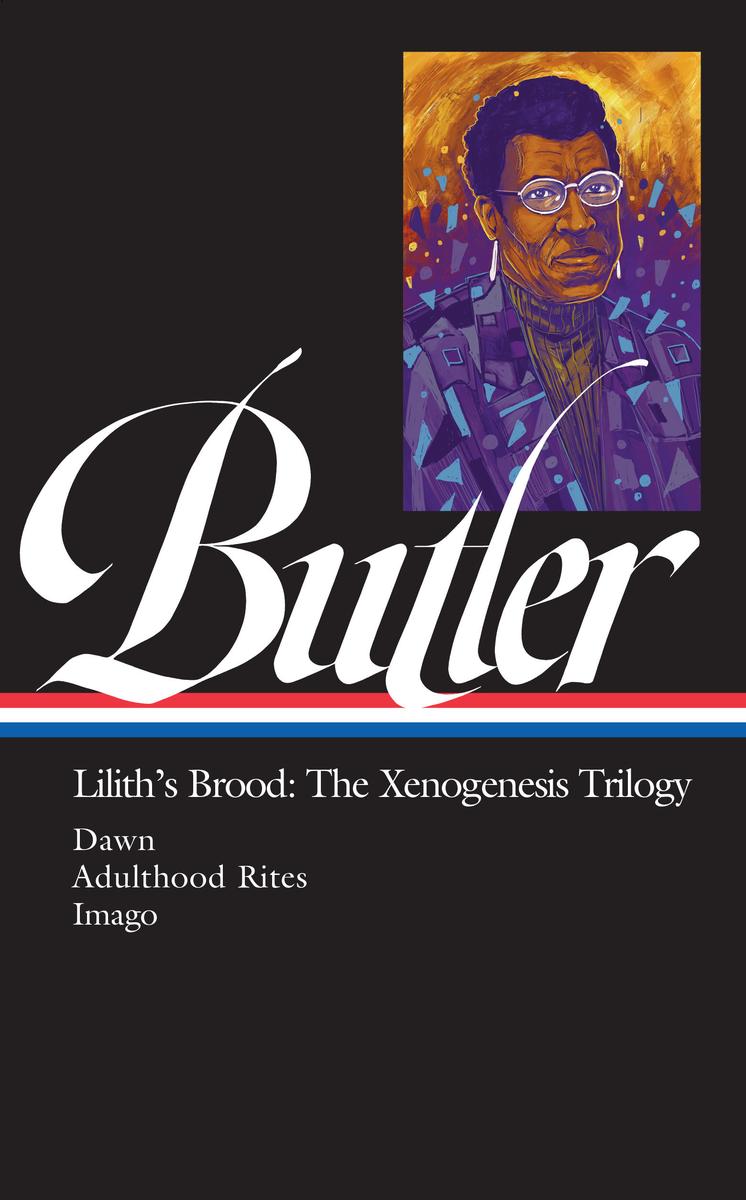
Octavia E. Butler's Xenogenesis Trilogy with Alaya Dawn Johnson
3 Sessions Saturdays, 1:00 pm EDT - 2:30 pm EDT July 11 to August 22, 2026
-
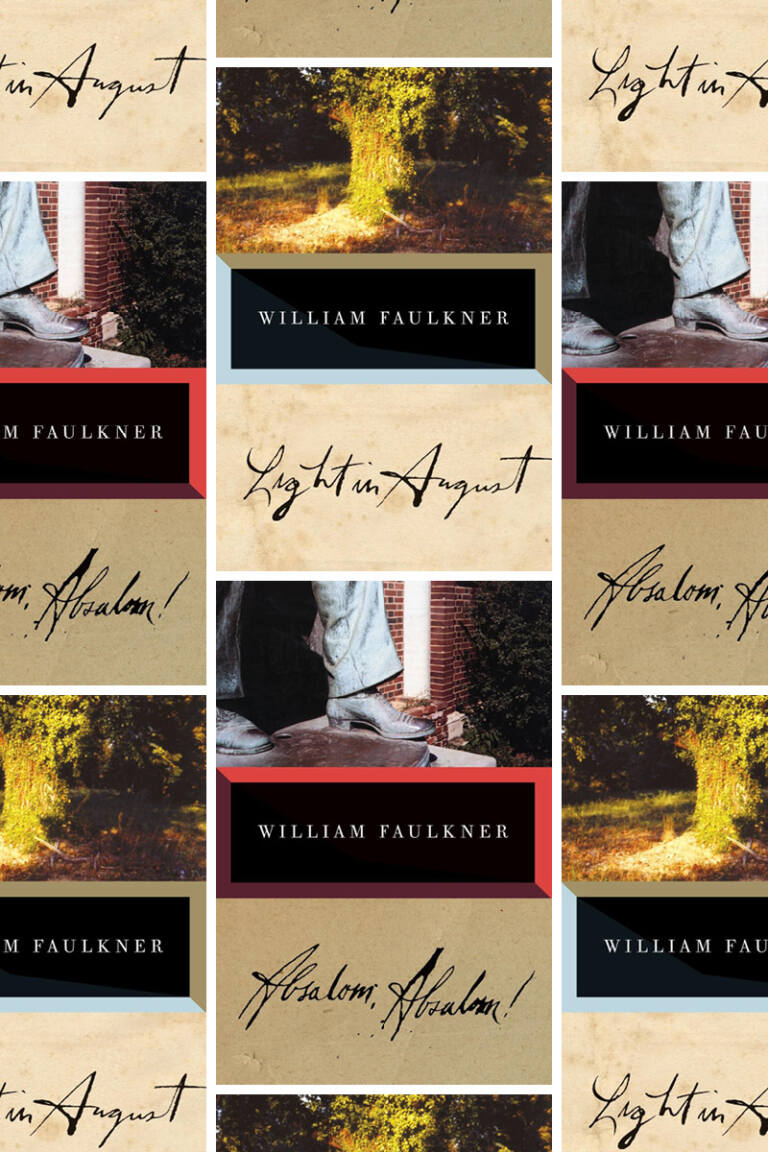
What the South Knew: Faulkner in the Trump Era with Linda Chavers
4 Sessions Saturdays, 11:00 am EDT - 12:30 pm EDT July 11 to August 22, 2026
-
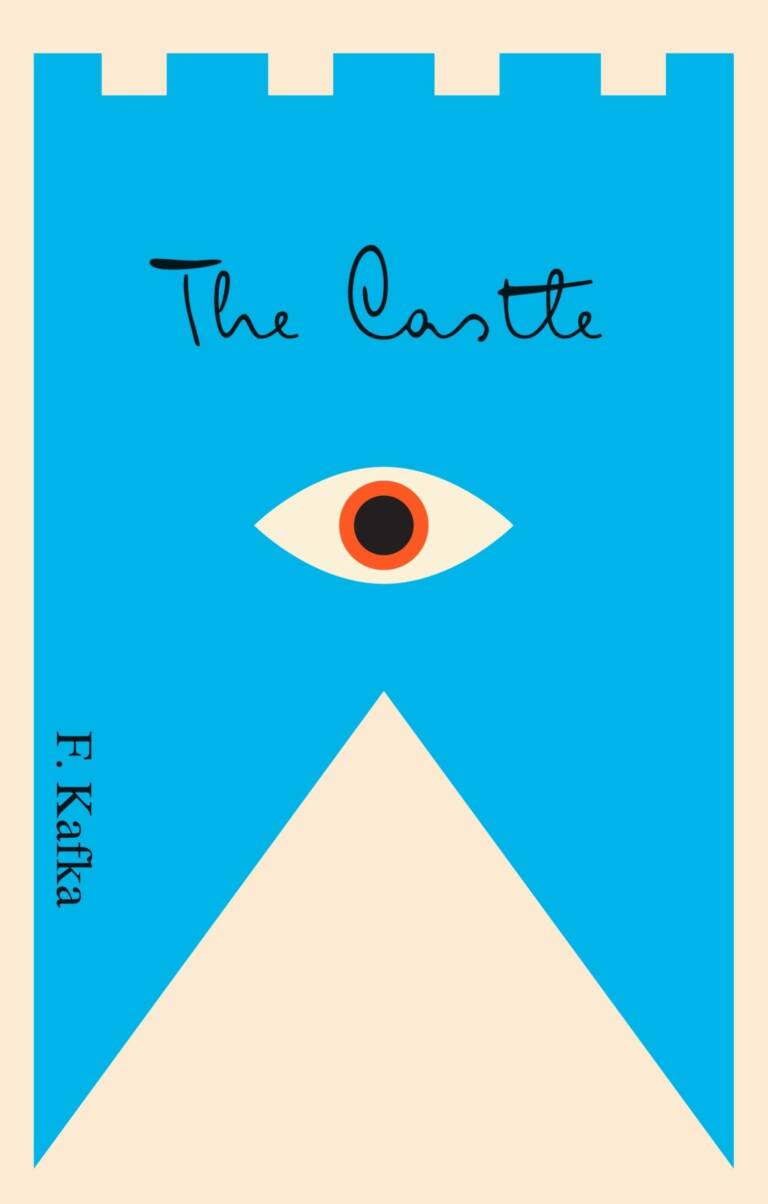
Franz Kafka’s The Castle with Martha Cooley
4 Sessions Sundays, 11:00 am EDT - 12:30 pm EDT July 12 to August 23, 2026
-

Crushes: The Art of the Swoon with Erica Peplin
Once a week Sundays, 6:00 pm EDT - 8:00 pm EDT July 12 to August 16, 2026
-
The Nightlighters
Monday, 6:00 pm EDT - 7:30 pm EDT July 13, 2026
-

Crafting Novels on Notecards: Techniques from Nabokov with Jeff Boyd
Once a week Mondays, 6:00 pm EDT - 8:00 pm EDT July 13 to August 17, 2026
-

Writing the Story Only You Can Tell with Vanessa Walters
Once a week Mondays, 7:00 pm EDT - 9:00 pm EDT July 13 to August 3, 2026
-
In Short: Shirley Jackson’s "The Summer People” with Lesley Finn
Tuesday, 6:30 pm EDT - 8:00 pm EDT July 14, 2026
-
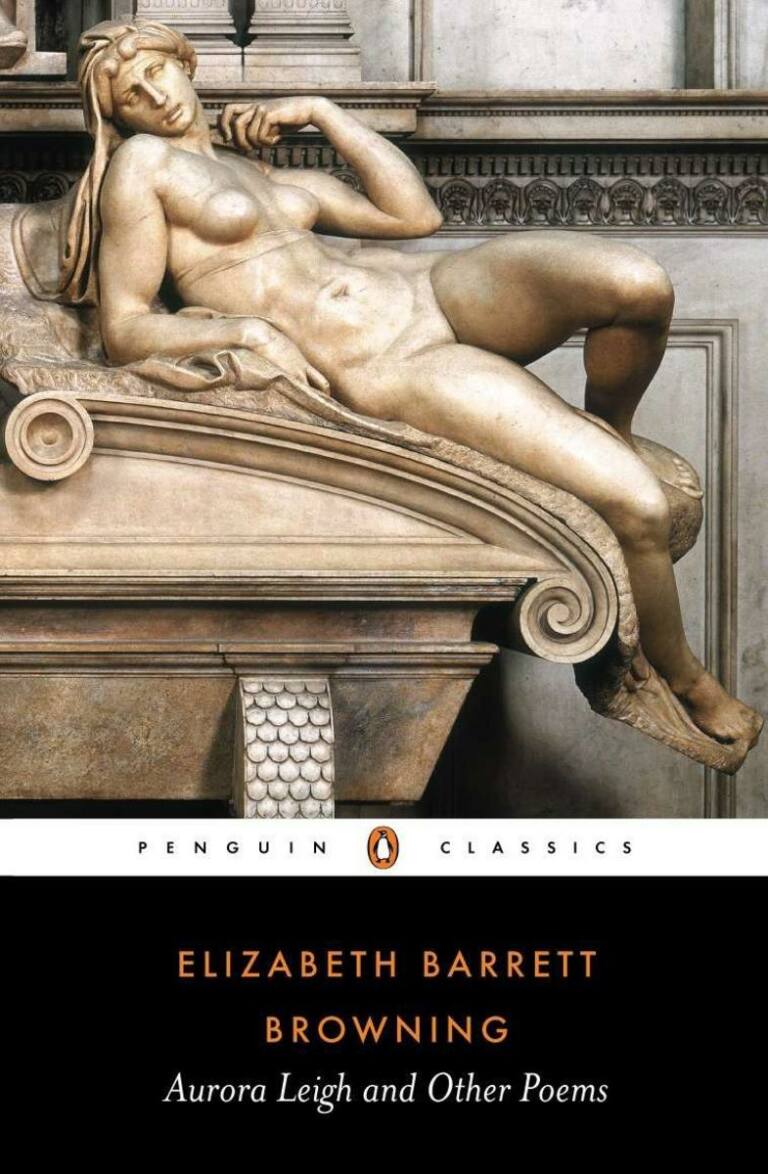
Elizabeth Barrett Browning's Aurora Leigh with Joanna Biggs
Once a week Thursdays, 6:30 pm EDT - 8:00 pm EDT July 16 to August 6, 2026
-
In Short: William Faulkner's "Mistral" with Carl Rollyson
Thursday, 7:00 pm EDT - 8:30 pm EDT July 16, 2026
-
The Art of Emotion in Fiction with Alec Niedenthal
Once a week Thursdays, 6:00 pm EDT - 8:00 pm EDT July 16 to August 13, 2026