
$345
4 Sessions
Out of stock

Once a week Wednesdays, 6:00 pm EDT - 8:00 pm EDT April 15 to May 6, 2026

The Center for Fiction
This workshop has sold out. Please email [email protected] to join the waitlist—and become a member for early access to future programming.
It is often declared that award-winning books of fiction are “moving” and “stirring,” but almost everyone has had the experience of reading such books and not being moved or stirred at all. So, what really makes emotion work in fiction? What makes it feel authentic and “earned”? Exploring essential elements of the art of fiction, like character, voice, and prose style, we’ll develop the building blocks of a theory and practice of how to move one’s readers.
We’ll read stories from Gustave Flaubert, Ivan Turgenev, John Edgar Wideman, Lorrie Moore, and others, and novel excerpts from W. G. Sebald and David Szalay. We’ll bring our own work to the table to figure out how the emotions therein can be made more real—part of the reader’s own inner life. And we’ll leave with a sense of how to embed emotion into the writing process without having to feel those emotions as we work at our desks. Students will also become familiar with contemporary literary magazine writing.
Course Outline:
-
Session 1: What Is Emotion in Fiction?
-
Introduction, in-class reading and discussion (excerpts from Gustave Flaubert, “A Simple Heart”; Jean-Paul Sartre, Sketch for a Theory of Emotions) (1 hour).
-
Two narration and emotion writing prompts (15 minutes each).
-
Read aloud from and workshop these pieces (45 minutes).
-
Homework: read Turgenev, First Love; Harold Brodkey, “First Love and Other Sorrows.” Option writing exercise expanding on one of the two prompts.
-
-
Session 2: Emotion, Voice, and Modern Literature
-
In-class reading (Lorrie Moore’s “The Kid’s Guide to Divorce”) and discussion of homework texts (45 minutes).
-
Love, narrative perspective, and selfhood writing prompt (20 minutes).
-
Workshop and read aloud. Students who wrote their three-page pieces will have the option to read aloud and offer these for critique instead of the 20-minutes pieces (55 minutes).
-
Homework: read John Edgar Wideman, “Arizona”; W. G. Sebald, Austerlitz (excerpt). Optional voice-related writing prompt.
-
-
Session 3: Emotion, Narration, and History
-
In-class reading from All the Light We Cannot See (excerpt) and discussion of homework texts (45 minutes).
-
History and character formation writing exercise (20 minutes)
-
Workshop and read aloud. Students who wrote their five-page pieces will have the option to read aloud from these pieces and offer them for critique instead of the 20-minutes pieces (55 minutes).
-
Homework: read “That Girl” by Addie Citchens (New Yorker), “10 of Clubs” by Johanna Stone (Heavy Traffic Review), Flesh by David Szalay (excerpt), “Elements of Literary Style” by John Keene (LitHub). Optional style and distance writing prompt.
-
-
Session 4: Emotion, Contemporary Fiction, and Style
-
In-class discussion of homework texts, including talking through our ideas of style and the stylistic changes we’ve seen in our work across the past four weeks, if any (45 minutes).
-
Human body, feeling, and style writing prompt (20 minutes).
-
Workshop and read aloud (55 minutes).
-
Course concludes.
-
Teaching Style: Students should expect to come away from this course with newfound inspiration as well as a better sense of a writing community.
Level: Intermediate
This course is held in person at The Center for Fiction.
Led by
-

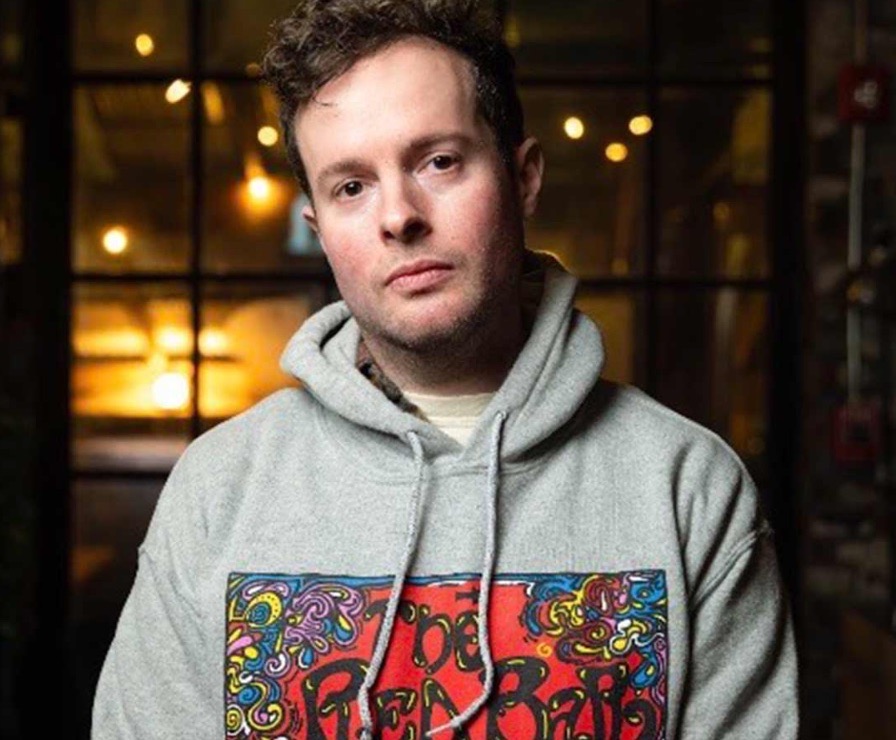
Alec Niedenthal
Alec Niedenthal
Alec Niedenthal has a novel coming out in 2027 from Ecco/HarperCollins in the U.S. and Jonathan Cape/Penguin Random House in the U.K. His stories can be found in the Paris Review, and he has an MFA from Brown University.
About this series
Writing Workshops
We strive to make our classes the most inviting and rewarding available, offering an intimate environment to study with award-winning, world-class writers. Each class is specially designed by the instructor, so whether you’re a fledgling writer or an MFA graduate polishing your novel, you’ll find a perfect fit here.
-

Getting Unstuck: A Weekend Intensive with Ramona Ausubel
Sunday, 12:00 pm EDT - 1:30 pm EDT June 7, 2026
-

The Nightlighters
Monday, 6:00 pm EDT - 7:30 pm EDT June 8, 2026
-

Channel Your Intuition: A One-Day Creative Nonfiction Intensive with Emily Rapp Black
Saturday, 12:00 pm EDT - 1:30 pm EDT June 13, 2026
-
The Literarians
Wednesday, 12:30 pm EDT - 1:30 pm EDT June 17, 2026
-
In Short: Hans Christian Andersen's “The Little Mermaid” with Amanda Hollander
Thursday, 6:30 pm EDT - 8:00 pm EDT June 18, 2026
-

300 Words a Day: Crush Writer’s Block and Build a Habit with Pablo Ottonello
Once a week Mondays, 7:00 pm EDT - 9:00 pm EDT June 22 to July 27, 2026
-

Memoir 101 with Rax King
Once a week Wednesdays, 6:00 pm EDT - 8:00 pm EDT June 24 to July 15, 2026
-
Advanced Short Story Workshop with Amy Silverberg
Once a week Thursdays, 7:00 pm EDT - 9:00 pm EDT June 25 to August 13, 2026
-

In Short: Ben Lerner's "The Hofmann Wobble" with Matilda Lin Berke
Tuesday, 6:30 pm EDT - 8:00 pm EDT July 7, 2026
-

Opening Movements: How Great Stories Begin with Doug Jones
Once a week Tuesdays, 7:00 pm EDT - 9:00 pm EDT July 7 to August 11, 2026
-
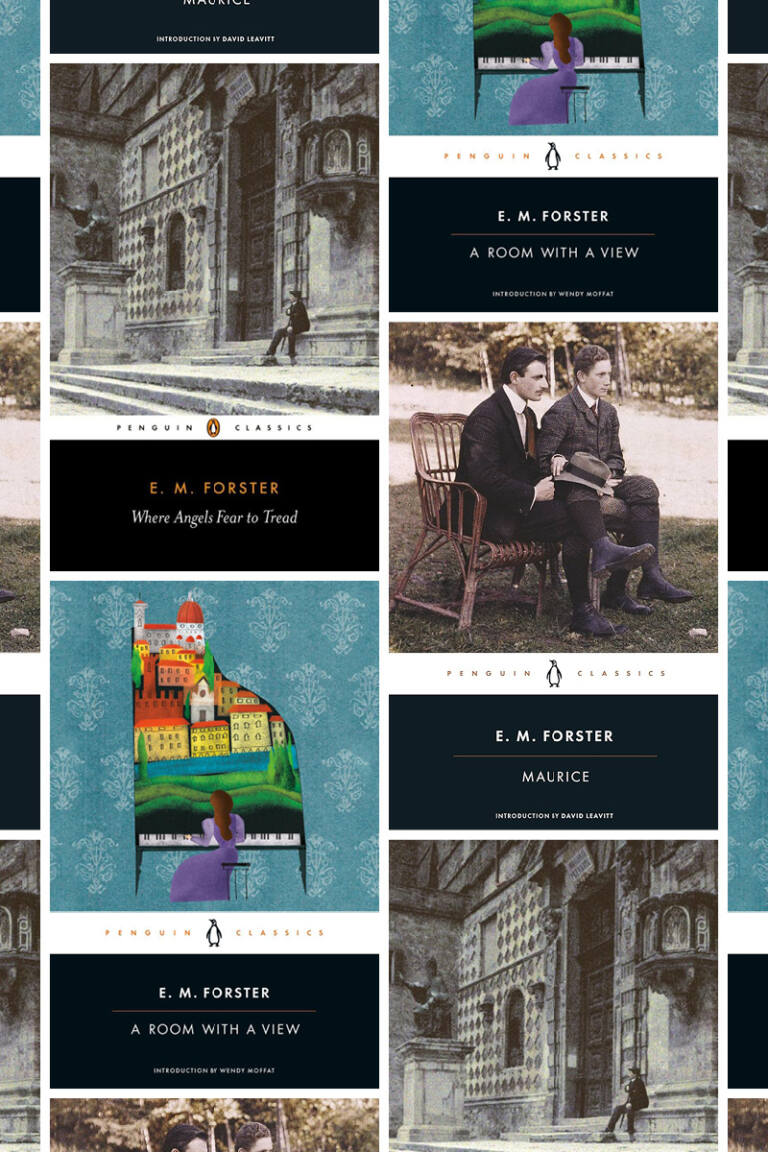
E. M. Forster’s Summer of Love with Pam Newton
3 Sessions Wednesdays, 6:30 pm EDT - 8:00 pm EDT July 8 to August 26, 2026
-
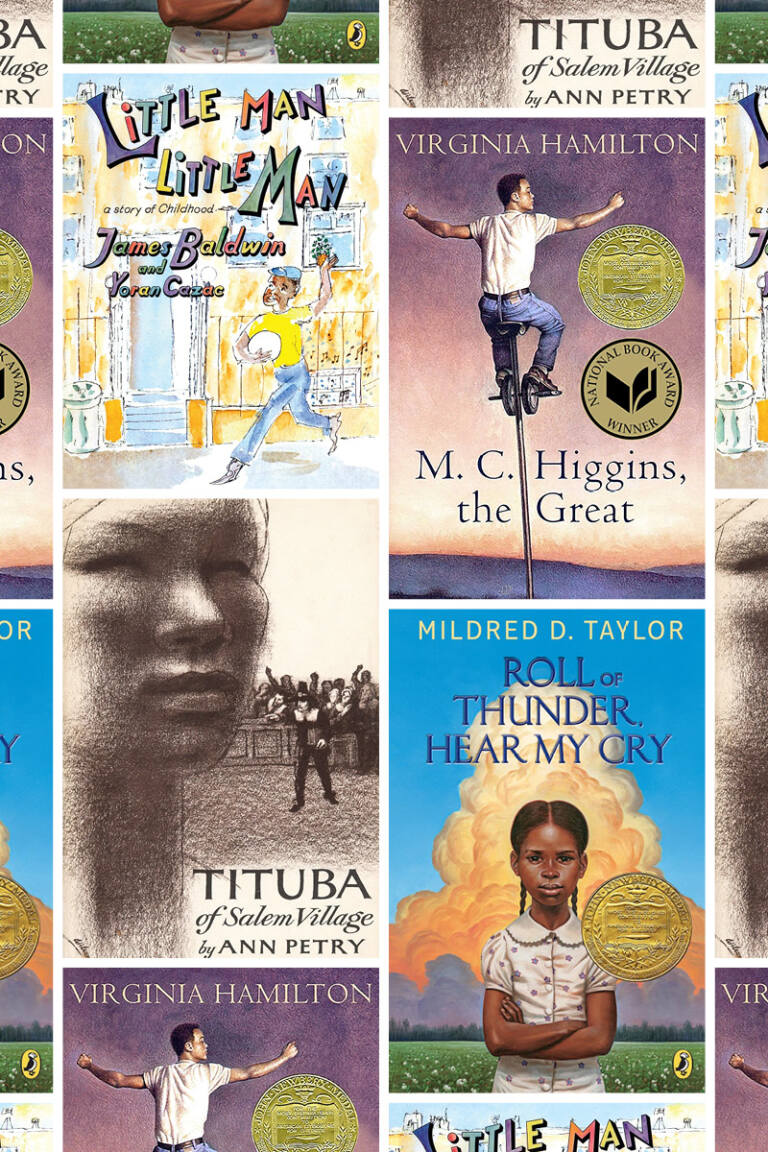
Reading Classic Black Children’s Novels with Gale Greenlee
4 Sessions Wednesdays, 6:00 pm EDT - 7:30 pm EDT July 8 to September 9, 2026
-
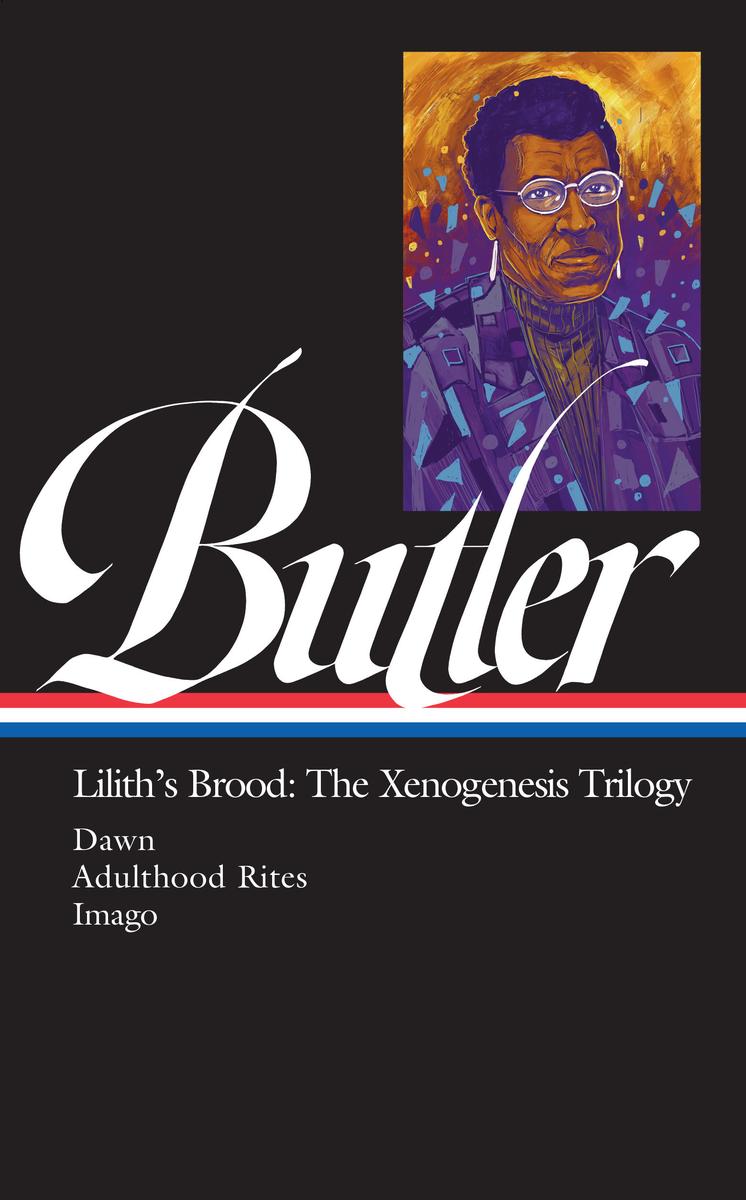
Octavia E. Butler's Xenogenesis Trilogy with Alaya Dawn Johnson
3 Sessions Saturdays, 1:00 pm EDT - 2:30 pm EDT July 11 to August 22, 2026
-
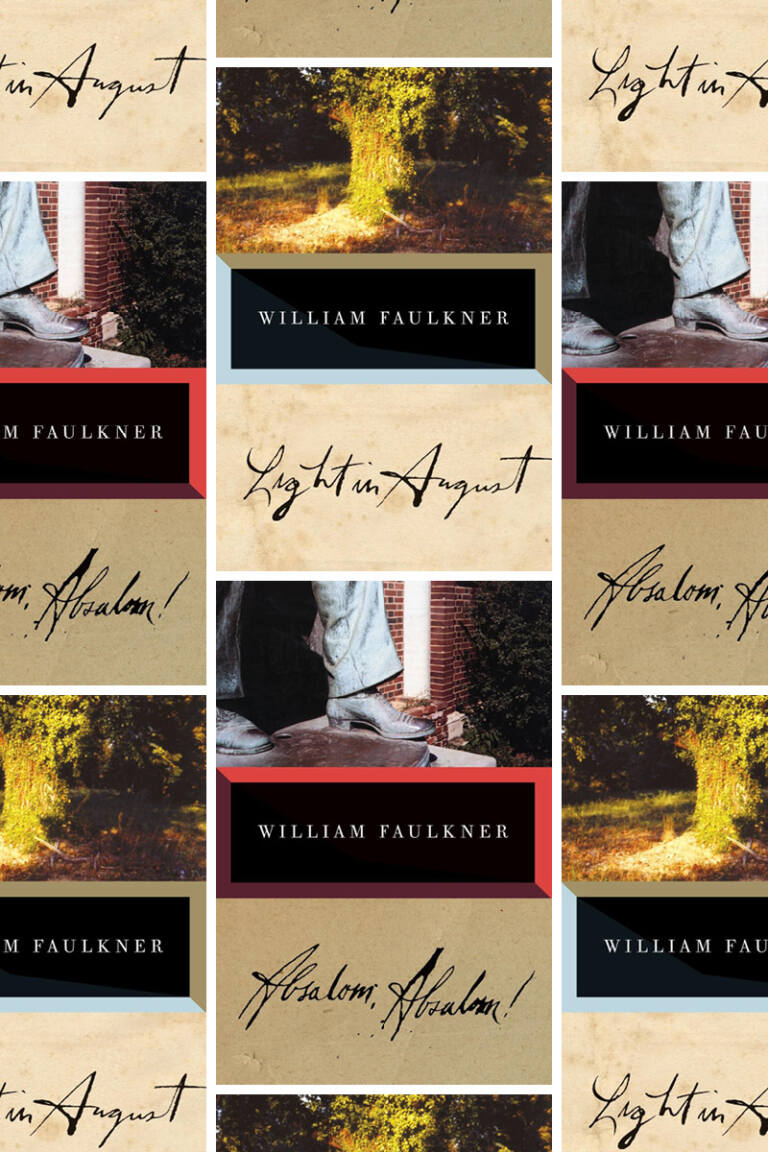
What the South Knew: Faulkner in the Trump Era with Linda Chavers
4 Sessions Saturdays, 11:00 am EDT - 12:30 pm EDT July 11 to August 22, 2026
-
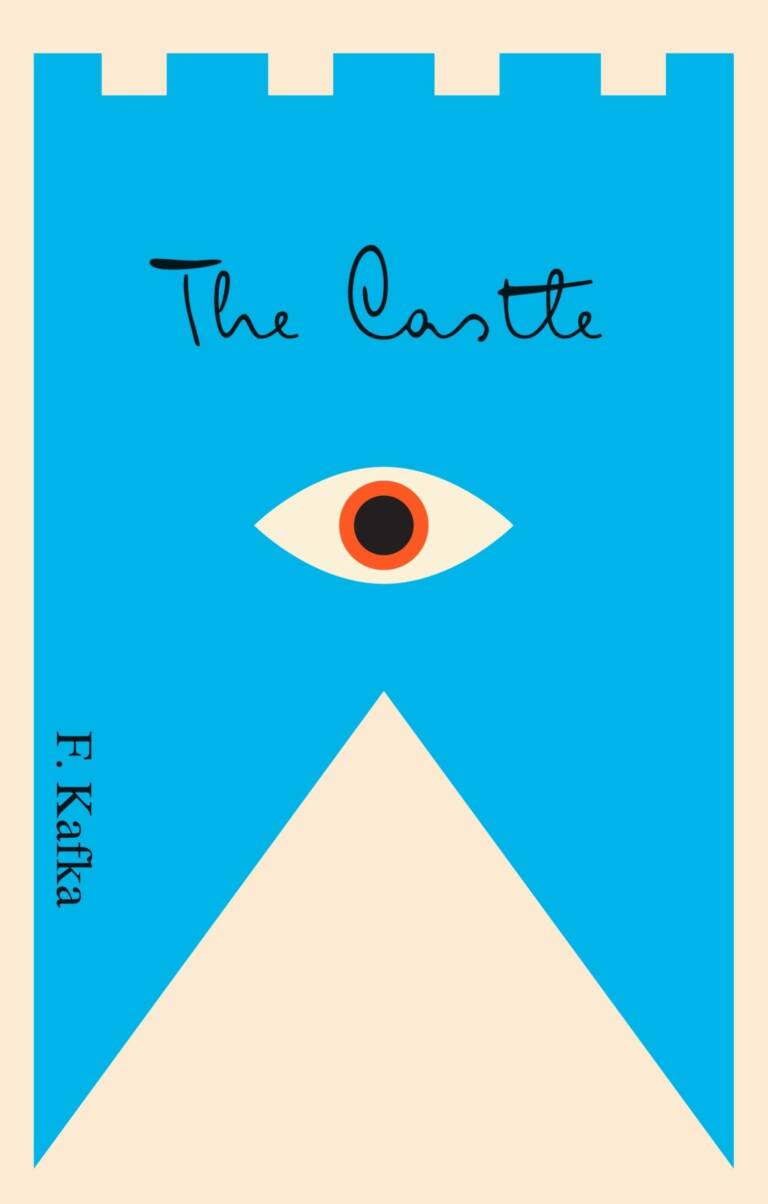
Franz Kafka’s The Castle with Martha Cooley
4 Sessions Sundays, 11:00 am EDT - 12:30 pm EDT July 12 to August 23, 2026
-

Crushes: The Art of the Swoon with Erica Peplin
Once a week Sundays, 6:00 pm EDT - 8:00 pm EDT July 12 to August 16, 2026
-

Crafting Novels on Notecards: Techniques from Nabokov with Jeff Boyd
Once a week Mondays, 6:00 pm EDT - 8:00 pm EDT July 13 to August 17, 2026
-

Writing the Story Only You Can Tell with Vanessa Walters
Once a week Mondays, 7:00 pm EDT - 9:00 pm EDT July 13 to August 3, 2026
-
In Short: Shirley Jackson’s "The Summer People” with Lesley Finn
Tuesday, 6:30 pm EDT - 8:00 pm EDT July 14, 2026
-
Elizabeth Barrett Browning's Aurora Leigh with Joanna Biggs
Once a week Thursdays, 6:30 pm EDT - 8:00 pm EDT July 16 to August 6, 2026