

4 Sessions Thursdays, 6:00 pm EDT - 7:30 pm EDT May 8 to May 29, 2025

Online via Zoom
The ‘With Books’ option includes the title required for this group at an additional 10% discount from our Bookstore.
Meeting Dates:
5/8, 5/15, 5/22, 5/29
Online via Zoom
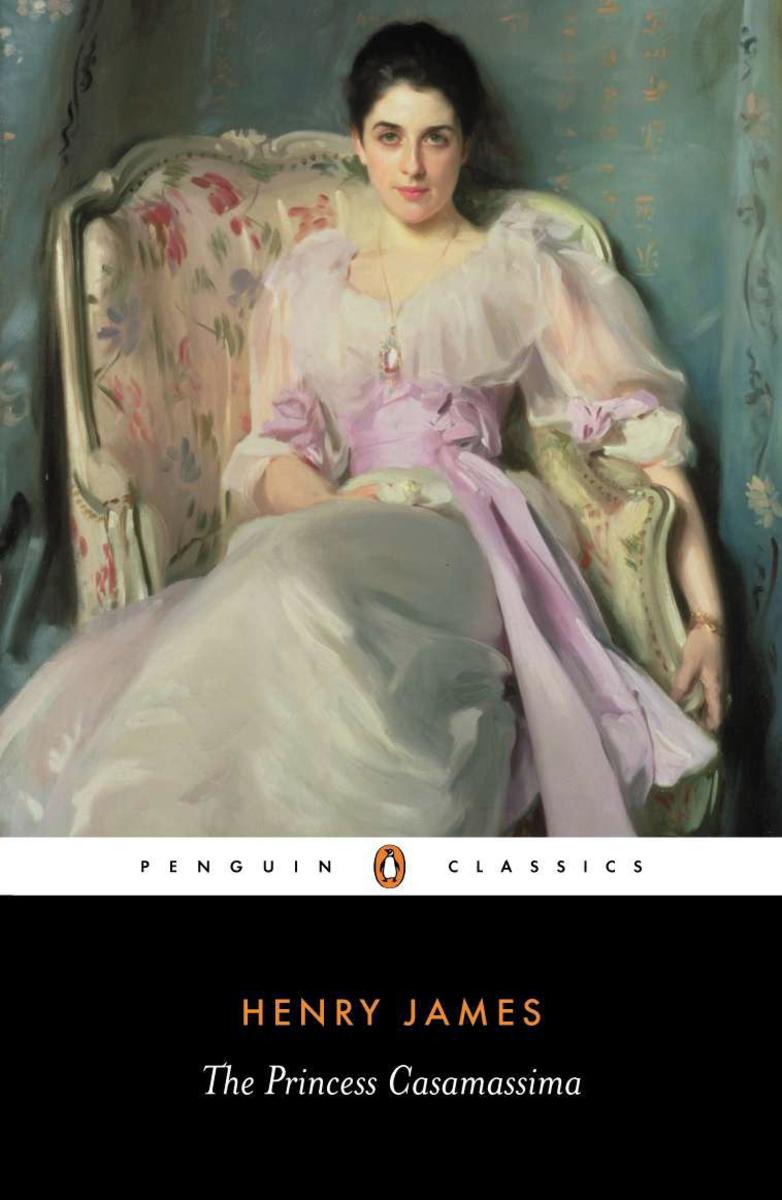
Did Henry James write a political novel? Unusual in the Jamesian canon, The Princess Casamassima is a relatively neglected work, dealing not with rarified lives of privilege, leisure, and wealth but with their opposite. The novel explores the half-secret world of radical politics, revolutionaries, assassination plots, and the squalid existence of London’s poor in the 1880s—”the huge tragic city, where unmeasured misery lurks beneath the dirty night.” Owing a debt to both Dickens and Zola, The Princess Casamassima will make Jamesians reconsider their notions of the master’s oeuvre, although his gift as the “historian of fine consciences” was never better illustrated.
Following the character of humble bookbinder, Hyacinth Robinson, a “presumptuous adventurer, with his combination of intrinsic fineness and fortuitous adversity,” The Princess Casamassima is James’s attempt at a naturalistic, broad social documentary picture of contemporary political movements and issues. Written not long after the spate of terrorist bomb attacks and assassinations that rocked London and much of Europe, James’s book does touch upon some larger, recognizably Jamesian, themes—the preservation or destruction of civilization; the transfiguring value of art and the moral beauty of courage, however ambiguously portrayed. The bewitching, beautiful, bored Princess herself is thoroughly Jamesian, while the resentful working men of the ‘Sun and Moon,’ anarchists plotting to foment a socialist revolution, show James at his realist best.
Serialized from 1885 to 1886, the novel is, like all of James’s work, not rapidly read or simply comprehended but perfect for discussion and permanently relevant. James’s opaque style (less convoluted here than the late works) with its qualifications and subtle paradoxes, is strangely matched in a story of secret conspiracy, social disorder, and the appalling cost borne by the great many for the indulgence of the few. The last popular resurrection of The Princess Casamassima was during another tumultuous time—the 1960s. We return to it now, in our own moment of upheaval, as questions of moral action and political will are once again upon us.
What to read in advance of the first meeting: Please read Book One for the first meeting (approximately 100 pages)
What to expect from this reading group: For four weeks we will discuss for ninety minutes the novel under consideration. I will set up the parameters of the discussion for about twenty minutes and then open the discussion to participants for comments and questions, citing specific examples from the text.
Reading List:
- The Princess Casamassima by Henry James
Capacity: 20
Please note: All virtual classes are recorded. Please click here for information about our recording policy.
Led by
-

Sheridan Hay
Sheridan Hay
Sheridan Hay is a writer, editor, and teacher. She holds an MFA from the Bennington Writing Seminars. Her first novel, The Secret of Lost Things (Doubleday/Anchor), was a Booksense Pick, a Barnes and Noble Discover selection, shortlisted for the Border’s Original Voices Fiction Prize, and nominated for the International Impact Award. A San Francisco Chronicle bestseller and a New York Times Editor’s Choice, it was published in fourteen countries. Sheridan has led The Center for Fiction’s popular Moby Dick reading group many times, as well as leading a long-standing Henry James group, among others. Early in her career, Sheridan was an editor at Simon & Schuster and worked at HarperCollins and Penguin Books in New York and in Sydney, Australia where she was born. She is a partner in the literary development and management collaboration, Filmore Projects (www.filmoreprojects.com)
About this series
Reading Groups
Whether you’re looking to catch up on great novels or you’re interested in exploring a new writer or literary period, our reading groups offer high-level literary discussion led by experts in the field.
-

Getting Unstuck: A Weekend Intensive with Ramona Ausubel
Sunday, 12:00 pm EDT - 1:30 pm EDT June 7, 2026
-
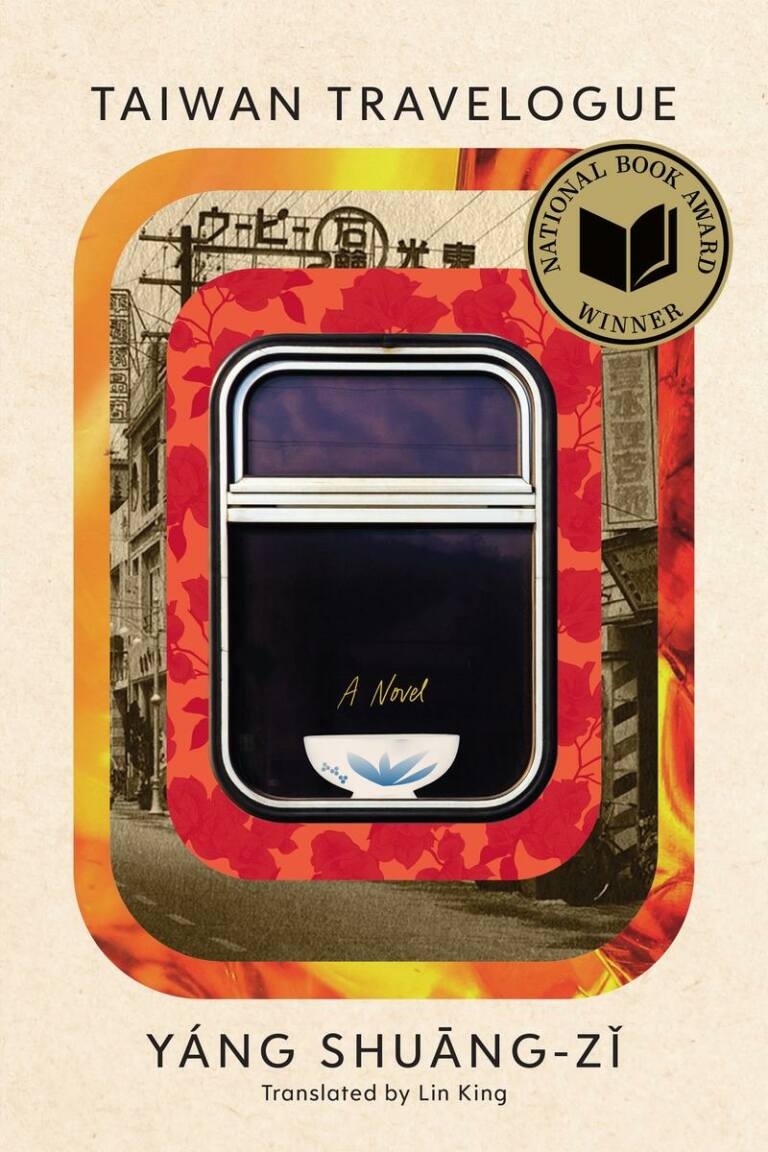
The Nightlighters
Monday, 6:00 pm EDT - 7:30 pm EDT June 8, 2026
-

Channel Your Intuition: A One-Day Creative Nonfiction Intensive with Emily Rapp Black
Saturday, 12:00 pm EDT - 1:30 pm EDT June 13, 2026
-
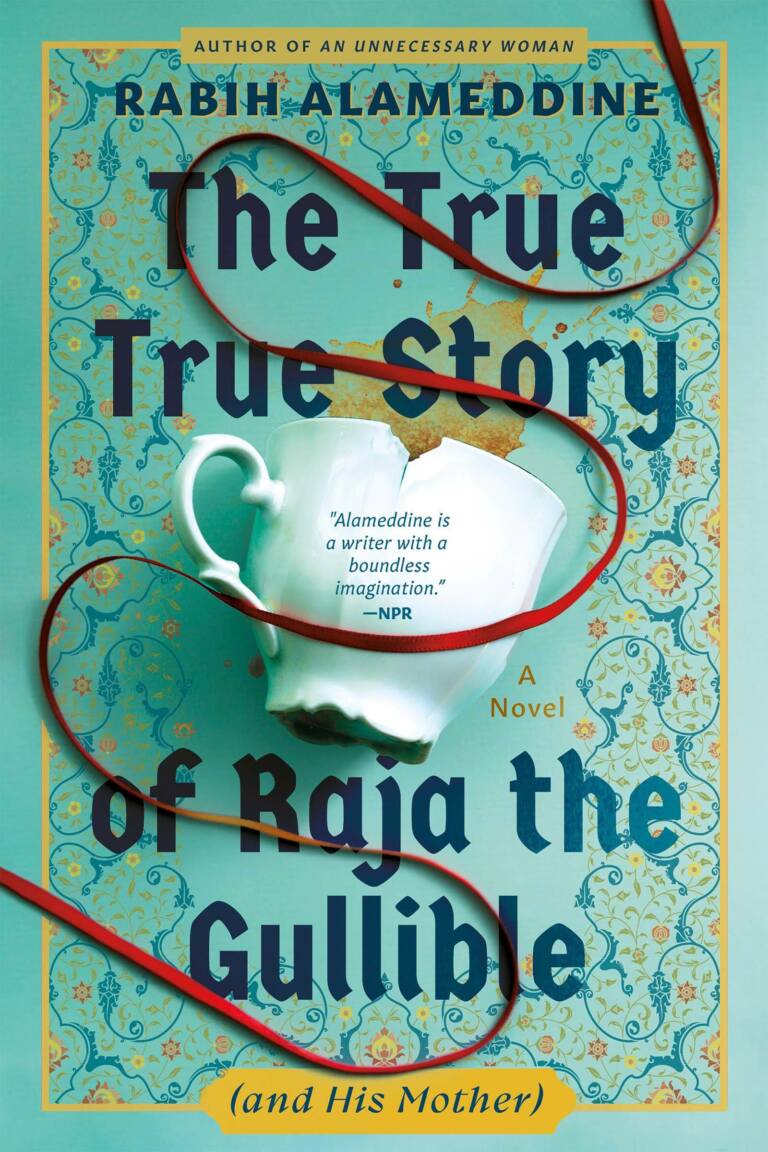
The Literarians
Wednesday, 12:30 pm EDT - 1:30 pm EDT June 17, 2026
-
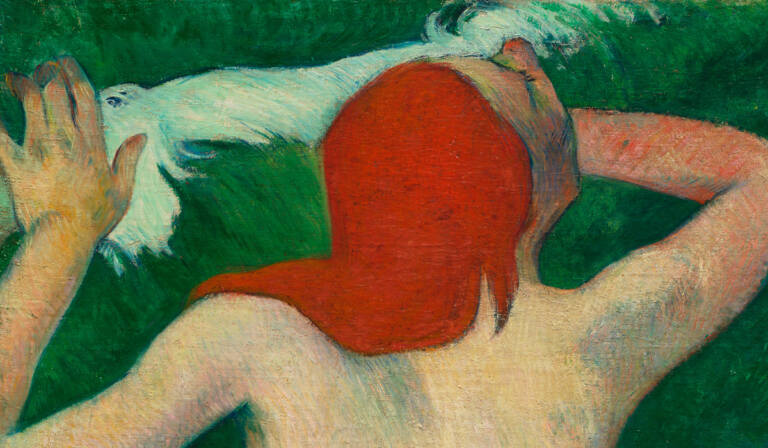
In Short: Hans Christian Andersen's “The Little Mermaid” with Amanda Hollander
Thursday, 6:30 pm EDT - 8:00 pm EDT June 18, 2026
-

300 Words a Day: Crush Writer’s Block and Build a Habit with Pablo Ottonello
Once a week Mondays, 7:00 pm EDT - 9:00 pm EDT June 22 to July 27, 2026
-
Memoir 101 with Rax King
Once a week Wednesdays, 6:00 pm EDT - 8:00 pm EDT June 24 to July 15, 2026
-
Advanced Short Story Workshop with Amy Silverberg
Once a week Thursdays, 7:00 pm EDT - 9:00 pm EDT June 25 to August 13, 2026
-
In Short: Ben Lerner's "The Hofmann Wobble" with Matilda Lin Berke
Tuesday, 6:30 pm EDT - 8:00 pm EDT July 7, 2026
-

Opening Movements: How Great Stories Begin with Doug Jones
Once a week Tuesdays, 7:00 pm EDT - 9:00 pm EDT July 7 to August 11, 2026
-
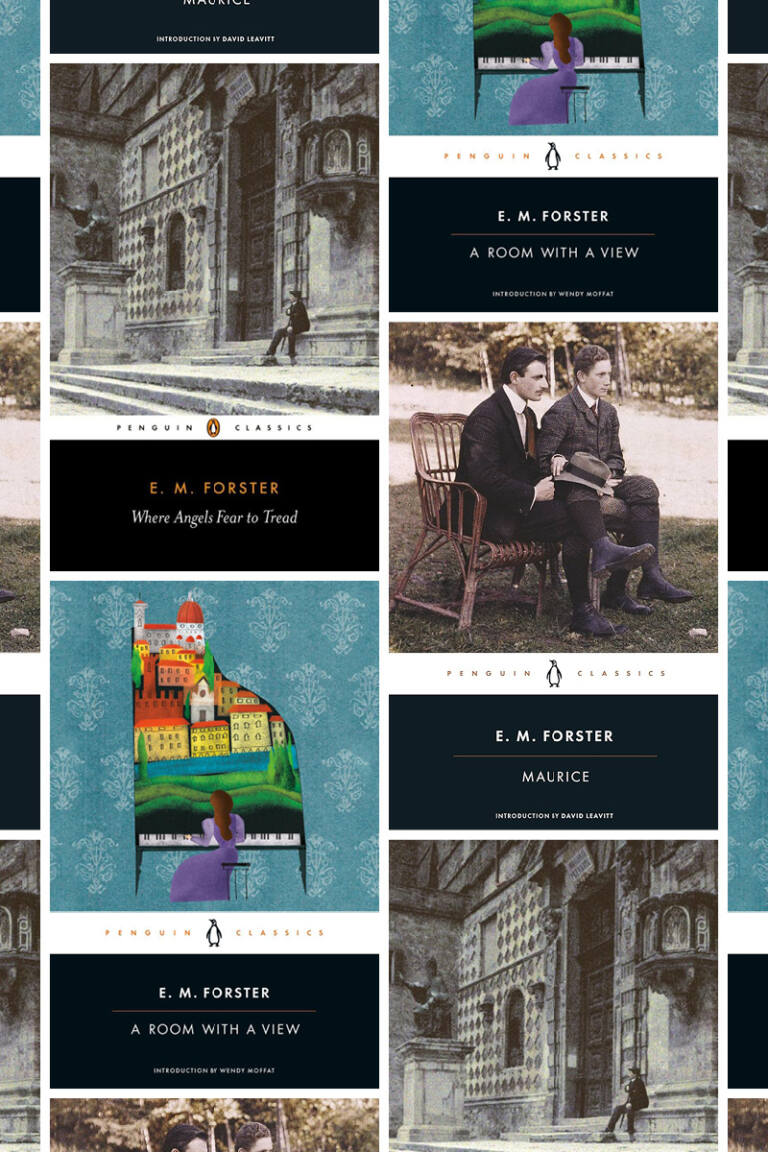
E. M. Forster’s Summer of Love with Pam Newton
3 Sessions Wednesdays, 6:30 pm EDT - 8:00 pm EDT July 8 to August 26, 2026
-
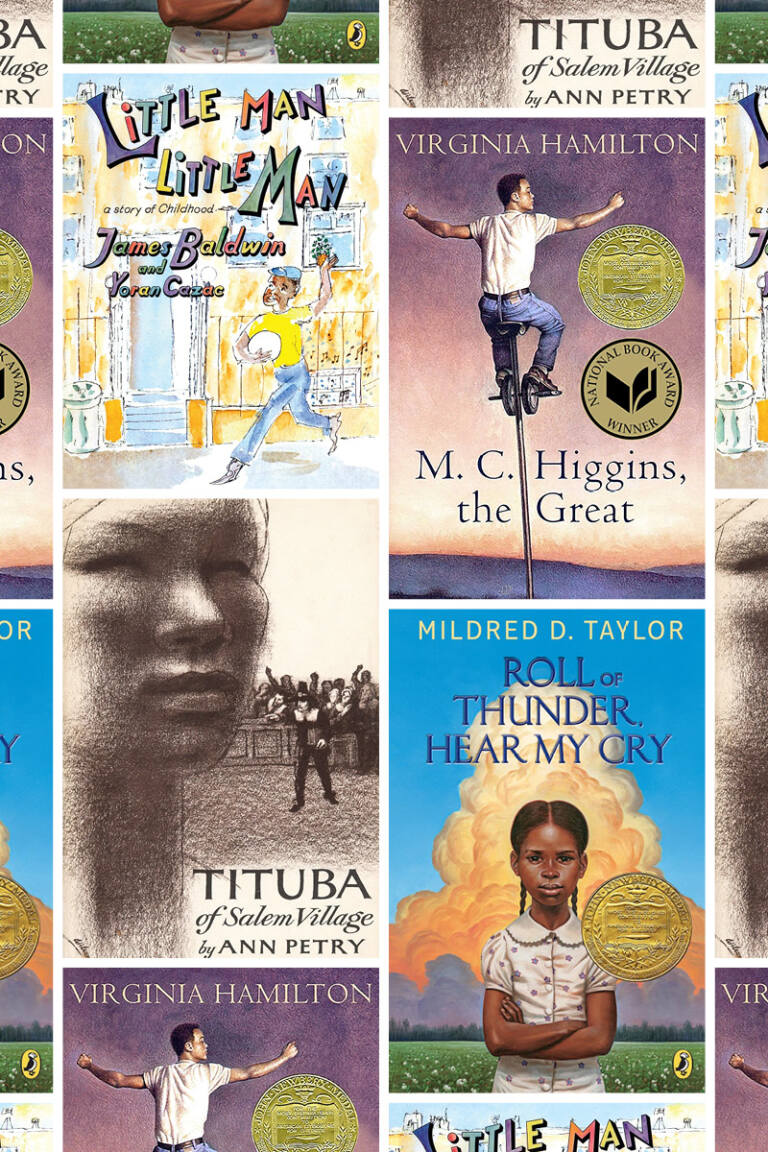
Reading Classic Black Children’s Novels with Gale Greenlee
4 Sessions Wednesdays, 6:00 pm EDT - 7:30 pm EDT July 8 to September 9, 2026
-
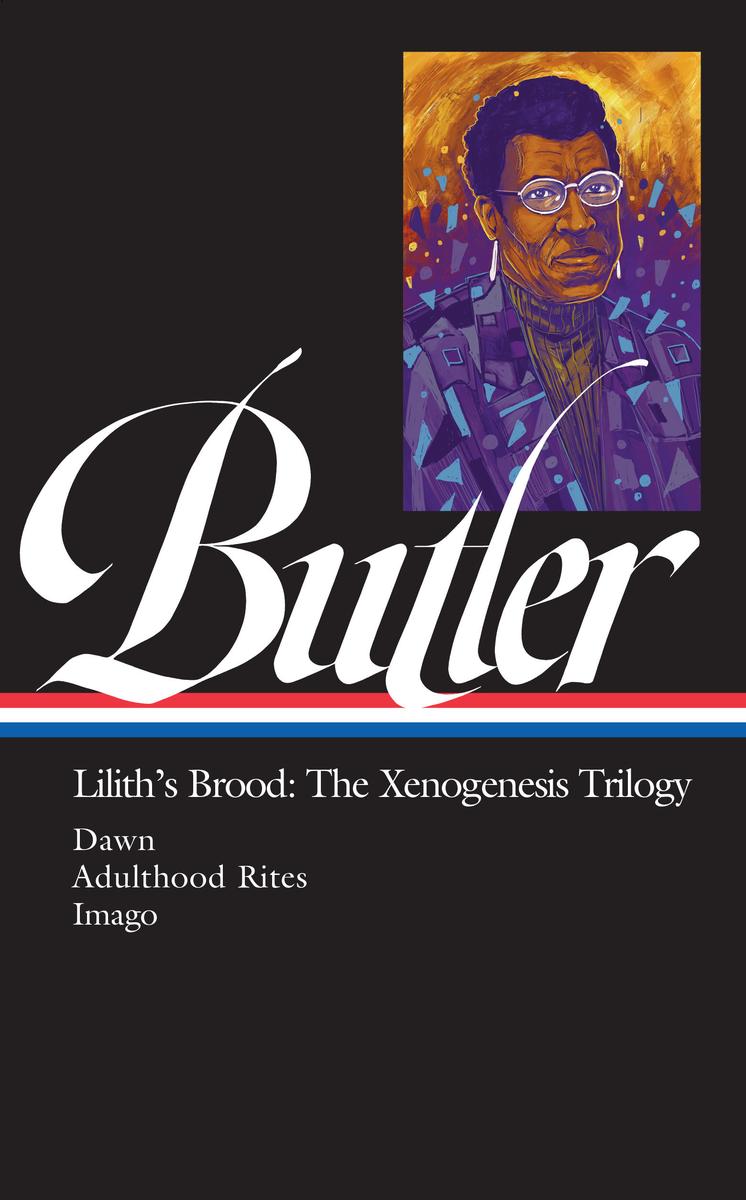
Octavia E. Butler's Xenogenesis Trilogy with Alaya Dawn Johnson
3 Sessions Saturdays, 1:00 pm EDT - 2:30 pm EDT July 11 to August 22, 2026
-
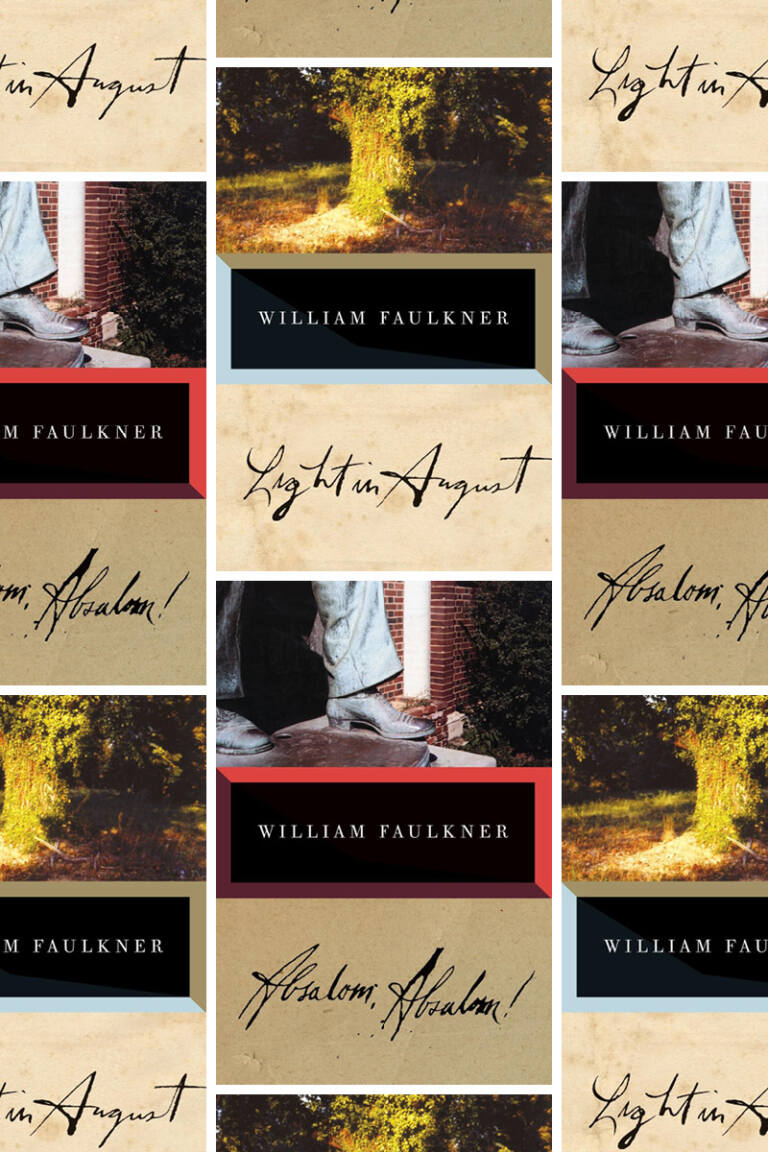
What the South Knew: Faulkner in the Trump Era with Linda Chavers
4 Sessions Saturdays, 11:00 am EDT - 12:30 pm EDT July 11 to August 22, 2026
-
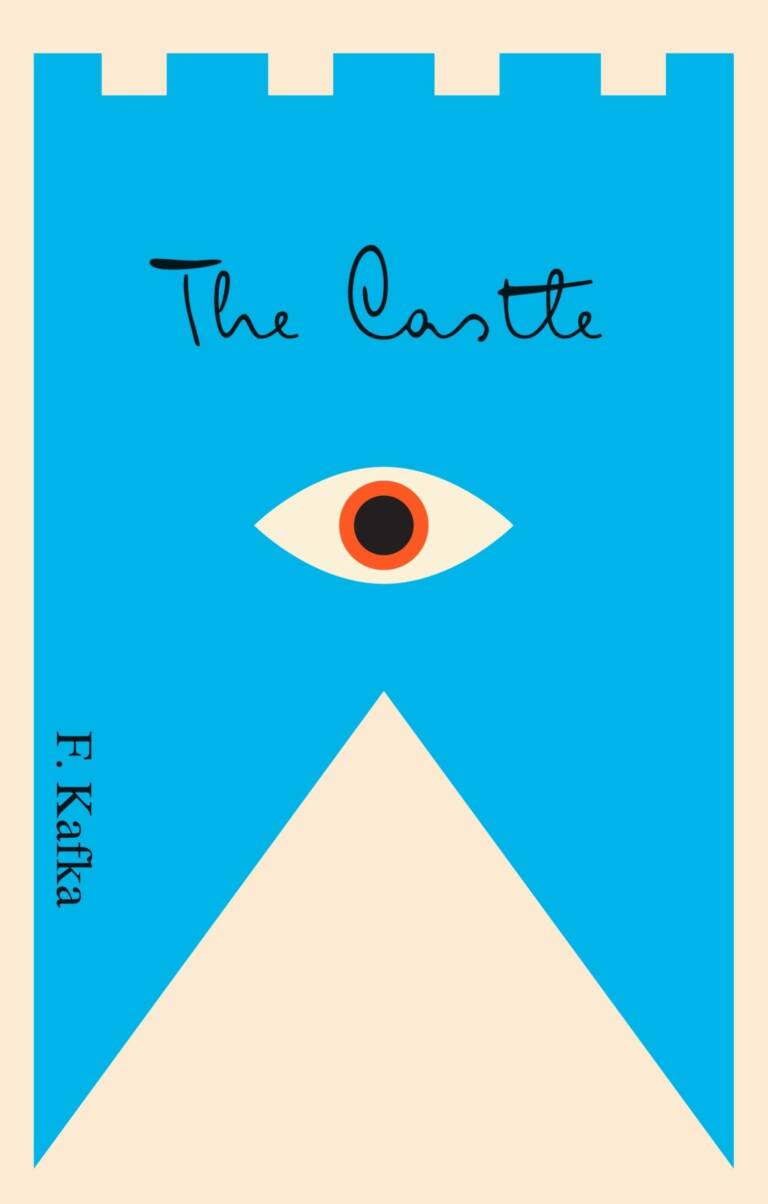
Franz Kafka’s The Castle with Martha Cooley
4 Sessions Sundays, 11:00 am EDT - 12:30 pm EDT July 12 to August 23, 2026
-

Crushes: The Art of the Swoon with Erica Peplin
Once a week Sundays, 6:00 pm EDT - 8:00 pm EDT July 12 to August 16, 2026
-

Crafting Novels on Notecards: Techniques from Nabokov with Jeff Boyd
Once a week Mondays, 6:00 pm EDT - 8:00 pm EDT July 13 to August 17, 2026
-

Writing the Story Only You Can Tell with Vanessa Walters
Once a week Mondays, 7:00 pm EDT - 9:00 pm EDT July 13 to August 3, 2026
-
In Short: Shirley Jackson’s "The Summer People” with Lesley Finn
Tuesday, 6:30 pm EDT - 8:00 pm EDT July 14, 2026
-
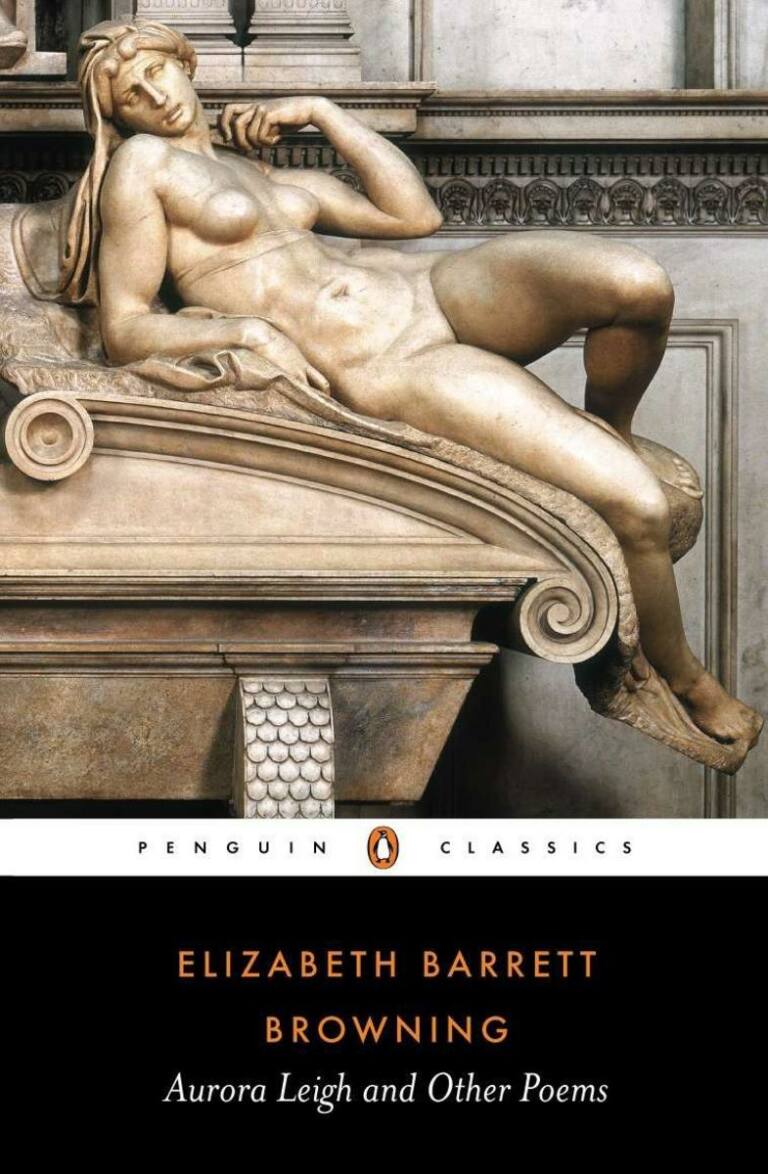
Elizabeth Barrett Browning's Aurora Leigh with Joanna Biggs
Once a week Thursdays, 6:30 pm EDT - 8:00 pm EDT July 16 to August 6, 2026