
$445
6 Sessions
Out of stock

Once a week Wednesdays, 7:00 pm EDT - 9:00 pm EDT January 7 to February 11, 2026

Online via Zoom
This writing workshop is now sold out. Please email [email protected] to join the waitlist—and become a member for early access to future programming.
Gothic fiction has existed since the 18th century, and its aesthetics of fear, haunting, and charged atmosphere continue to entice us. In this six-week generative workshop, we’ll learn how to trade the candlelit castle for contemporary life, all while building the same kinds of characters, settings, and tensions that have shaped Gothic fiction for centuries.
This is a generative writing class in which we’ll discuss key elements of the Gothic, read short stories and novel excerpts from 20th- and 21st-century writers, and transform our insights into creative prompts. Topics will include moving between literal and metaphorical hauntings; layering the past and present; crafting atmosphere within inherited spaces such as family homes; exploring regional Gothics; and learning techniques for unsettling realism or adding a touch of the supernatural to our fiction.
To explore atmosphere and mood, character psychology, and disquieting settings, we may read from writers such as Shirley Jackson, Daphne du Maurier, Toni Morrison, Silvia Moreno-Garcia, Donna Tartt, and Mona Awad. Participants will have the option to generate several short fiction pieces through prompts and have the opportunity to workshop one of their stories during the class.
Course Outline: Every student will have the chance to share generative writing responses and to workshop one of their pieces created during this course. The class will include weekly readings (all provided by the instructor) and opportunities for peer feedback. This workshop is ideal for both beginner and intermediate writers.
- Week 1: Introduction to the Gothic. We’ll start by defining the Gothic and its key elements: fear, isolation, atmosphere, and the return of the past. From there, we’ll examine how castles and catacombs have given way to our contemporary landscapes: suburbs, apartments, and cities. Particular attention will be paid to how traditional Gothic architecture can be reimagined in modern settings.
- Week 2: The Atmospheric Image. Building on our first week, we’ll explore the poetic unit of the image in more detail, considering how atmosphere doubles as the emotional landscape of place and character. By focusing on sensory detail, we’ll discuss how to evoke sensations such as dread, unease, and haunting—and how subtle shifts in tone can make a scene feel charged or uncanny.
- Week 3: The Haunted Mind & Character Psychology. After focusing on exterior spaces, we’ll turn inward to the interiority of characters: isolation, repression, obsession, and unreliable narration. We’ll study examples in contemporary fiction to see how psychological confinement can substitute for physical entrapment—and how alienation and obsession drive Gothic tension.
- Week 4: The Past Isn’t Past – Temporal Layering and Inheritance. The Gothic has a clever way of layering time, allowing the past to persist within the present. We’ll discuss how history, trauma, and family legacy haunt characters and spaces. Focusing on motifs such as the inherited home, heirloom, or artifact, we’ll study narrative techniques for weaving memory, time slips, and echoing voices into a single narrative thread.
- Week 5: Between Metaphor and Manifestation – The Supernatural. Something central to the Gothic is the space between realism and the supernatural. Sometimes characters feel so haunted that it almost seems as if a ghost is in the room with them; sometimes there are literal specters and monsters. We’ll discuss writing metaphorical ghosts (trauma, guilt, repression, absence) and explore how ambiguity can heighten narrative tension. We’ll also examine the more literal monsters of the tradition—ghouls, vampires, and mad scientists—and how these figures can be reimagined today.
- Week 6: The Regional Gothic. After exploring the many tropes and ingredients of the Gothic, we’ll turn to how they intersect with American (and international) regionalism. What makes the Southern Gothic its own subgenre, and how might Gothic ideas take shape in the Northeast, Midwest, or Southwest? We’ll discuss how regional culture, landscape, and history can shape our stories—and how the myths of place reveal what haunts us collectively.
Teaching Style: In this workshop, I emphasize close reading, open discussion, and creative experimentation. Each week, we’ll look at literary examples to see how writers build the Gothic, then use generative prompts to begin our own pieces. Students can expect a supportive, open-minded environment for drafting and workshopping fiction in whatever form feels most authentic to them.
Level: Introductory
This course is held online via Zoom.
Led by
-

JD Scott
JD Scott
JD Scott is the author of the story collection Moonflower, Nightshade, All the Hours of the Day (&NOW Books, 2020) and the poetry collection Mask for Mask (New Rivers Press, 2021). Scott’s writing has appeared in Best Experimental Writing, Best New Poets, Denver Quarterly, Prairie Schooner, Indiana Review, Hayden’s Ferry Review, and elsewhere.

About this series
Writing Workshops
We strive to make our classes the most inviting and rewarding available, offering an intimate environment to study with award-winning, world-class writers. Each class is specially designed by the instructor, so whether you’re a fledgling writer or an MFA graduate polishing your novel, you’ll find a perfect fit here.
-
The Literarians
Wednesday, 12:30 pm EDT - 1:30 pm EDT June 17, 2026
-
In Short: Hans Christian Andersen's “The Little Mermaid” with Amanda Hollander
Thursday, 6:30 pm EDT - 8:00 pm EDT June 18, 2026
-

300 Words a Day: Crush Writer’s Block and Build a Habit with Pablo Ottonello
Once a week Mondays, 7:00 pm EDT - 9:00 pm EDT June 22 to July 27, 2026
-

Memoir 101 with Rax King
Once a week Wednesdays, 6:00 pm EDT - 8:00 pm EDT June 24 to July 15, 2026
-

Advanced Short Story Workshop with Amy Silverberg
Once a week Thursdays, 7:00 pm EDT - 9:00 pm EDT June 25 to August 13, 2026
-

In Short: Ben Lerner's "The Hofmann Wobble" with Matilda Lin Berke
Tuesday, 6:30 pm EDT - 8:00 pm EDT July 7, 2026
-

Opening Movements: How Great Stories Begin with Doug Jones
Once a week Tuesdays, 7:00 pm EDT - 9:00 pm EDT July 7 to August 11, 2026
-
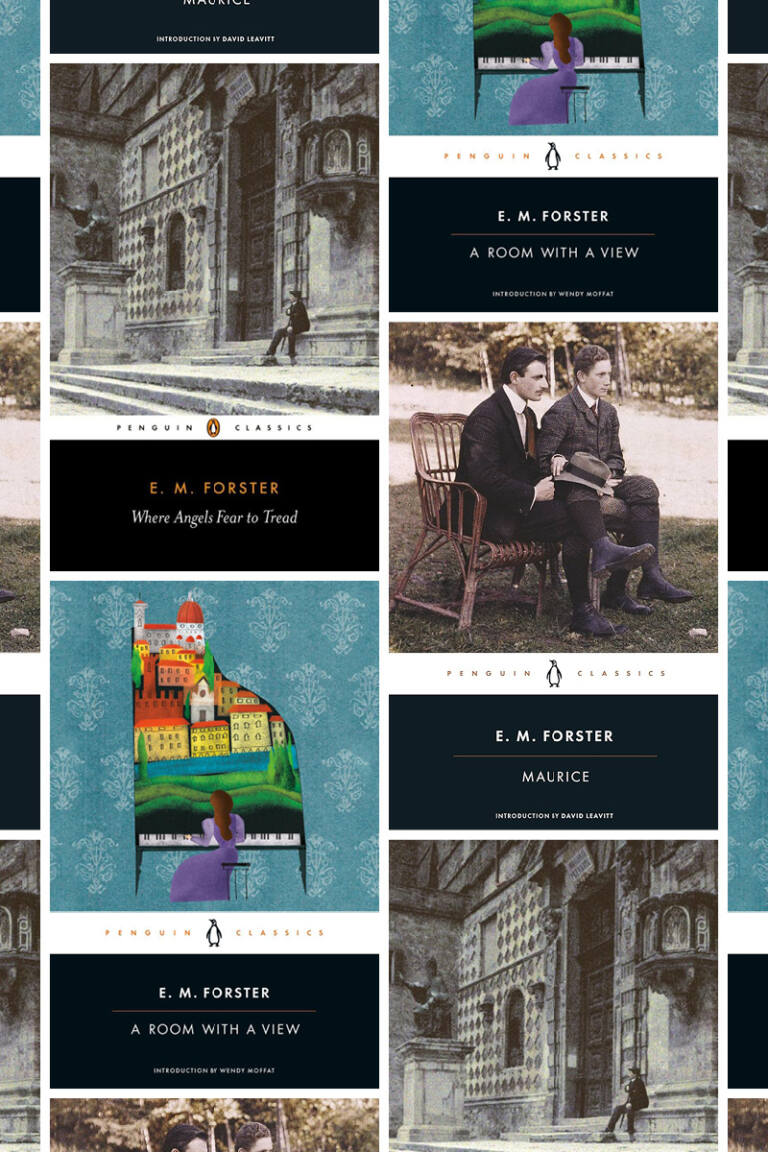
E. M. Forster’s Summer of Love with Pam Newton
3 Sessions Wednesdays, 6:30 pm EDT - 8:00 pm EDT July 8 to August 26, 2026
-
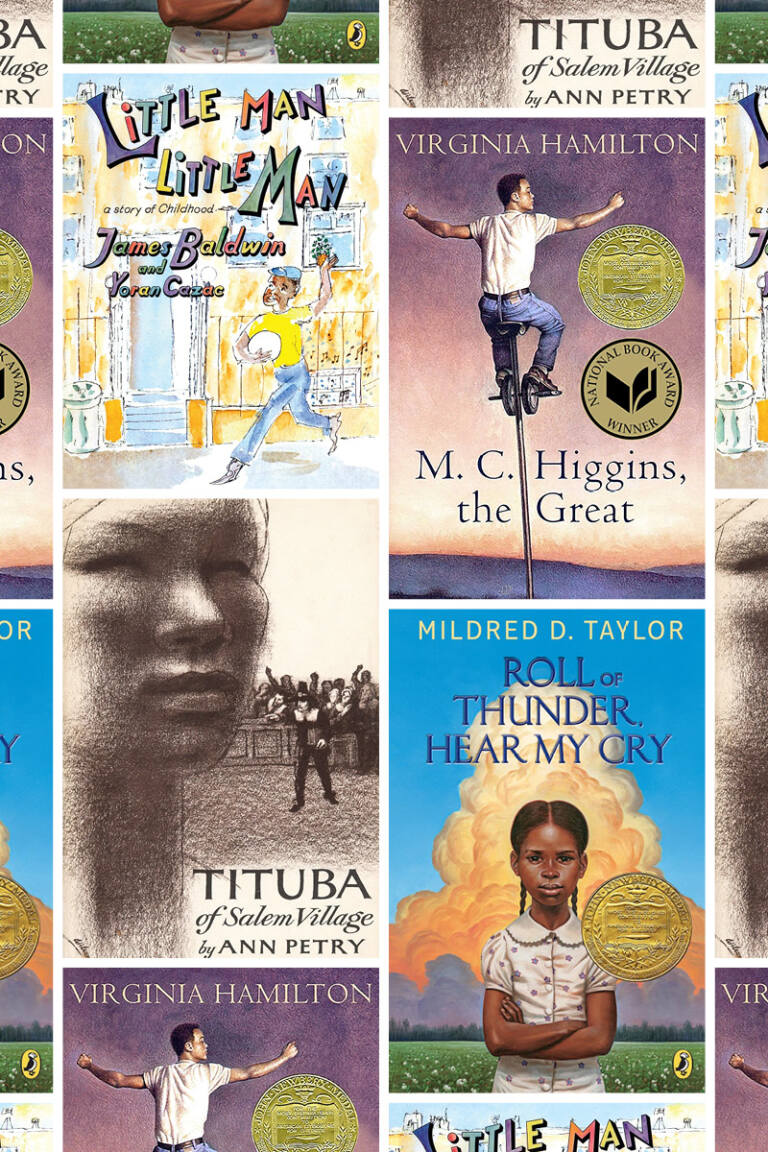
Reading Classic Black Children’s Novels with Gale Greenlee
4 Sessions Wednesdays, 6:00 pm EDT - 7:30 pm EDT July 8 to September 9, 2026
-
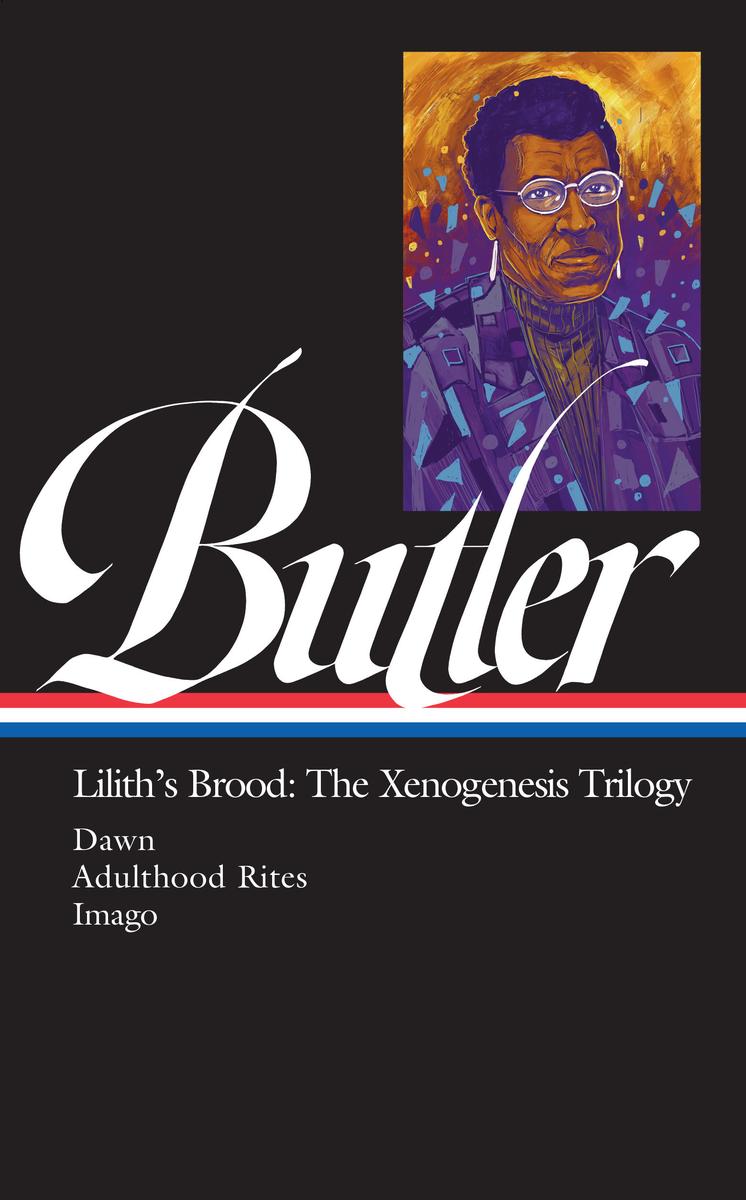
Octavia E. Butler's Xenogenesis Trilogy with Alaya Dawn Johnson
3 Sessions Saturdays, 1:00 pm EDT - 2:30 pm EDT July 11 to August 22, 2026
-
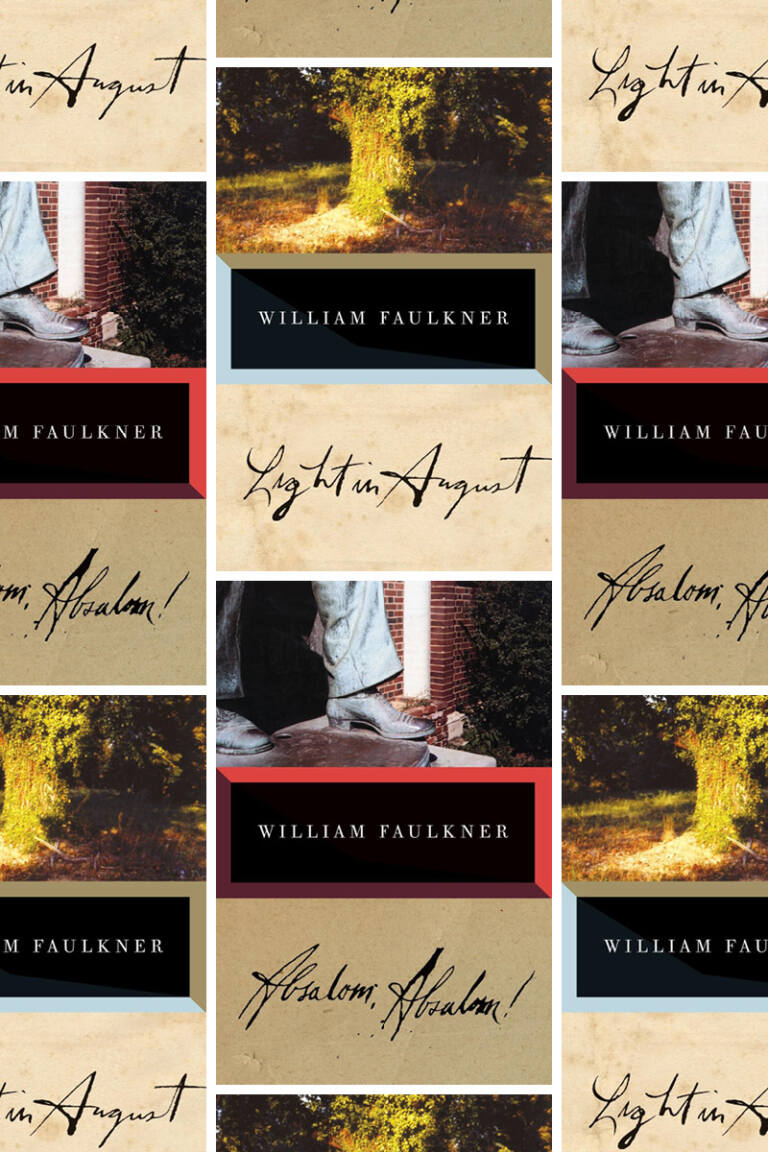
What the South Knew: Faulkner in the Trump Era with Linda Chavers
4 Sessions Saturdays, 11:00 am EDT - 12:30 pm EDT July 11 to August 22, 2026
-
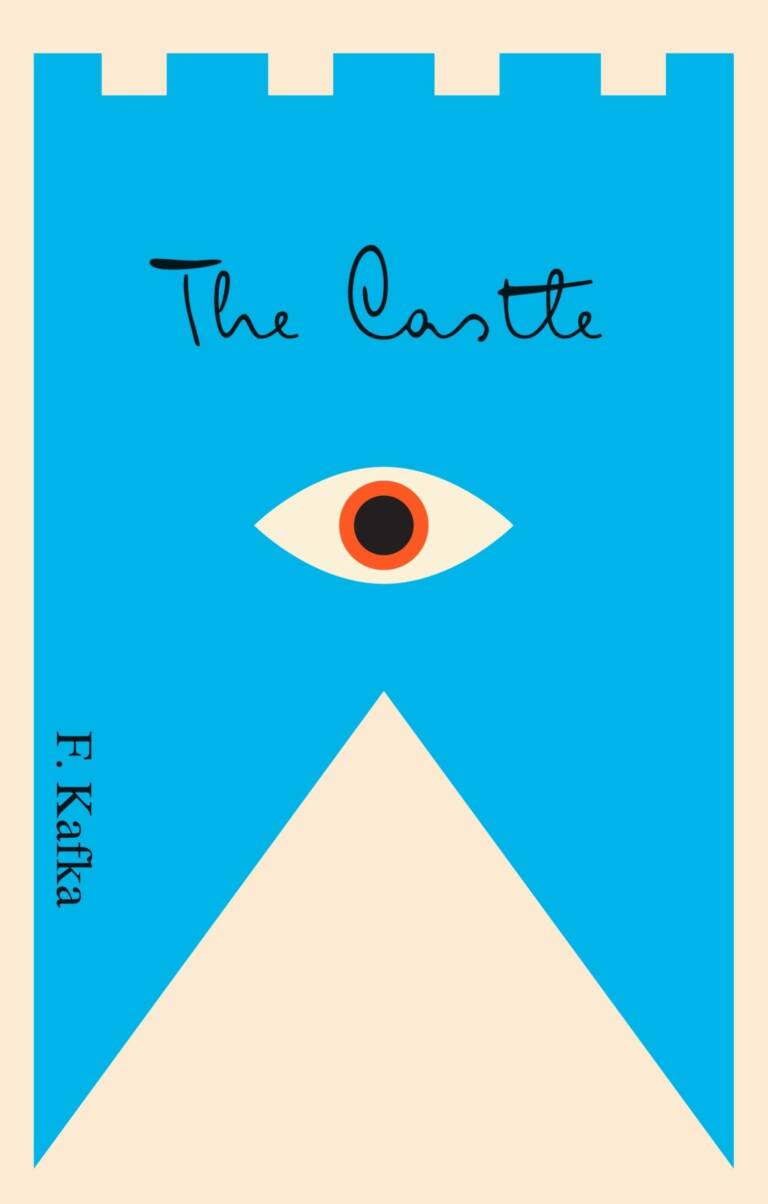
Franz Kafka’s The Castle with Martha Cooley
4 Sessions Sundays, 11:00 am EDT - 12:30 pm EDT July 12 to August 23, 2026
-

Crushes: The Art of the Swoon with Erica Peplin
Once a week Sundays, 6:00 pm EDT - 8:00 pm EDT July 12 to August 16, 2026
-
The Nightlighters
Monday, 6:00 pm EDT - 7:30 pm EDT July 13, 2026
-

Crafting Novels on Notecards: Techniques from Nabokov with Jeff Boyd
Once a week Mondays, 6:00 pm EDT - 8:00 pm EDT July 13 to August 17, 2026
-

Writing the Story Only You Can Tell with Vanessa Walters
Once a week Mondays, 7:00 pm EDT - 9:00 pm EDT July 13 to August 3, 2026
-
In Short: Shirley Jackson’s "The Summer People” with Lesley Finn
Tuesday, 6:30 pm EDT - 8:00 pm EDT July 14, 2026
-
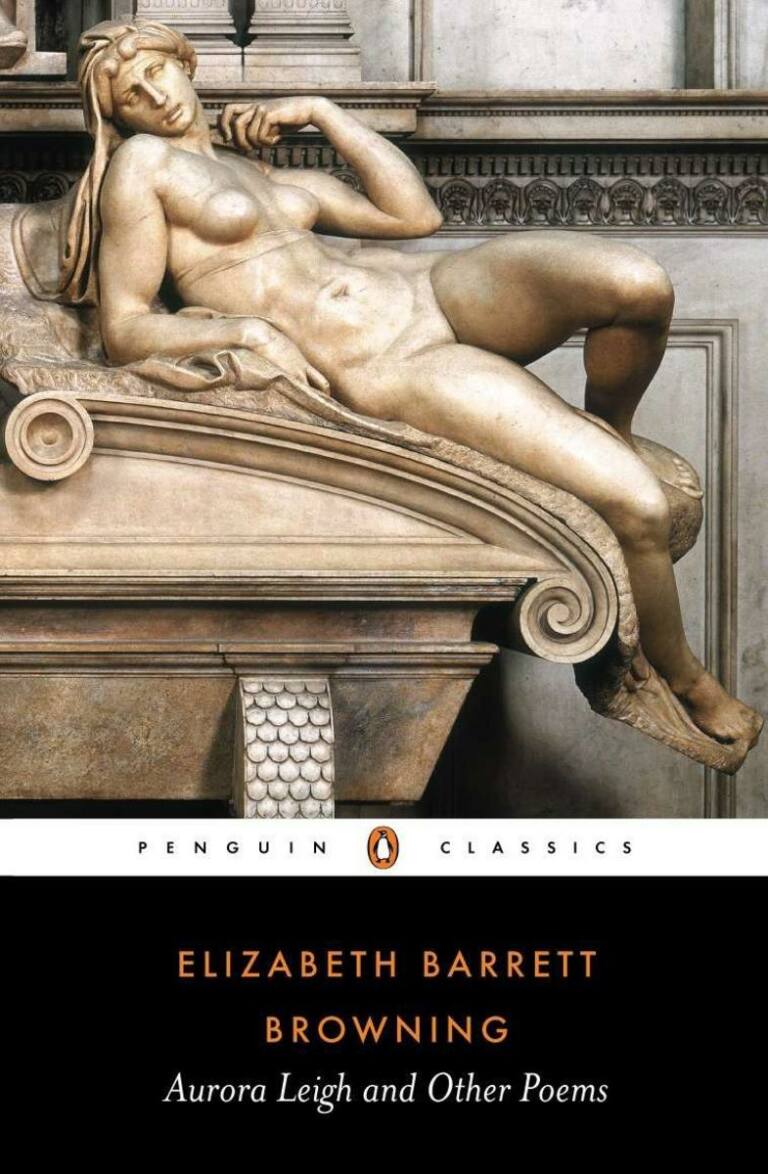
Elizabeth Barrett Browning's Aurora Leigh with Joanna Biggs
Once a week Thursdays, 6:30 pm EDT - 8:00 pm EDT July 16 to August 6, 2026
-
In Short: William Faulkner's "Mistral" with Carl Rollyson
Thursday, 7:00 pm EDT - 8:30 pm EDT July 16, 2026
-
The Art of Emotion in Fiction with Alec Niedenthal
Once a week Thursdays, 6:00 pm EDT - 8:00 pm EDT July 16 to August 13, 2026