

10 Sessions Tuesdays, 5:00 pm EDT - 6:30 pm EDT December 16, 2025 to September 8, 2026

Online via Zoom
The ‘With Book’ option includes a copy of the title required for this group at a 10% discount from our Bookstore.
Meeting Dates:
12/16, 1/13, 2/10, 3/10, 4/14, 5/12, 6/9, 7/14, 8/11, 9/8
Online via Zoom
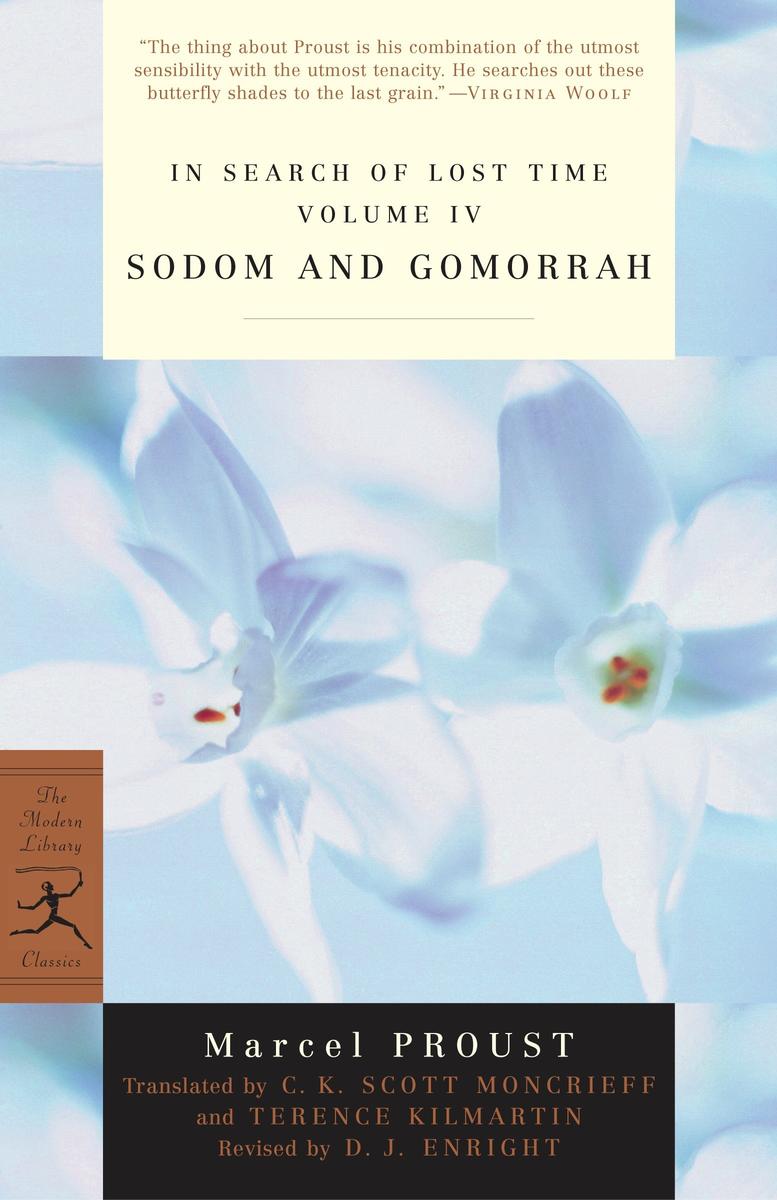
“An open book is time regained,” wrote Bernard de Fallois, a legendary French editor and Proustian who, upon dying in 2018, released a trove of previously unpublished Proust stories. Marcel Proust, beginning with Swann’s Way, and continuing with Within a Budding Grove, The Guermantes Way and Sodom and Gomorrhah—the novel at hand this coming December—points the way to the sensual nature of time. Time is evanescent, and yet may, at any moment, loop back around itself. Sodom and Gomorrah goes on weaving the cycle of time, enriching it with the myriad chords and colors of social yearning and sexual desire (between men; between women.) Desire, Proust tells us, is the prime mover of the imagination and its fraught golden lining. An inquiry into both the minor and major violences of social life and the libertarian nature of wanting, Sodom and Gomorrah tells us how, against all odds, time is a gift if we know to become, attentively, shamelessly, its lover. These next ten sessions will focus primarily on Sodom and Gomorrah.
Our class, in its beginnings and entirety (the seven volumes across six years), will allow participants to fully experience the essence of the Proustian: from the sensorial, and quietly cataclysmic, experience of the madeleine to the epiphany of the loose paving stone and the great, final ball of the Guermantes. We will also delve into each extraordinary character (biographical or not): the narrator himself, Swann, Odette, Saint-Loup, Madame Verdurin, and many others whose affect and vision deeply influenced our perception of modern sensibility. We will examine the acumen with which Proust describes the fracturing of the French social structure in response to the Dreyfus Affair and the Great War, as well as his groundbreaking exploration of the versatile, and at times perverse, nature of love.
Participants are encouraged to use Moncrieff’s translation for ease and consistency within the group.
What to read in advance of the first meeting: Participants should read the first 50 pages of Sodom and Gomorrah (Volume IV) ahead of the first class. Thereafter, roughly fifty pages will be discussed per session, and the reading group leader will be in touch with the group ahead of each session to indicate which particular passages the session will focus on.
What to expect from this reading group: Participants will actively discuss the fourth volume over the course of 10 sessions within a single calendar year. Roughly fifty pages will be discussed per live session, paying particular attention to narrative texture, intent, and tenor.
Pricing inclusive of sales tax if applicable. Please note: All virtual classes are recorded. Please click here for information about our recording policy.
Led by
-

Lila Azam Zanganeh
Lila Azam Zanganeh
Lila Azam Zanganeh was born in Paris to Iranian parents. After studying literature and philosophy at the Ecole Normale Supérieure, she moved to the United States to teach literature and cinema at Harvard University. She has contributed criticism, interviews and essays to a host of publications including the New York Times, the New Yorker, Le Monde, La Repubblica, and the Paris Review. Her first book, The Enchanter: Nabokov and Happiness, was the recipient of the 2011 Roger Shattuck Prize and was published worldwide in thirteen languages. Lila serves as a Director on the Board of Trustees for the Vladimir Nabokov Literary Foundation and as a member of the Advisory Board of Libraries Without Border. She has also served as a judge for the Man Booker Prize and the PEN/Nabokov Award for Achievement in International Literature. Her forthcoming novel, Exit Paradise, will be published in 2025.

About this series
Reading Groups
Whether you’re looking to catch up on great novels or you’re interested in exploring a new writer or literary period, our reading groups offer high-level literary discussion led by experts in the field.
-

Getting Unstuck: A Weekend Intensive with Ramona Ausubel
Sunday, 12:00 pm EDT - 1:30 pm EDT June 7, 2026
-

The Nightlighters
Monday, 6:00 pm EDT - 7:30 pm EDT June 8, 2026
-

Channel Your Intuition: A One-Day Creative Nonfiction Intensive with Emily Rapp Black
Saturday, 12:00 pm EDT - 1:30 pm EDT June 13, 2026
-
The Literarians
Wednesday, 12:30 pm EDT - 1:30 pm EDT June 17, 2026
-
In Short: Hans Christian Andersen's “The Little Mermaid” with Amanda Hollander
Thursday, 6:30 pm EDT - 8:00 pm EDT June 18, 2026
-

300 Words a Day: Crush Writer’s Block and Build a Habit with Pablo Ottonello
Once a week Mondays, 7:00 pm EDT - 9:00 pm EDT June 22 to July 27, 2026
-
Memoir 101 with Rax King
Once a week Wednesdays, 6:00 pm EDT - 8:00 pm EDT June 24 to July 15, 2026
-

Advanced Short Story Workshop with Amy Silverberg
Once a week Thursdays, 7:00 pm EDT - 9:00 pm EDT June 25 to August 13, 2026
-

In Short: Ben Lerner's "The Hofmann Wobble" with Matilda Lin Berke
Tuesday, 6:30 pm EDT - 8:00 pm EDT July 7, 2026
-

Opening Movements: How Great Stories Begin with Doug Jones
Once a week Tuesdays, 7:00 pm EDT - 9:00 pm EDT July 7 to August 11, 2026
-
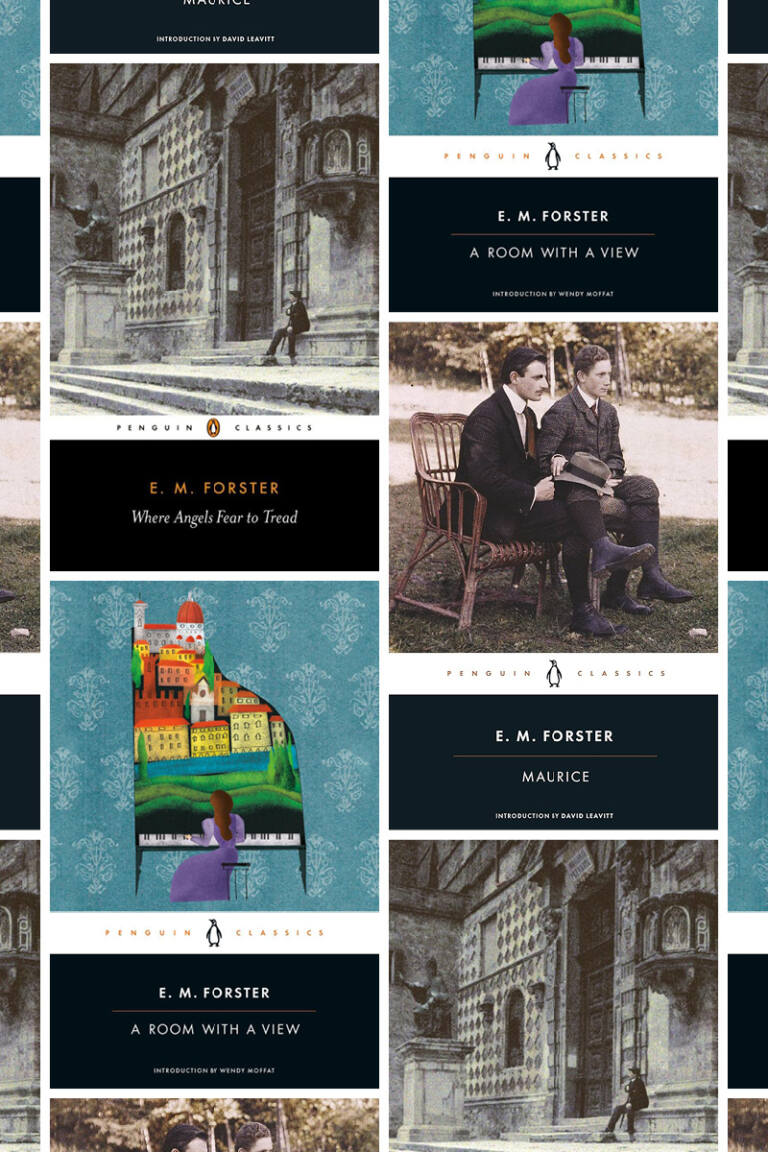
E. M. Forster’s Summer of Love with Pam Newton
3 Sessions Wednesdays, 6:30 pm EDT - 8:00 pm EDT July 8 to August 26, 2026
-
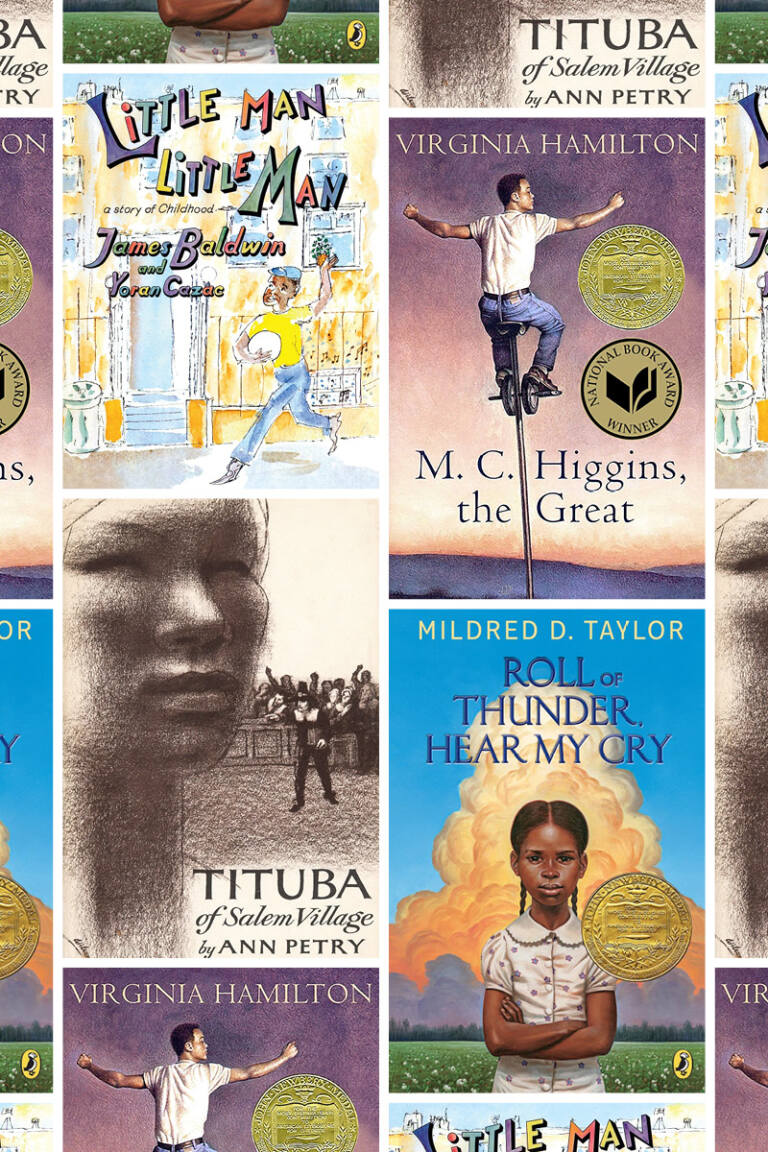
Reading Classic Black Children’s Novels with Gale Greenlee
4 Sessions Wednesdays, 6:00 pm EDT - 7:30 pm EDT July 8 to September 9, 2026
-
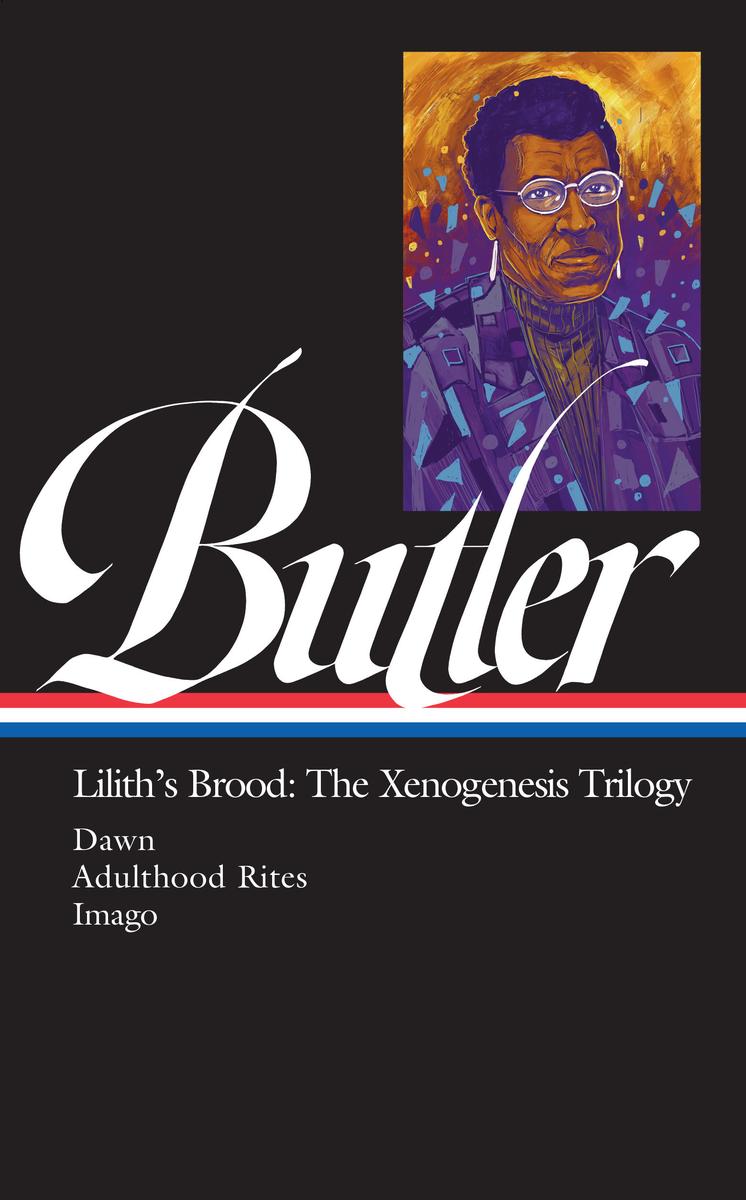
Octavia E. Butler's Xenogenesis Trilogy with Alaya Dawn Johnson
3 Sessions Saturdays, 1:00 pm EDT - 2:30 pm EDT July 11 to August 22, 2026
-
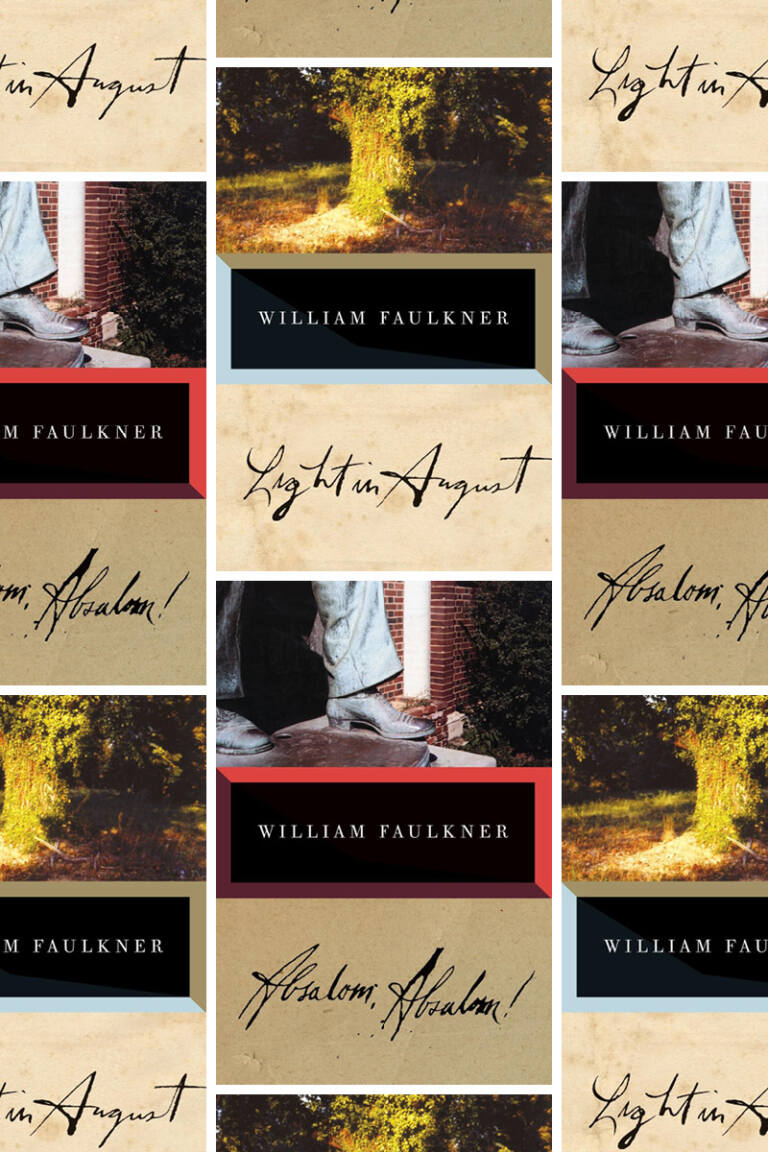
What the South Knew: Faulkner in the Trump Era with Linda Chavers
4 Sessions Saturdays, 11:00 am EDT - 12:30 pm EDT July 11 to August 22, 2026
-
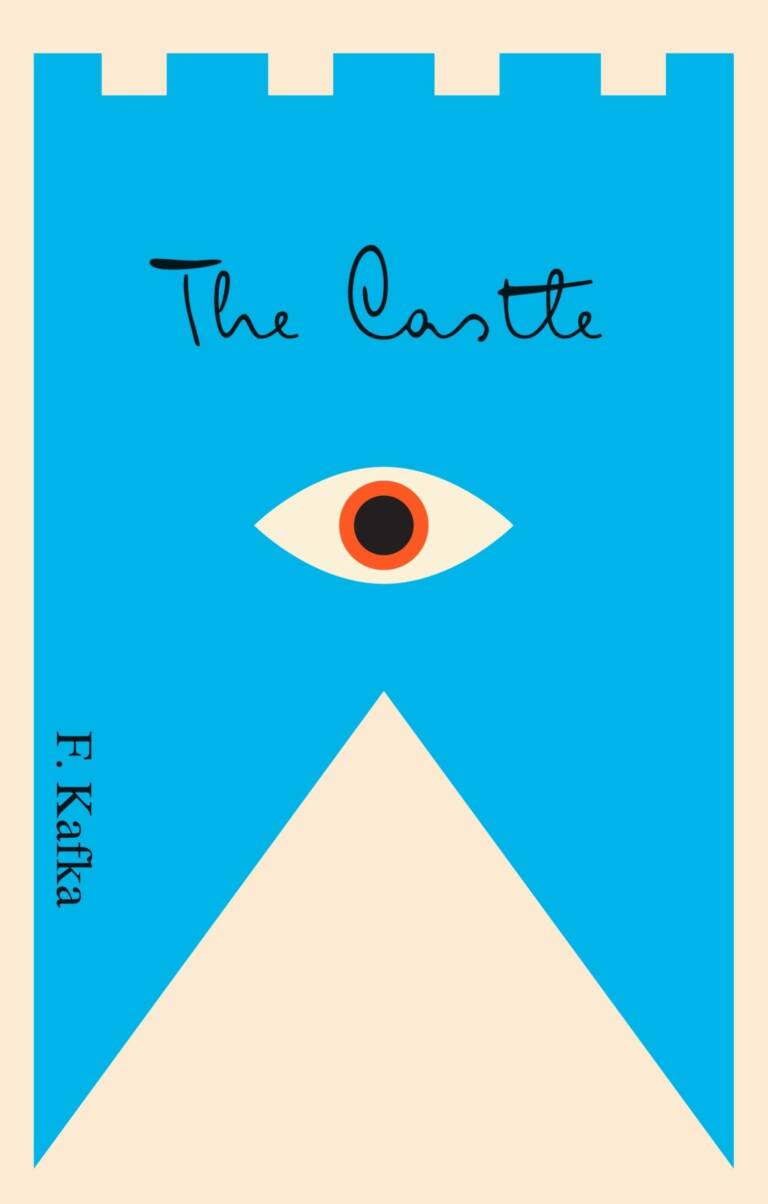
Franz Kafka’s The Castle with Martha Cooley
4 Sessions Sundays, 11:00 am EDT - 12:30 pm EDT July 12 to August 23, 2026
-

Crushes: The Art of the Swoon with Erica Peplin
Once a week Sundays, 6:00 pm EDT - 8:00 pm EDT July 12 to August 16, 2026
-

Crafting Novels on Notecards: Techniques from Nabokov with Jeff Boyd
Once a week Mondays, 6:00 pm EDT - 8:00 pm EDT July 13 to August 17, 2026
-

Writing the Story Only You Can Tell with Vanessa Walters
Once a week Mondays, 7:00 pm EDT - 9:00 pm EDT July 13 to August 3, 2026
-
In Short: Shirley Jackson’s "The Summer People” with Lesley Finn
Tuesday, 6:30 pm EDT - 8:00 pm EDT July 14, 2026
-
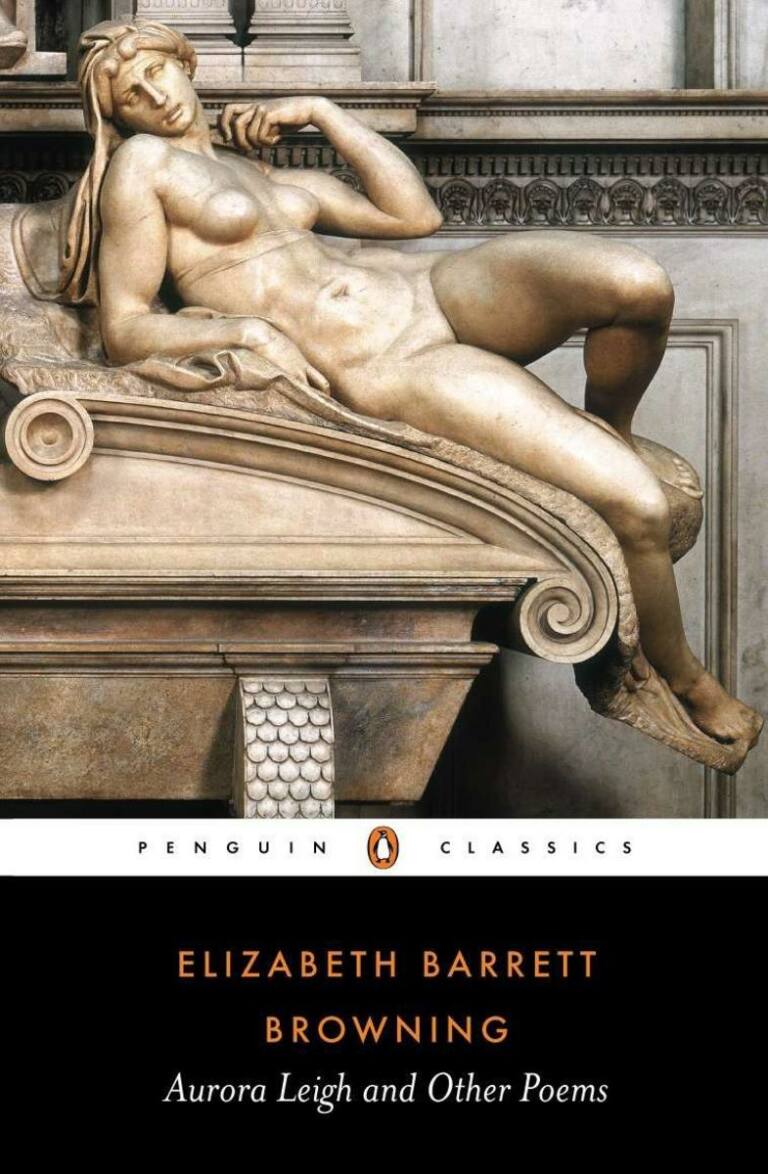
Elizabeth Barrett Browning's Aurora Leigh with Joanna Biggs
Once a week Thursdays, 6:30 pm EDT - 8:00 pm EDT July 16 to August 6, 2026