
$345
4 Sessions
Out of stock

Once a week Thursdays, 6:00 pm EDT - 8:00 pm EDT June 4 to June 25, 2026

Online via Zoom
This writing workshop is now sold out. Please email [email protected] to join the waitlist—and become a member for early access to future programming.
How do we navigate the minefield of story ownership and permission when crafting a narrative that involves others—which it inevitably will? What makes a great memoir what it is, versus a simple recollection of experience or an information dump?
In this generative memoir workshop, I will explore the concepts of permission-to-tell, story ownership, and motivation in the writing of memoir and essay. Together, we will focus on separating the wheat from the chaff within the narrative, and learn how to find the kernel—the heart of the story that must be told—that teems with life, even at its most subdued. Through short readings, exercises, and the brief sharing of work, you will practice writing with intimacy and clarity, and learn to trust your right to tell the story that belongs to you. Short readings (distributed ahead of the first class meeting) will include Melissa Febos, Alexander Chee, Mark Doty, Marie Howe, Emily Bernard, and others.
Course Outline:
- Week 1: The question of story ownership and the process of inquiry. Understanding the story you are trying to tell, and mining the narrative until you get to its kernel. What is the core of the story? How do issues of story ownership come into play for you personally? What are the risks? What is imaginary, and what is real? Short exercise (15 min, to be shared or not, depending on inclination and class size).
- Week 2: Who is your narrator, what is motivating them, and what is their point of view? How vital are the secrets to the story as a whole? Must they be told—or are you writing from a place of revenge/sadness/rage/fury? How do you know? Discussion about understanding what happens when revenge writing drives the story, and how to avoid it. Short exercise (15 min, to be shared or not, depending on inclination and class size).
- Week 3: Who are your “characters” and how must they cope with the question of permission and story ownership? Discussion about the use of negative space, how to tell/not tell, how to write into a place of ambiguity, and why you don’t have to tell your reader absolutely everything absolutely all of the time. Short exercise (15 min, to be shared or not, depending on inclination and class size).
- Week 4: Voice and its impact on permission and the heart of the story. Staying within voice—or stepping out—and how it can be used to create narratively controlled intimacy that allows you to push the boundaries of permission. Discussion of time and tense, and how the changing of tense can short-circuit permission and story-ownership fears. Short exercise (15 min, to be shared or not, depending on inclination and class size). A portion of this class will invite participants to read their work.
Teaching Style: My workshops are always both conversational and participant-driven. By its nature, the subject of permission can be a daunting one: Students often come to the table with a story they “must” tell, and either they haven’t started work on it out of fear, or they have, and become paralyzed by it. Therefore, as an imperative, my workshops are conversational and warm but rigorous, and most importantly, safe. I want each person to leave at the end of every meeting and be inspired to sit down and write.
Level: Intermediate
This course is held online via Zoom.
Led by
-

Elissa Altman
Elissa Altman
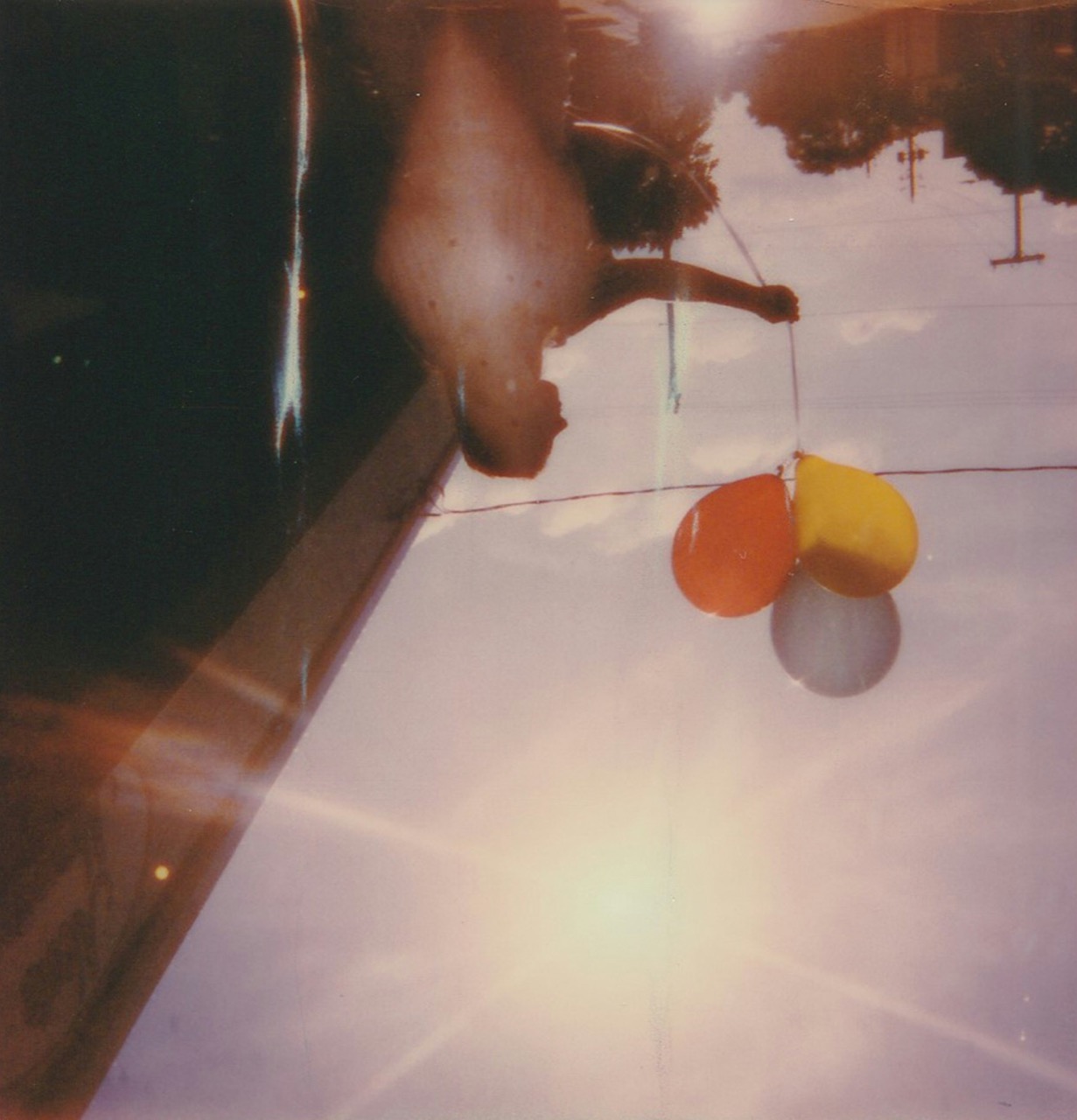
Elissa Altman is the award-winning author of the hybrid memoir Permission: The New Memoirist and the Courage to Create, and the memoirs Motherland, Treyf, and Poor Man’s Feast. Winner of the James Beard Award, Altman was a finalist for The Frank McCourt Memoir Prize, the Maine Literary Award, the Connecticut Book Award, and the Pushcart Prize. Her work can be found in the Bitter Southerner, Orion, On Being, Lion’s Roar, the Guardian, and beyond. She lives in Connecticut with her wife, book designer Susan Turner.
About this series
Writing Workshops
We strive to make our classes the most inviting and rewarding available, offering an intimate environment to study with award-winning, world-class writers. Each class is specially designed by the instructor, so whether you’re a fledgling writer or an MFA graduate polishing your novel, you’ll find a perfect fit here.
-

Getting Unstuck: A Weekend Intensive with Ramona Ausubel
Sunday, 12:00 pm EDT - 1:30 pm EDT June 7, 2026
-

The Nightlighters
Monday, 6:00 pm EDT - 7:30 pm EDT June 8, 2026
-

Channel Your Intuition: A One-Day Creative Nonfiction Intensive with Emily Rapp Black
Saturday, 12:00 pm EDT - 1:30 pm EDT June 13, 2026
-
The Literarians
Wednesday, 12:30 pm EDT - 1:30 pm EDT June 17, 2026
-
In Short: Hans Christian Andersen's “The Little Mermaid” with Amanda Hollander
Thursday, 6:30 pm EDT - 8:00 pm EDT June 18, 2026
-

300 Words a Day: Crush Writer’s Block and Build a Habit with Pablo Ottonello
Once a week Mondays, 7:00 pm EDT - 9:00 pm EDT June 22 to July 27, 2026
-

Memoir 101 with Rax King
Once a week Wednesdays, 6:00 pm EDT - 8:00 pm EDT June 24 to July 15, 2026
-
Advanced Short Story Workshop with Amy Silverberg
Once a week Thursdays, 7:00 pm EDT - 9:00 pm EDT June 25 to August 13, 2026
-

In Short: Ben Lerner's "The Hofmann Wobble" with Matilda Lin Berke
Tuesday, 6:30 pm EDT - 8:00 pm EDT July 7, 2026
-

Opening Movements: How Great Stories Begin with Doug Jones
Once a week Tuesdays, 7:00 pm EDT - 9:00 pm EDT July 7 to August 11, 2026
-
E. M. Forster’s Summer of Love with Pam Newton
3 Sessions Wednesdays, 6:30 pm EDT - 8:00 pm EDT July 8 to August 26, 2026
-
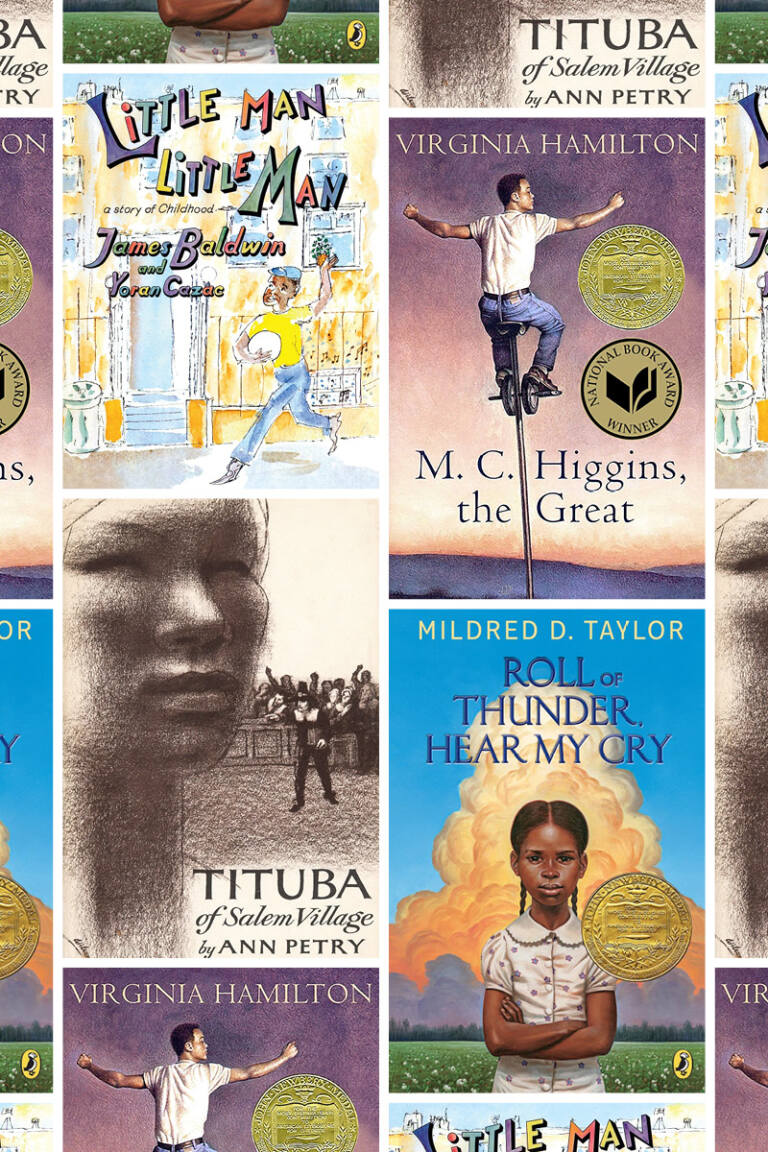
Reading Classic Black Children’s Novels with Gale Greenlee
4 Sessions Wednesdays, 6:00 pm EDT - 7:30 pm EDT July 8 to September 9, 2026
-
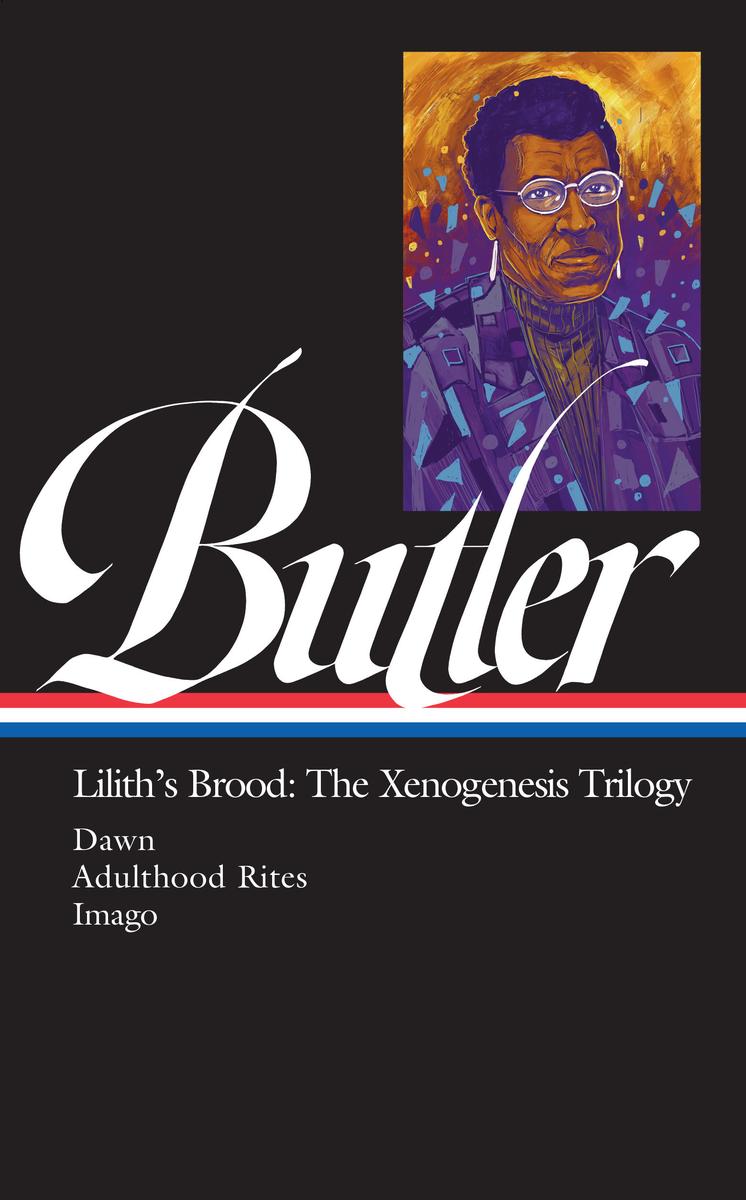
Octavia E. Butler's Xenogenesis Trilogy with Alaya Dawn Johnson
3 Sessions Saturdays, 1:00 pm EDT - 2:30 pm EDT July 11 to August 22, 2026
-
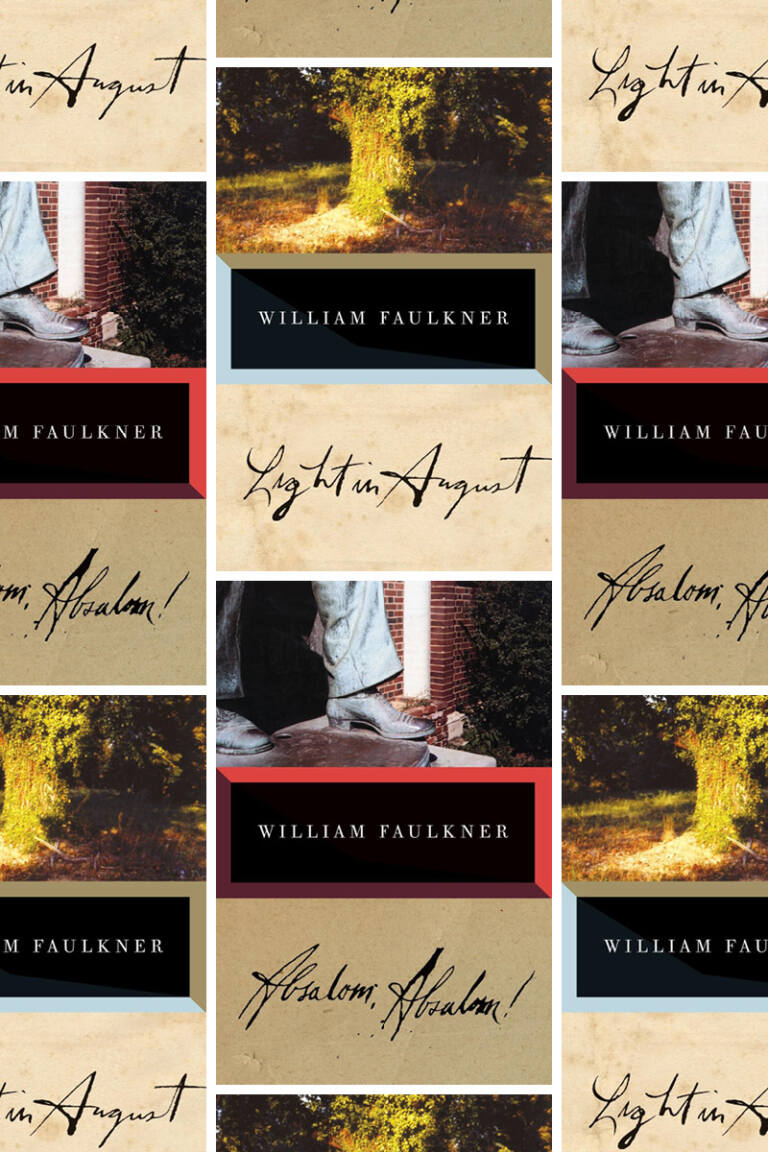
What the South Knew: Faulkner in the Trump Era with Linda Chavers
4 Sessions Saturdays, 11:00 am EDT - 12:30 pm EDT July 11 to August 22, 2026
-
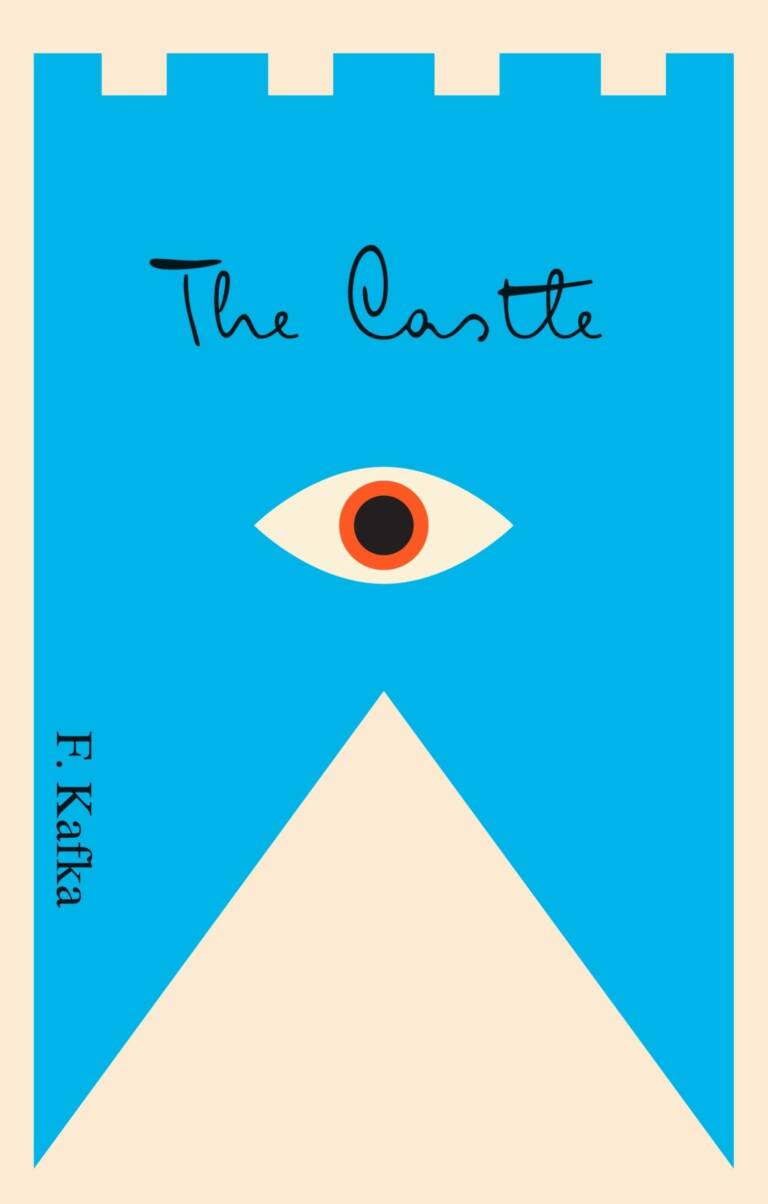
Franz Kafka’s The Castle with Martha Cooley
4 Sessions Sundays, 11:00 am EDT - 12:30 pm EDT July 12 to August 23, 2026
-

Crushes: The Art of the Swoon with Erica Peplin
Once a week Sundays, 6:00 pm EDT - 8:00 pm EDT July 12 to August 16, 2026
-

Crafting Novels on Notecards: Techniques from Nabokov with Jeff Boyd
Once a week Mondays, 6:00 pm EDT - 8:00 pm EDT July 13 to August 17, 2026
-

Writing the Story Only You Can Tell with Vanessa Walters
Once a week Mondays, 7:00 pm EDT - 9:00 pm EDT July 13 to August 3, 2026
-
In Short: Shirley Jackson’s "The Summer People” with Lesley Finn
Tuesday, 6:30 pm EDT - 8:00 pm EDT July 14, 2026
-
Elizabeth Barrett Browning's Aurora Leigh with Joanna Biggs
Once a week Thursdays, 6:30 pm EDT - 8:00 pm EDT July 16 to August 6, 2026