
$645
10 Sessions
Out of stock

Once a week Wednesdays, 7:00 pm EDT - 9:00 pm EDT April 8 to June 17, 2026

Online via Zoom
This writing workshop has sold out. Please email [email protected] to join the waitlist—and become a member for early access to future programming.
In this generative course, we’ll strip the novel down to its essential elements and apply the lessons we learn to our own writing. We’ll turn to literary masters—from Marcel Proust to Toni Morrison to Zadie Smith—to expand our understanding of how novels work. As we carefully consider our novel excerpts, we’ll ask ourselves what long-form fiction can do in our contemporary moment.
Each session will consist of two parts. We’ll start by weighing one key aspect of the craft, from the minute to the immense, including dialogue, point of view, and form. Our discussions will explore the work of classic and contemporary novelists, drawing, when useful, on artists working in kindred fields like theater and film. In each session’s second part, we’ll workshop our own novels-in-progress, taking advantage of the skills and insights we have gained.
While we’ll occasionally engage with theory, our focus will be practical. We’ll hone our ability to read like writers and think through experimentation. Our sessions will involve close readings and in-depth discussions of one another’s work.
Course Outline:
- Session 1 – Writer: Every novel needs a writer. We’ll begin our journey with the writers that we are and the ones we find inspiring. Sharing selected passages from our favorite novels, we’ll try to start putting our fingers on what it is that makes them work.
- Session 2 – Sentences: A novel is, essentially, a long sequence of sentences. But what, exactly, do we mean when we call a sentence “good?” We’ll dive into some of the sentence’s core elements, including rhythm, clarity, and pleasure.
- Session 3 – Detail: “Literature makes us better noticers of life,” writes James Wood. “We get to practice on life itself; which in turn makes us better readers of detail in literature; which in turn makes us better readers of life.” How do details accrete in prose to make meaning?
- Session 4 – Dialogue: What can we achieve through listening to conversations, their subtext, and the silences that they contain? We’ll learn from Annie Baker, Branden Jacobs-Jenkins, and Duncan MacMillan, three contemporary masters of dramatic dialogue.
- Session 5 – Setting: In an age when many readers value stories for their so-called universality, what’s the importance of grounding our novels in the specificities of time and place? Does Anna Karenina, for instance, have to be set in late nineteenth-century Russia?
- Session 6 – Point of View: Whose story is this, anyway? And what difference does our narrative’s perspective make? We’ll juxtapose fiction in the third, second, and first person by authors like Jane Austen, David Foster Wallace, and Vladimir Nabokov.
- Session 7 – Characters: Using Elena Ferrante’s Neapolitan Quartet as a case study, we’ll consider the uses—and abuses—of characters in fiction. How do we people our novels with imaginary yet convincing individuals? Why should readers even care about these people?
- Session 8 – Narrative: Is plot really “nothing,” as Grace Paley insisted? Should it be kept “under house arrest,” as Stephen King believes? We’ll weigh a spectrum of approaches to narration, analyzing texts by Charles Dickens, Toni Morrison, and Clarice Lispector.
- Session 9 – Form: Zooming out even further, we’ll discuss the different ways in which novelists experiment with structure, from James Joyce to J. M. Coetzee to Charles Yu. We’ll also touch on a host of related concepts, including genre, style, and mode.
- Session 10 – Readers: If we write a novel in a forest and no one is around to read it, does it make a sound? Our final session will revolve around the different paths to publication. We’ll explore the inner workings of the “industry,” from agents to publishers to editors.
Teaching Style: The course’s style will be both conversational and structured, attentive to the needs and interests of the group. Beyond our in-class workshop, each participant will receive detailed feedback on their work, including line edits, ideas for revision, and customized reading and viewing suggestions.
Level: Introductory
This course is held online via Zoom. Please note there will be no meeting on May 6th.

Led by
-

Eli Zuzovsky
Eli Zuzovsky
Eli Zuzovsky is a writer and director working across film, theater, and literature. He holds degrees from Harvard and Oxford, where he received his practice-led Ph.D. in Fine Art as a Rhodes Scholar. Zuzovsky’s work has been presented at the New York Jewish Film Festival, the American Repertory Theater, and Modern Art Oxford, among others. His debut novel, Mazeltov, is out from Henry Holt (U.S.) and Footnote Press (U.K.). The winner of the 2025 Einstein Fellowship for “outstanding young thinkers,” he works as the assistant director of the MFA program in Creative Writing at the Jewish Theological Seminary.

About this series
Writing Workshops
We strive to make our classes the most inviting and rewarding available, offering an intimate environment to study with award-winning, world-class writers. Each class is specially designed by the instructor, so whether you’re a fledgling writer or an MFA graduate polishing your novel, you’ll find a perfect fit here.
-

Getting Unstuck: A Weekend Intensive with Ramona Ausubel
Sunday, 12:00 pm EDT - 1:30 pm EDT June 7, 2026
-
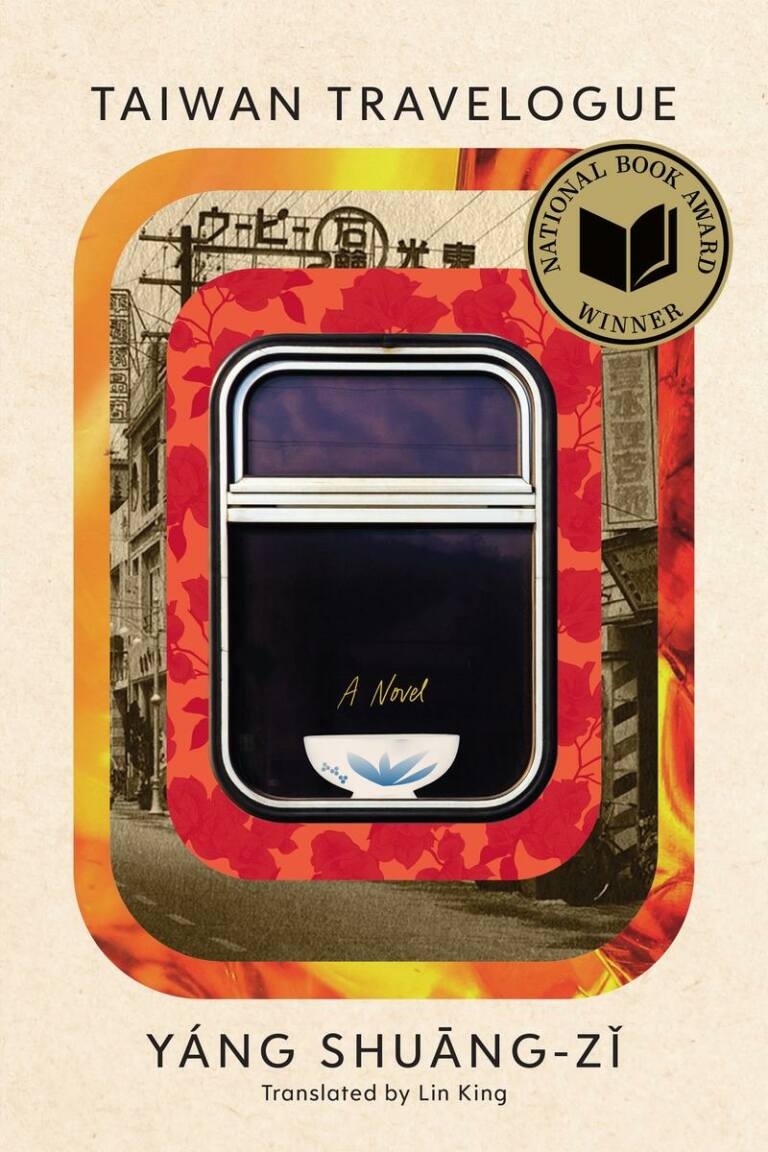
The Nightlighters
Monday, 6:00 pm EDT - 7:30 pm EDT June 8, 2026
-

Channel Your Intuition: A One-Day Creative Nonfiction Intensive with Emily Rapp Black
Saturday, 12:00 pm EDT - 1:30 pm EDT June 13, 2026
-
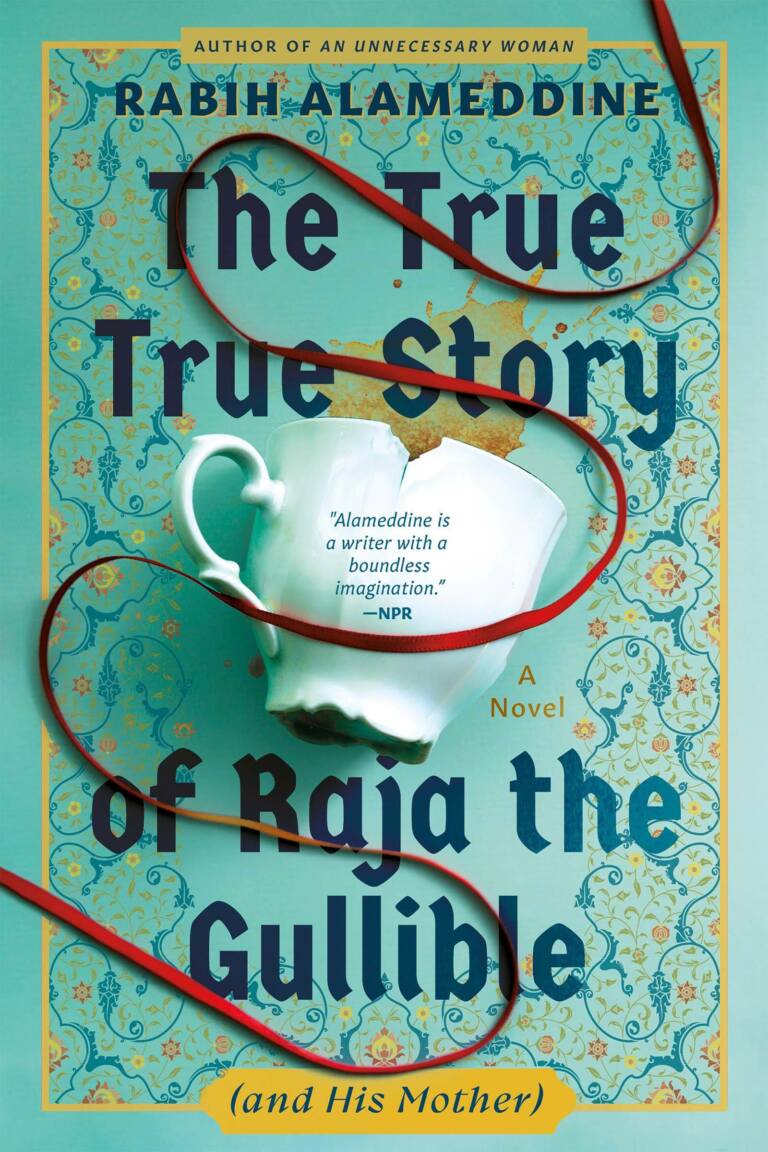
The Literarians
Wednesday, 12:30 pm EDT - 1:30 pm EDT June 17, 2026
-
In Short: Hans Christian Andersen's “The Little Mermaid” with Amanda Hollander
Thursday, 6:30 pm EDT - 8:00 pm EDT June 18, 2026
-

300 Words a Day: Crush Writer’s Block and Build a Habit with Pablo Ottonello
Once a week Mondays, 7:00 pm EDT - 9:00 pm EDT June 22 to July 27, 2026
-
Memoir 101 with Rax King
Once a week Wednesdays, 6:00 pm EDT - 8:00 pm EDT June 24 to July 15, 2026
-
Advanced Short Story Workshop with Amy Silverberg
Once a week Thursdays, 7:00 pm EDT - 9:00 pm EDT June 25 to August 13, 2026
-

In Short: Ben Lerner's "The Hofmann Wobble" with Matilda Lin Berke
Tuesday, 6:30 pm EDT - 8:00 pm EDT July 7, 2026
-

Opening Movements: How Great Stories Begin with Doug Jones
Once a week Tuesdays, 7:00 pm EDT - 9:00 pm EDT July 7 to August 11, 2026
-
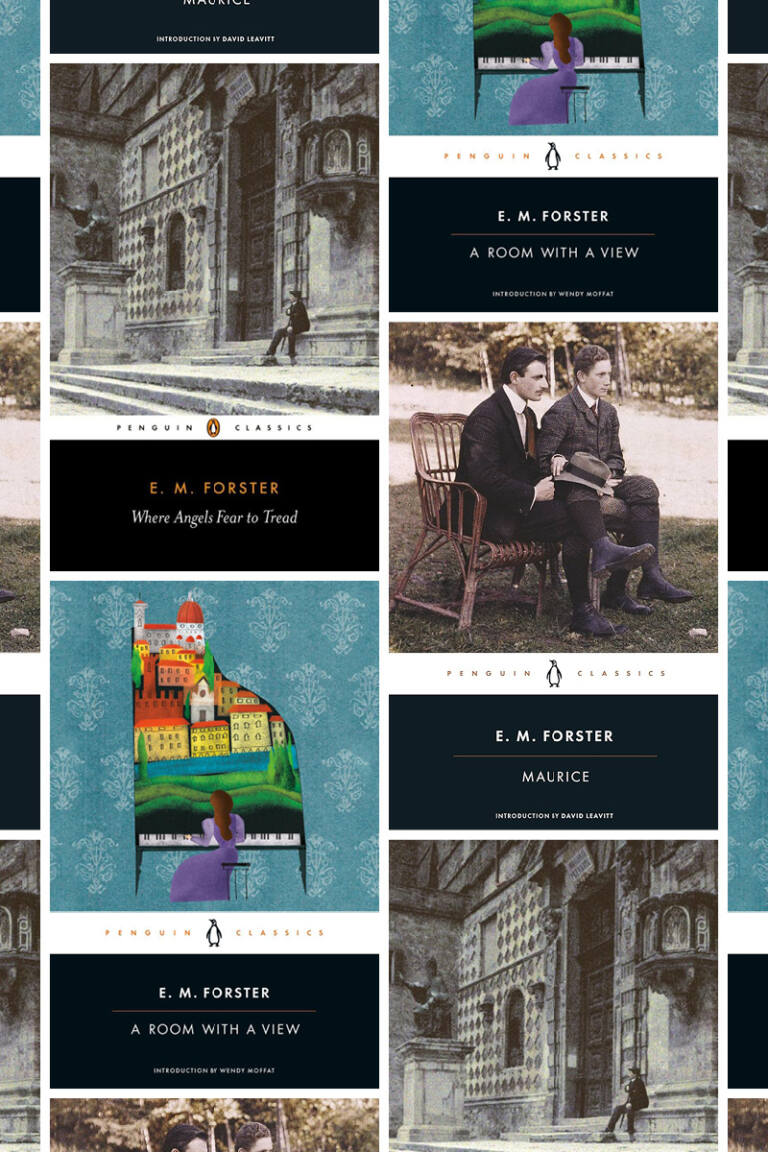
E. M. Forster’s Summer of Love with Pam Newton
3 Sessions Wednesdays, 6:30 pm EDT - 8:00 pm EDT July 8 to August 26, 2026
-
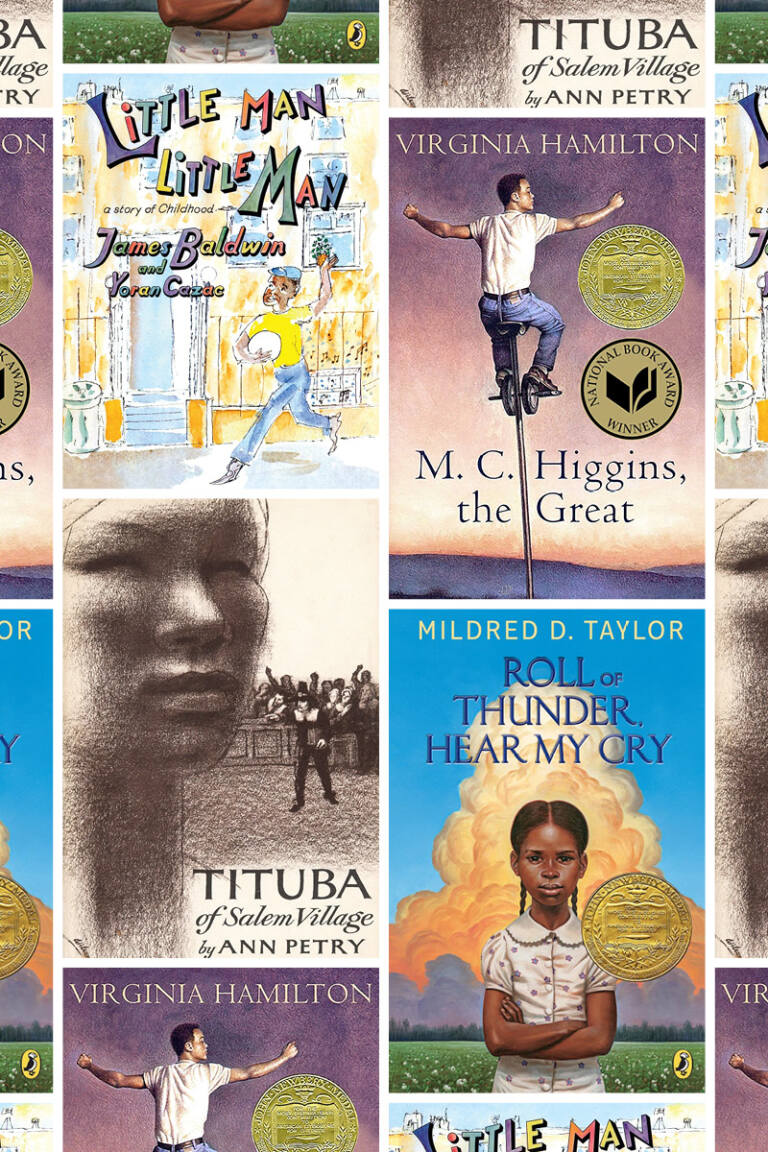
Reading Classic Black Children’s Novels with Gale Greenlee
4 Sessions Wednesdays, 6:00 pm EDT - 7:30 pm EDT July 8 to September 9, 2026
-
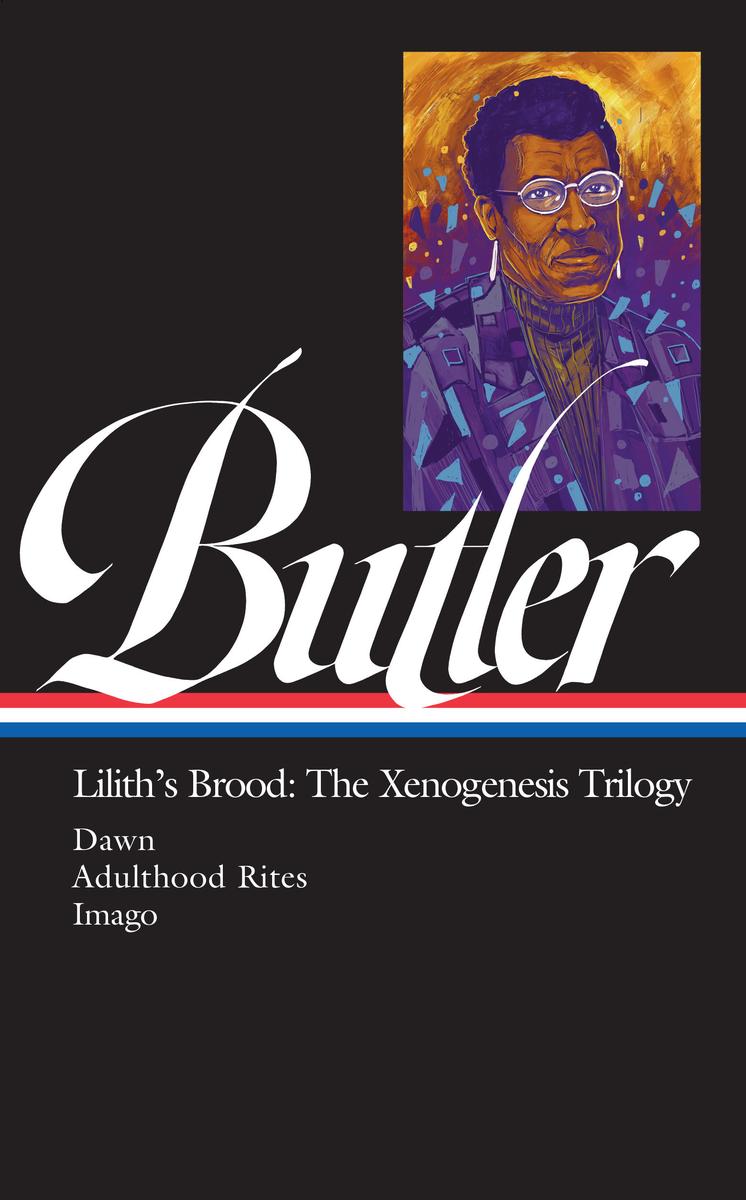
Octavia E. Butler's Xenogenesis Trilogy with Alaya Dawn Johnson
3 Sessions Saturdays, 1:00 pm EDT - 2:30 pm EDT July 11 to August 22, 2026
-
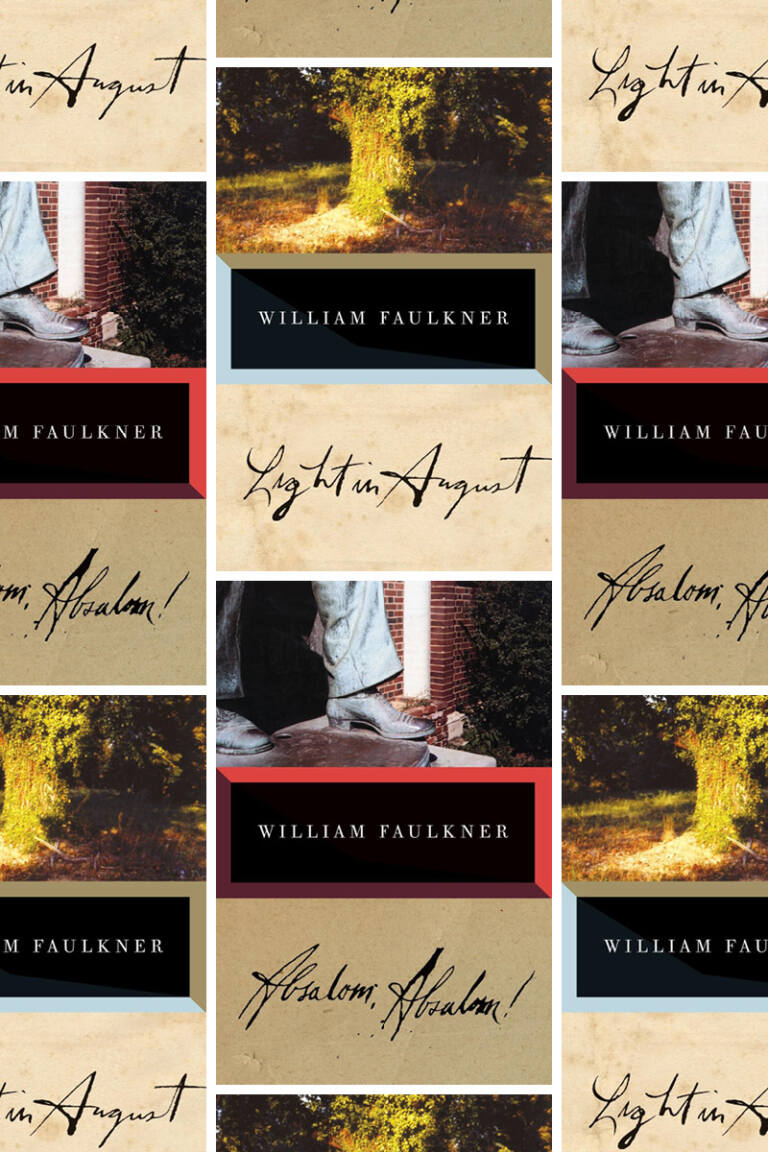
What the South Knew: Faulkner in the Trump Era with Linda Chavers
4 Sessions Saturdays, 11:00 am EDT - 12:30 pm EDT July 11 to August 22, 2026
-
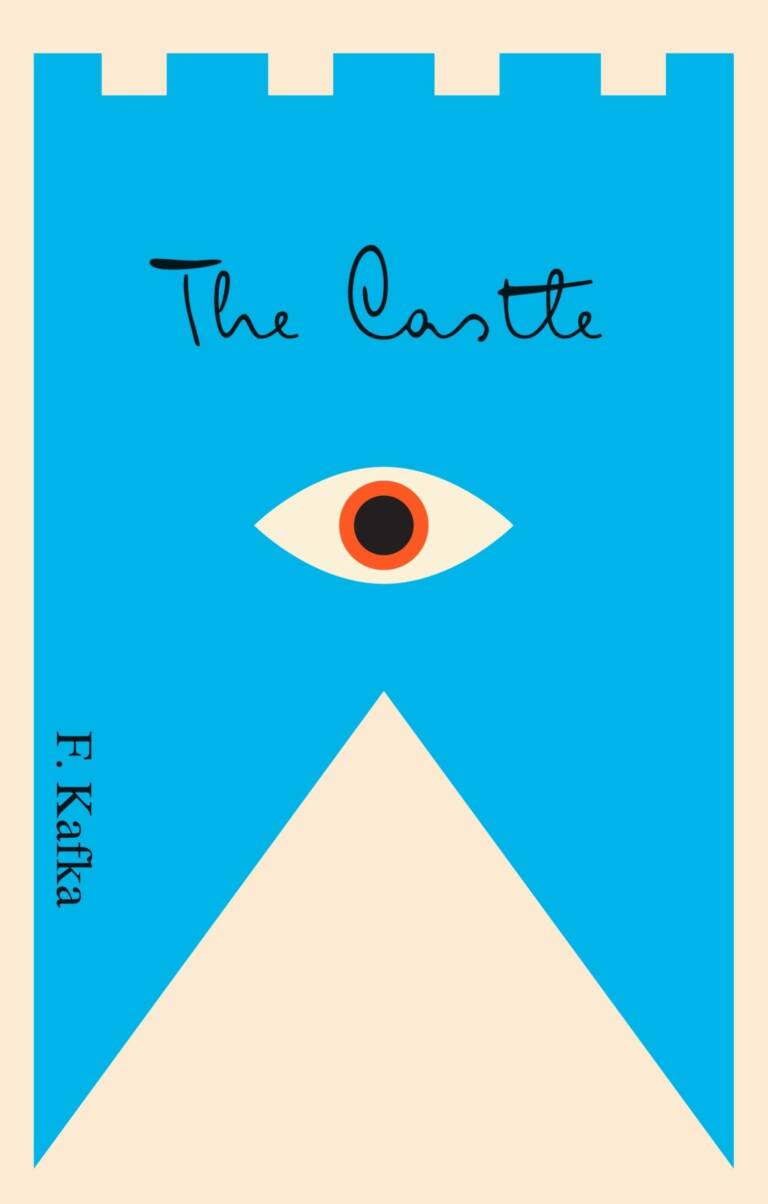
Franz Kafka’s The Castle with Martha Cooley
4 Sessions Sundays, 11:00 am EDT - 12:30 pm EDT July 12 to August 23, 2026
-

Crushes: The Art of the Swoon with Erica Peplin
Once a week Sundays, 6:00 pm EDT - 8:00 pm EDT July 12 to August 16, 2026
-

Crafting Novels on Notecards: Techniques from Nabokov with Jeff Boyd
Once a week Mondays, 6:00 pm EDT - 8:00 pm EDT July 13 to August 17, 2026
-

Writing the Story Only You Can Tell with Vanessa Walters
Once a week Mondays, 7:00 pm EDT - 9:00 pm EDT July 13 to August 3, 2026
-
In Short: Shirley Jackson’s "The Summer People” with Lesley Finn
Tuesday, 6:30 pm EDT - 8:00 pm EDT July 14, 2026
-
Elizabeth Barrett Browning's Aurora Leigh with Joanna Biggs
Once a week Thursdays, 6:30 pm EDT - 8:00 pm EDT July 16 to August 6, 2026