
$445
6 Sessions
Out of stock

Once a week Mondays, 7:00 pm EDT - 9:00 pm EDT April 6 to May 11, 2026

Online via Zoom
Please email [email protected] to join the waitlist—and become a member for early access to future programming.
The idea of the “perfect” piece may be overwhelming. What if I told you there’s a way to keep your writing flowing, even when life gets chaotic? In this workshop, we’ll explore the literary diary—your secret weapon for consistent creativity.
Diaries are open and free. There are no rules, just the possibility of expression. By definition, diaries are unfinished: no need to worry about deadlines. We all know the struggle of carving out large blocks of time for writing, but what if you could tap into your creativity in just ten minutes a day? The literary diary makes it possible. It’s a lifeline for writers, a place where you can always find time to connect with your craft, even if it’s just to lament the lack of time!
When does voice appear? What makes a diary readable and interesting? Why would one’s random thoughts be appealing to a reader? We’ll uncover the secrets that turn seemingly random thoughts into compelling narratives that resonate with readers. We will explore Kafka’s musings and complaints about feeling “unfit” for life; we will delve into John Cheever’s keen observations of American life; we will take a look at Sei Shōnagon’s poetic reflection on court life (in her famous diary from the Heian period); we will explore Susan Sontag’s and Roland Barthes’s intellectual approaches to diaries; we will explore May Sarton and Sarah Manguso’s hybrid use of the diary form. We will take a look at Vivian Gornick’s definition of “persona” in The Situation and The Story. But above all, we will build muscle by writing our own entries on a daily basis. After eight meetings, we will be surprised by the results.
This course is structured into eight sessions, presenting a straightforward challenge: to produce a minimum of one written entry each day. How long? 300 hundred words. This commitment remains regardless of immediate inspiration, even if the content expresses a lack of ideas. During each session, participants will share a short selection of their writing from the preceding week. While establishing new habits can be demanding, cultivating a daily writing practice is highly beneficial for a writer’s overall development and productivity.
Course Outline:
- Sessions 1-2: An introduction to the diary. These sessions will include a critical introduction to the readings (what is a diary?), a description of the course methodology (writing every day for 30 days), finding our “model” diary (excerpts from famous literary diaries), and making lists. We’ll discuss Sarah Manguso’s Ongoingness: The End of a Diary and Sei Shōnagon’s The Pillow Book.
- Sessions 3-4: Habit kicks in—what has changed?—and sharing experiences after the first weeks of daily writing. We’ll read selected excerpts from The Diaries of Franz Kafka and Roland Barthes’s article “Deliberation.” Prompts for the following session will include: writing about reading (how does literature appear in our diaries?), writing about unfinished projects, writing about people (family, partners, lovers, colleagues), and writing about writing.
- Session 5-6: How to keep going and why, bridging genres, and the diary’s evolution as a hybrid form. Participants will read selected excerpts and discuss The Diaries of Katherine Mansfield, Maurice Blanchot, May Sarton’s Journal of a Solitude, and Susan Sontag on making lists. To wrap up, we’ll also discuss your writing plans for the future.
All Levels
This course will be held online via Zoom.

Led by
-

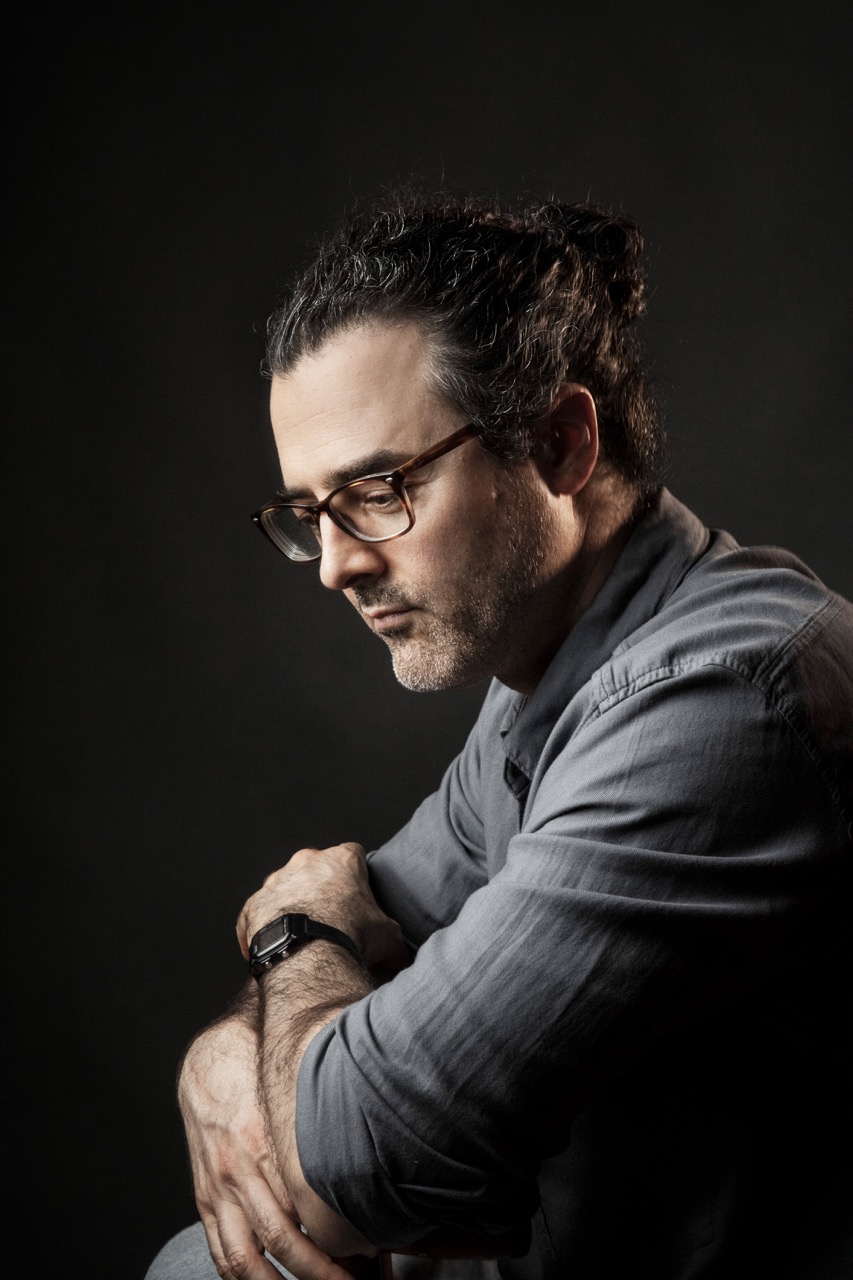
Pablo Ottonello
Pablo Ottonello
Pablo Ottonello (Buenos Aires, 1983) is a writer, screenwriter, and literary critic. He holds an MFA in Spanish Creative Writing from the University of Iowa and a PhD in Romance Languages from the University of Chicago with a dissertation on literary diaries. He was awarded the postdoctoral Humanities Teaching Fellowship at the University of Chicago (2023–2025). His published work includes: Quiero ser artista (2015), El Verano de los peces Muertos (2017), Veteranos de la guerra del día (2018), El vello álmico (2019), La breve luz de nuestros días (2020), Satisfaction (2021), Match (2023) and Compulsión (2025). He has been teaching this course at The Center for Fiction since 2024. He teaches English Literature at Pepperdine University.
About this series
Writing Workshops
We strive to make our classes the most inviting and rewarding available, offering an intimate environment to study with award-winning, world-class writers. Each class is specially designed by the instructor, so whether you’re a fledgling writer or an MFA graduate polishing your novel, you’ll find a perfect fit here.
-

Getting Unstuck: A Weekend Intensive with Ramona Ausubel
Sunday, 12:00 pm EDT - 1:30 pm EDT June 7, 2026
-

The Nightlighters
Monday, 6:00 pm EDT - 7:30 pm EDT June 8, 2026
-
Channel Your Intuition: A One-Day Creative Nonfiction Intensive with Emily Rapp Black
Saturday, 12:00 pm EDT - 1:30 pm EDT June 13, 2026
-
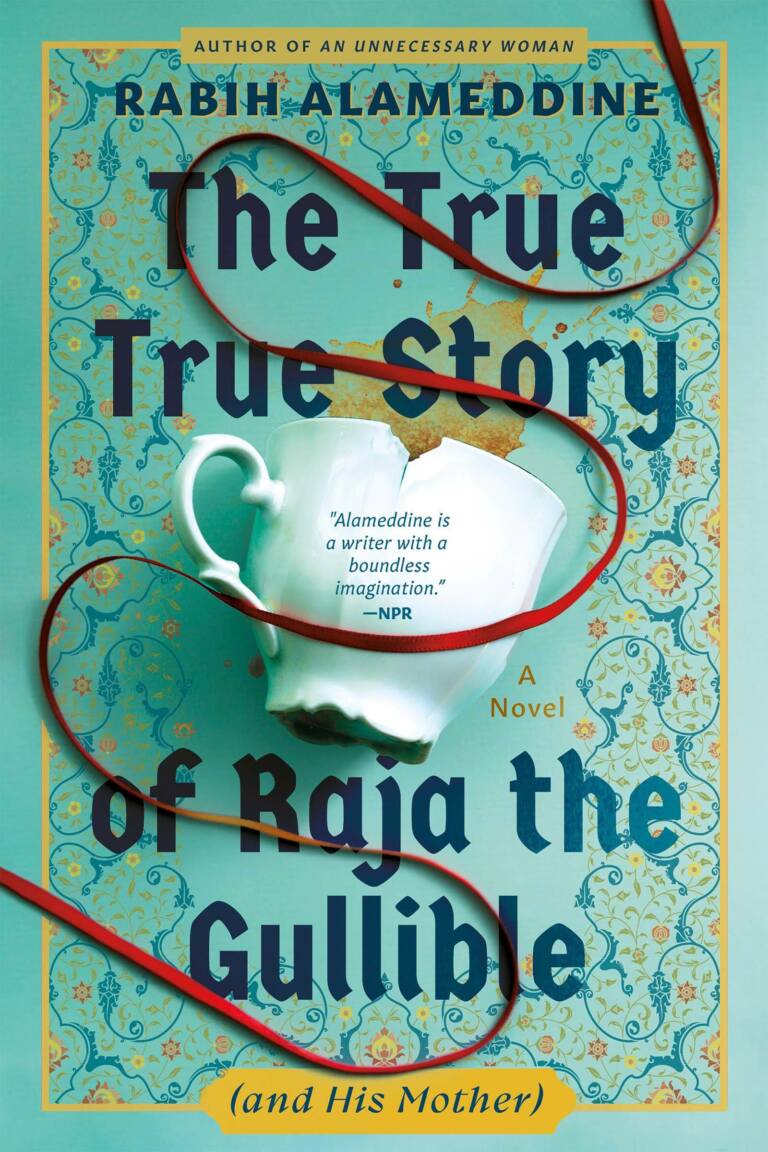
The Literarians
Wednesday, 12:30 pm EDT - 1:30 pm EDT June 17, 2026
-
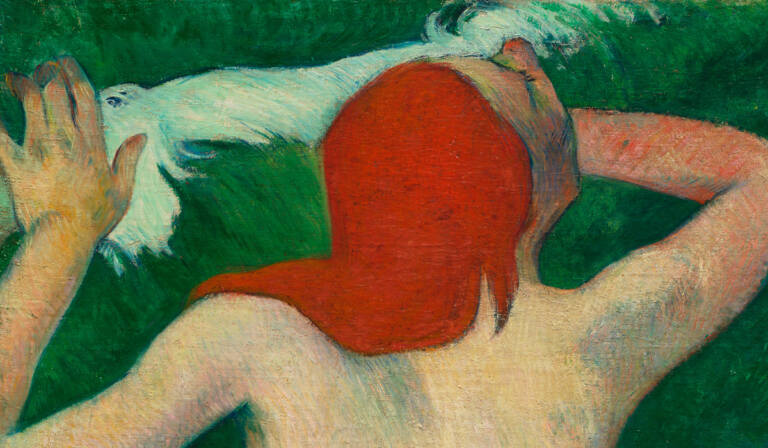
In Short: Hans Christian Andersen's “The Little Mermaid” with Amanda Hollander
Thursday, 6:30 pm EDT - 8:00 pm EDT June 18, 2026
-

300 Words a Day: Crush Writer’s Block and Build a Habit with Pablo Ottonello
Once a week Mondays, 7:00 pm EDT - 9:00 pm EDT June 22 to July 27, 2026
-
Memoir 101 with Rax King
Once a week Wednesdays, 6:00 pm EDT - 8:00 pm EDT June 24 to July 15, 2026
-
Advanced Short Story Workshop with Amy Silverberg
Once a week Thursdays, 7:00 pm EDT - 9:00 pm EDT June 25 to August 13, 2026
-

In Short: Ben Lerner's "The Hofmann Wobble" with Matilda Lin Berke
Tuesday, 6:30 pm EDT - 8:00 pm EDT July 7, 2026
-
Opening Movements: How Great Stories Begin with Doug Jones
Once a week Tuesdays, 7:00 pm EDT - 9:00 pm EDT July 7 to August 11, 2026
-
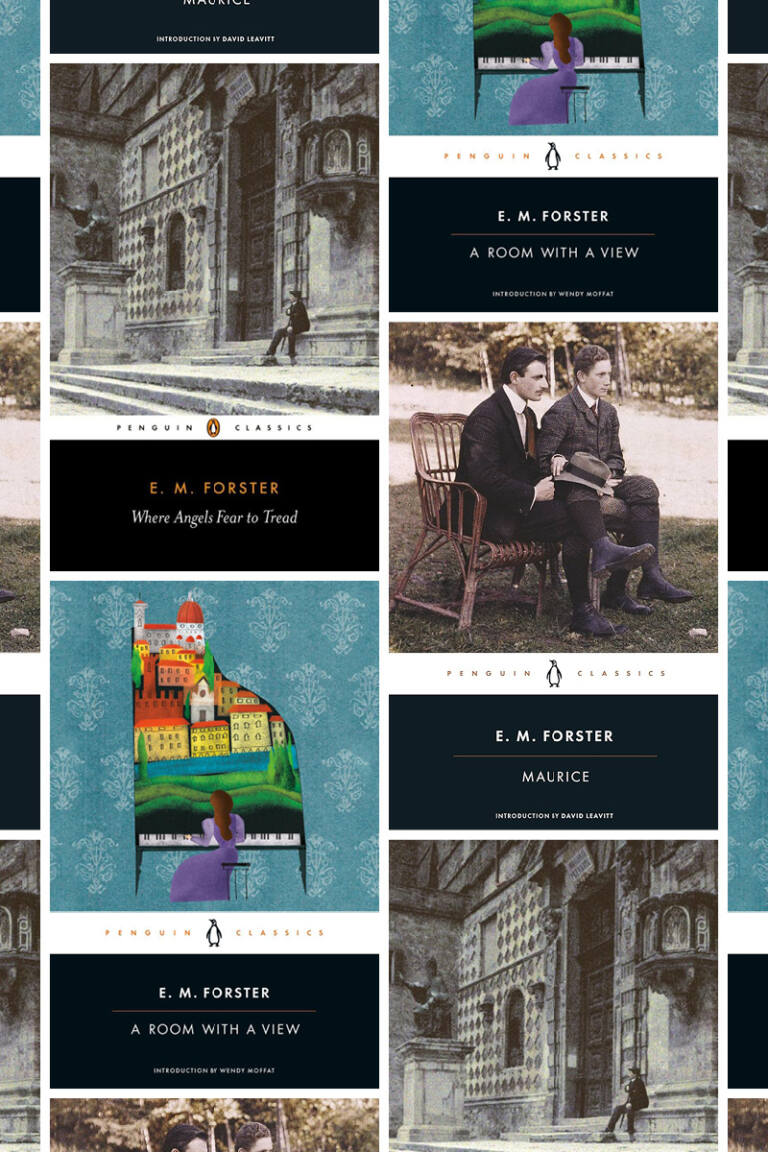
E. M. Forster’s Summer of Love with Pam Newton
3 Sessions Wednesdays, 6:30 pm EDT - 8:00 pm EDT July 8 to August 26, 2026
-
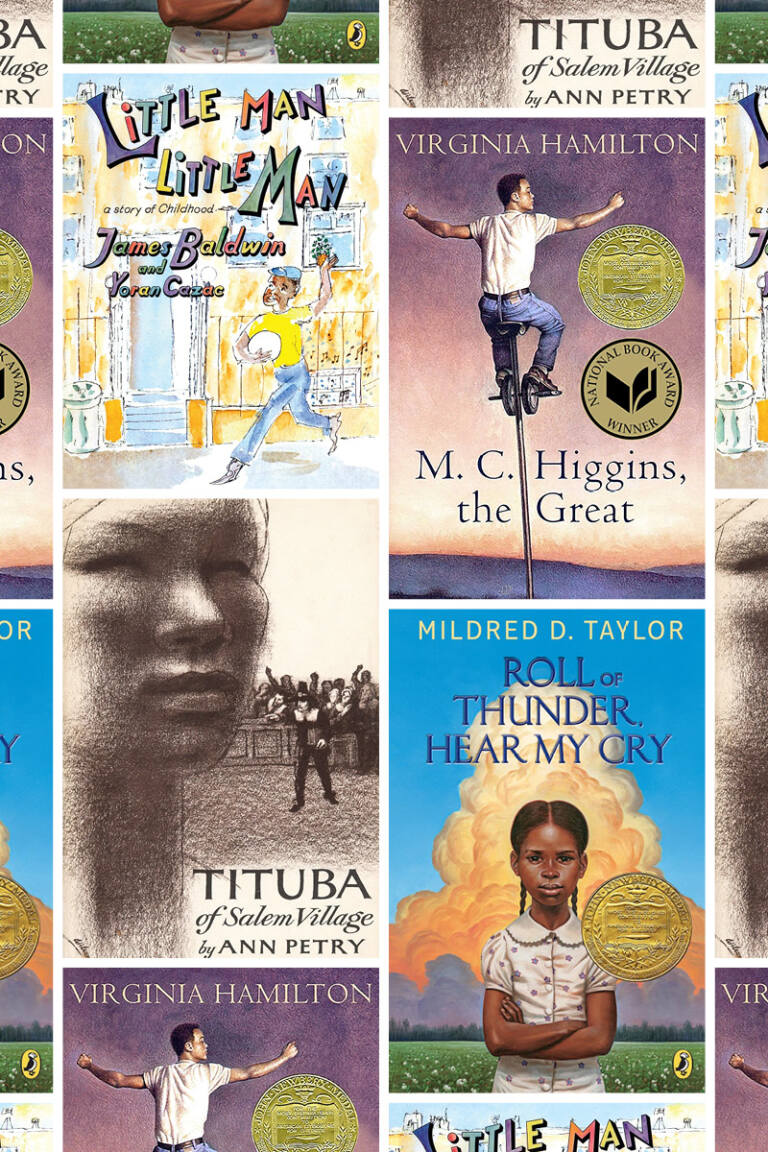
Reading Classic Black Children’s Novels with Gale Greenlee
4 Sessions Wednesdays, 6:00 pm EDT - 7:30 pm EDT July 8 to September 9, 2026
-
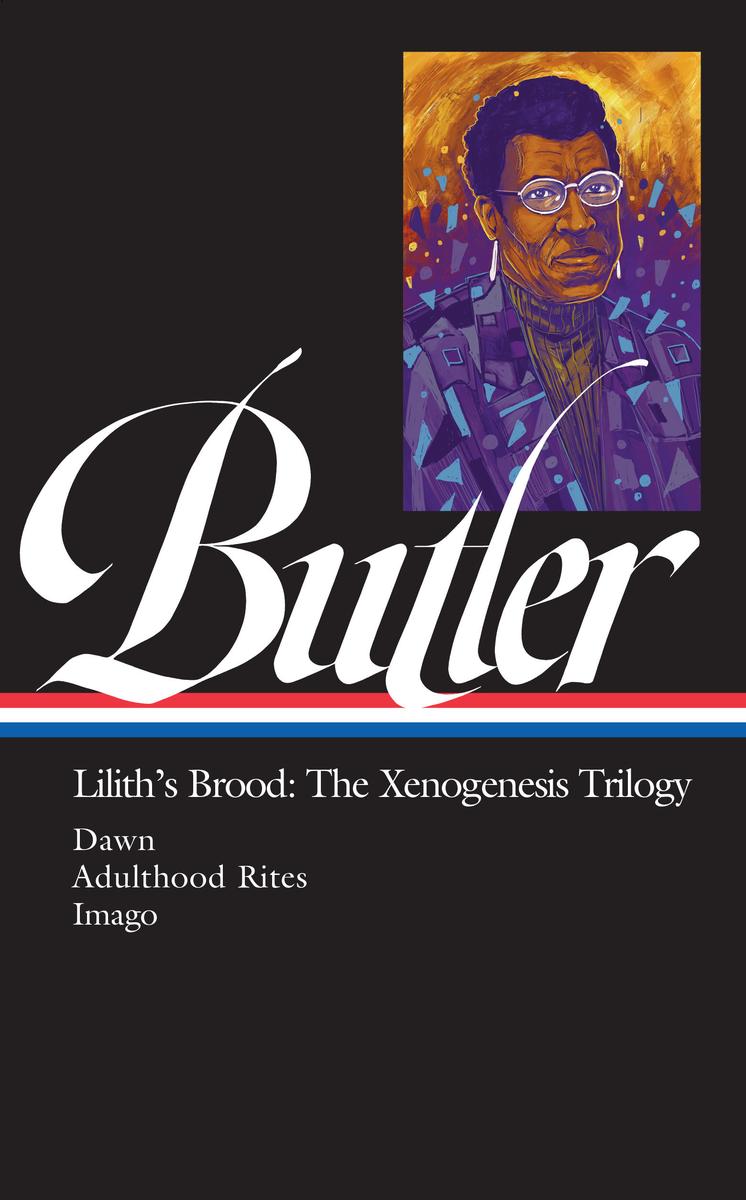
Octavia E. Butler's Xenogenesis Trilogy with Alaya Dawn Johnson
3 Sessions Saturdays, 1:00 pm EDT - 2:30 pm EDT July 11 to August 22, 2026
-
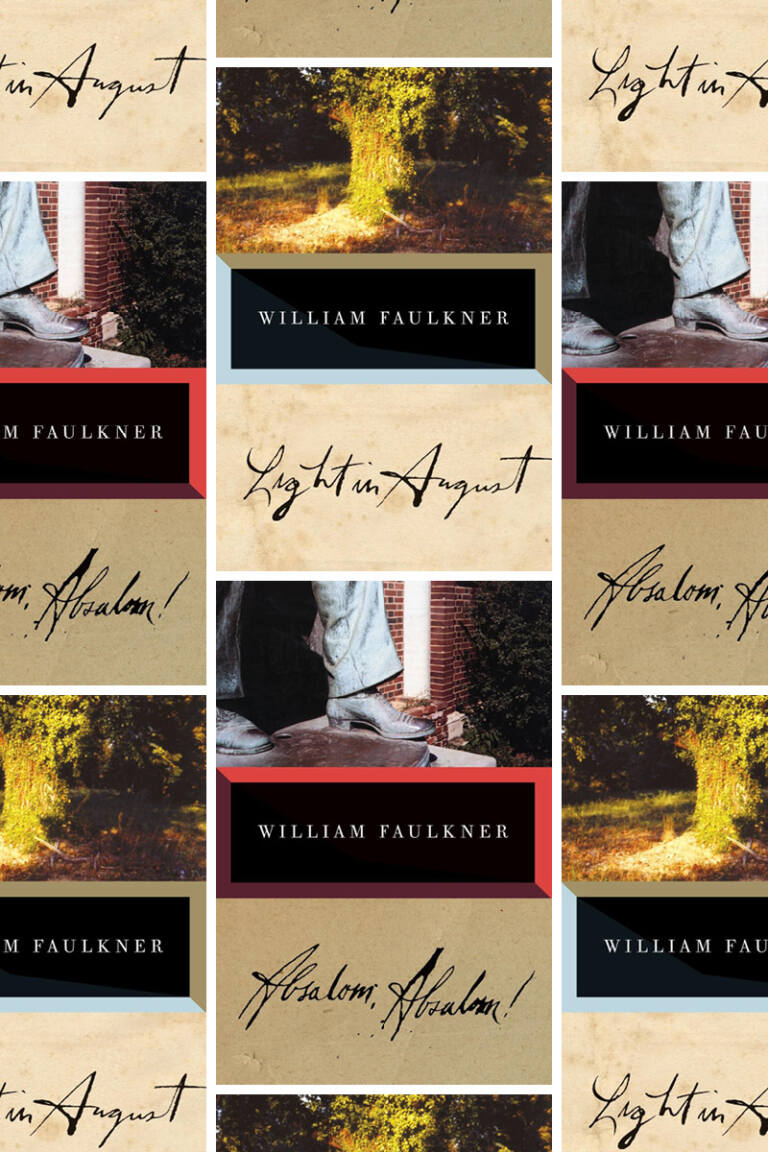
What the South Knew: Faulkner in the Trump Era with Linda Chavers
4 Sessions Saturdays, 11:00 am EDT - 12:30 pm EDT July 11 to August 22, 2026
-
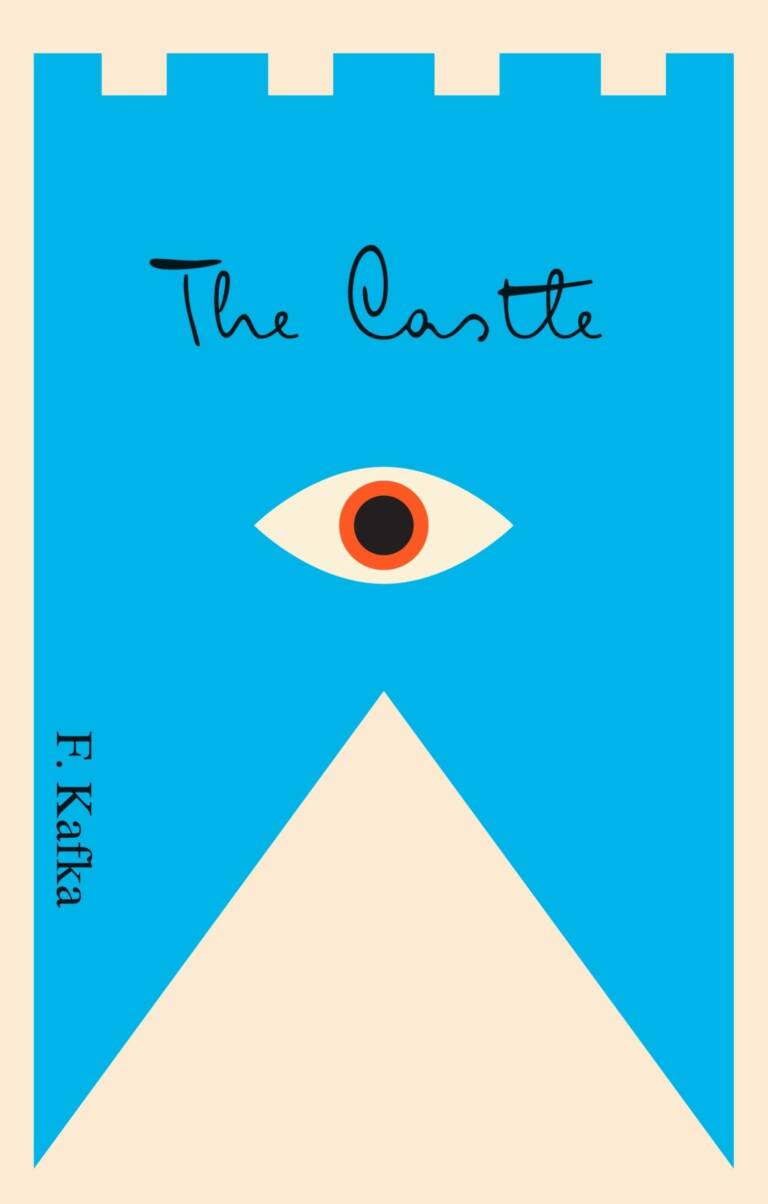
Franz Kafka’s The Castle with Martha Cooley
4 Sessions Sundays, 11:00 am EDT - 12:30 pm EDT July 12 to August 23, 2026
-
Crushes: The Art of the Swoon with Erica Peplin
Once a week Sundays, 6:00 pm EDT - 8:00 pm EDT July 12 to August 16, 2026
-

Crafting Novels on Notecards: Techniques from Nabokov with Jeff Boyd
Once a week Mondays, 6:00 pm EDT - 8:00 pm EDT July 13 to August 17, 2026
-

Writing the Story Only You Can Tell with Vanessa Walters
Once a week Mondays, 7:00 pm EDT - 9:00 pm EDT July 13 to August 3, 2026
-
In Short: Shirley Jackson’s "The Summer People” with Lesley Finn
Tuesday, 6:30 pm EDT - 8:00 pm EDT July 14, 2026
-
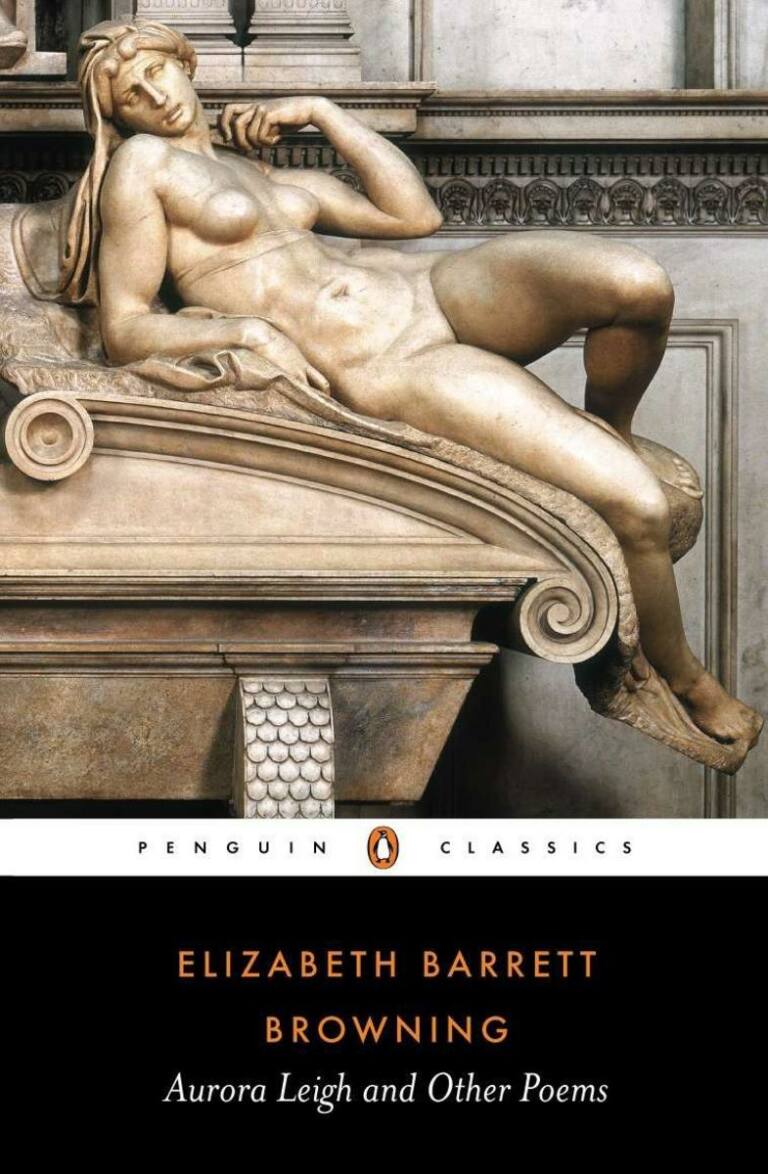
Elizabeth Barrett Browning's Aurora Leigh with Joanna Biggs
Once a week Thursdays, 6:30 pm EDT - 8:00 pm EDT July 16 to August 6, 2026