
$445
6 Sessions
Out of stock

Once a week Tuesdays, 7:00 pm EDT - 9:00 pm EDT February 24 to March 31, 2026

Online via Zoom
This writing workshop is now sold out. Please email [email protected] to join the waitlist—and become a member for early access to future programming.
This course is for writers who are seeking guidance to help turn personal experiences into narrative nonfiction with a resonant political or social message. This course is appropriate for all levels—from those who are mid-draft to those beginning the writing process of a memoir, personal essay, or reportage—grappling with the core argument of their work. Through class readings, discussions, workshops, and assignments, students will tighten the message and scope of their projects and learn a set of tools to help them finish their work.
Course Outline:
- Week 1: Locating the Message. Class will begin with introductions and icebreakers. Every student will have the opportunity to answer the questions: “Why do you want to tell this story now? And why must you, specifically, tell this story?” By the end of class, students will have a one-sentence thesis statement or inquiry, which they will refine at home and bring to the next class.
- Week 2: Finding the Story in the Argument. Students will workshop and refine their thesis statements/arguments. The question/prompt for this class: “Did you always believe this? Why or why not? What changed?” Students will free-write a journal response to this question for 20-30 minutes, focusing on the specific moments or events in their lives that prompted transformation. After free-writing, I will guide a class discussion on what questions or issues came up during this process. For homework, they will break that free-writing assignment into 3-10 beats (depending on the length of their proposed work). Taking an index card, on one side, they will write the “event” and on the other side of the card, they will write 1-2 sentences about what change occurred as a result of that event. In class, I will review what this looks like by sharing an example from my own memoir-writing process.
- Week 3: Story Beats. At this point, every student will have a set of beats that connects their experiences to the larger message of the story. This will become the skeletal structure of the work, from which students can begin to make decisions about how to incorporate research and interviews, and how to craft the narrative. In class, students will develop and workshop their story roadmaps, including major conflict points, and how and why each moment relates to a larger message.
- Week 4: Vulnerability, the Engine of the Personal Narrative. Students have now built the basic foundation of the project. In this class, we go back to the “why”—why is it so urgent to tell this story now? Students will participate in a 30-minute free-writing exercise: Who are you writing this for? Imagine that person and write a letter to them, explaining why you are writing this, and what you hope your work offers them. Afterwards, we will discuss how the language of the letter they wrote compares or differs from their original conceptions or drafts of the project. What’s working in this letter? What isn’t? How can they bring this vulnerability into the writing of the project?
- Week 5: Incorporating Research and Reporting Into the Work. Outside of class, students will write and submit a draft that fleshes out one specific “beat”, using the techniques of the letter from Week 4. We will workshop these drafts as a class and answer questions about how students can build out the scene, argument, or emotional resonance through details, imagery, and/or research.
- Week 6: Befriending Questions and Doubt. It is tempting to want to provide answers in our writing, but the best work gently steers readers to questions. How do we command a personal narrative while leaving room for questions? How do we distinguish between questions that need answers and those that move the story forward? Students will have an opportunity to articulate the questions they are grappling with in their draft. Students will offer feedback to help determine whether these questions can be resolved in the writing or can become a narrative device that brings more specificity and vulnerability into the work.
Teaching Style: After taking my class, students will have a framework and toolkit for approaching personal reported essays and impactful, emotionally resonant nonfiction narratives. In class, I share my own experiences and approach to memoir writing and personal essay writing, along with relevant examples of how other authors have approached works. Students will complete a few short homework assignments and have an opportunity to workshop a short piece (up to 1,000 words) of their project.
Level: Introductory
This course will be held online via Zoom.
Led by
-

Prachi Gupta
Prachi Gupta
Prachi Gupta is an award-winning journalist and author. Her debut memoir, They Called Us Exceptional: And Other Lies That Raised Us, was longlisted for the PEN/Open Book Award, named one of the best books of the year by Amazon and Audible, and nominated for a Goodreads Choice Award. Her essay, “Stories About My Brother” earned her a Writers Guild Award and her work has been featured in The Best American Magazine Writing 2021. She is a former senior reporter at Jezebel, and has bylines the Atlantic, the Guardian, Elle, Harper’s Bazaar, and elsewhere.

About this series
Writing Workshops
We strive to make our classes the most inviting and rewarding available, offering an intimate environment to study with award-winning, world-class writers. Each class is specially designed by the instructor, so whether you’re a fledgling writer or an MFA graduate polishing your novel, you’ll find a perfect fit here.
-

Getting Unstuck: A Weekend Intensive with Ramona Ausubel
Sunday, 12:00 pm EDT - 1:30 pm EDT June 7, 2026
-
The Nightlighters
Monday, 6:00 pm EDT - 7:30 pm EDT June 8, 2026
-
Channel Your Intuition: A One-Day Creative Nonfiction Intensive with Emily Rapp Black
Saturday, 12:00 pm EDT - 1:30 pm EDT June 13, 2026
-
The Literarians
Wednesday, 12:30 pm EDT - 1:30 pm EDT June 17, 2026
-
In Short: Hans Christian Andersen's “The Little Mermaid” with Amanda Hollander
Thursday, 6:30 pm EDT - 8:00 pm EDT June 18, 2026
-

300 Words a Day: Crush Writer’s Block and Build a Habit with Pablo Ottonello
Once a week Mondays, 7:00 pm EDT - 9:00 pm EDT June 22 to July 27, 2026
-
Memoir 101 with Rax King
Once a week Wednesdays, 6:00 pm EDT - 8:00 pm EDT June 24 to July 15, 2026
-
Advanced Short Story Workshop with Amy Silverberg
Once a week Thursdays, 7:00 pm EDT - 9:00 pm EDT June 25 to August 13, 2026
-
In Short: Ben Lerner's "The Hofmann Wobble" with Matilda Lin Berke
Tuesday, 6:30 pm EDT - 8:00 pm EDT July 7, 2026
-
Opening Movements: How Great Stories Begin with Doug Jones
Once a week Tuesdays, 7:00 pm EDT - 9:00 pm EDT July 7 to August 11, 2026
-
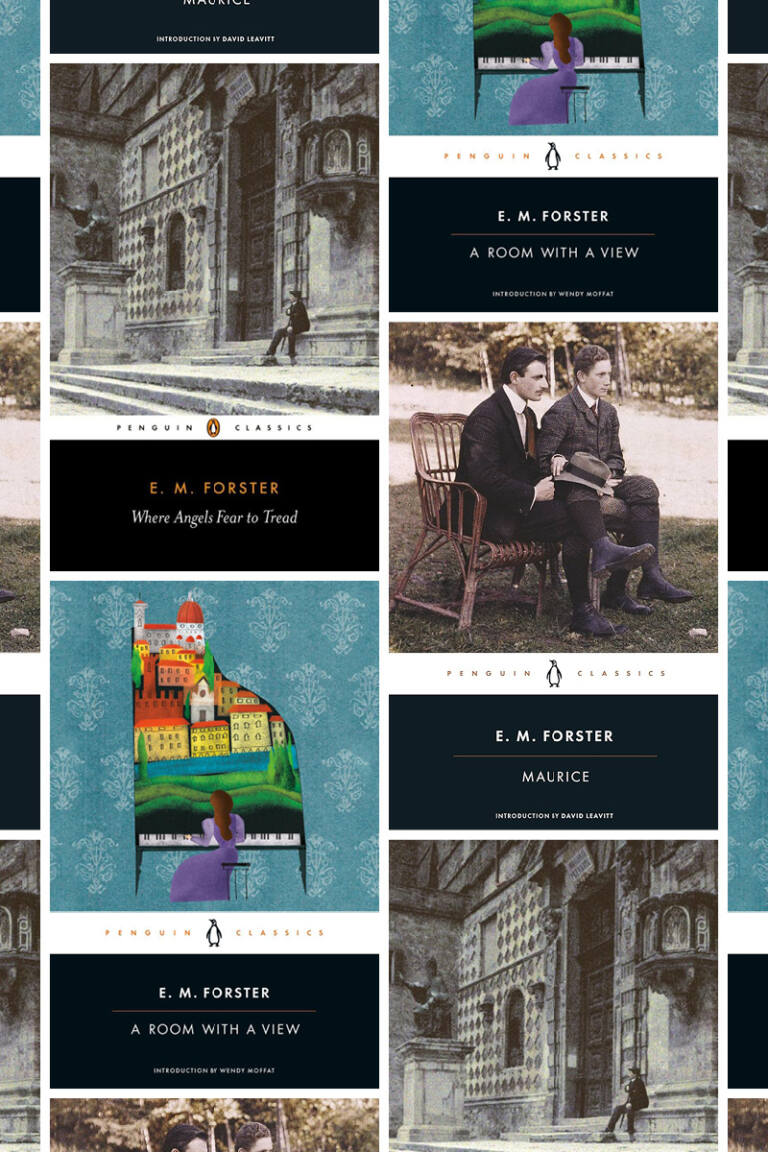
E. M. Forster’s Summer of Love with Pam Newton
3 Sessions Wednesdays, 6:30 pm EDT - 8:00 pm EDT July 8 to August 26, 2026
-
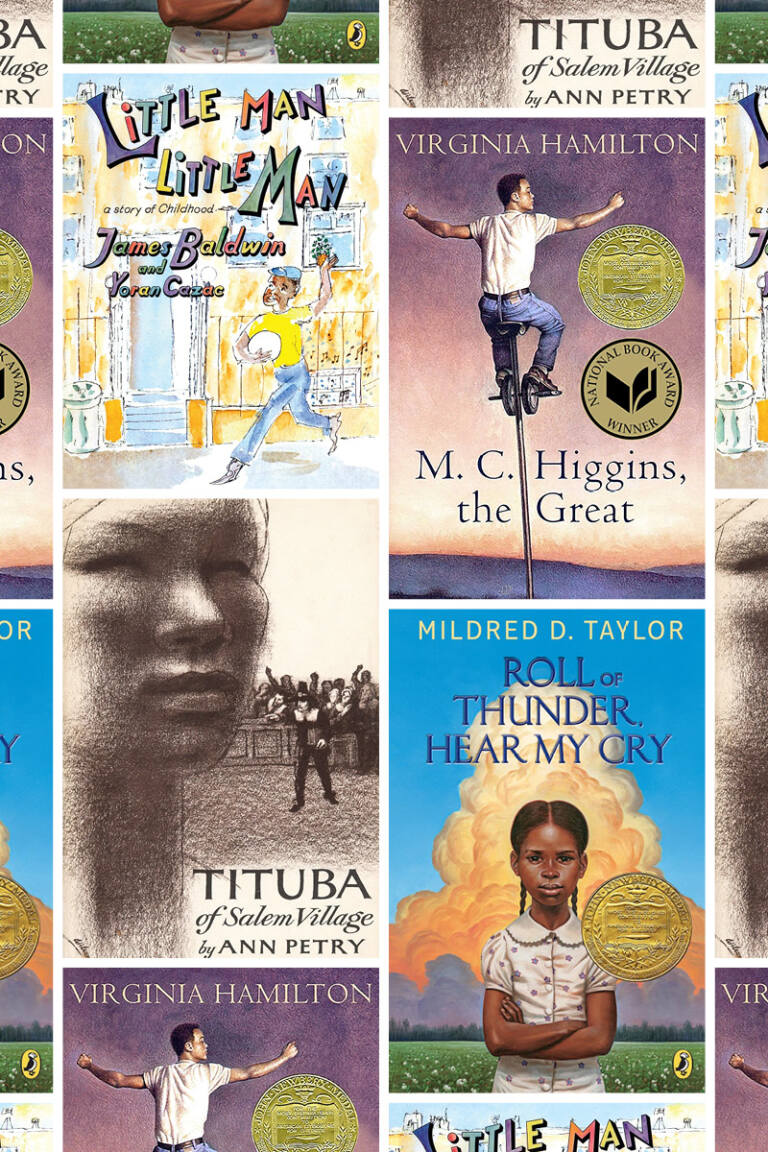
Reading Classic Black Children’s Novels with Gale Greenlee
4 Sessions Wednesdays, 6:00 pm EDT - 7:30 pm EDT July 8 to September 9, 2026
-
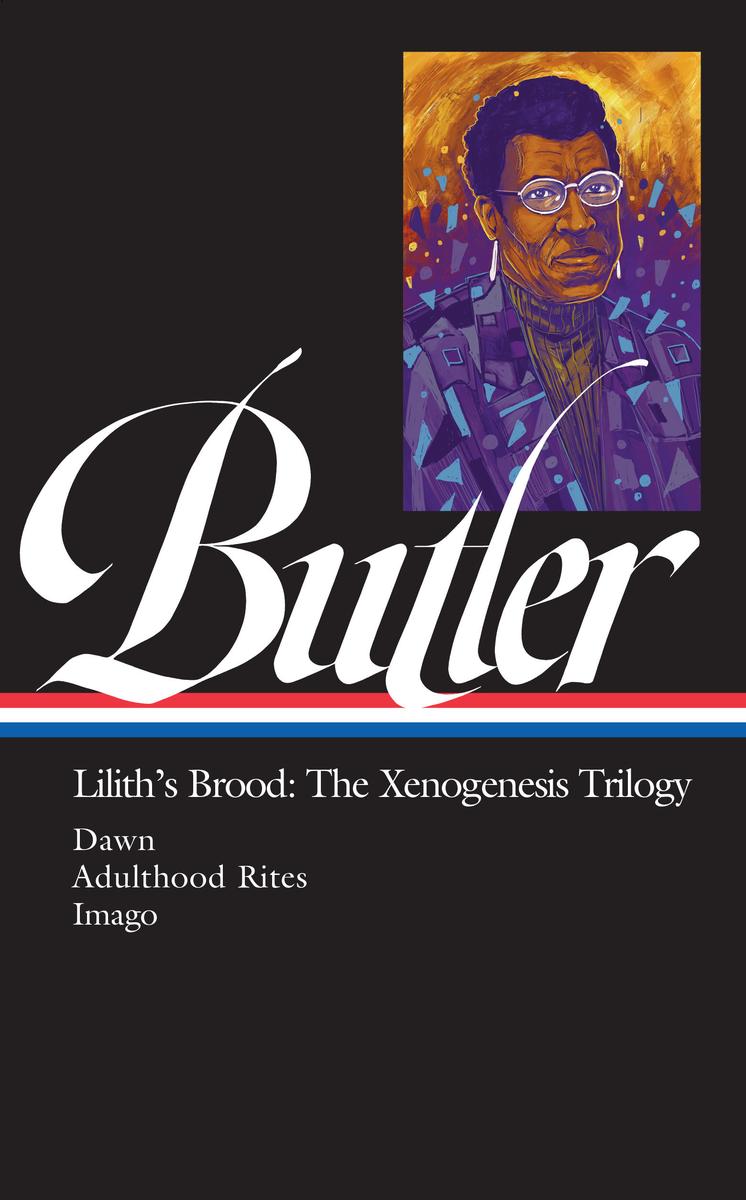
Octavia E. Butler's Xenogenesis Trilogy with Alaya Dawn Johnson
3 Sessions Saturdays, 1:00 pm EDT - 2:30 pm EDT July 11 to August 22, 2026
-
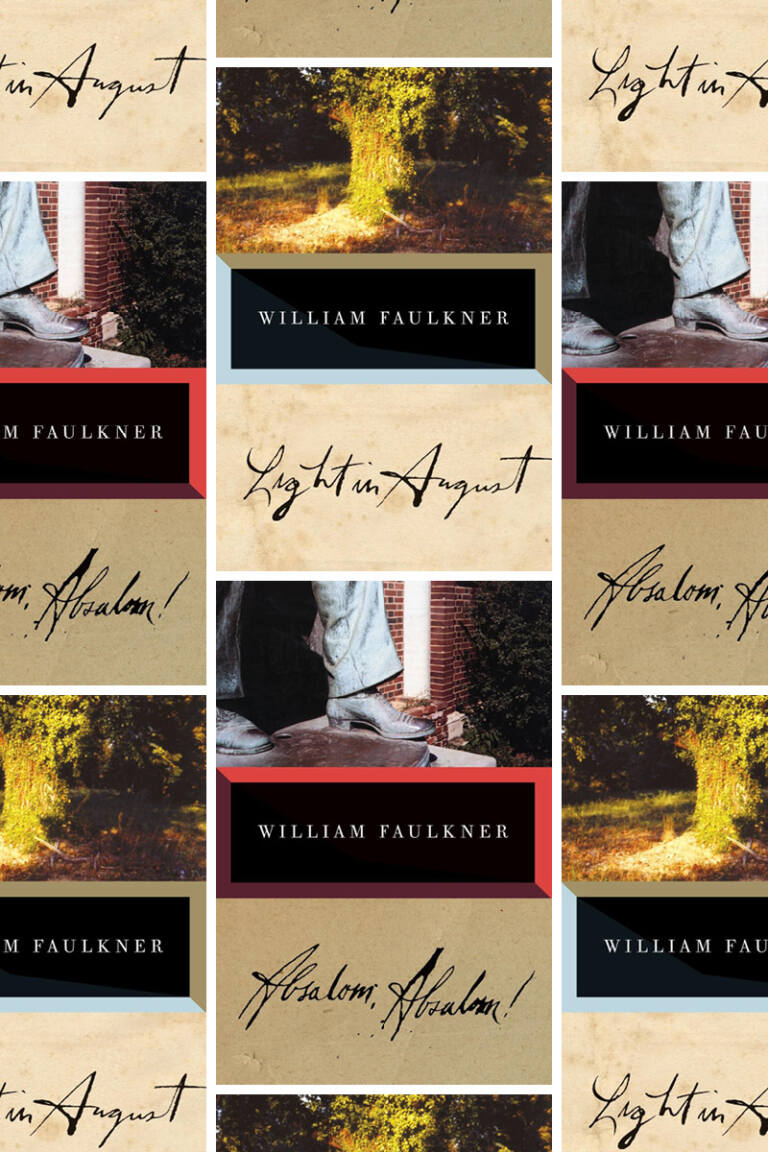
What the South Knew: Faulkner in the Trump Era with Linda Chavers
4 Sessions Saturdays, 11:00 am EDT - 12:30 pm EDT July 11 to August 22, 2026
-
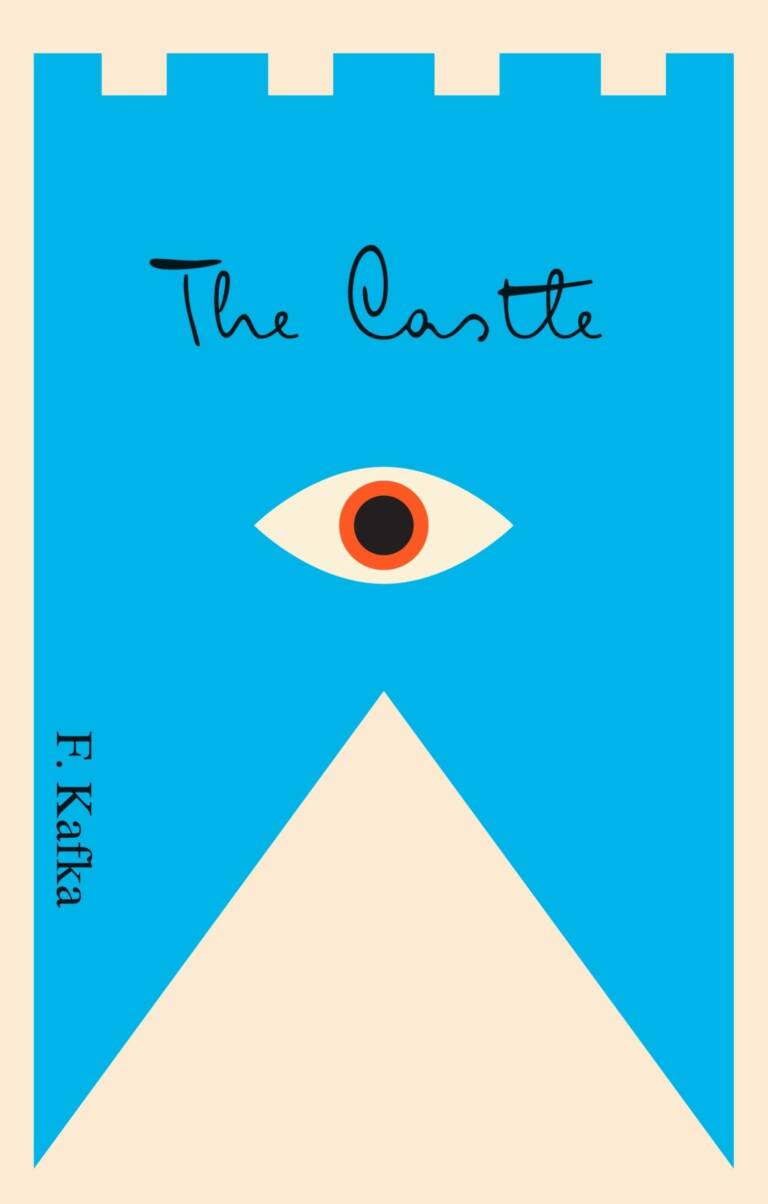
Franz Kafka’s The Castle with Martha Cooley
4 Sessions Sundays, 11:00 am EDT - 12:30 pm EDT July 12 to August 23, 2026
-
Crushes: The Art of the Swoon with Erica Peplin
Once a week Sundays, 6:00 pm EDT - 8:00 pm EDT July 12 to August 16, 2026
-

Crafting Novels on Notecards: Techniques from Nabokov with Jeff Boyd
Once a week Mondays, 6:00 pm EDT - 8:00 pm EDT July 13 to August 17, 2026
-

Writing the Story Only You Can Tell with Vanessa Walters
Once a week Mondays, 7:00 pm EDT - 9:00 pm EDT July 13 to August 3, 2026
-
In Short: Shirley Jackson’s "The Summer People” with Lesley Finn
Tuesday, 6:30 pm EDT - 8:00 pm EDT July 14, 2026
-
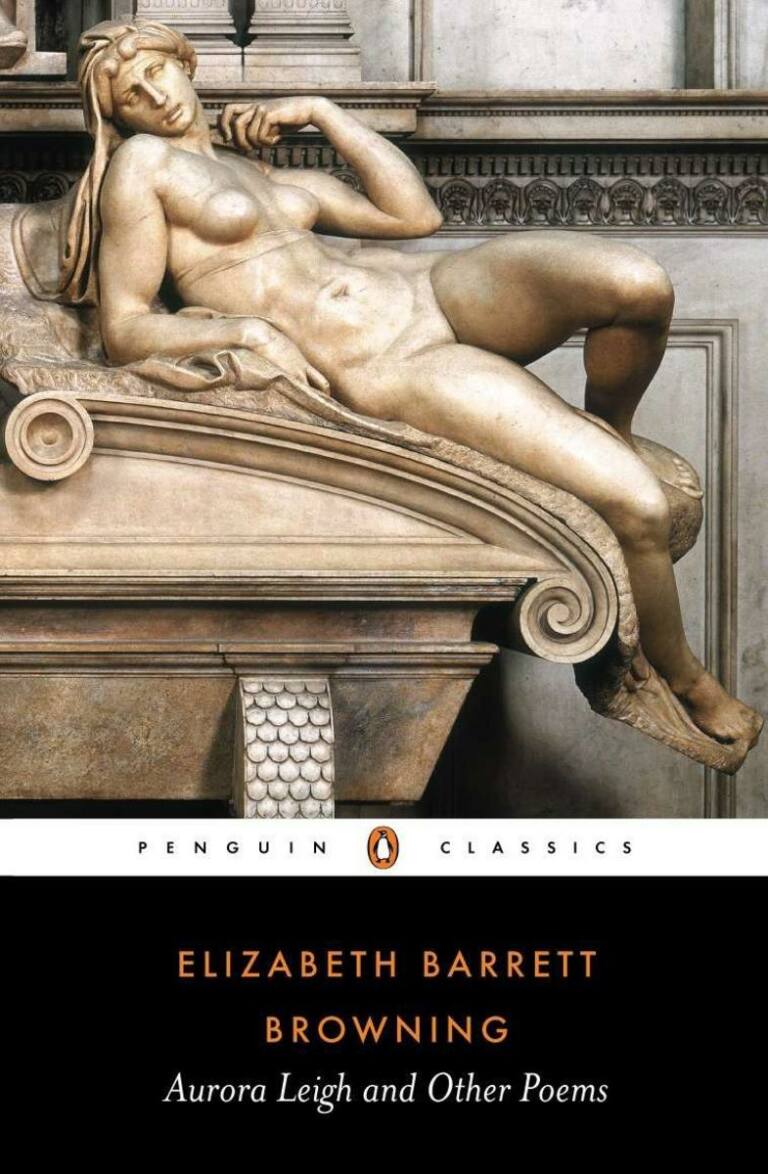
Elizabeth Barrett Browning's Aurora Leigh with Joanna Biggs
Once a week Thursdays, 6:30 pm EDT - 8:00 pm EDT July 16 to August 6, 2026