
$445
6 Sessions
Out of stock

Once a week Thursdays, 6:00 pm EDT - 8:00 pm EDT February 19 to April 2, 2026

The Center for Fiction
This writing workshop is now sold out. Please email [email protected] to join the waitlist—and become a member for early access to future programming.
What does an editor do? How do writers revise? How do writers pitch and place pieces? Drawing on his experience editing pieces for McSweeney’s Quarterly, The Believer, VICE, and Gigantic, writer and editor James Yeh aims to demystify the art of editing and to empower students to edit their own work and that of others with sensitivity, imagination, and skill.
Through the close analysis of case studies, interviews with writers and editors, and essays on craft—as well as the examination of correspondence and annotated manuscripts and typescripts—we will learn about the decision-making processes of writers and editors such as Lydia Davis, Raymond Carver, Gordon Lish, Sheila Heti, Alejandro Zambra, Robert Gottlieb, and Solvej Balle (including a guest visit from New Directions associate editor Maya Solovej, who coedited Balle’s Booker Prize finalist On the Calculation of Volume). Students will also work to revise a piece of fiction, nonfiction, or poetry for submission by the end of the course.
Course Outline:
- Week One will focus on exploring models of art of revision and editing oneself, with the goal of encouraging good editing habits. Drawing on Lydia Davis’s deeply practical craft essay “Thirty Recommendations for Good Writing Habits” and Robert Gottlieb’s interview for The Paris Review’s “Art of Editing” series. Students will bring in a notebook entry or passage from a longer work as a testing ground for new approaches to revision. Students will also, drawing from Davis’s example, take a self-inventory of their interests.
- Week Two will focus on radical editing tactics drawn from the famed/infamous editor Gordon Lish’s controversial edit of Raymond Carver’s classic short story “What We Talk About When We Talk About Love” (originally titled “Beginners”). Using Lish’s edits as a model, students will apply the Lishian method to their own work, the results of which they will have the opportunity to share with the group and reflect on.
- Week Three will focus on an “under the hood” peek at the process of editing works in translation. By looking at an unpublished, marked-up manuscript—in this case, an excerpt from Solvej Balle’s On the Calculation of Volume, Book I—we will investigate the fascinating back and forth between author, translator, and editor, and how the fine art of line-editing—judicious yet, at times, unexpectedly monumental—can be applied to our own creative works. Then, Balle’s coeditor at New Directions, Maya Solovej, will join the class for a conversation that will include time for questions from the class.
- Week Four will deepen our investigation of editorial practices alongside plotting our own forays into publishing. First, we will read and discuss Alejandro Zambra’s humorous short story, “A Christmas Story,” forthcoming in McSweeney’s Quarterly, that fictionalizes a writer’s process of working with an editor, and a series of brief excerpts from Sheila Heti’s Alphabetical Diaries that reveal how the work progressed over the course of ten years. Students will practice editing and revising using prompts drawn from Heti’s method, as well as those of professors at Columbia’s MFA Writing Program. Students will also be encouraged to begin selecting publications for potential pitching or submission and to prepare query letters.
- Week Five will focus on the art of pitching and publishing. The instructor will share (anonymized) query letters from his time as an editor alongside his own query letters for both accepted and declined pitches to venues such as the New York Times, The Believer, and elsewhere. Students will then be invited to compose and/or bring their own query letters for immediate feedback from the group. The instructor will also share edits received on fiction and nonfiction pieces accepted for publication to offer a sense of the range of edits—from light to severe—that may be suggested.
- Week Six will return to self-editing and revision as a way of moving forward, even if at times nonlinearly. Returning to Lydia Davis’s work, students will compare drafts from her only novel, variously titled “March Story,” “Stefan Debtor,” and “My Novel (as I’m Writing It),” with the final published version: The End of the Story. By working on prompts drawn from Davis’s approach, students will have time in class to consider—and discuss—their own models for future writing projects, and to document new approaches toward completing their writing projects.
Level: Intended for Intermediate to Advanced, but all levels welcome.
This course is held in person at The Center for Fiction. Please note there will be no meeting on March 12th.

Led by
-

James Yeh
James Yeh
James Yeh is a writer, editor, journalist, and educator. His nonfiction appears in the New York Times, New York magazine, the Guardian, The Believer, and Columbia Journalism Review. His fiction appears in the Drift, McSweeney’s Quarterly, NOON, Tin House, and Dissent. His work was cited as notable in The Best American Essays 2022 and The Best American Nonrequired Reading 2011, and has been supported by The Center for Fiction, MacDowell, Hub City Writers Project, and VCCA. Formerly, he was an editor at McSweeney’s Quarterly, The Believer, and VICE, where stories he edited were selected for The Best American Short Stories 2024 and the 2024 O. Henry Prize Winners. He currently teaches writing at Columbia University.

About this series
Writing Workshops
We strive to make our classes the most inviting and rewarding available, offering an intimate environment to study with award-winning, world-class writers. Each class is specially designed by the instructor, so whether you’re a fledgling writer or an MFA graduate polishing your novel, you’ll find a perfect fit here.
-

Getting Unstuck: A Weekend Intensive with Ramona Ausubel
Sunday, 12:00 pm EDT - 1:30 pm EDT June 7, 2026
-

The Nightlighters
Monday, 6:00 pm EDT - 7:30 pm EDT June 8, 2026
-
Channel Your Intuition: A One-Day Creative Nonfiction Intensive with Emily Rapp Black
Saturday, 12:00 pm EDT - 1:30 pm EDT June 13, 2026
-
The Literarians
Wednesday, 12:30 pm EDT - 1:30 pm EDT June 17, 2026
-
In Short: Hans Christian Andersen's “The Little Mermaid” with Amanda Hollander
Thursday, 6:30 pm EDT - 8:00 pm EDT June 18, 2026
-

300 Words a Day: Crush Writer’s Block and Build a Habit with Pablo Ottonello
Once a week Mondays, 7:00 pm EDT - 9:00 pm EDT June 22 to July 27, 2026
-
Memoir 101 with Rax King
Once a week Wednesdays, 6:00 pm EDT - 8:00 pm EDT June 24 to July 15, 2026
-
Advanced Short Story Workshop with Amy Silverberg
Once a week Thursdays, 7:00 pm EDT - 9:00 pm EDT June 25 to August 13, 2026
-
In Short: Ben Lerner's "The Hofmann Wobble" with Matilda Lin Berke
Tuesday, 6:30 pm EDT - 8:00 pm EDT July 7, 2026
-
Opening Movements: How Great Stories Begin with Doug Jones
Once a week Tuesdays, 7:00 pm EDT - 9:00 pm EDT July 7 to August 11, 2026
-
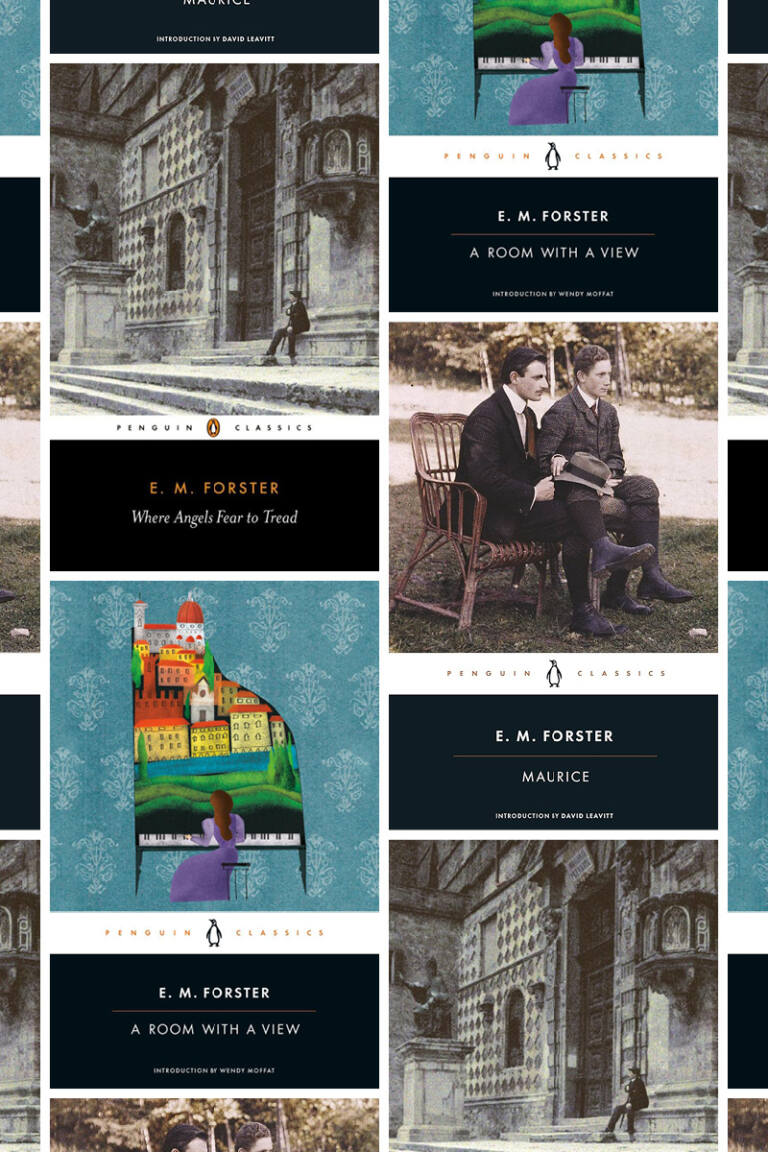
E. M. Forster’s Summer of Love with Pam Newton
3 Sessions Wednesdays, 6:30 pm EDT - 8:00 pm EDT July 8 to August 26, 2026
-
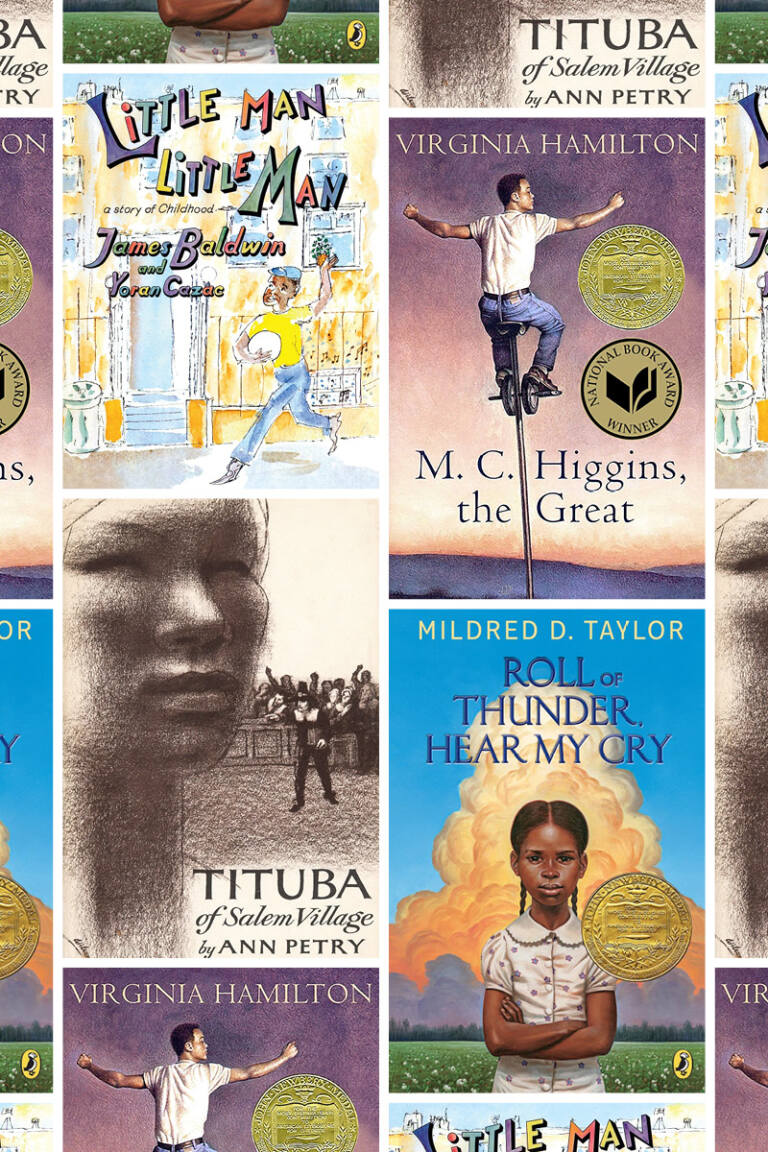
Reading Classic Black Children’s Novels with Gale Greenlee
4 Sessions Wednesdays, 6:00 pm EDT - 7:30 pm EDT July 8 to September 9, 2026
-
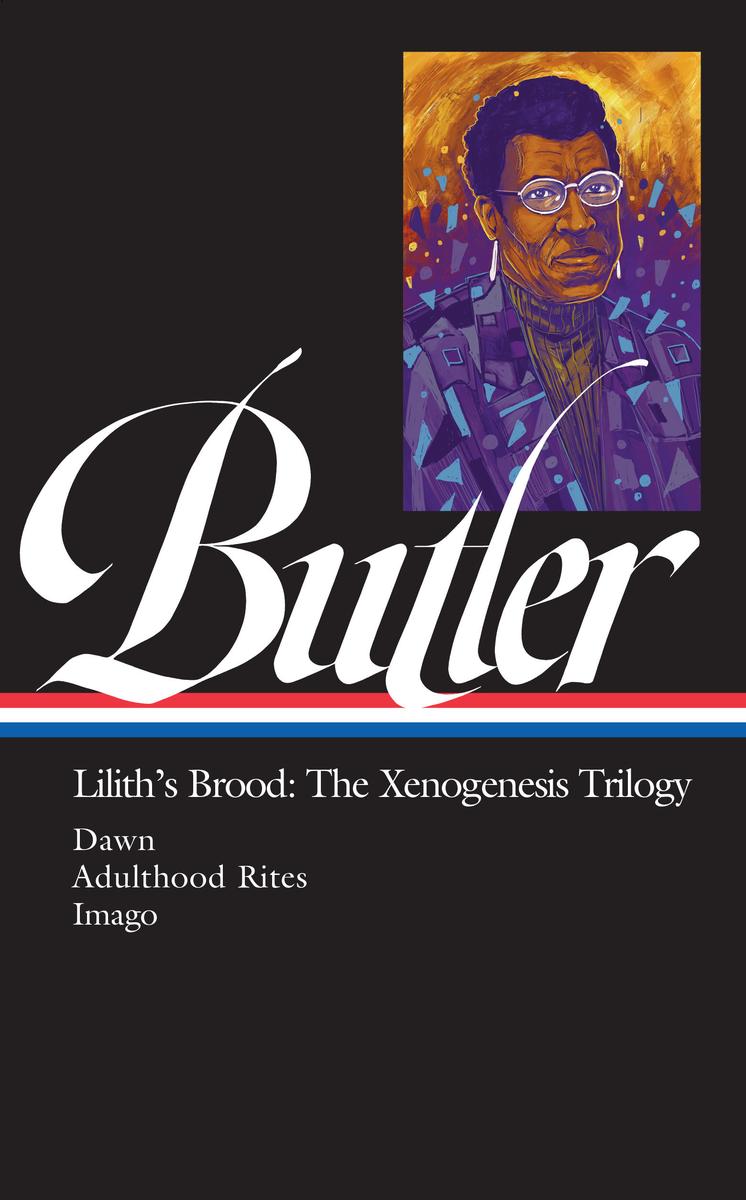
Octavia E. Butler's Xenogenesis Trilogy with Alaya Dawn Johnson
3 Sessions Saturdays, 1:00 pm EDT - 2:30 pm EDT July 11 to August 22, 2026
-
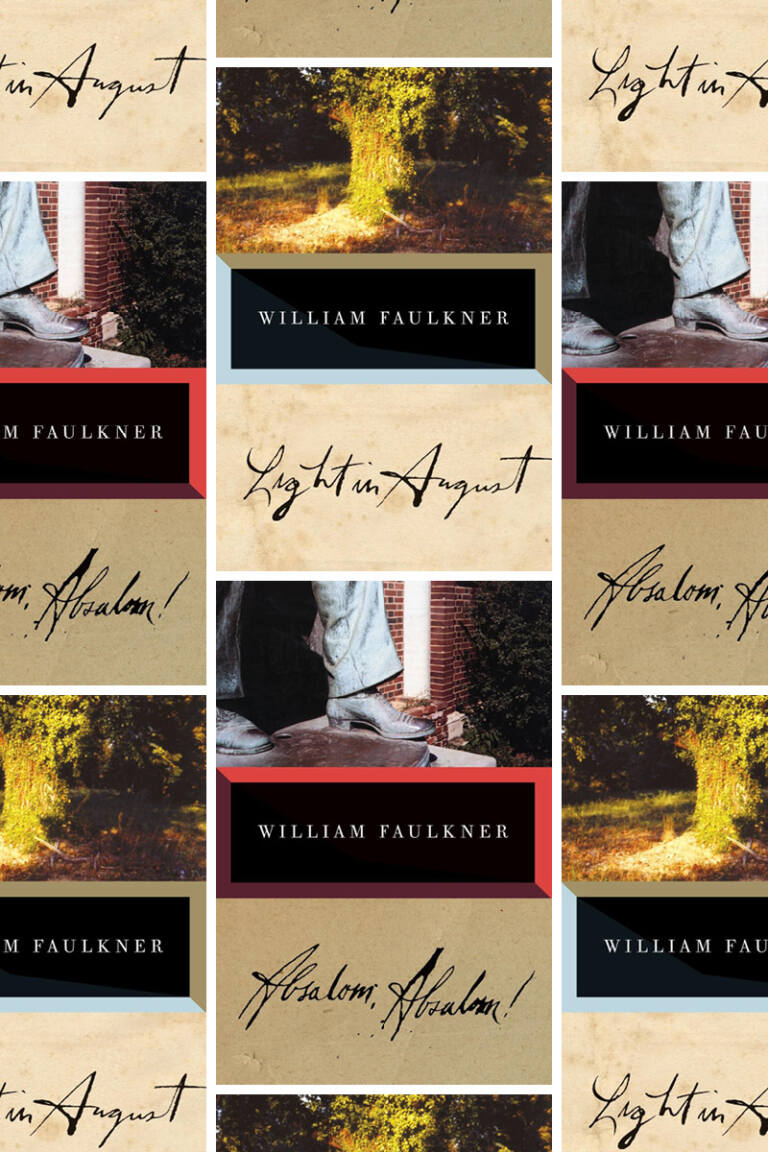
What the South Knew: Faulkner in the Trump Era with Linda Chavers
4 Sessions Saturdays, 11:00 am EDT - 12:30 pm EDT July 11 to August 22, 2026
-
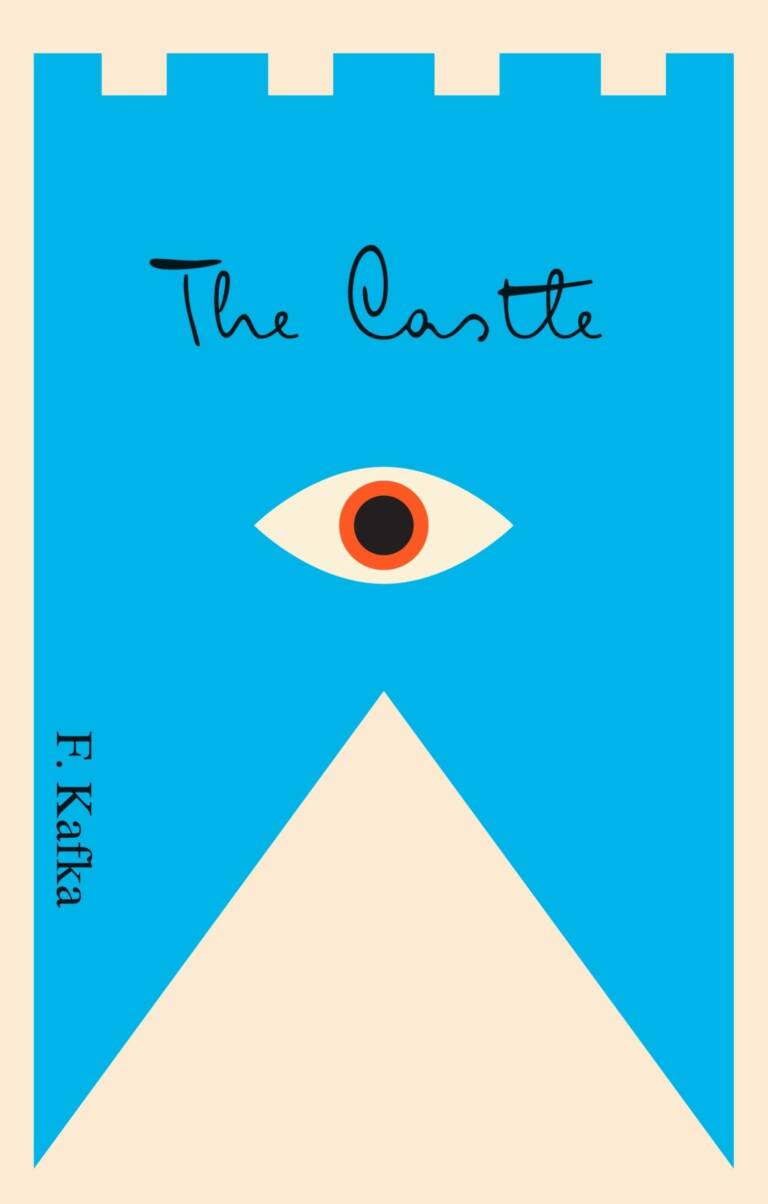
Franz Kafka’s The Castle with Martha Cooley
4 Sessions Sundays, 11:00 am EDT - 12:30 pm EDT July 12 to August 23, 2026
-
Crushes: The Art of the Swoon with Erica Peplin
Once a week Sundays, 6:00 pm EDT - 8:00 pm EDT July 12 to August 16, 2026
-

Crafting Novels on Notecards: Techniques from Nabokov with Jeff Boyd
Once a week Mondays, 6:00 pm EDT - 8:00 pm EDT July 13 to August 17, 2026
-

Writing the Story Only You Can Tell with Vanessa Walters
Once a week Mondays, 7:00 pm EDT - 9:00 pm EDT July 13 to August 3, 2026
-
In Short: Shirley Jackson’s "The Summer People” with Lesley Finn
Tuesday, 6:30 pm EDT - 8:00 pm EDT July 14, 2026
-
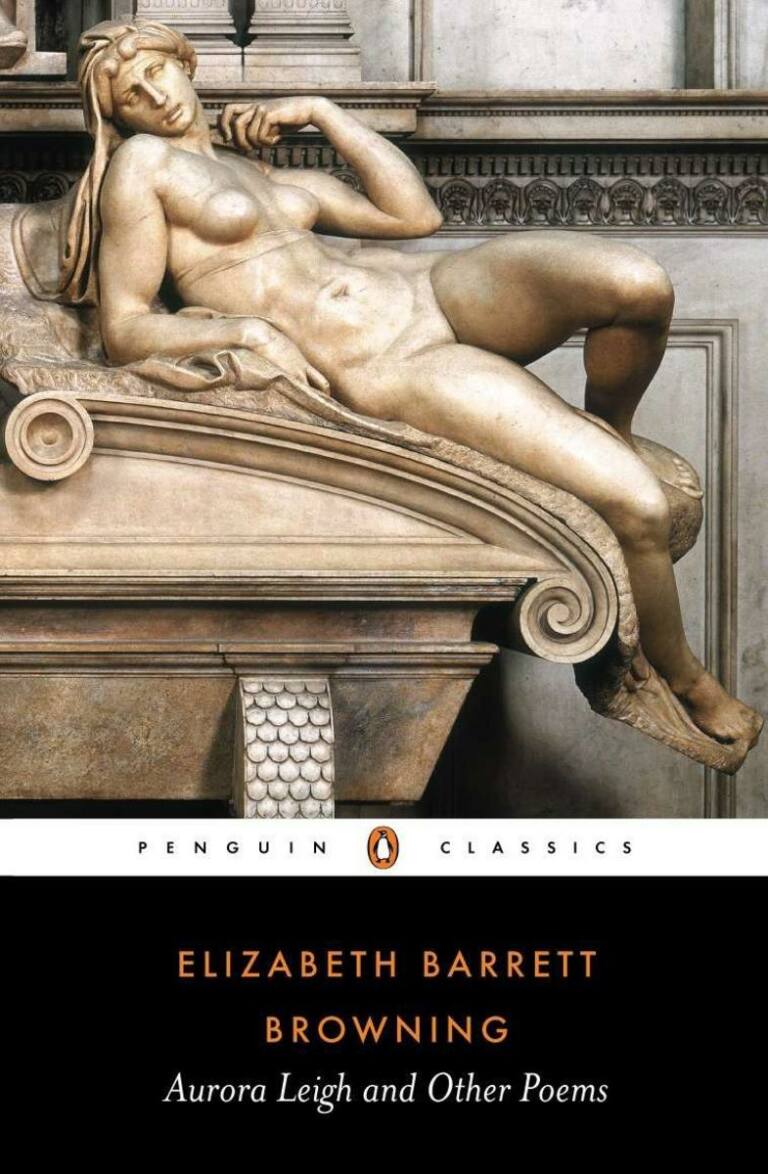
Elizabeth Barrett Browning's Aurora Leigh with Joanna Biggs
Once a week Thursdays, 6:30 pm EDT - 8:00 pm EDT July 16 to August 6, 2026