
Writing Workshops
The Scene and the Summary: Writing Effective Scenes in Memoir and Personal Essay with David McLoghlin
$495
8 Sessions
Out of stock

Once a week Thursdays, 6:00 pm EDT - 8:00 pm EDT January 11 to February 29, 2024

Online via Zoom
This workshop has reached its capacity. To join the waitlist, please email Randy Winston at [email protected].
This course will focus on the crucial difference between scenes and summaries. Summaries compress time, delivering crucial information, often background or linking material between scenes. Scenes imitate real time, describing action or conflict in immersive fashion. What this will do is enliven and energize your writing, by helping you to understand when you should be “showing” (scenes) and “telling” (summaries). Both are vital, and applicable to fiction and nonfiction. We will also look at teasing out the story we need to tell, crafting a narrative voice, and how to use time effectively in memoir. Other topics will include pacing our story, characterisation and dialogue. The workshop portion of class will assist you in the art of positive and supportive critique, leading you to form literary friendships and find future readers for your work. If you’re interested in writing your personal story by mastering that core element of craft, the scene, then this class is for you.
Course Outline
With the exception of the first class, half of each class will be dedicated to questions of craft; the other half will be dedicated to workshopping your writing. You will learn the following:
- How to create authentic scenes, and summaries, or “glides”: scenes happen in an approximation of real time; summaries or “glides” are the informative linking material between scenes that compress time, summarizing days or years.
- How to find the throughline in your story.
- When to “show” and when to “tell.” Both are necessary.
- How to create authentic dialogue.
- How to create three dimensional characterizations of real people on the page, avoiding ghost characters.
- How to pace your story and polish the narrative arc
- How to use time in memoir by moving between present and past in a convincing way without confusing the reader.
- How to find your narrative voice. This is a crafted version of you “pulled from the raw material of a life” (V. Gornick, The Situation and the Story).
- How to establish the narrator’s present life and what is at stake in terms of the past.
- How to learn to distinguish between the situation, or scene, at hand and the deeper story.
- To research the times you lived in, interview relatives and relations, read in ways that deepen your project in terms of historical and cultural contexts.
- To identify psychological and ethical challenges regarding how to include other people’s stories while expressing your own truth.
Books we will read and study*
- Crying in H Mart by Michelle Zauner
- Relations: An Anthology of African and Diaspora Voices, edited by Nana Ekua Brew-Hammond (creative nonfiction, essays and memoir extracts)
- Townie by Andre Dubus II
- Free: Coming of Age at the End of History by Lea Ypi
With periodic reference to
- Body Work: The Radical Power of Personal Narrative, by Melissa Febos
- The Art of Time in Memoir, by Sven Birkerts
- The Situation and the Story, by Vivian Gornick
- The Anti-Racist Workshop by Felicia Rose Chavez
- Draft No. 4: On the Writing Process by John Mcphee
*Extracts will be provided.

Led by
-

David McLoghlin
David McLoghlin
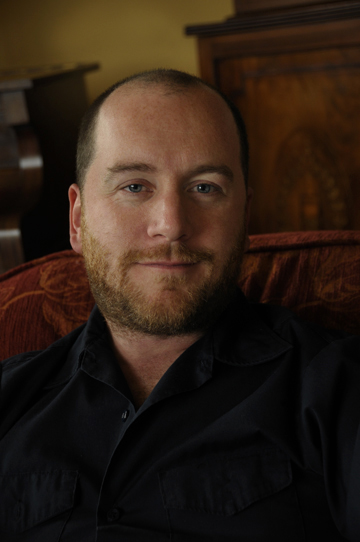
David McLoghlin is a prize-winning poet and writer of memoir and personal essay. His books are Waiting For Saint Brendan and Other Poems and Santiago Sketches. His third book, Crash Centre, will be published in May 2024 by Salmon Poetry. Apart from a major bursary (grant) for memoir from Ireland’s Arts Council, and a personal essay published in the anthology Others Will Enter the Gates: Immigrant Poets on Poetry, Influences, and Writing in America (Black Lawrence Press), he has published personal essays, short stories and memoir extracts in The Stinging Fly, Poetry Ireland Review and other journals. An essay on being mentored by poet Sharon Olds is forthcoming in This Glistening Verb (University of Michigan Press) as part of their “Under Discussion” series. He is currently at work on a book about his grandfather, the golf architect, Eddie Hackett, widely considered “the Father of Irish Golf Design.” In October 2023 he played one of his grandfather’s designs, Connemara Golf Links, and is writing an immersion piece for Golfer’s Journal in the USA. He has previously taught memoir for The Center for Fiction, and teaches creative writing in Ireland with The American College, Dublin, Poetry as Commemoration and Writers in Schools. While living in New York between 2010 and 2020 he was Resident Writer at Hunts Point Alliance for Children in the South Bronx, and an NYU Teaching Fellow at Coler Specialty Hospital; and a Patrick and Katherine Kavanagh Fellowship Recipient (2023).
About this series
Writing Workshops
We strive to make our classes the most inviting and rewarding available, offering an intimate environment to study with award-winning, world-class writers. Each class is specially designed by the instructor, so whether you’re a fledgling writer or an MFA graduate polishing your novel, you’ll find a perfect fit here.
-
The Literarians
Wednesday, 12:30 pm EDT - 1:30 pm EDT June 17, 2026
-
In Short: Hans Christian Andersen's “The Little Mermaid” with Amanda Hollander
Thursday, 6:30 pm EDT - 8:00 pm EDT June 18, 2026
-

300 Words a Day: Crush Writer’s Block and Build a Habit with Pablo Ottonello
Once a week Mondays, 7:00 pm EDT - 9:00 pm EDT June 22 to July 27, 2026
-
Memoir 101 with Rax King
Once a week Wednesdays, 6:00 pm EDT - 8:00 pm EDT June 24 to July 15, 2026
-
Advanced Short Story Workshop with Amy Silverberg
Once a week Thursdays, 7:00 pm EDT - 9:00 pm EDT June 25 to August 13, 2026
-

In Short: Ben Lerner's "The Hofmann Wobble" with Matilda Lin Berke
Tuesday, 6:30 pm EDT - 8:00 pm EDT July 7, 2026
-

Opening Movements: How Great Stories Begin with Doug Jones
Once a week Tuesdays, 7:00 pm EDT - 9:00 pm EDT July 7 to August 11, 2026
-
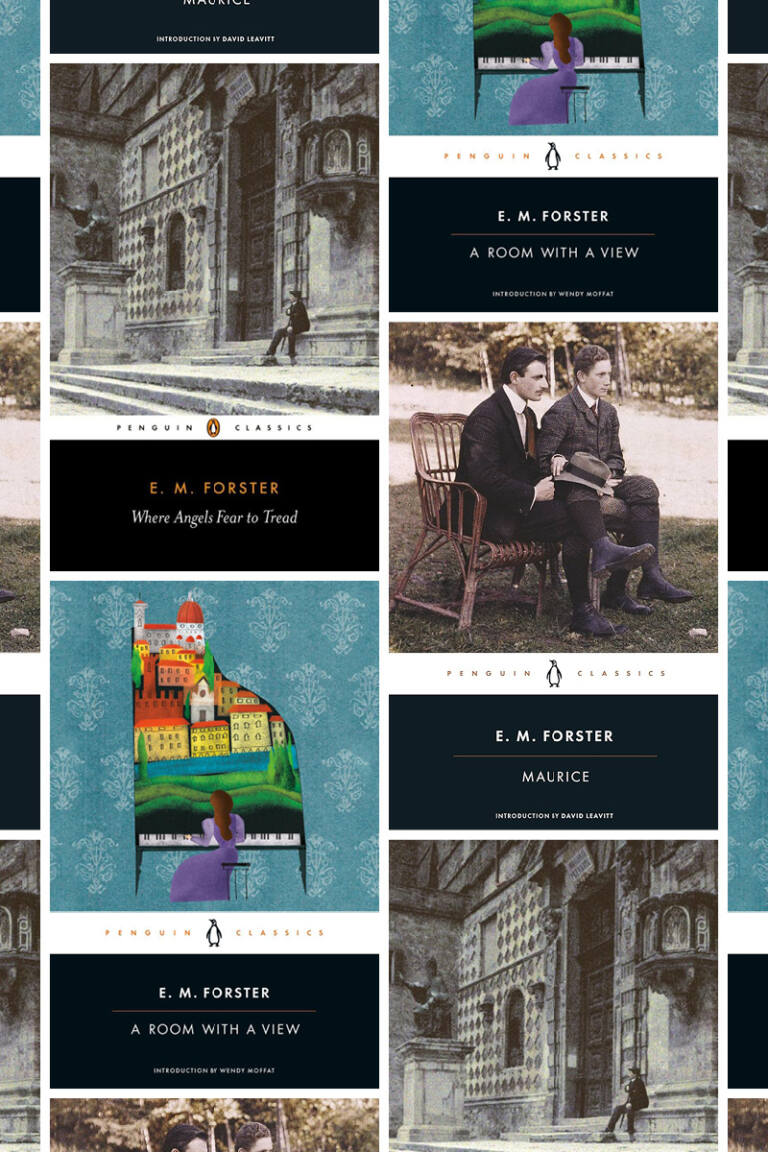
E. M. Forster’s Summer of Love with Pam Newton
3 Sessions Wednesdays, 6:30 pm EDT - 8:00 pm EDT July 8 to August 26, 2026
-
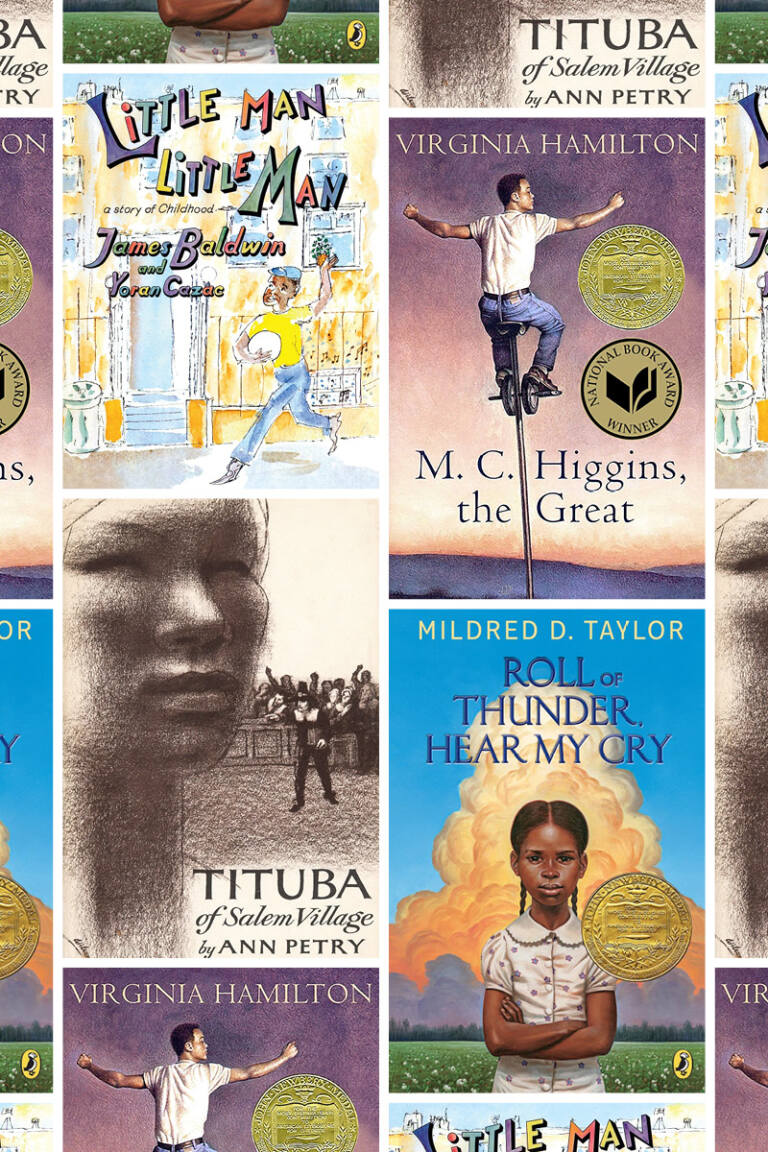
Reading Classic Black Children’s Novels with Gale Greenlee
4 Sessions Wednesdays, 6:00 pm EDT - 7:30 pm EDT July 8 to September 9, 2026
-
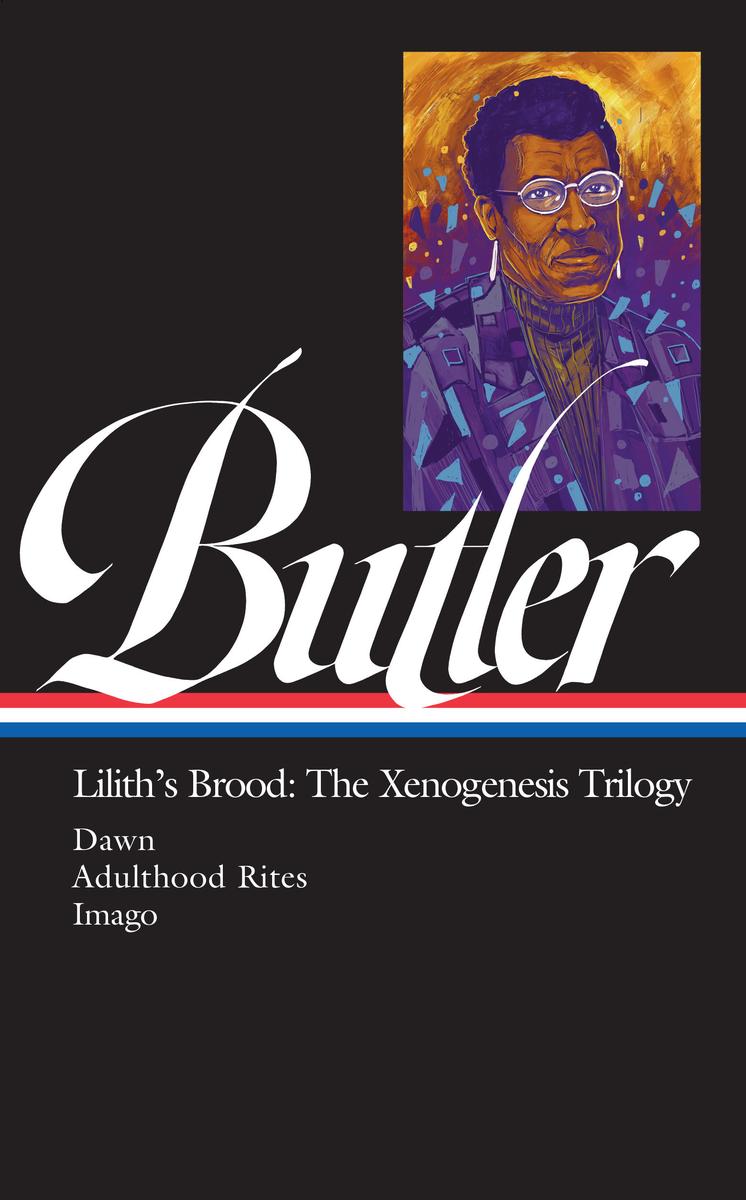
Octavia E. Butler's Xenogenesis Trilogy with Alaya Dawn Johnson
3 Sessions Saturdays, 1:00 pm EDT - 2:30 pm EDT July 11 to August 22, 2026
-
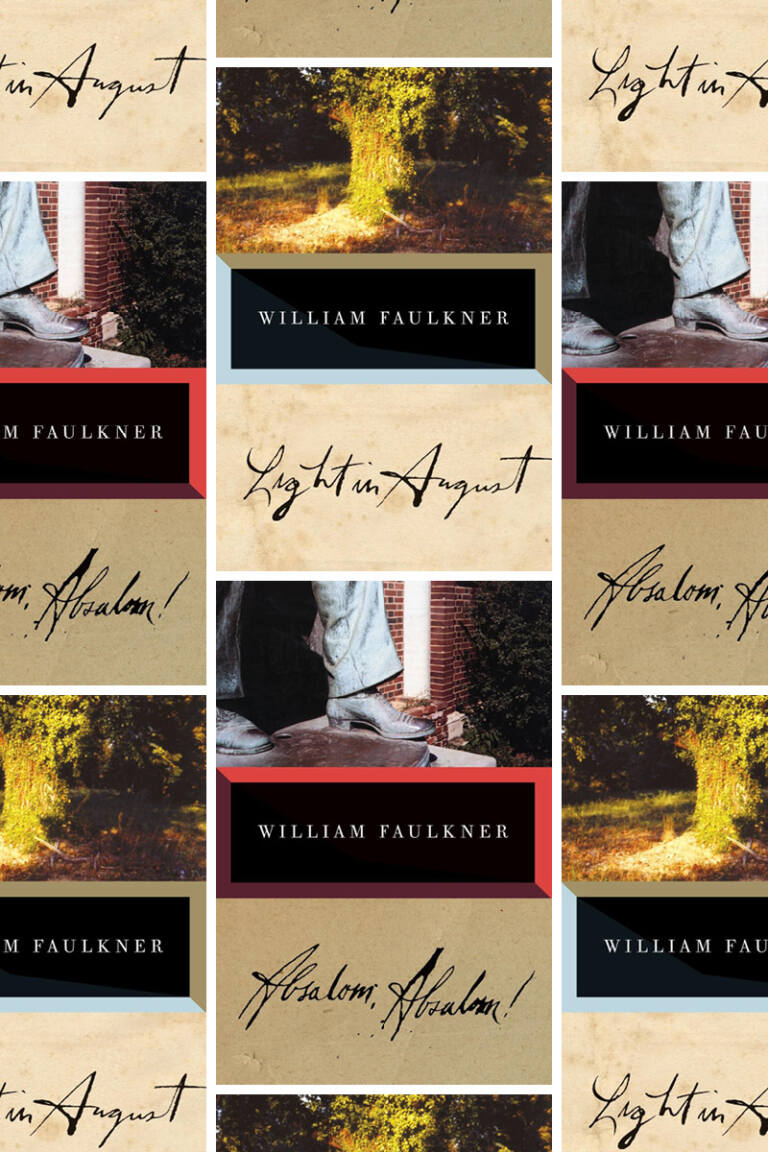
What the South Knew: Faulkner in the Trump Era with Linda Chavers
4 Sessions Saturdays, 11:00 am EDT - 12:30 pm EDT July 11 to August 22, 2026
-
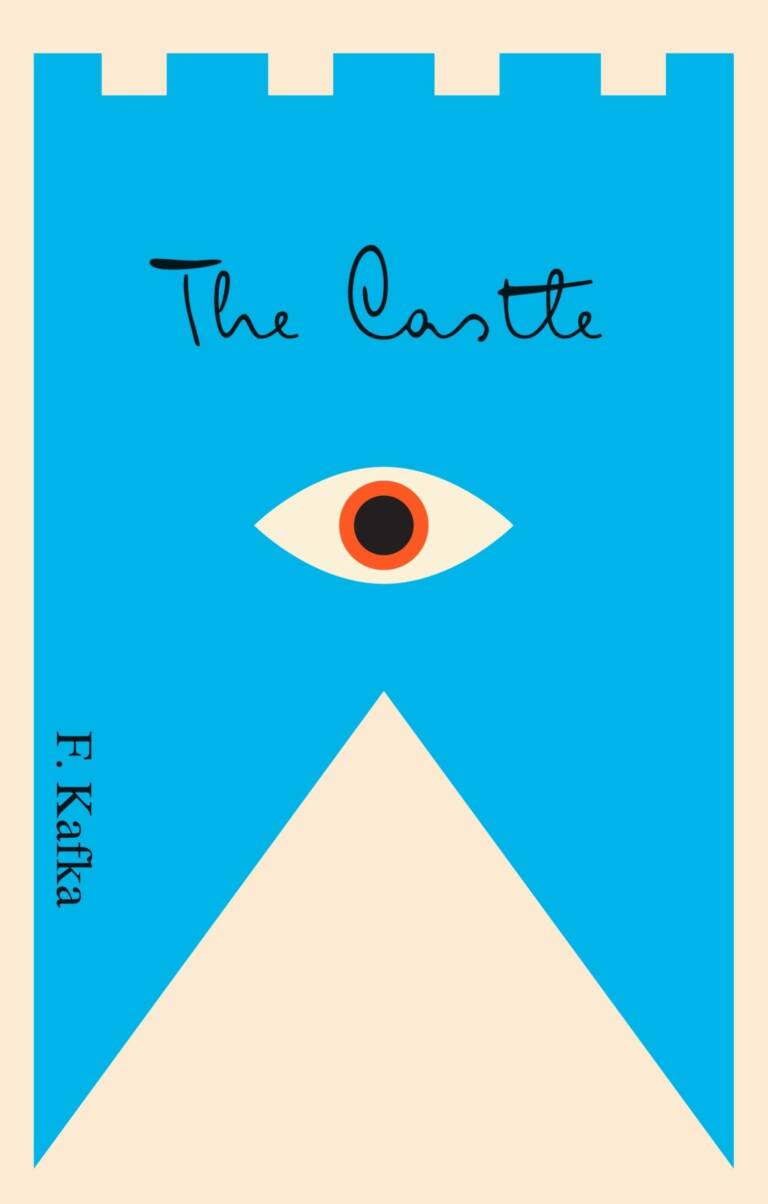
Franz Kafka’s The Castle with Martha Cooley
4 Sessions Sundays, 11:00 am EDT - 12:30 pm EDT July 12 to August 23, 2026
-

Crushes: The Art of the Swoon with Erica Peplin
Once a week Sundays, 6:00 pm EDT - 8:00 pm EDT July 12 to August 16, 2026
-
The Nightlighters
Monday, 6:00 pm EDT - 7:30 pm EDT July 13, 2026
-

Crafting Novels on Notecards: Techniques from Nabokov with Jeff Boyd
Once a week Mondays, 6:00 pm EDT - 8:00 pm EDT July 13 to August 17, 2026
-

Writing the Story Only You Can Tell with Vanessa Walters
Once a week Mondays, 7:00 pm EDT - 9:00 pm EDT July 13 to August 3, 2026
-
In Short: Shirley Jackson’s "The Summer People” with Lesley Finn
Tuesday, 6:30 pm EDT - 8:00 pm EDT July 14, 2026
-
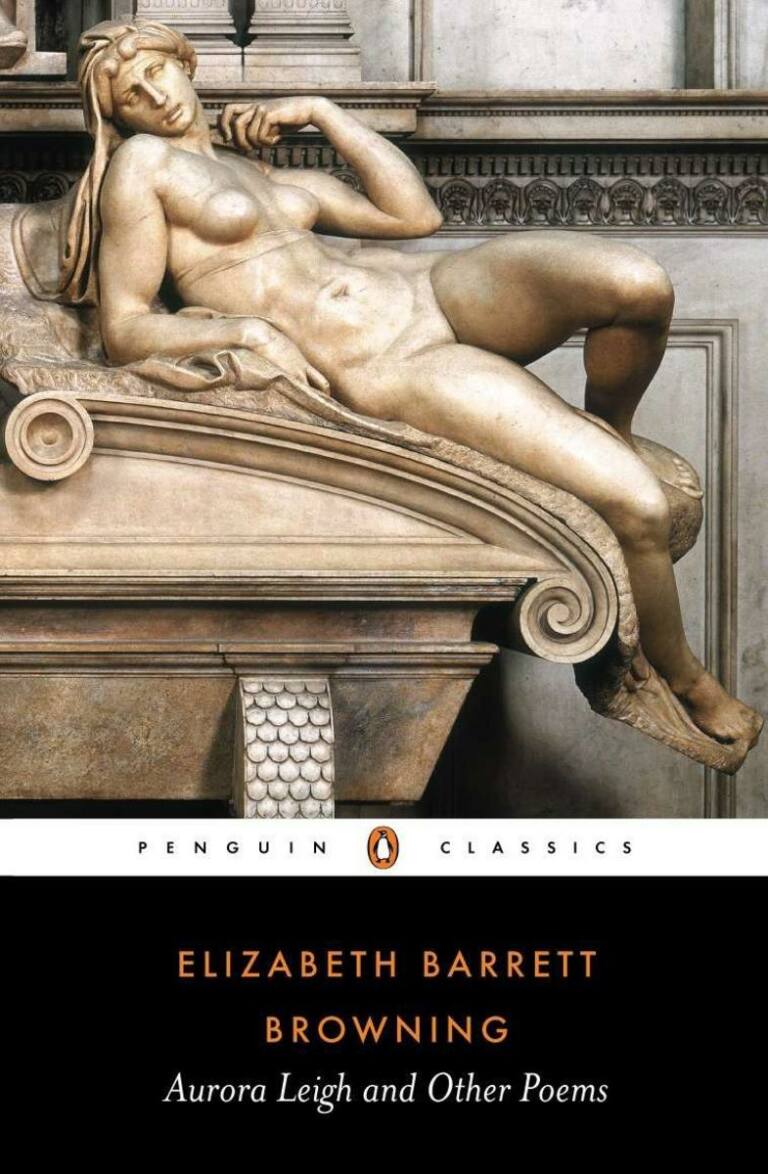
Elizabeth Barrett Browning's Aurora Leigh with Joanna Biggs
Once a week Thursdays, 6:30 pm EDT - 8:00 pm EDT July 16 to August 6, 2026
-
In Short: William Faulkner's "Mistral" with Carl Rollyson
Thursday, 7:00 pm EDT - 8:30 pm EDT July 16, 2026
-
The Art of Emotion in Fiction with Alec Niedenthal
Once a week Thursdays, 6:00 pm EDT - 8:00 pm EDT July 16 to August 13, 2026