

Once a week Tuesdays, 6:00 pm EDT - 7:30 pm EDT October 24 to November 14, 2023

The Center for Fiction
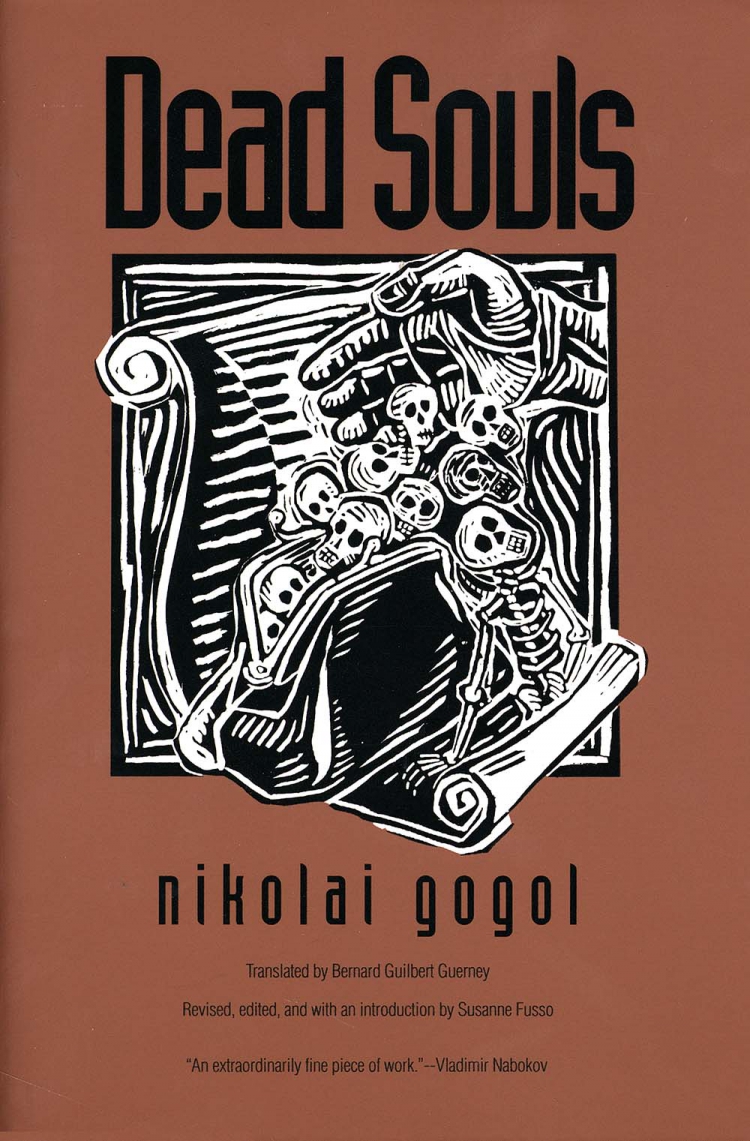
The ‘With Book’ option includes a copy of Dead Souls at a 10% discount from our Bookstore.
What kind of novel is Nikolai Gogol’s Dead Souls, published in 1842? Its hero (if that’s the word for him), Chichikov, concocts a scheme whereby he buys serfs who have died since the previous government census but are still considered taxable property – “dead souls” – and then sells as a means to becoming a landowner himself. Vissarion Belinsky and Vasily Rozanov, renowned Russian critics in their time, wrote (respectively) that there wasn’t a single funny word in the book and that it corrupted Russian readers. In our time, Mel Brooks routinely cites it as having changed his life. It was for him “a revelation…. hysterically funny and incredibly moving.” Like all masterpieces, Dead Souls tells us as much about ourselves as the world from which it emerged. It is both a savage portrait of the brutality of czarist Russia and a novel written in what Nabokov called “a life-generating syntax,” a demonstration of the power of language to create its own reality.
Meeting Details:
Tuesdays, 6–7:30pm ET
10/24, 10/31, 11/7, 11/14
In Person at The Center for Fiction
Before the first session, participants should have read chapters 1–3 (pp. 1–55).
Led By
-

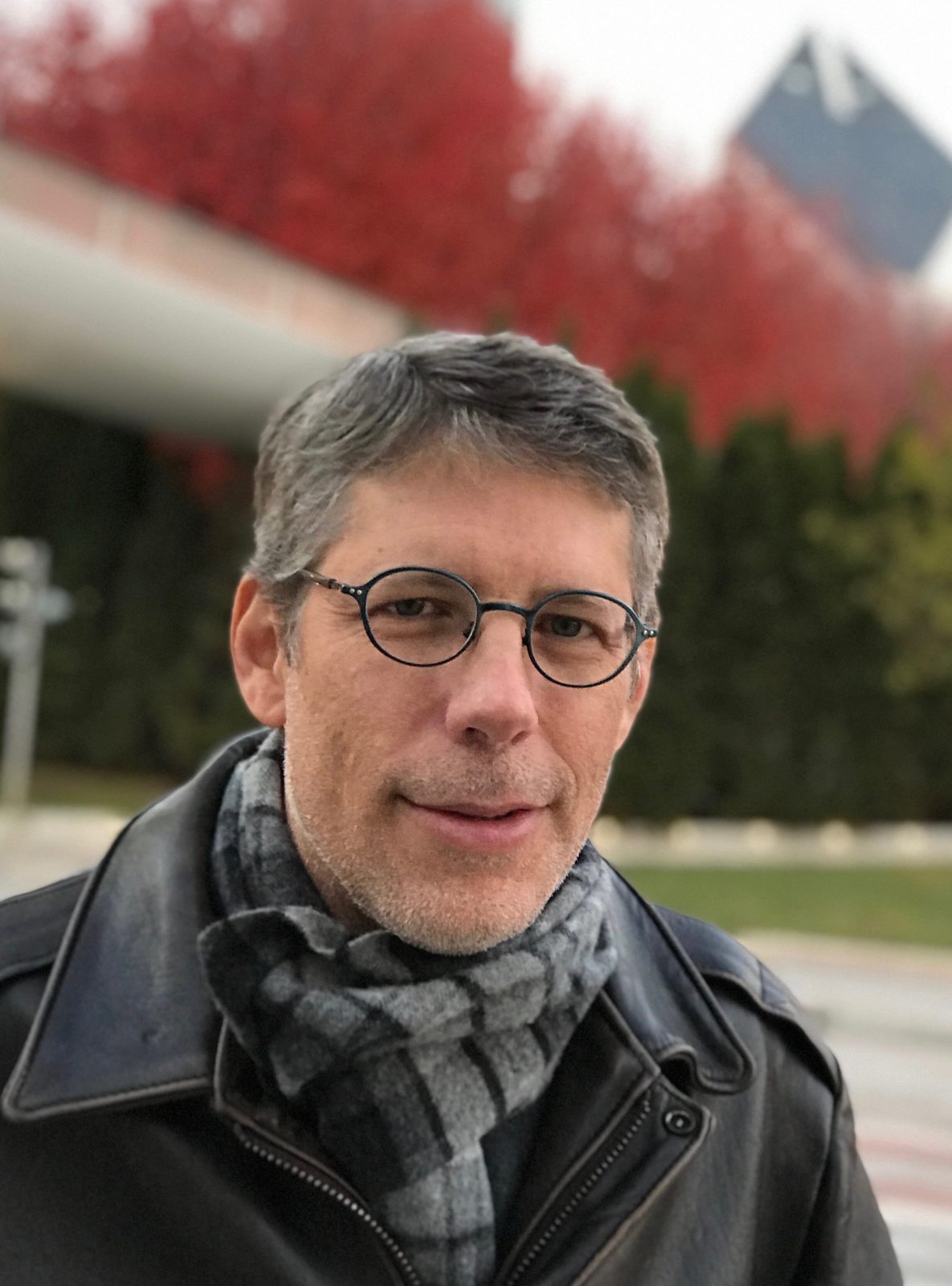
Mike Levine
Mike Levine
Mike Levine is an independent editor. He was previously an acquisitions editor at Northwestern University Press. Among the authors he published were Jen Beagin (Whiting Award winner), A. E. Stallings (National Book Critics Circle Award in Poetry, finalist), and Stephen Karam (Pulitzer Prize in Drama, finalist). He has also been a senior editor at the Great Books Foundation. Since 2000, he has taught literature and film seminars in several continuing education programs. He has a B.A. from Washington University in St. Louis and a Ph.D. in English from Rice University.
About this series
Reading Groups
Whether you’re looking to catch up on great novels or you’re interested in exploring a new writer or literary period, our reading groups offer high-level literary discussion led by experts in the field.
-

Getting Unstuck: A Weekend Intensive with Ramona Ausubel
Sunday, 12:00 pm EDT - 1:30 pm EDT June 7, 2026
-

The Nightlighters
Monday, 6:00 pm EDT - 7:30 pm EDT June 8, 2026
-

Channel Your Intuition: A One-Day Creative Nonfiction Intensive with Emily Rapp Black
Saturday, 12:00 pm EDT - 1:30 pm EDT June 13, 2026
-
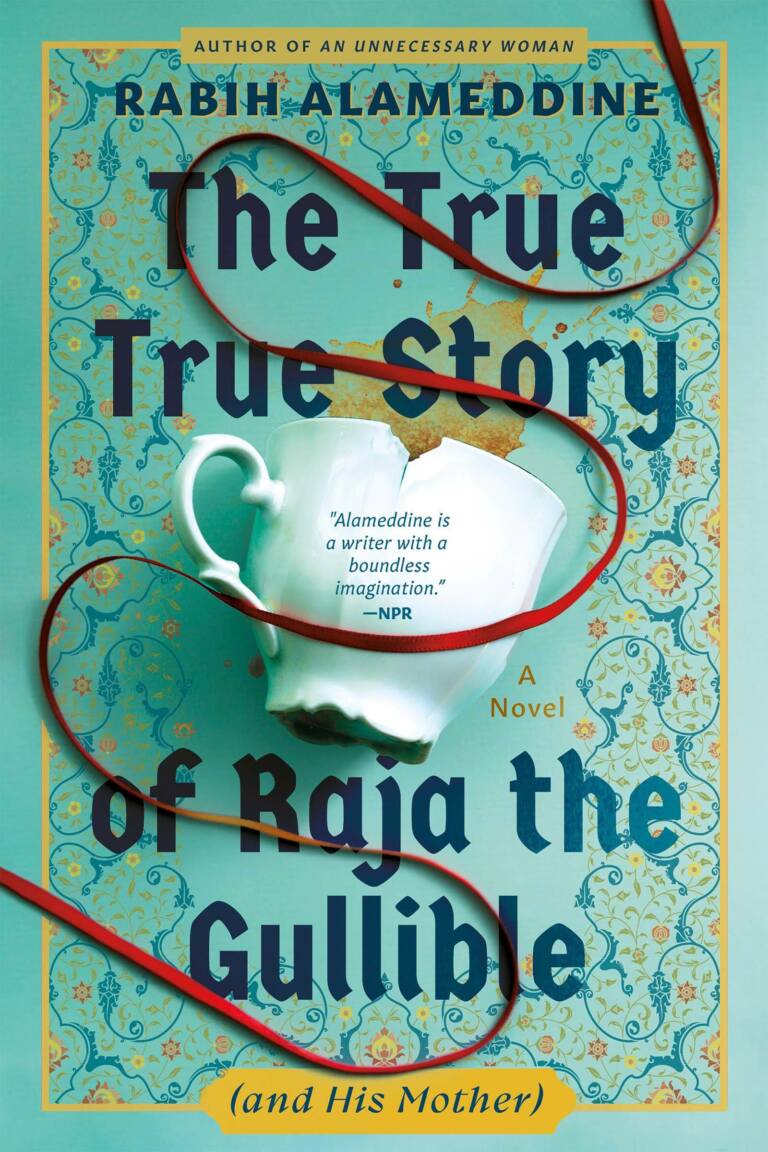
The Literarians
Wednesday, 12:30 pm EDT - 1:30 pm EDT June 17, 2026
-
In Short: Hans Christian Andersen's “The Little Mermaid” with Amanda Hollander
Thursday, 6:30 pm EDT - 8:00 pm EDT June 18, 2026
-

300 Words a Day: Crush Writer’s Block and Build a Habit with Pablo Ottonello
Once a week Mondays, 7:00 pm EDT - 9:00 pm EDT June 22 to July 27, 2026
-

Memoir 101 with Rax King
Once a week Wednesdays, 6:00 pm EDT - 8:00 pm EDT June 24 to July 15, 2026
-
Advanced Short Story Workshop with Amy Silverberg
Once a week Thursdays, 7:00 pm EDT - 9:00 pm EDT June 25 to August 13, 2026
-

In Short: Ben Lerner's "The Hofmann Wobble" with Matilda Lin Berke
Tuesday, 6:30 pm EDT - 8:00 pm EDT July 7, 2026
-

Opening Movements: How Great Stories Begin with Doug Jones
Once a week Tuesdays, 7:00 pm EDT - 9:00 pm EDT July 7 to August 11, 2026
-
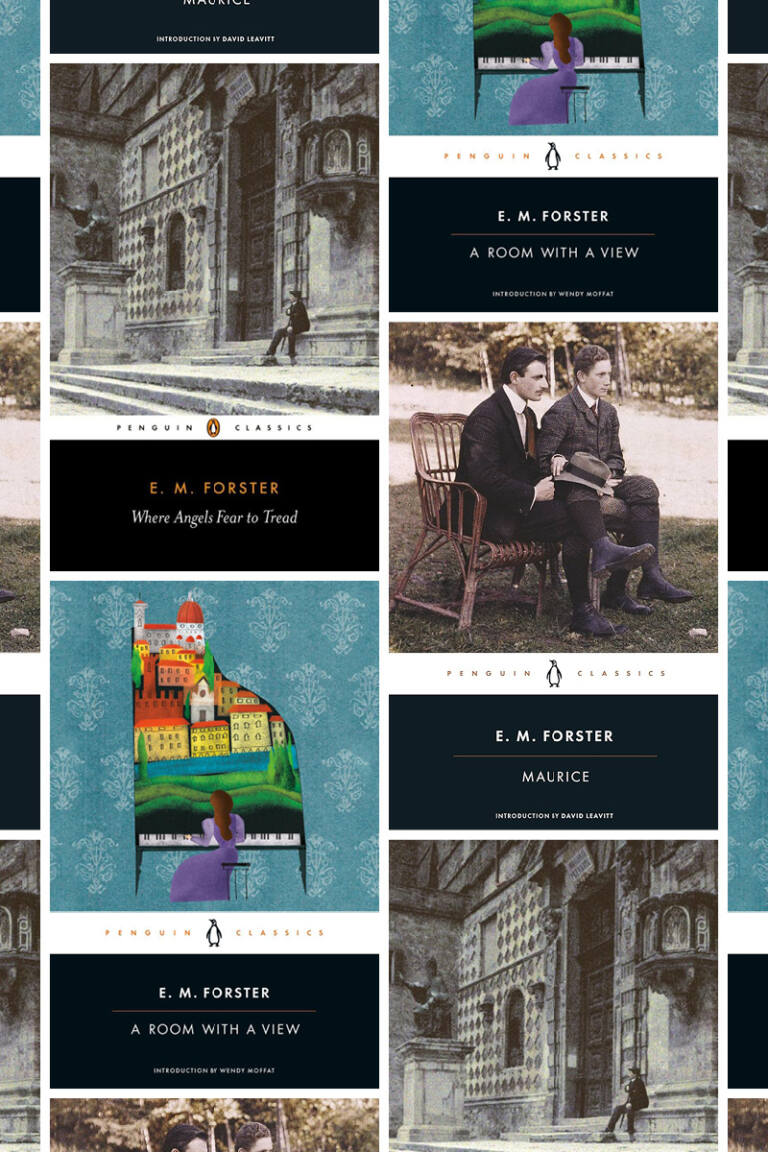
E. M. Forster’s Summer of Love with Pam Newton
3 Sessions Wednesdays, 6:30 pm EDT - 8:00 pm EDT July 8 to August 26, 2026
-
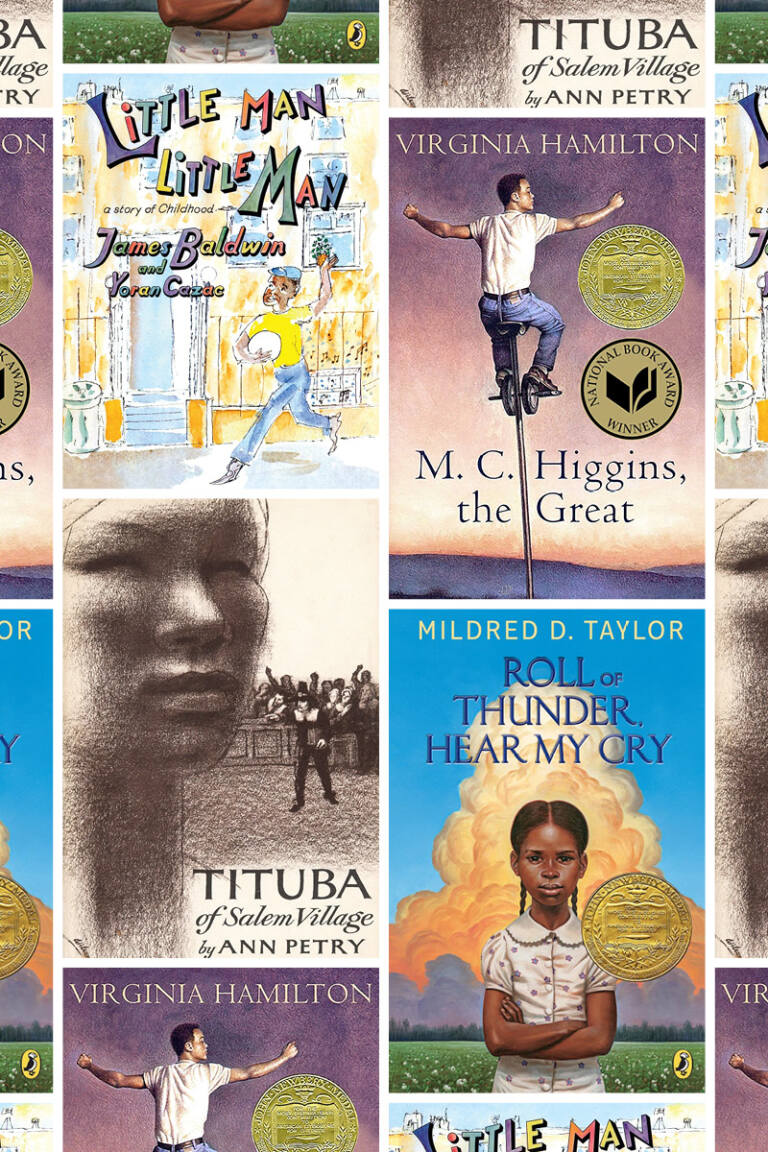
Reading Classic Black Children’s Novels with Gale Greenlee
4 Sessions Wednesdays, 6:00 pm EDT - 7:30 pm EDT July 8 to September 9, 2026
-
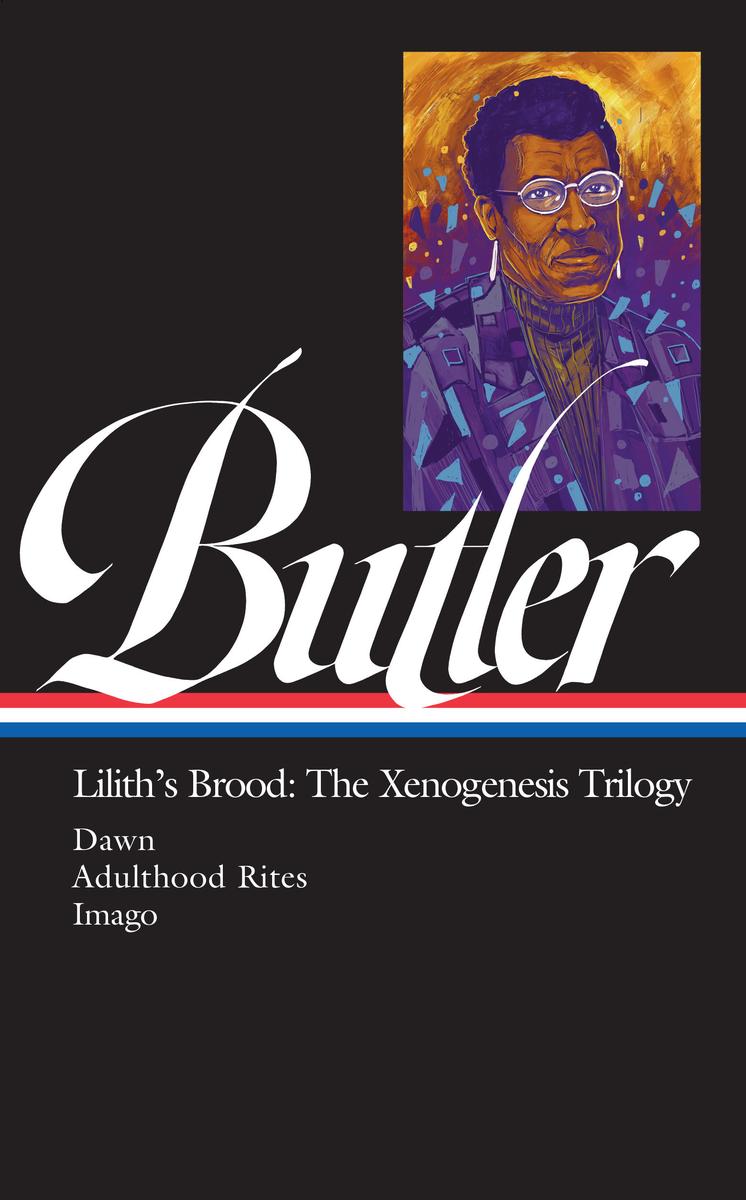
Octavia E. Butler's Xenogenesis Trilogy with Alaya Dawn Johnson
3 Sessions Saturdays, 1:00 pm EDT - 2:30 pm EDT July 11 to August 22, 2026
-
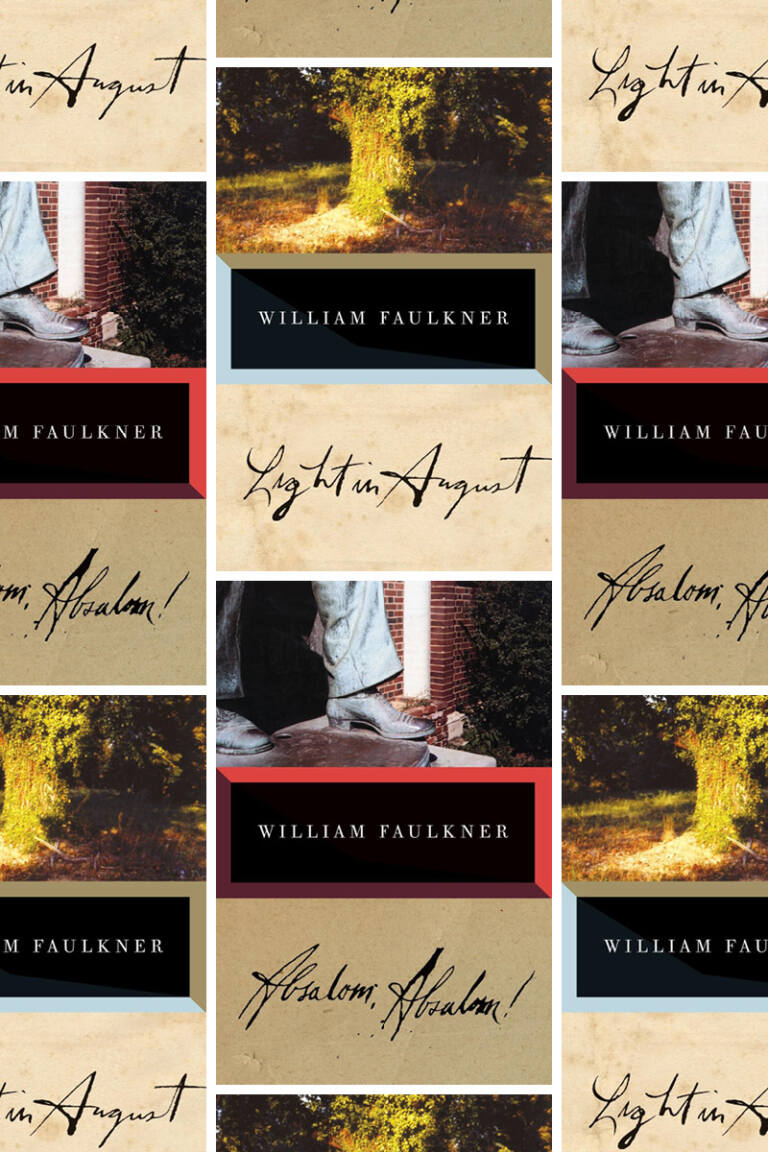
What the South Knew: Faulkner in the Trump Era with Linda Chavers
4 Sessions Saturdays, 11:00 am EDT - 12:30 pm EDT July 11 to August 22, 2026
-
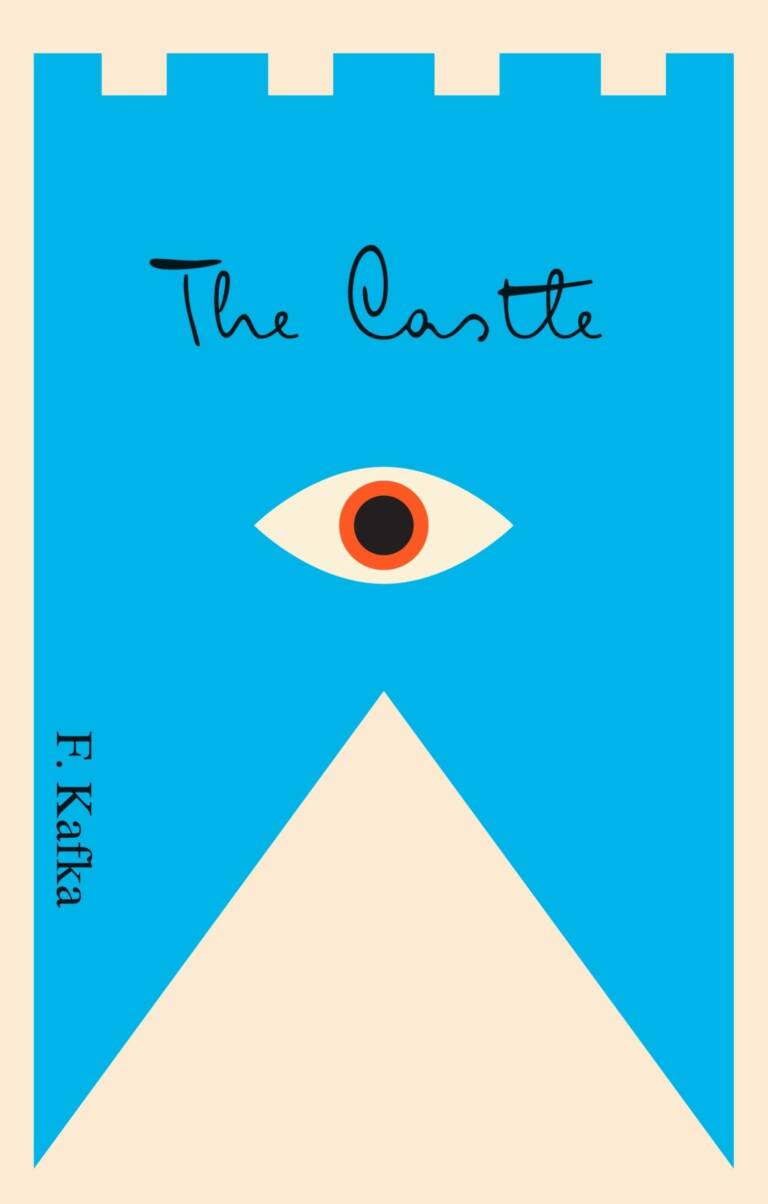
Franz Kafka’s The Castle with Martha Cooley
4 Sessions Sundays, 11:00 am EDT - 12:30 pm EDT July 12 to August 23, 2026
-

Crushes: The Art of the Swoon with Erica Peplin
Once a week Sundays, 6:00 pm EDT - 8:00 pm EDT July 12 to August 16, 2026
-

Crafting Novels on Notecards: Techniques from Nabokov with Jeff Boyd
Once a week Mondays, 6:00 pm EDT - 8:00 pm EDT July 13 to August 17, 2026
-

Writing the Story Only You Can Tell with Vanessa Walters
Once a week Mondays, 7:00 pm EDT - 9:00 pm EDT July 13 to August 3, 2026
-
In Short: Shirley Jackson’s "The Summer People” with Lesley Finn
Tuesday, 6:30 pm EDT - 8:00 pm EDT July 14, 2026
-
Elizabeth Barrett Browning's Aurora Leigh with Joanna Biggs
Once a week Thursdays, 6:30 pm EDT - 8:00 pm EDT July 16 to August 6, 2026