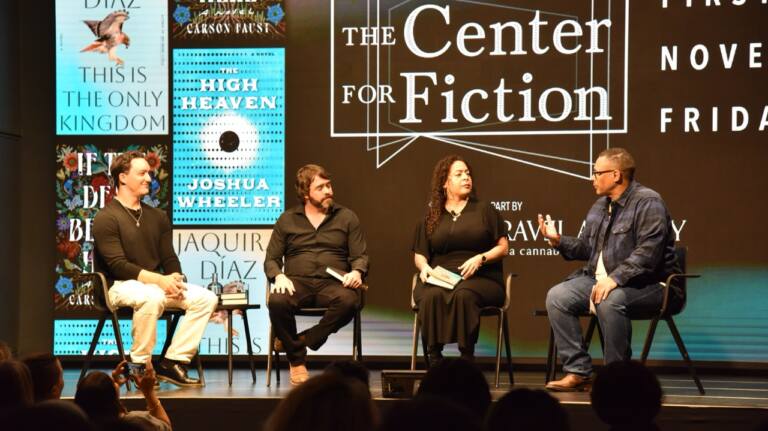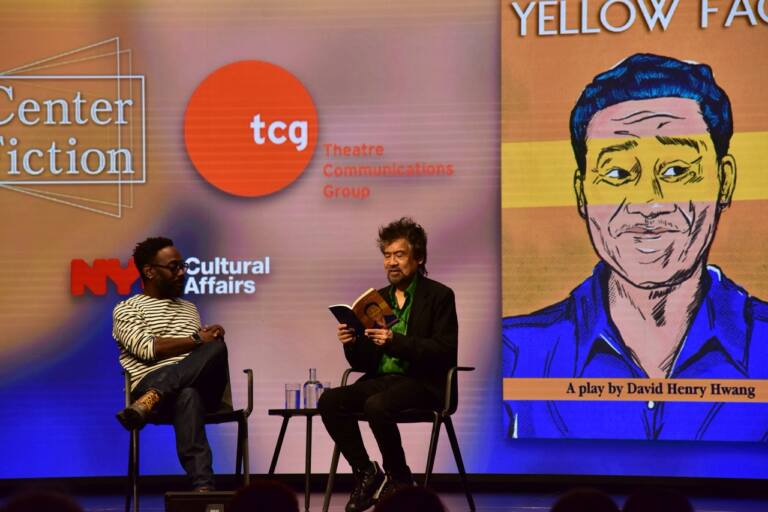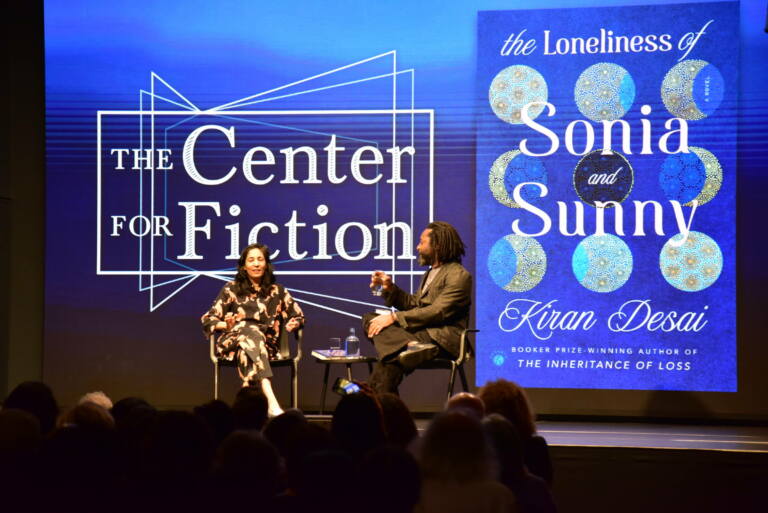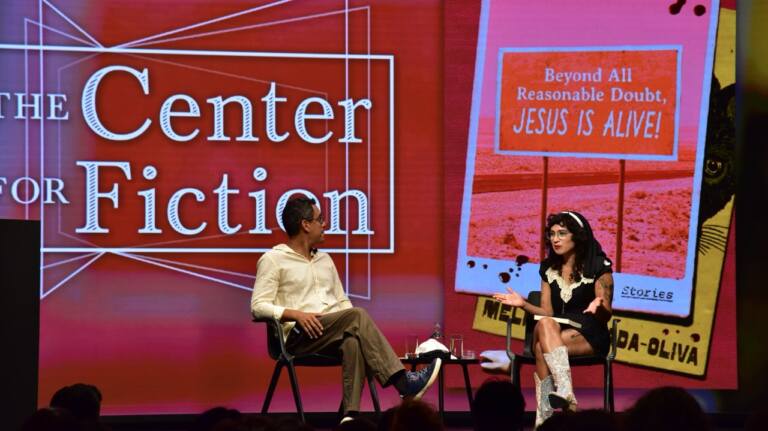


Critics Jayna Brown (Black Utopias) and Tavia Nyong’o (Afro-Fabulations) joined author and poet John Keene (Counternarratives) to discuss the impact and enduring significance of the work of Samuel R. Delany. Following the discussion, Delany read from his forthcoming book, Of Solids and Surds.
Often cited as a foundational figure in what has come to be called Afrofuturism, Delany also pioneered highly complex literary experiments that defy spacetime and entangle readers in the realia of other worlds. Deeply committed to the transgressive powers of estrangement, Delany simultaneously mastered and unsettled the conventions of science fiction in ways the genre is still catching up with. His work anticipates the sex and gender nonconformity of today, even as his meditations on technoscientific advance within societies structured in race, gender and power hierarchies helped invent the bleak genre of cyberpunk. We are already living amidst some of the scenarios his fictions fabulated.
Writing in the heyday of ‘high theory’ Delany’s speculative essays and stories also form a kind of critical theory in their own right. Ever since humanity stared into the cosmos, the Black universe has stared back at us. From his earliest space operas forward, the fiction of Delany has persistently extended literature’s forays into that Blackness, deepening and darkening our sense of the possible.
Featured Books
-
.

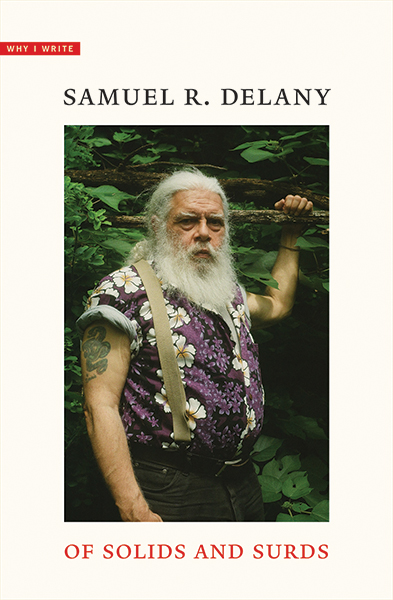
Of Solids and Surds
By Samuel R. Delany
Published by Yale University Press
In the fourth volume in the Why I Write series, the iconic Samuel Delany remembers fifty years of writing and shaping the world of speculative fiction.
Science fiction dwells mostly in the realm of possibility, where mysteries proliferate nevertheless, meaning is never static, and “time and history have convinced us that things are not as they seem.” So too does all language, argues Samuel Delany, in his vigorous justification for the writing life.
Chronicling his struggle with dyslexia, the evolution of his gay and black identity during the AIDS crisis, and his experiences and relationships through five decades as a writer of fiction and nonfiction, Delany is a longtime observer of language’s inner workings. For Delany, the reasons to write are inextricably linked with the habits of reading. Like the number of galaxies in the multiverse, the possibilities are endless; but in the last analysis, we write to discover our own worlds in the worlds of others—and to promote an illusion of their sharing.
-
.

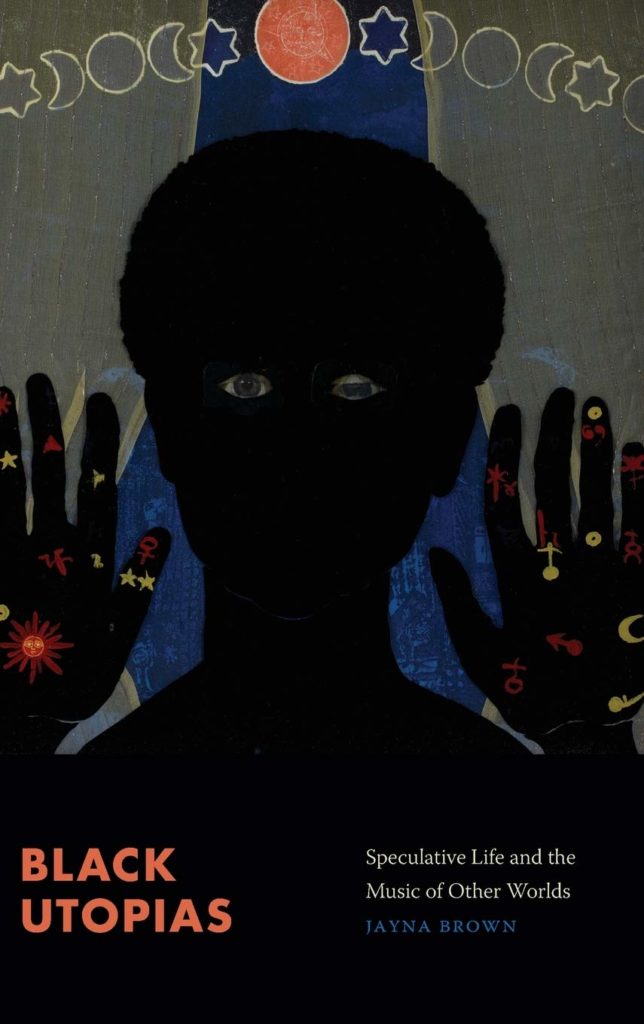
Black Utopias
By Jayna Brown
Published by Duke University Press
In Black Utopias Jayna Brown takes up the concept of utopia as a way of exploring alternative states of being, doing, and imagining in Black culture. Musical, literary, and mystic practices become utopian enclaves in which Black people engage in modes of creative worldmaking. Brown explores the lives and work of Black women mystics Sojourner Truth and Rebecca Cox Jackson, musicians Alice Coltrane and Sun Ra, and the work of speculative fiction writers Samuel Delany and Octavia Butler as they decenter and destabilize the human, radically refusing liberal humanist ideas of subjectivity and species. Brown demonstrates that engaging in utopian practices Black subjects imagine and manifest new genres of existence and forms of collectivity. For Brown, utopia consists of those moments in the here and now when those excluded from the category human jump into other onto-epistemological realms. Black people—untethered from the hope of rights, recognition, or redress—celebrate themselves as elements in a cosmic effluvium.
.
-
.

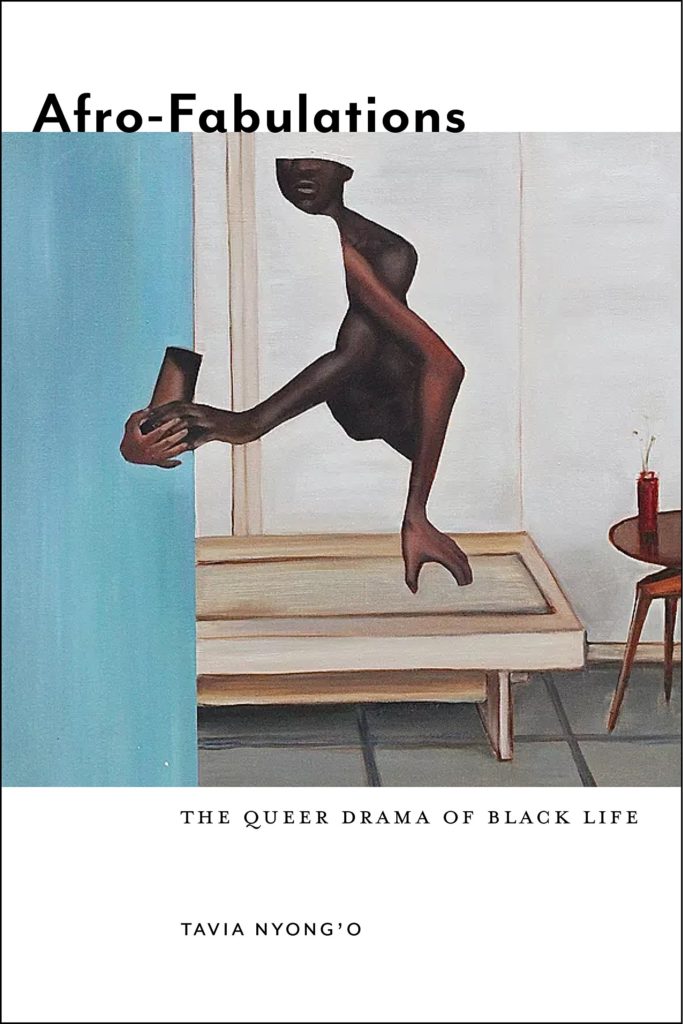
Afro-Fabulations
By Tavia Nyong’o
Published by NYU Press
In Afro-Fabulations: The Queer Drama of Black Life, cultural critic and historian Tavia Nyong’o surveys the conditions of contemporary black artistic production in the era of post-blackness. Moving fluidly between the insurgent art of the 1960’s and the intersectional activism of the present day, Afro-Fabulations challenges genealogies of blackness that ignore its creative capacity to exceed conditions of traumatic loss, social death, and archival erasure.
If black survival in an anti-black world often feels like a race against time, Afro-Fabulations looks to the modes of memory and imagination through which a queer and black polytemporality is invented and sustained. Moving past the antirelational debates in queer theory, Nyong’o posits queerness as “angular sociality,” drawing upon queer of color critique in order to name the gate and rhythm of black social life as it moves in and out of step with itself. He takes up a broad range of sites of analysis, from speculative fiction to performance art, from artificial intelligence to Blaxploitation cinema. Reading the archive of violence and trauma against the grain, Afro-Fabulations summons the poetic powers of queer world-making that have always been immanent to the fight and play of black life.