
Writing Workshops
The Art of Time: How to Use Different Timelines in Our Memoir and Personal Essays to Improve Our Narrative Voice with David McLoghlin
$595
10 Sessions
Out of stock

Once a week Thursdays, 6:00 pm EDT - 8:00 pm EDT March 20 to May 22, 2025

Online via Zoom
I have taught Sven Birkert’s important craft book The Art of Time in Memoir: Then, Again in all my memoir classes, but this is my first course almost wholly dedicated to the topic. As such, we will dedicate at least five classes to the potential uses of time in memoir, and spend the remaining classes exploring other important elements of craft.
We live in time, and our thoughts constantly move between the past and the present. Using different timelines, or at least referencing them, is one of the best ways to add authenticity and believability to our stories. In this course, we will learn how to establish a narrative anchor (what Birkerts calls a “vantage point”) from which the past in the story can be surveyed. Where this vantage point belongs in the timeline can be specified via scenes from the narrator’s “present life” or more organically as a wistful, wise, or angry tone within the narrative voice—one that is defined by the perspective gained by reflecting on past events.
Course Outline:
Sven Birkert’s Book The Art of Time in Memoir: Then, Again (Graywolf Press) is our core text, and purchasing it is recommended. (Available in The Center for Fiction online bookstore.) Other reading will be assigned and provided in PDF format. Apart from workshop, each session will be spent discussing exemplary texts, learning about, then practicing, important craft elements via generative in-class writing. These craft elements will include:
- Working with time by moving between present and past convincingly without confusing the reader, possibly employing more than one timeline, or at least establishing a greater awareness of your “narrative present.” (By narrative present I mean the life of the adult self who is telling the story.)
- How to use tenses (past, present, and conditional) to suit a variety of narrative moments. Do we tell our story wholly in the present tense, gaining in immediacy what we lose in reflectiveness? Or do we balance the use of present tense (peak moments of beauty, love, crisis, or trauma) with the use of the past tense to bring in the reflective voice of the adult narrator, the adult “you?”
- How to explore implementing different timelines, whether chronological with flashbacks, braided or semi-braided narratives.
- How to use free-writing as a process to progressively hone in on the story you want to tell and/or assist you in freeing you from blocks.
- Identifying the “story within the story” or throughline/central narrative thread, and working with leitmotifs by implementing recurring images or thematic elements.
- Creating a balance of authentic scenes and exposition by weaving interjections by the adult narrator into the narrative, thus adding richness and texture. It has been said that memoir should be 70% scene and 30% exposition. Scenes happen in an approximation of real-time while exposition is the informative linking material between scenes that helps us compress time and deliver vital information. Learning how to use both is essential in terms of understanding when to “show” (scenes) and when to “tell” (exposition).
- Finding a structure that works for you by mapping plot points, carving out obligatory scenes, and polishing the narrative arc.
- Identifying and developing your narrative voice—a constructed version of you “pulled from the raw material of a life” (Vivian Gornick, The Situation and the Story). The wise, “noticing” narrative voice is most evident in exposition—another reason for its importance.
- Writing authentic dialogue, improving our characterizations of real people, and avoiding “ghost characters” (characters named in a scene who then take no action or are not further described).
This course is held online via Zoom.
Led by
-

David McLoghlin
David McLoghlin
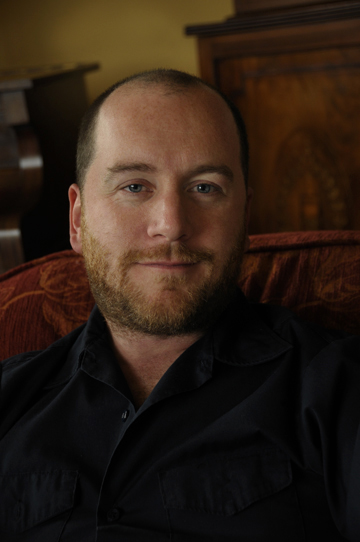
David McLoghlin has taught memoir with The Center for Fiction, Hudson Valley Writers Center and The Irish Writers Centre. During his MFA in Creative Writing at New York University, he was Resident Writer at Hunts Point Alliance for Children in the South Bronx, and an NYU Teaching Fellow at Coler Specialty Hospital. His books are Crash Centre (May 2024), Waiting For Saint Brendan and Other Poems, and Santiago Sketches, all with Salmon Poetry. He is currently at work on a book about his grandfather, the golf architect Eddie Hackett, widely considered “the Father of Irish Golf Design.” In October 2023 he played one of his grandfather’s designs, Connemara Golf Links, an immersion piece will feature in Golfer’s Journal in the USA in mid 2025.
About this series
Writing Workshops
We strive to make our classes the most inviting and rewarding available, offering an intimate environment to study with award-winning, world-class writers. Each class is specially designed by the instructor, so whether you’re a fledgling writer or an MFA graduate polishing your novel, you’ll find a perfect fit here.
-

In Short: Ben Lerner's "The Hofmann Wobble" with Matilda Lin Berke
Tuesday, 6:30 pm EDT - 8:00 pm EDT July 7, 2026
-
Opening Movements: How Great Stories Begin with Doug Jones
Once a week Tuesdays, 7:00 pm EDT - 9:00 pm EDT July 7 to August 11, 2026
-
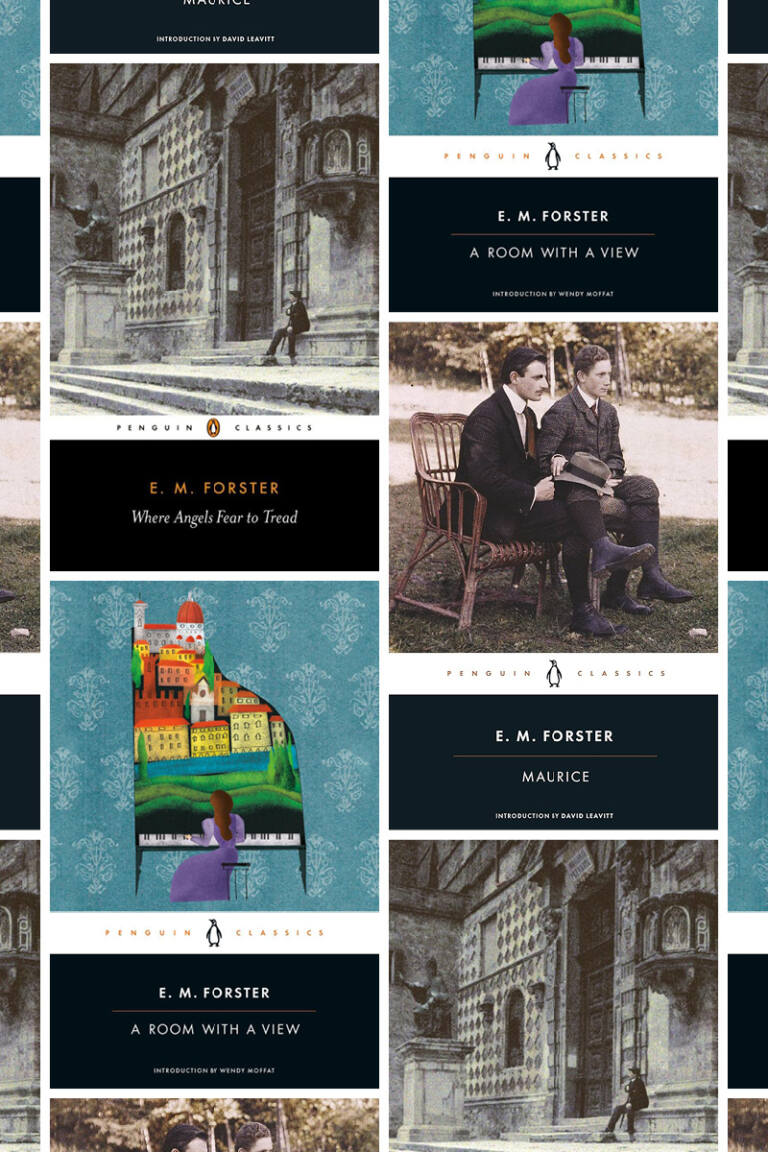
E. M. Forster’s Summer of Love with Pam Newton
3 Sessions Wednesdays, 6:30 pm EDT - 8:00 pm EDT July 8 to August 26, 2026
-
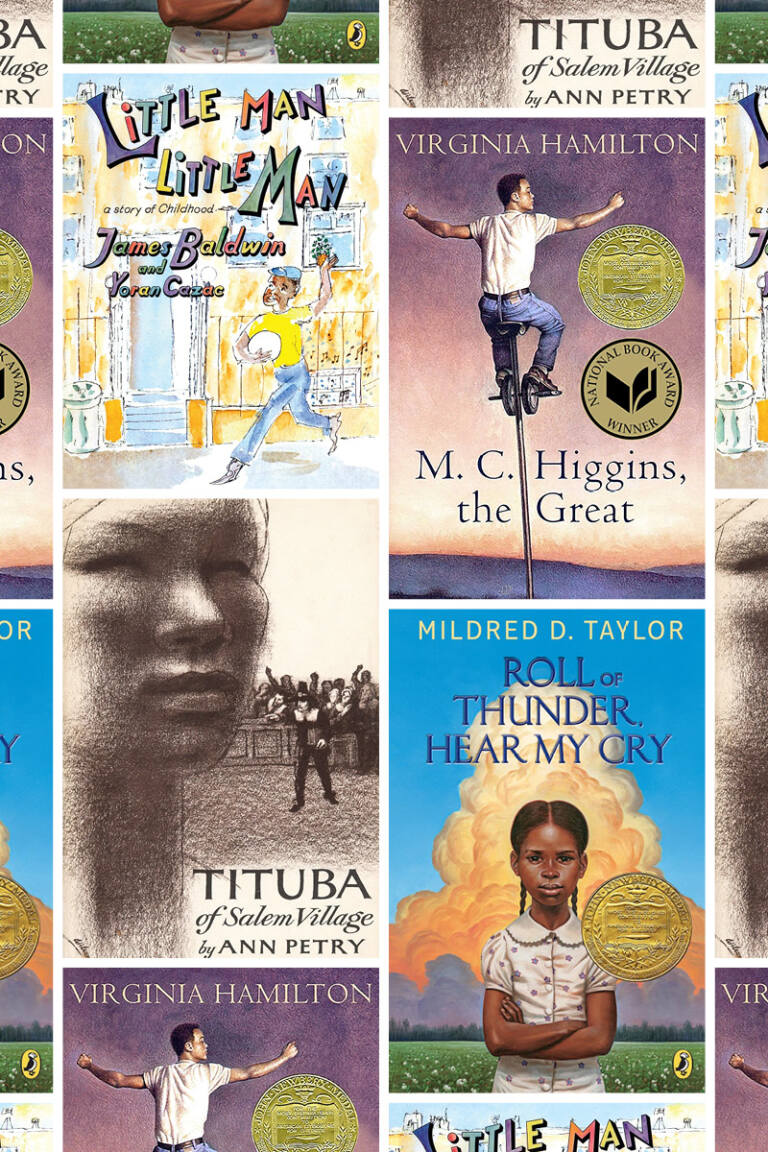
Reading Classic Black Children’s Novels with Gale Greenlee
4 Sessions Wednesdays, 6:00 pm EDT - 7:30 pm EDT July 8 to September 9, 2026
-
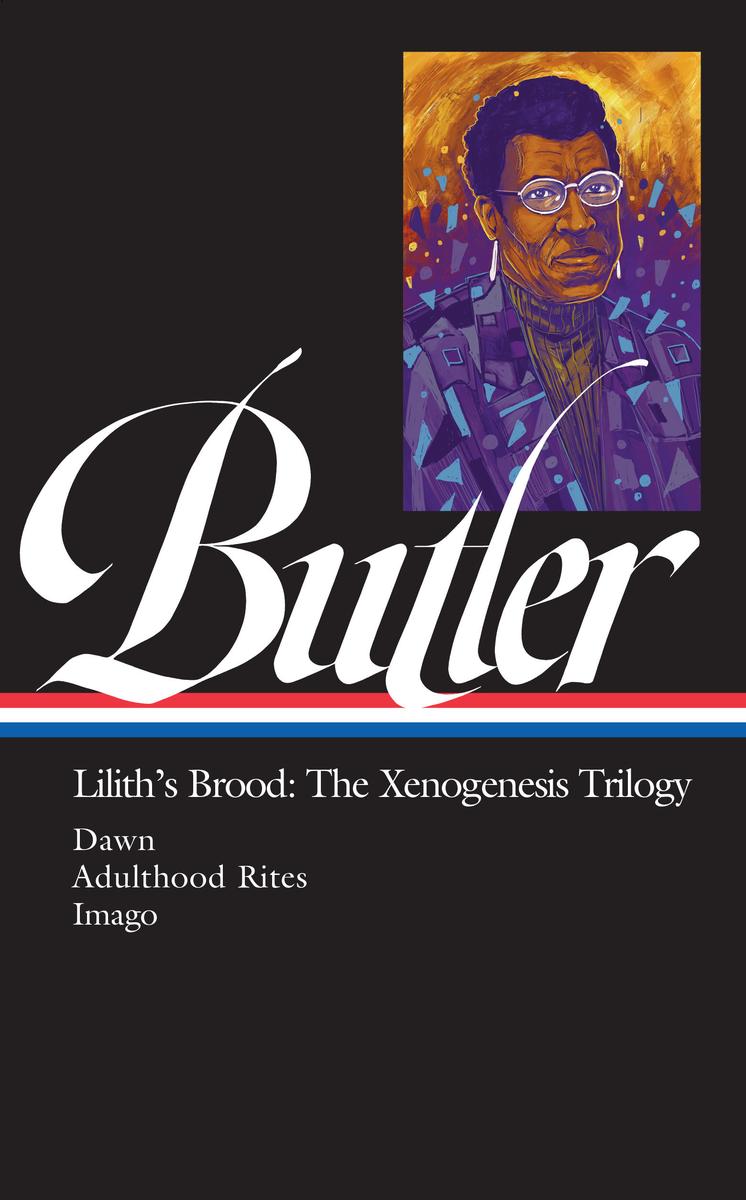
Octavia E. Butler's Xenogenesis Trilogy with Alaya Dawn Johnson
3 Sessions Saturdays, 1:00 pm EDT - 2:30 pm EDT July 11 to August 22, 2026
-
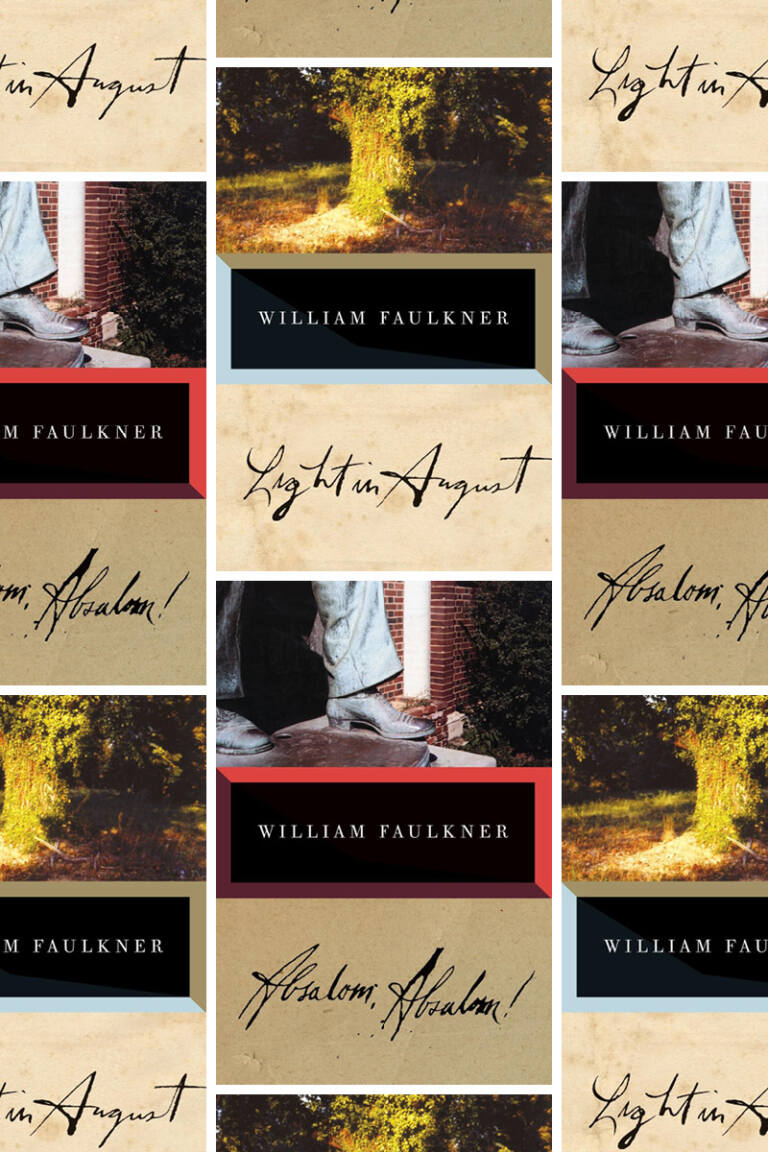
What the South Knew: Faulkner in the Trump Era with Linda Chavers
4 Sessions Saturdays, 11:00 am EDT - 12:30 pm EDT July 11 to August 22, 2026
-
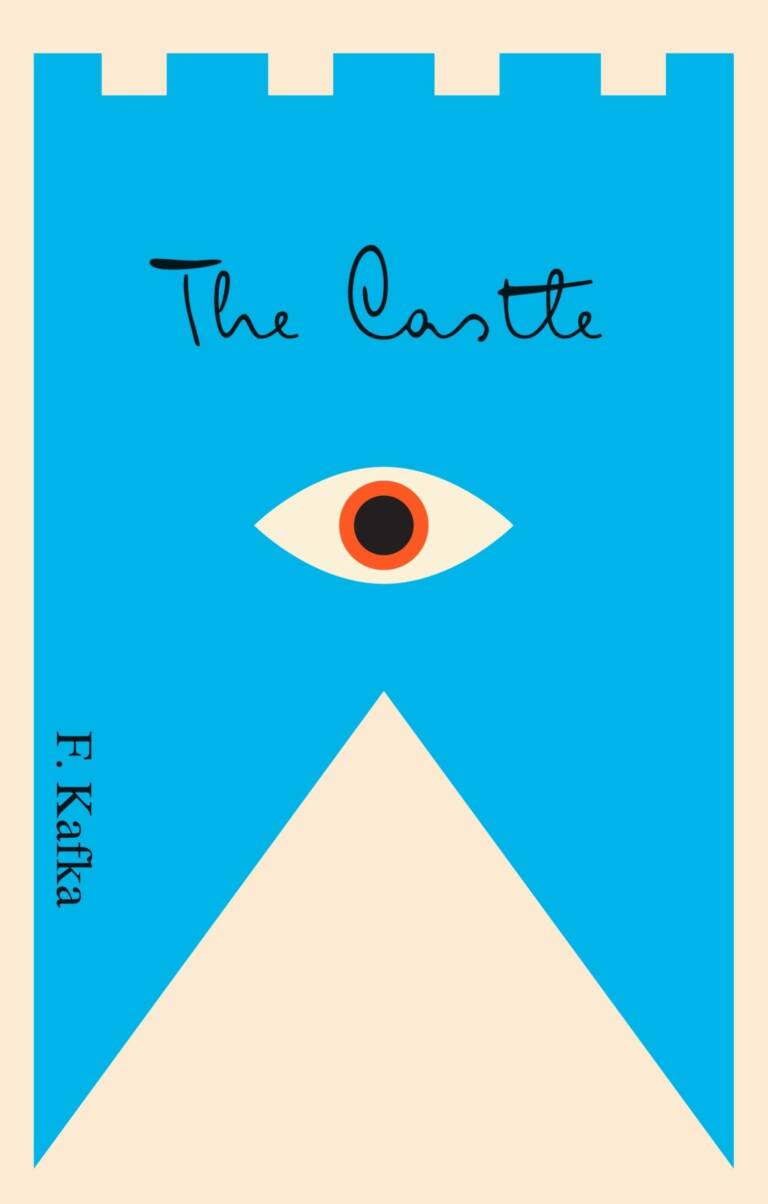
Franz Kafka’s The Castle with Martha Cooley
4 Sessions Sundays, 11:00 am EDT - 12:30 pm EDT July 12 to August 23, 2026
-
Crushes: The Art of the Swoon with Erica Peplin
Once a week Sundays, 6:00 pm EDT - 8:00 pm EDT July 12 to August 16, 2026
-
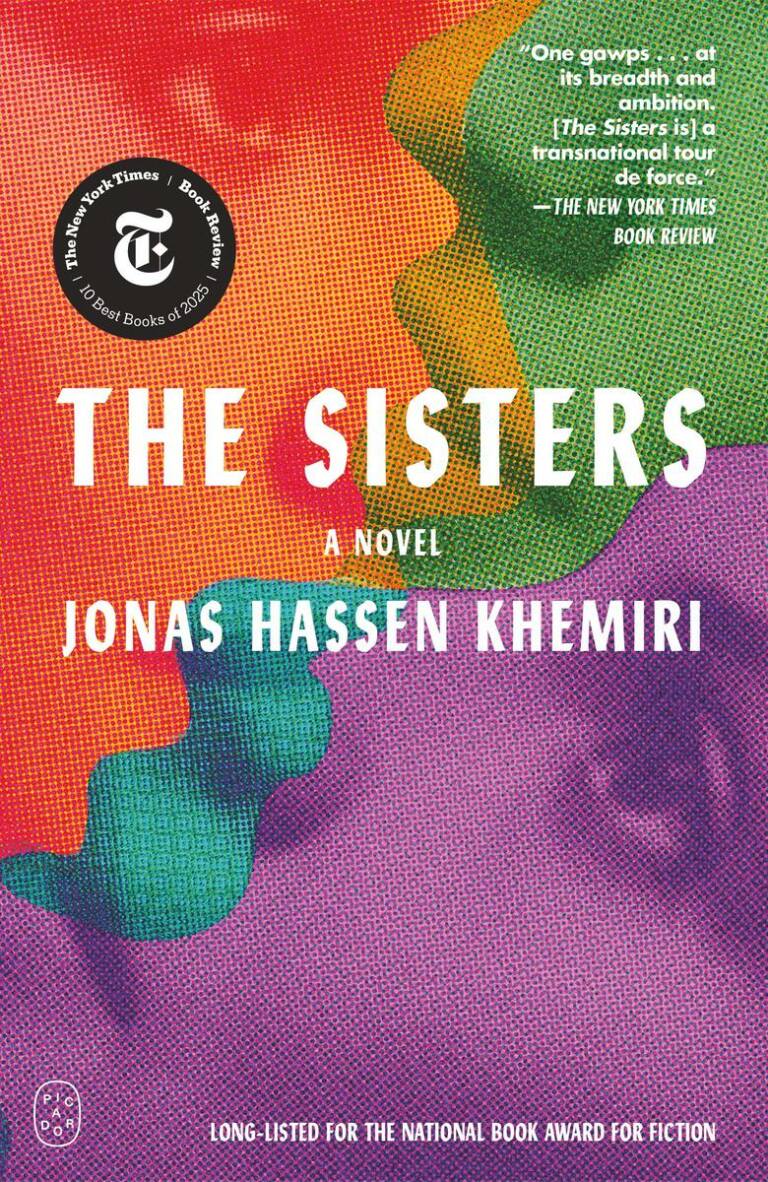
The Nightlighters
Monday, 6:00 pm EDT - 7:30 pm EDT July 13, 2026
-

Crafting Novels on Notecards: Techniques from Nabokov with Jeff Boyd
Once a week Mondays, 6:00 pm EDT - 8:00 pm EDT July 13 to August 17, 2026
-

Writing the Story Only You Can Tell with Vanessa Walters
Once a week Mondays, 7:00 pm EDT - 9:00 pm EDT July 13 to August 3, 2026
-
In Short: Shirley Jackson’s "The Summer People” with Lesley Finn
Tuesday, 6:30 pm EDT - 8:00 pm EDT July 14, 2026
-
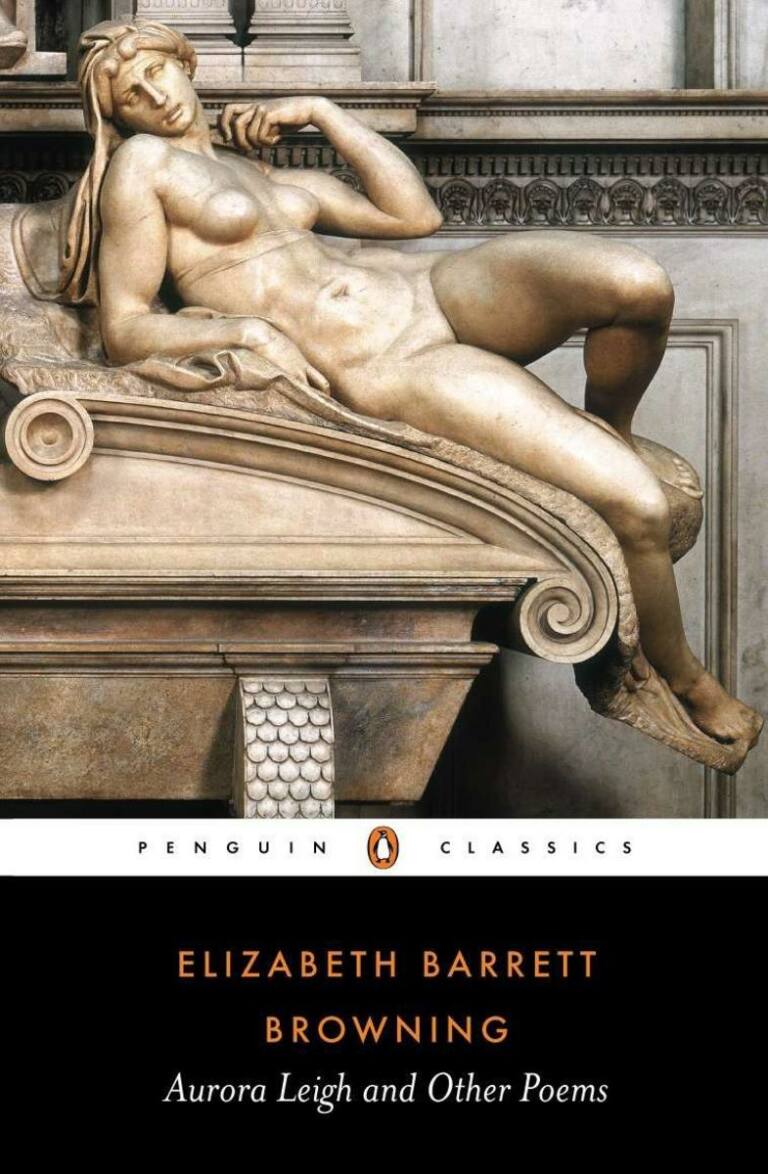
Elizabeth Barrett Browning's Aurora Leigh with Joanna Biggs
Once a week Thursdays, 6:30 pm EDT - 8:00 pm EDT July 16 to August 6, 2026
-
In Short: William Faulkner's "Mistral" with Carl Rollyson
Thursday, 7:00 pm EDT - 8:30 pm EDT July 16, 2026
-
The Art of Emotion in Fiction with Alec Niedenthal
Once a week Thursdays, 6:00 pm EDT - 8:00 pm EDT July 16 to August 13, 2026
-

The Art of the Verb: Transform Your Writing with Fire and Elegance with Sarah L. Kaufman
Saturday, 11:00 am EDT - 12:30 pm EDT July 18, 2026
-
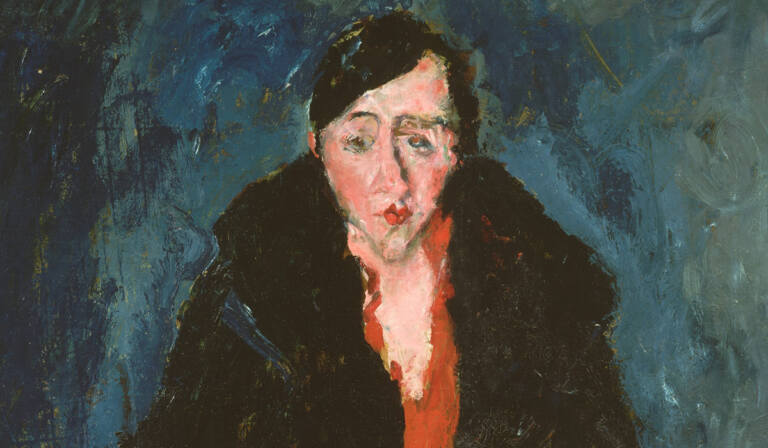
In Short: Isaac Bashevis Singer's "The Dead Fiddler" with Richard Klin
Monday, 7:00 pm EDT - 8:30 pm EDT July 20, 2026
-
How He Wrote: Generative Exercises Based on Ralph Ellison's Invisible Man with Sidik Fofana
Once a week Mondays, 7:00 pm EDT - 9:00 pm EDT July 20 to August 10, 2026
-
The Art of Writing About Community with Mai Sennaar
Once a week Wednesdays, 7:00 pm EDT - 9:00 pm EDT July 22 to September 23, 2026
-

You Do You: A Generative Fiction Workshop with Courtney Zoffness
Saturday & Sunday 12:00 pm EDT - 3:00 pm EDT July 25 to July 26, 2026