


Tuesday, 7:00 pm EDT March 17, 2026

The Center for Fiction
& Livestreamed
Join us for an evening with Hannah Lillith Assadi as she discusses her intimate, sweeping new novel Paradiso 17 with internationally bestselling author Colum McCann (Twist).
Already hailed as a major new work on the legacy of the 1948 Nakba, Paradiso 17 follows protagonist Sufien on a restless search for belonging that takes him from a blue-doored home in Palestine to Kuwait, Italy, New York, and the wide deserts of Arizona. Loosely inspired by Assadi’s father, the novel traces a life shaped by displacement, love, and loss, offering a lyrical and deeply personal portrait of war, migration, and the fragile resilience that carries us forward.
Assadi and McCann will discuss the book and the power of literature to illuminate, challenge, and connect us across borders and generations. A Q&A and signing will follow. Enjoy a drink from the Café & Bar before or after the event, with drink specials sponsored by Brooklyn Org.
We offer two in-person ticket options: the $10 Standard Ticket and the $40+ Supporter Ticket. Both provide the same access, but if you’re able, we kindly suggest registering for the Supporter Ticket to help sustain our programs.
This event is brought to you in part with generous support from Brooklyn Org.
Featuring
-

Hannah Lillith Assadi
Hannah Lillith Assadi
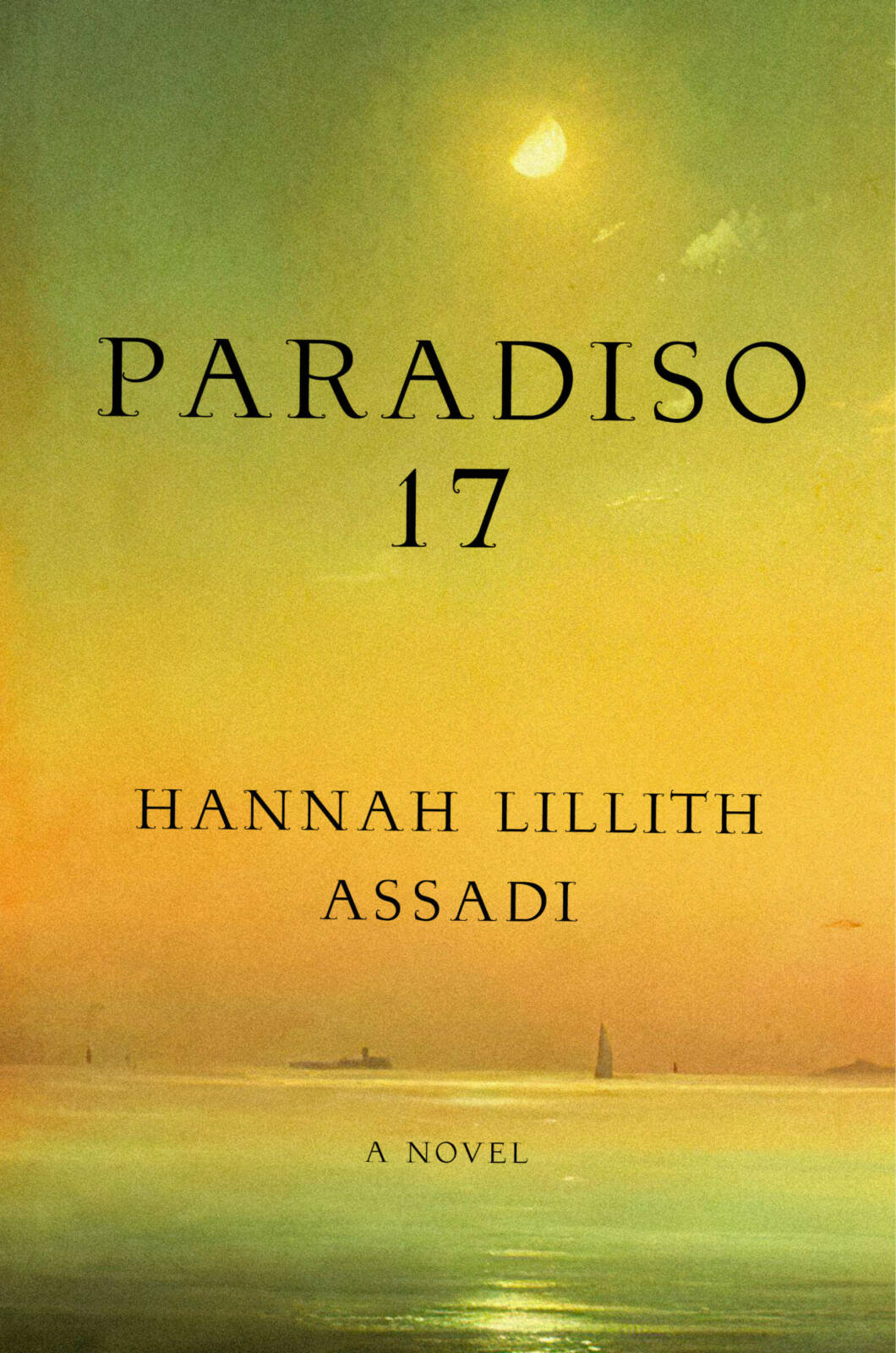
Hannah Lillith Assadi, a National Book Foundation 5 Under 35 honoree, teaches fiction at the Columbia University School of the Arts and the Pratt Institute. She is the author of Sonora, which received the Rosenthal Family Foundation Award from the American Academy of Arts and Letters and was a finalist for the PEN/Robert W. Bingham Prize for Debut Fiction. Her second novel, The Stars Are Not Yet Bells, was a New Yorker and NPR best book of 2022. Raised in Arizona, she lives in Brooklyn, New York.
Photo Credit: Jordan Ledy
-

Colum McCann
Colum McCann
Colum McCann is the internationally bestselling author of the novels Apeirogon, TransAtlantic, Let the Great World Spin, Zoli, Dancer, This Side of Brightness, and Songdogs, as well as three critically acclaimed story collections and the nonfiction books Letters to a Young Writer and American Mother. A regular contributor to the New York Times, he lives with his family in New York City. He is the co-founder of the global non-profit organization Narrative 4, which operates in forty-two countries and uses storytelling to propel community action and change.
Photo Credit: Bertrand Gaudillère

Featured Book
-
.

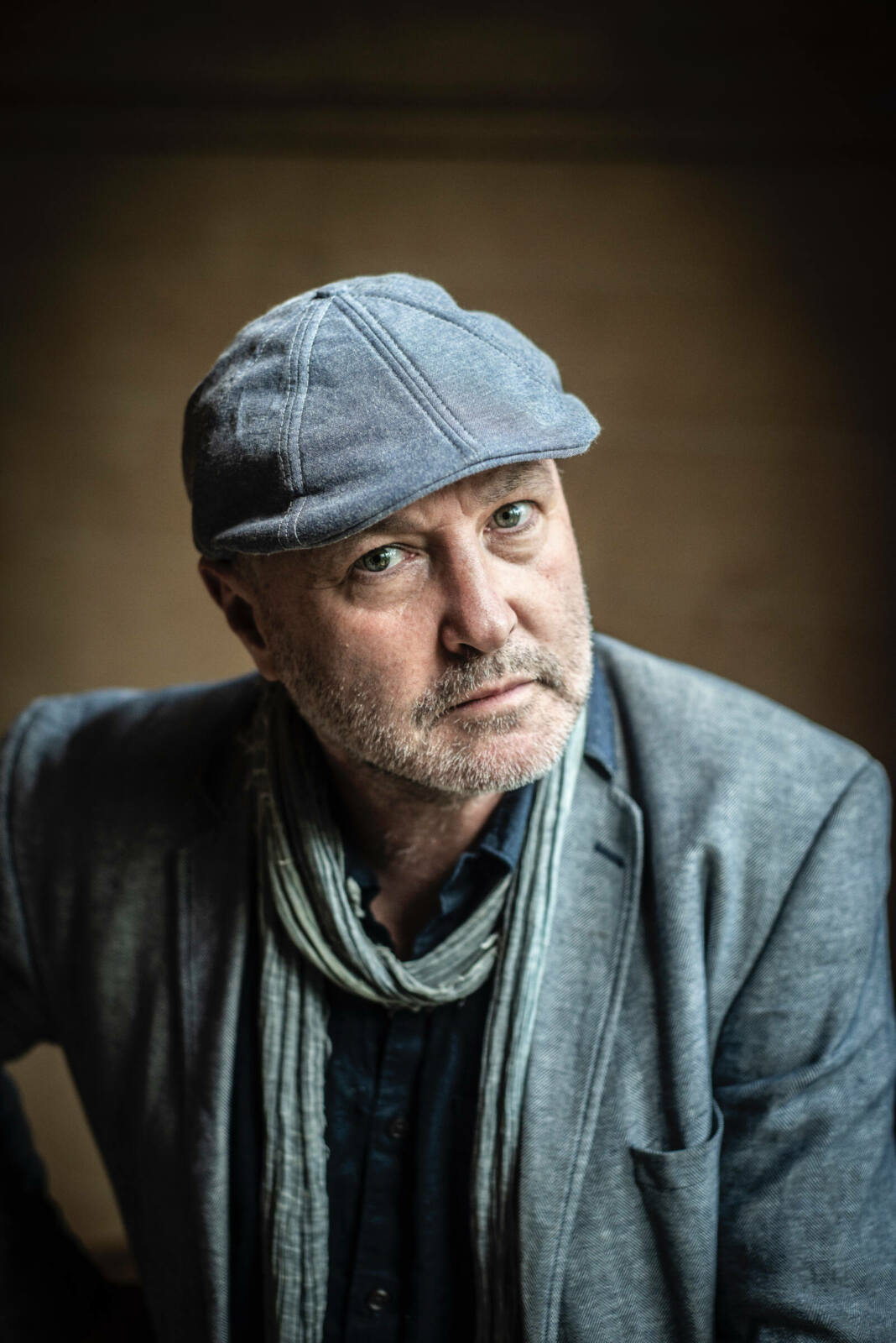
Paradiso 17
By Hannah Lillith Assadi
Published by Knopf Doubleday Publishing Group
All his life, exile has been the shadow stitched to the sole of Sufien’s shoe.
Born in Palestine on the precipice of 1948’s Nakba, Sufien is forced to leave the only home he’s ever known, the one on the hill with a beautiful blue door. This is the precise moment when time stops making sense. He spends the rest of his life propelled forward, always on the way—although in search of what, he is never quite sure. In the dusty, oil-rich desert of Kuwait, he meets his first love and decides he must leave his family. In a small Italian university town, he spends his youth wrapped up in the sweet promise of the West and the forgetful assurance of wine. When life takes him to a gritty New York, he discovers his true vocation and falls for a Jewish woman born into a wholly different world. Finally, he finds himself recalled to the wild, vast open skies of the desert, in Arizona.
Sufien’s life spans friendships lost and maintained, a stint selling leathers at a tanner’s stall, the ineffable company of cats, and the freedom of the open road, the glowing pride of fatherhood, Sufi myths, prophetic dreams, and visions of the afterlife—and always, always, no matter how far he chases joy, the sweet, treacherous song of a balcony urging him to fly, to fall, to fall. The lyrical pages of Paradiso 17 weave in and out of time and space, beginning at the end and ending at the beginning. They are haunting, haunted with grief, struck through, as Dante once wrote, with “the arrow that the bow of exile / shoots first,” and yet they throb with light—not just the light that Sufien sees as he approaches his own end, but the brilliant light of a life lived.
Like all of our dead, Sufien still speaks, the book begins. Listen, this is his story.

-
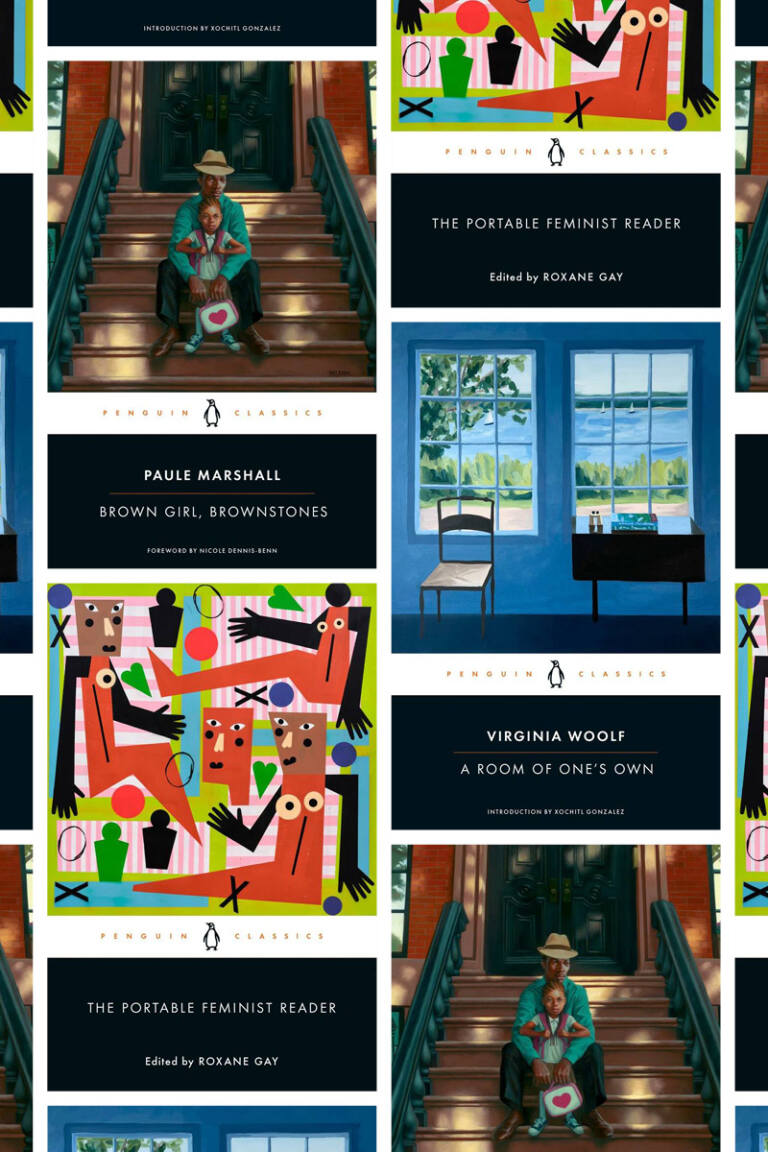
Celebrating 80 Years of Penguin Classics
Thursday, 7:00 pm EDT June 25, 2026
-
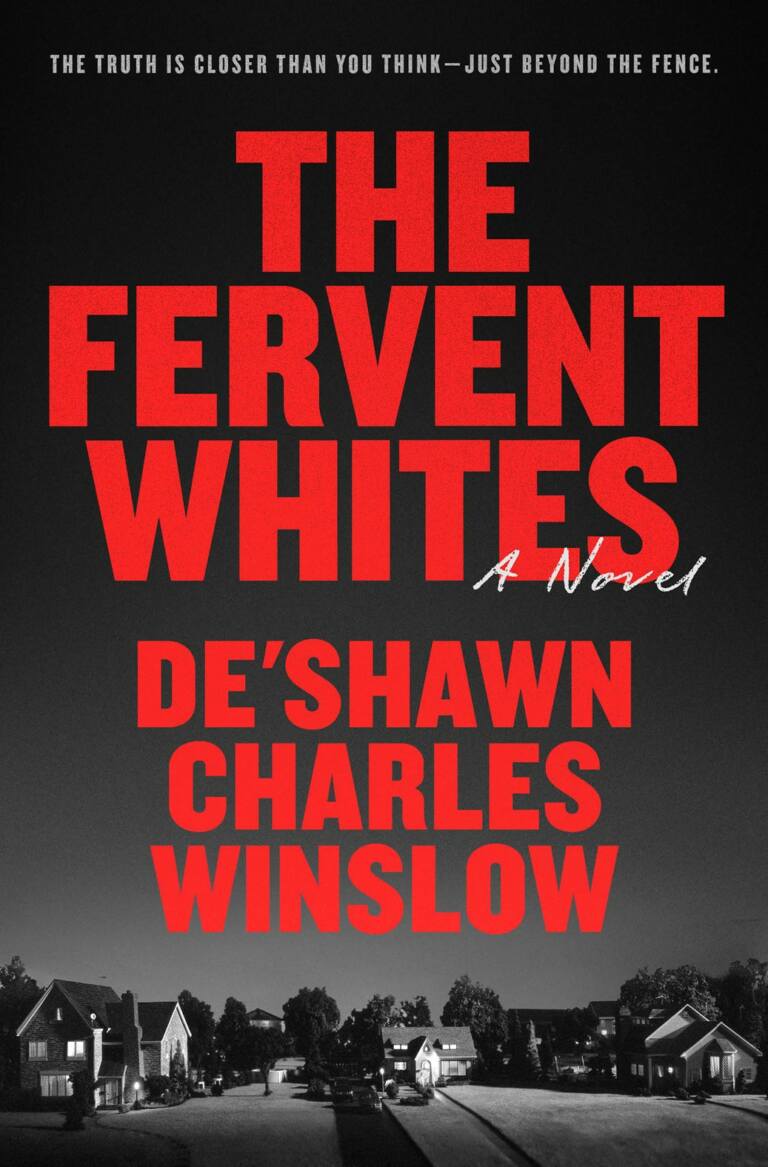
The Center for Fiction Presents De'Shawn Charles Winslow on The Fervent Whites with Samantha Hunt
Thursday, 7:00 pm EDT July 9, 2026
-
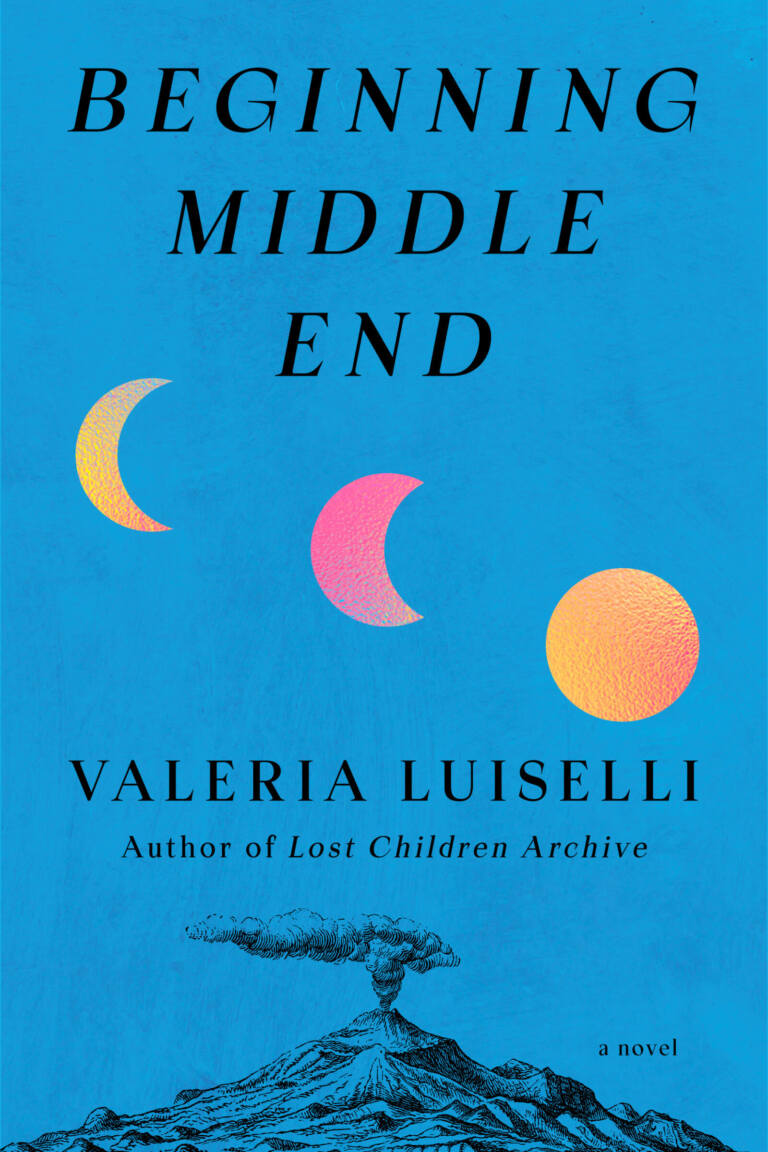
The Center for Fiction Presents Valeria Luiselli on Beginning Middle End
Tuesday, 7:00 pm EDT July 28, 2026