

Thursday, 7:00 pm EDT - 8:15 pm EDT June 26, 2025

The Center for Fiction
& Livestreamed
The Center for Fiction is thrilled to welcome acclaimed poet and novelist Honorée Fanonne Jeffers (The Love Songs of W.E.B. Du Bois) to celebrate the release of her new book, Misbehaving at the Crossroads. National Book Award-winning author and scholar Imani Perry will join her in conversation for this special event in our On America series.
The “crossroads” has traditionally symbolized a place of simultaneous difficulty and possibility in diasporic Black culture. Black women in America often find themselves at a third crossroads—navigating ideals of femininity and respectability primarily assigned to white women, while inventing improvisational strategies to resist oppression.
In her nonfiction debut, Jeffers explores the emotional and historical tensions within Black women’s public lives and her own private life. She traces the journey from Black girlhood to womanhood and the forces shaping it, including racially gendered oppression, the adultification of Black girls, the irony of Black female respectability politics, and resistance to white supremacy and patriarchy.
Don’t miss this critical conversation between two luminaries about the experiences of Black women from the past to the present. A book signing will follow the event.
This event is brought to you in part with generous support from Brooklyn Org.
Featuring
-

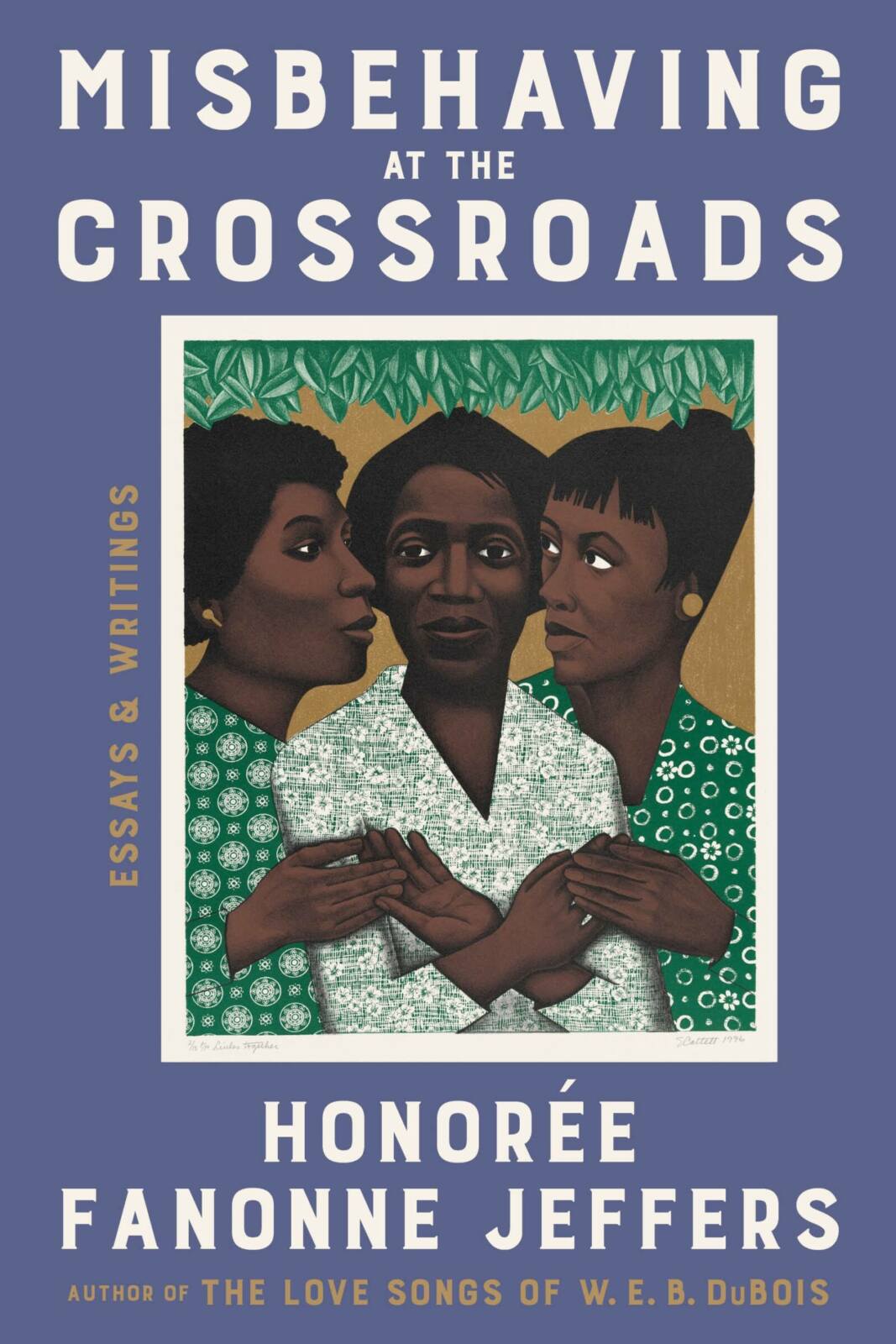
Honorée Fanonne Jeffers
Honorée Fanonne Jeffers
Honorée Fanonne Jeffers is a fiction writer, poet, and essayist. She is the author of the acclaimed New York Times bestseller and Oprah’s Book Club Pick, The Love Songs of W.E.B. Du Bois, which won the National Book Critics Circle Award in Fiction and the Dayton Literary Peace Prize and was nominated for the National Book Award, and five poetry collections, including the NAACP Image Award-winning The Age of Phillis, also nominated for the National Book Award.
Photo Credit: Sydney A. Foster
-

Imani Perry
Imani Perry
Imani Perry is the National Book Award-winning author of South to America, as well as eight other books of nonfiction. She is the Henry A. Morss Jr. and Elisabeth W. Morss Professor of Studies of Women, Gender, and Sexuality and of African and African American Studies at Harvard University, and is a 2023 MacArthur Fellow. Perry lives between Philadelphia and Cambridge with her two sons.
Photo Credit: Kevin Peragine

Featured Book
-
.

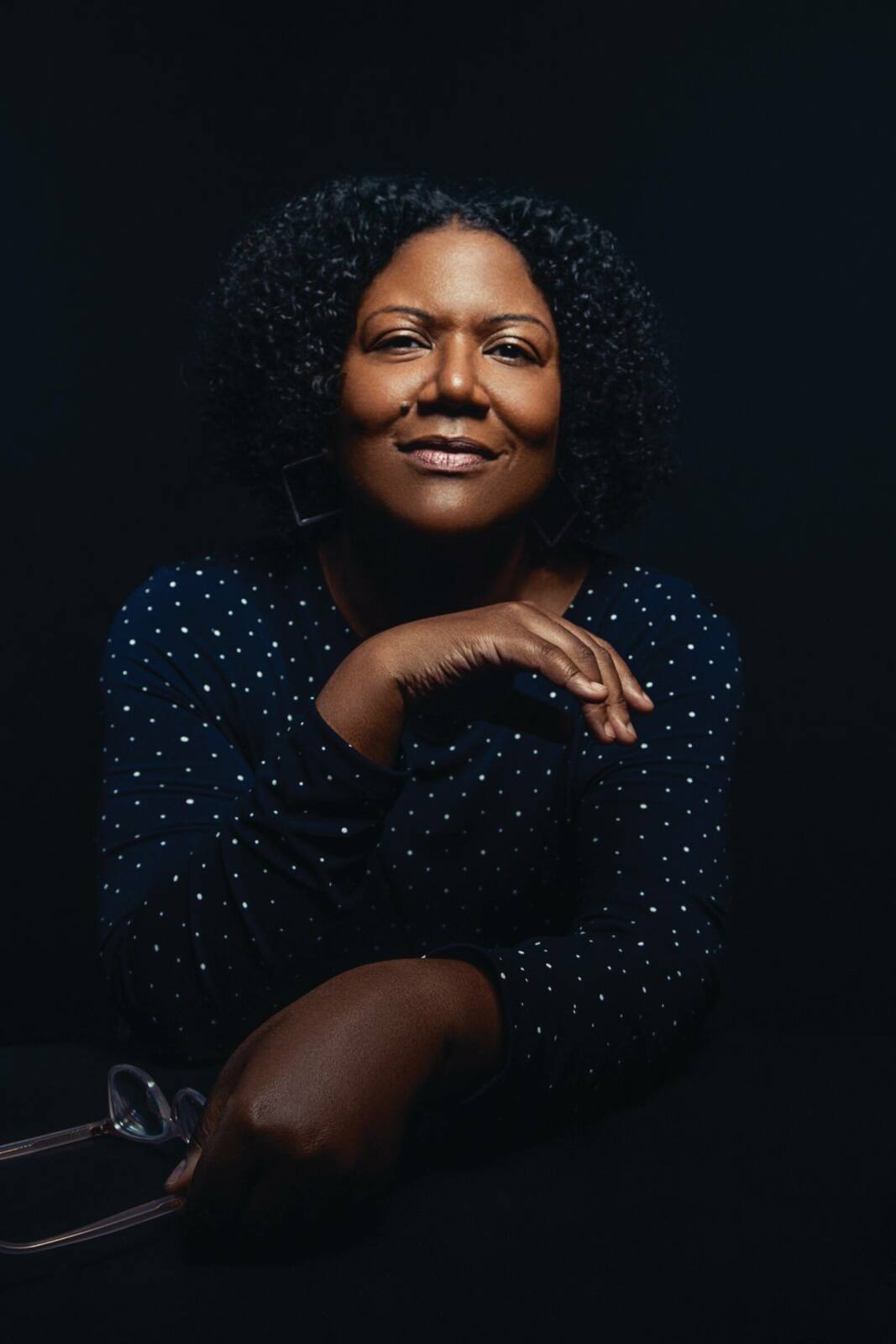
Misbehaving at the Crossroads
By Honorée Fanonne Jeffers
Published by HarperCollins
Honorée Fanonne Jeffers is at a crossroads.
Traditional African/Black American cultures present the crossroads as a place of simultaneous difficulty and possibility. In contemporary times, Kimberlé Crenshaw coined the phrase “intersectionality” to explain the unique position of Black women in America. In many ways, they are at a third crossroads: attempting to fit into notions of femininity and respectability primarily assigned to White women, while inventing improvisational strategies to combat oppression.
In Misbehaving at the Crossroads, Jeffers explores the emotional and historical tensions in Black women’s public lives and her own private life. She charts voyages of Black girlhood to womanhood and the currents buffeting these journeys, including the difficulties of racially gendered oppression, the challenges of documenting Black women’s ancestry; the adultification of Black girls; the irony of Black female respectability politics; the origins of Womanism/Black feminism; and resistance to White supremacy and patriarchy. As Jeffers shows with empathy and wisdom, naming difficult historical truths represents both Blues and transcendence, a crossroads that speaks.
Necessary and sharply observed, provocative and humane, and full of the insight and brilliance that has characterized her poetry and fiction, Misbehaving at the Crossroads illustrates the life of one extraordinary Black woman—and her extraordinary foremothers.


About this series
On America
Our On America series brings writers, journalists, activists, and change-makers together to reflect on the critical issues of our times. Who are we and who are we becoming? How do the stories we tell shape who we are as a nation? Will we rise to the challenges we face?