

Thursday, 12:00 pm EDT - 6:30 pm EDT September 26, 2024

The Center for Fiction
& Livestreamed
On Thursday, September 26th, the Center for the Art of Translation will present its annual Day of Translation. Co-hosted this year at The Center for Fiction in Brooklyn, New York, this afternoon symposium of provocative panels on language and literature will conclude with a keynote address delivered by poet and translator Don Mee Choi.
Event admission is free, but registration is recommended. Please note that space is limited and guests will be admitted on a first-come, first-seated basis.
Panels
This year’s panels include: “Fiction and Translation,” an investigation of the connections and boundaries between writing and translating; “Desert Poetics and Translation” an examination of what is illuminated when translated literature is approached from the common ground of environment rather than language or nation; and “Typography and Translation” an exploration of the intersections between the arts of typography and translation.
Participants
This year’s participants include 2023 National Book Award winner Bruna Dantas Lobato; winner of the 2018 Man Booker International Prize Jennifer Croft; novelist, poet, and translator Idra Novey; translator, critic, and author Lily Meyer; writer and bookseller Fernando A. Flores; writer, historian, educator, and curator Samia Henni; designer, writer, translator, and editor at Tilted Axis Press Mayada Ibrahim; translator and executive director of Words Without Borders Elisabeth Jaquette; poet and Kundiman fellow Heather Nagami; author, scholar, and translator Arielle Burgdorf; researcher, and critic Bo-Won Keum; designer, artist, and programmer Omar Mohammad; and members of the Bye Bye Binary collective.
Poet and translator Don Mee Choi will deliver this year’s keynote. Don Mee Choi is the author of the KOR-US trilogy: Mirror Nation (Wave Books, 2024), the National-Book-Award winning collection DMZ Colony (Wave Books, 2020), and Hardly War (Wave Books, 2016). She is a recipient of fellowships from the MacArthur, Guggenheim, Lannan, and Whiting Foundations, as well as the DAAD Artists-in-Berlin Program. Her translation of Kim Hyesoon’s poetry collection, Autobiography of Death (New Directions, 2018), received the 2019 International Griffin Poetry Prize. And most recently, her translation of Phantom Pain Wings (New Directions, 2023) won the 2023 National Book Critics Circle Award for Poetry.
See the schedule below for the full list of participants and panel descriptions. For more information about the Day of Translation, including participant bios, visit catranslation.org/events.
Panel Schedule
12pm: Welcome & Opening Remarks
Michael Holtmann, director of the Center for the Art of Translation
12:15–1:15pm: Fiction and Translation
What is the relationship between translation and creating writing? Is all writing, in fact, a translation of sorts? This panel investigates the connections and boundaries between writing and translating, how one informs the other, and what happens when you do both. Outside of the US, it’s not unlikely for fictions writers to also translate, but until recently this was a rare phenomenon here in the states. This panel brings together acclaimed literary translators who have recently published their own works of fiction to investigate how their backgrounds as translators impact their work as fiction writers.
Panelists: Jennifer Croft, Bruna Dantas Lobato, Lily Meyer, and Idra Novey.
1:45–2:45pm: Desert Poetics and Translation
What’s illuminated when translated literature is approached from the common ground of environment, rather than language or nation? In this panel, we focus on one particular environment, the desert, and how it connects translated literary works across borders. Together we challenge literary tropes about the desert as an empty or barren space, or the site of Orientalist fantasies, exile for societal outcasts, road trips, and climate change allegories. Excavating desert histories of colonialism, war, environmental destruction, and language loss, we find beauty in the aesthetics of the desert and come to understand why many writers see it as a rich and fertile space for transformation.
Panelists: Fernando A. Flores, Samia Henni, Mayada Ibrahim, Elisabeth Jaquette, and Heather Nagami.
3:15–4:15pm: Typography and Translation
Graphic designer and curator Ellen Lupton once said: “Typography is what language looks like.” This panel explores intersections between the arts of typography and translation. Typography combines form and function, semantic and visual. Thus, it is important for translators to consider the political implications of their chosen aesthetics. Bringing together typographers, educators, artists, and translators working with different scripts, we will discuss how interventions in typography can be used to address issues in translation such as accessibility, gendered binaries, language preservation and revival, and colonial histories. We look at examples of typographers who are expanding the definition of typography outside of traditional forms and examine how design can help literary translators in their craft.
Panelists: Axxenne, Arielle Burgdorf, Bo-Won Keum, Omar Mohammad, Marouchk Payen, and Léna Salabert-Triby.
4:30–5:30pm: Happy Hour
Hosted by Center for the Art of Translation
5:30pm: Keynote
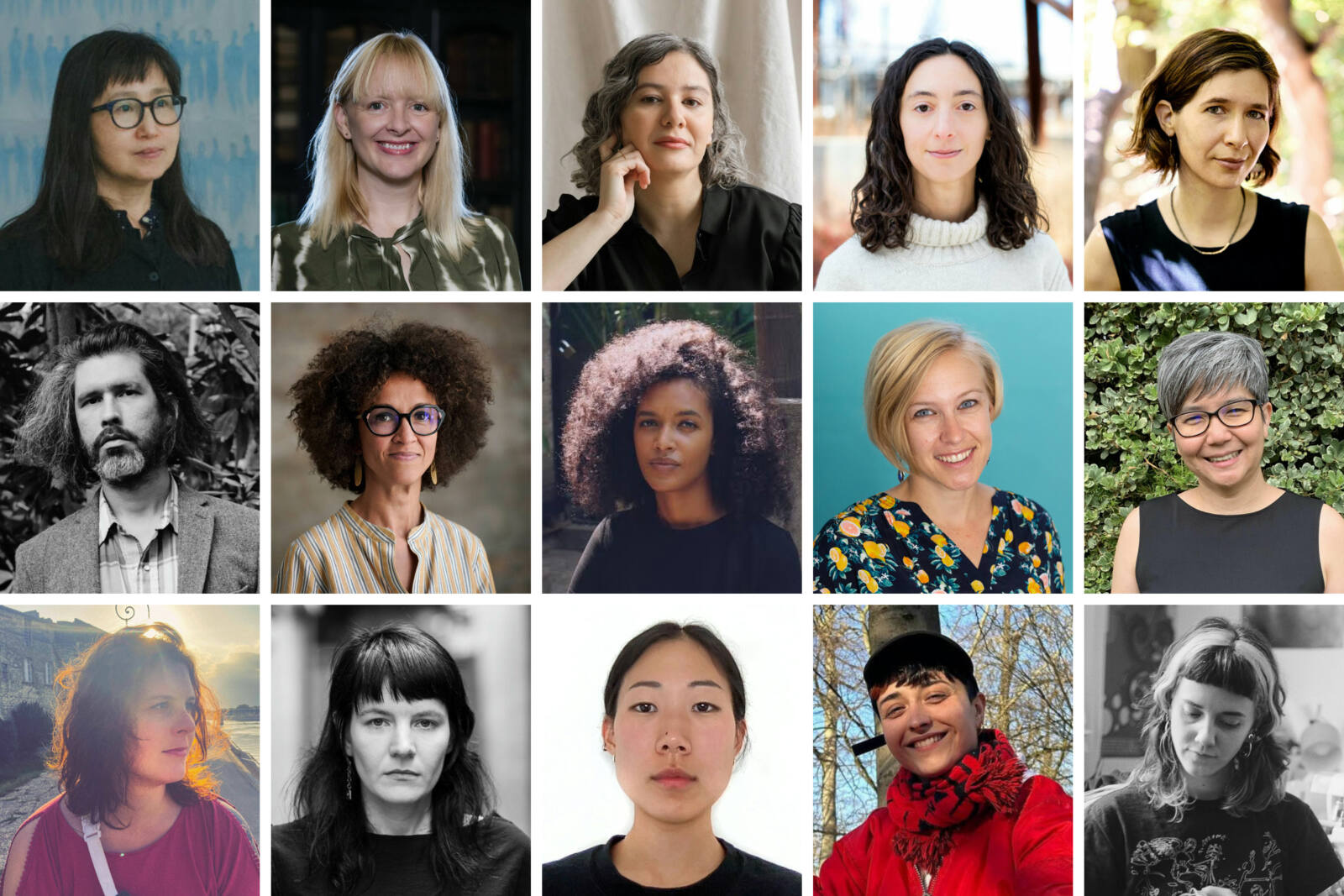
Don Mee Choi
In Conversation
-

Don Mee Choi
Don Mee Choi
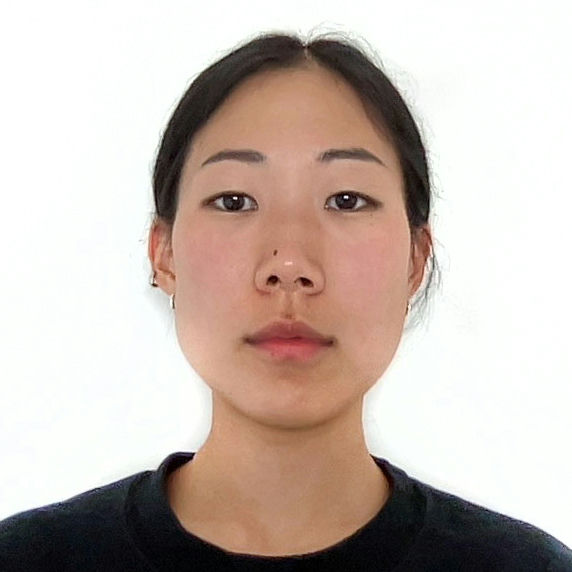
Born in Seoul, South Korea, Don Mee Choi is the author of the KOR-US trilogy: Mirror Nation (Wave Books, 2024), the National Book Award winning collection DMZ Colony (Wave Books, 2020), and Hardly War (Wave Books, 2016). She is a recipient of fellowships from the MacArthur, Guggenheim, Lannan, and Whiting Foundations, as well as the DAAD Artists-in-Berlin Program. Her translation of Kim Hyesoon’s poetry won the 2019 International Griffin Poetry Prize and the 2024 National Book Critics Circle Award for Poetry.
Photo Credit: SONG Got
-

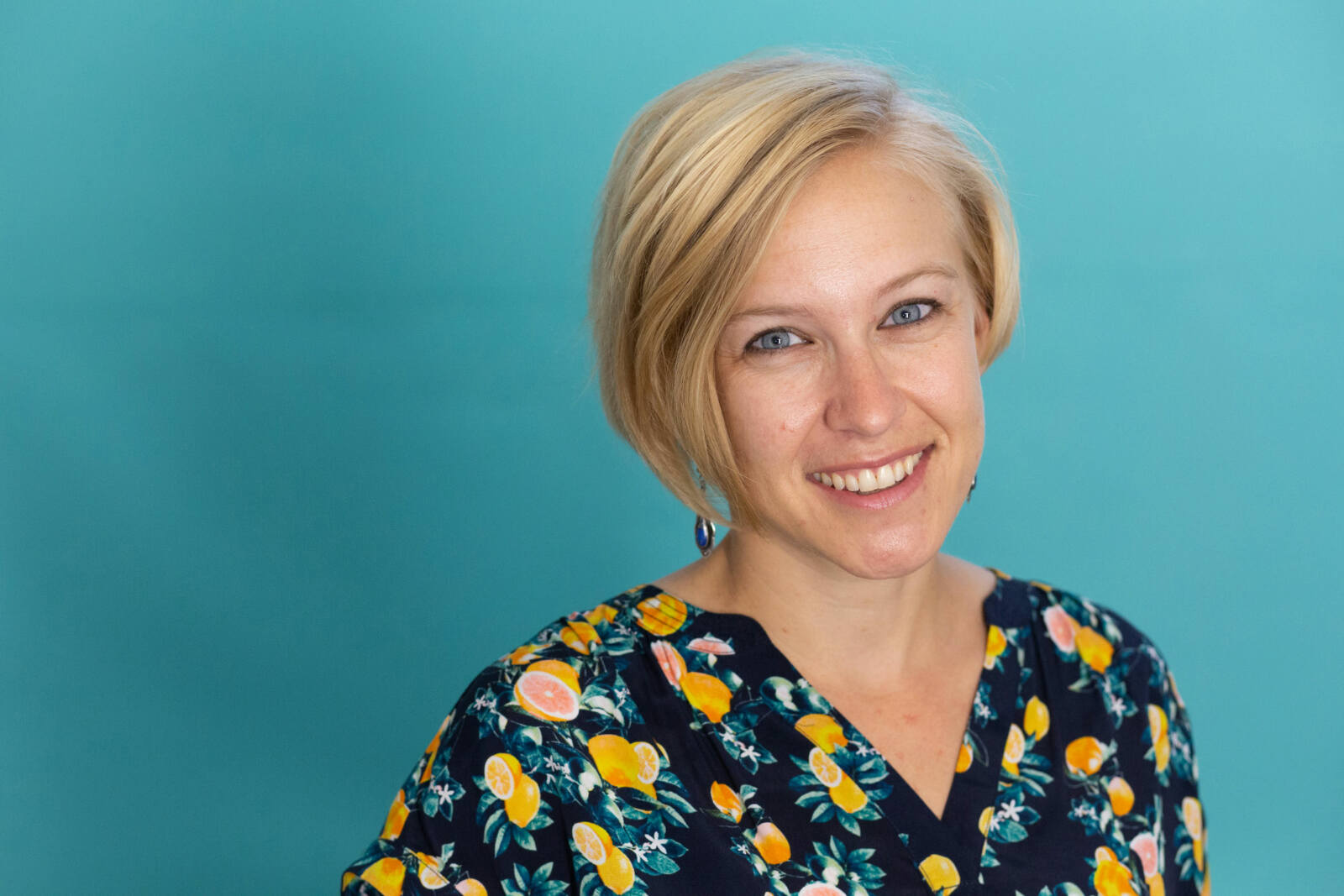
Jennifer Croft
Jennifer Croft
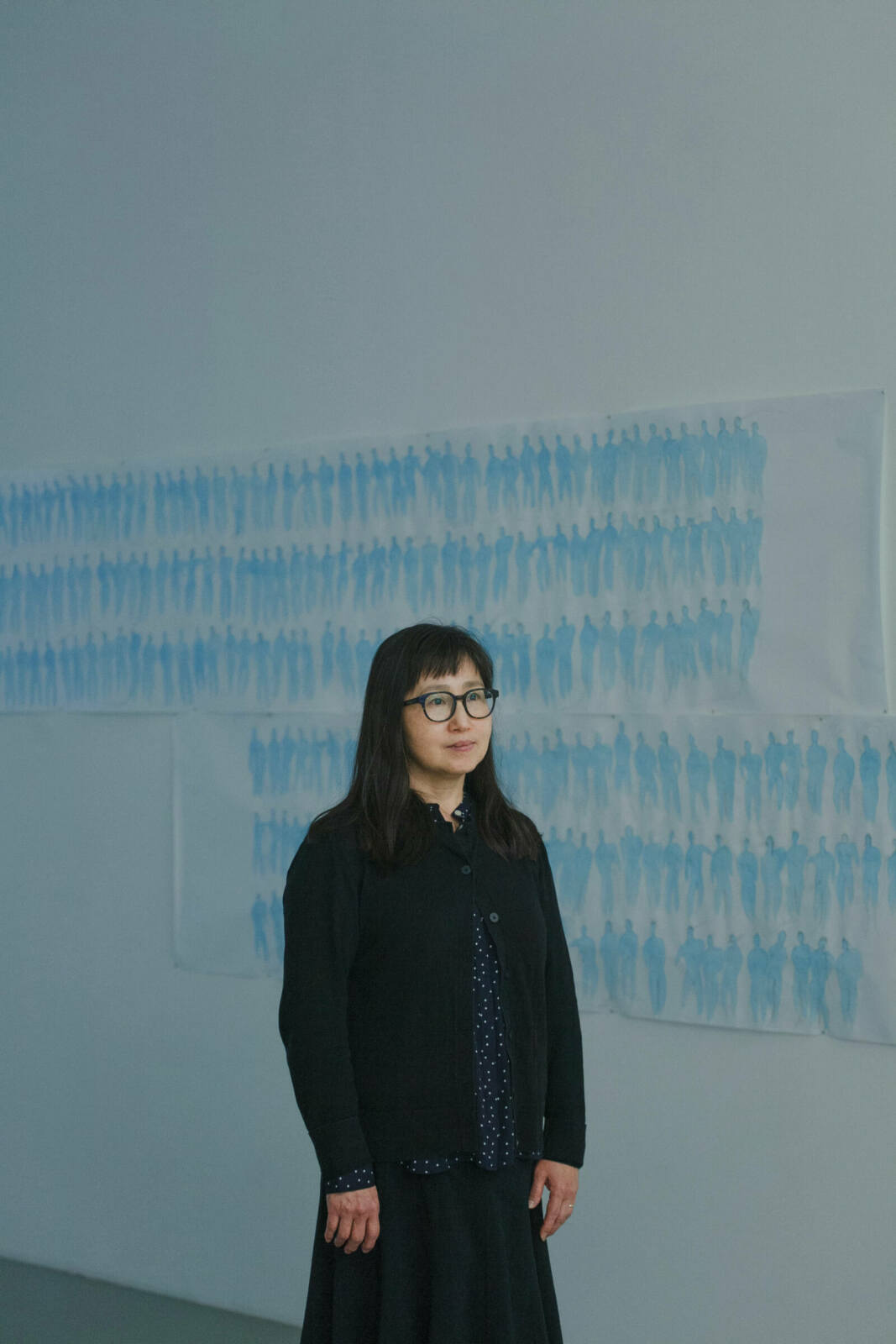
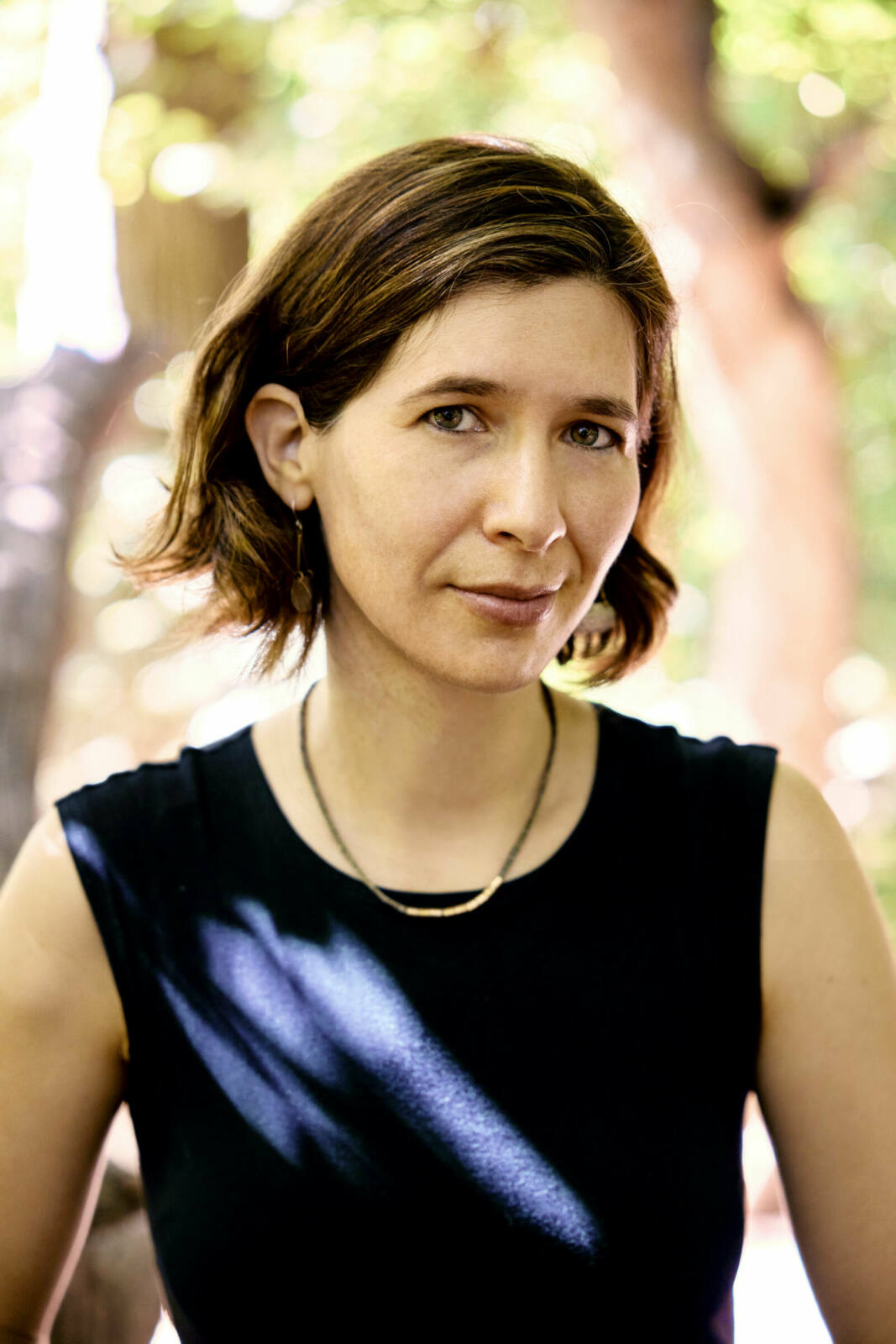
Jennifer Croft won a 2022 Guggenheim Fellowship for her novel The Extinction of Irena Rey, the 2020 William Saroyan International Prize for Writing for her illustrated memoir Homesick and the 2018 International Booker Prize for her translation from Polish of Nobel laureate Olga Tokarczuk’s Flights. She is also the translator of Federico Falco’s A Perfect Cemetery, Romina Paula’s August, Pedro Mairal’s The Woman from Uruguay, and Olga Tokarczuk’s The Books of Jacob (a finalist for the Kirkus Prize). In 2023, she received an American Academy of Arts and Letters Award in Literature. She lives in Tulsa, Oklahoma with her husband and twins
Photo Credit: Kelly Kurt Brown
-

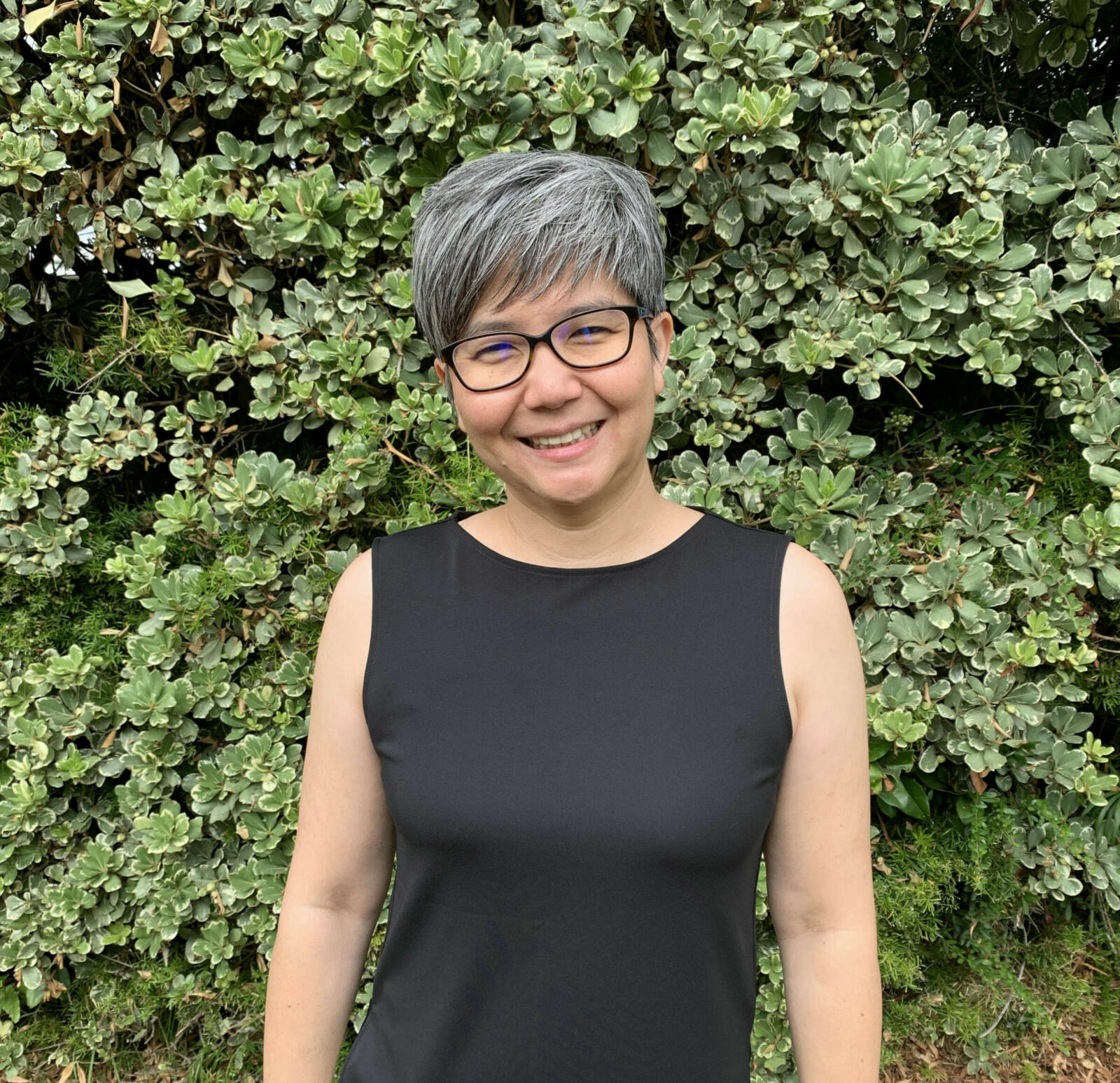
Bruna Dantas Lobato
Bruna Dantas Lobato
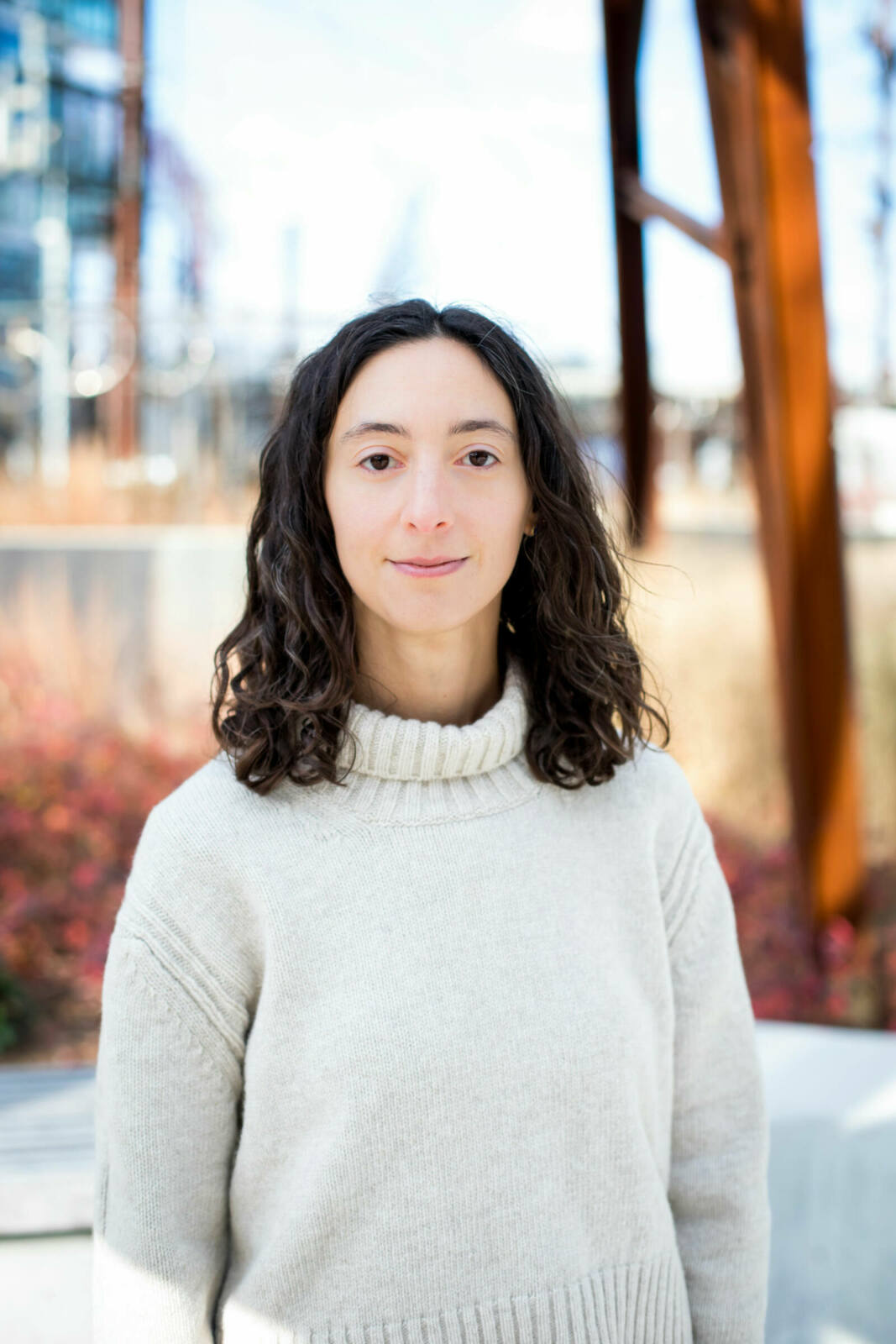
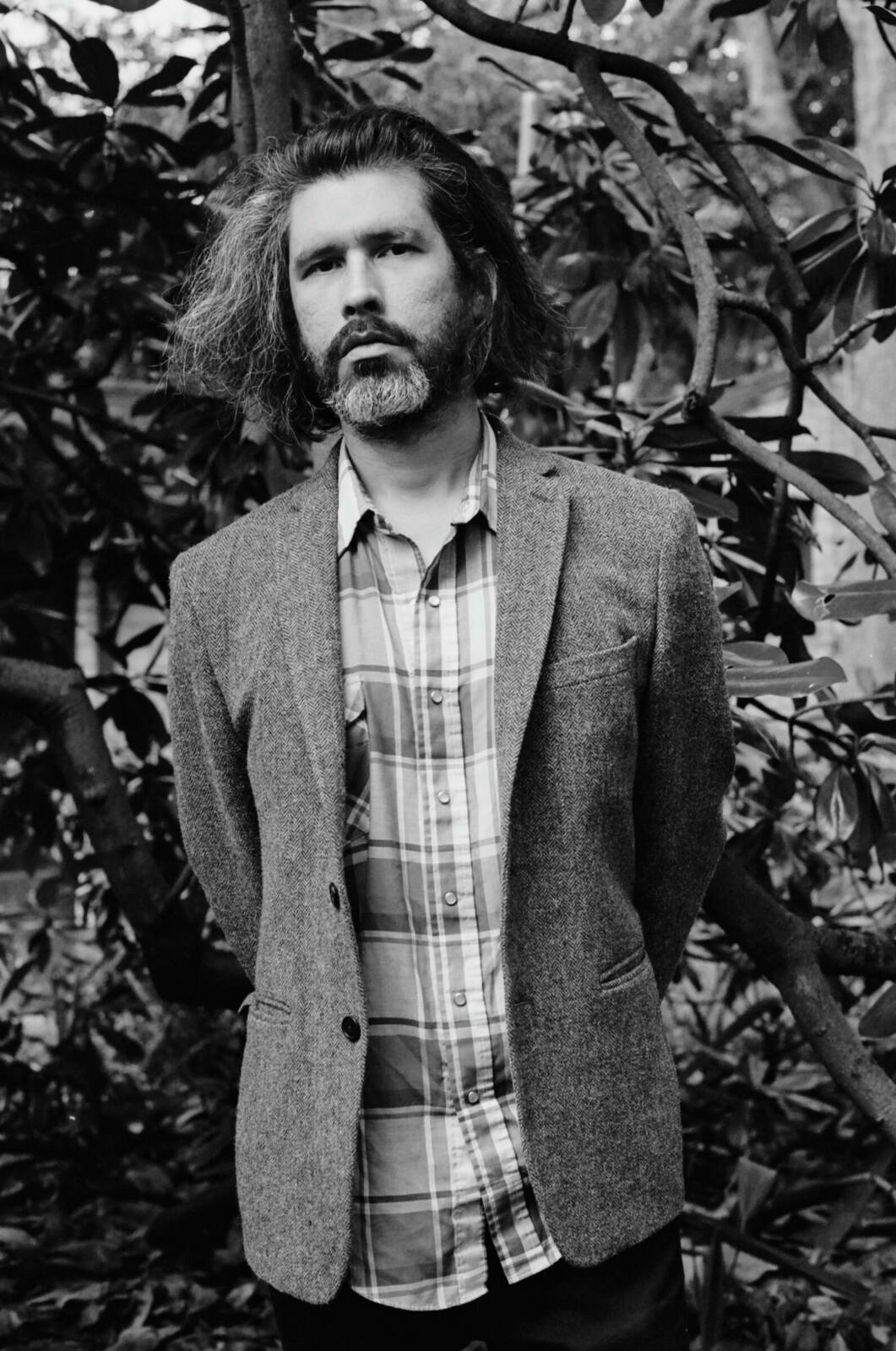
Bruna Dantas Lobato is a fiction writer and translator. Her fiction has appeared in the New Yorker, Guernica, A Public Space, and the Common. She was awarded the 2023 National Book Award in Translated Literature for The Words that Remain by Stênio Gardel. Originally from Natal, Brazil, she lives in Iowa and teaches at Grinnell College. Her debut novel, Blue Light Hours, is forthcoming in October 2024 from Grove Atlantic.
Photo Credit: Ashley Pieper
-
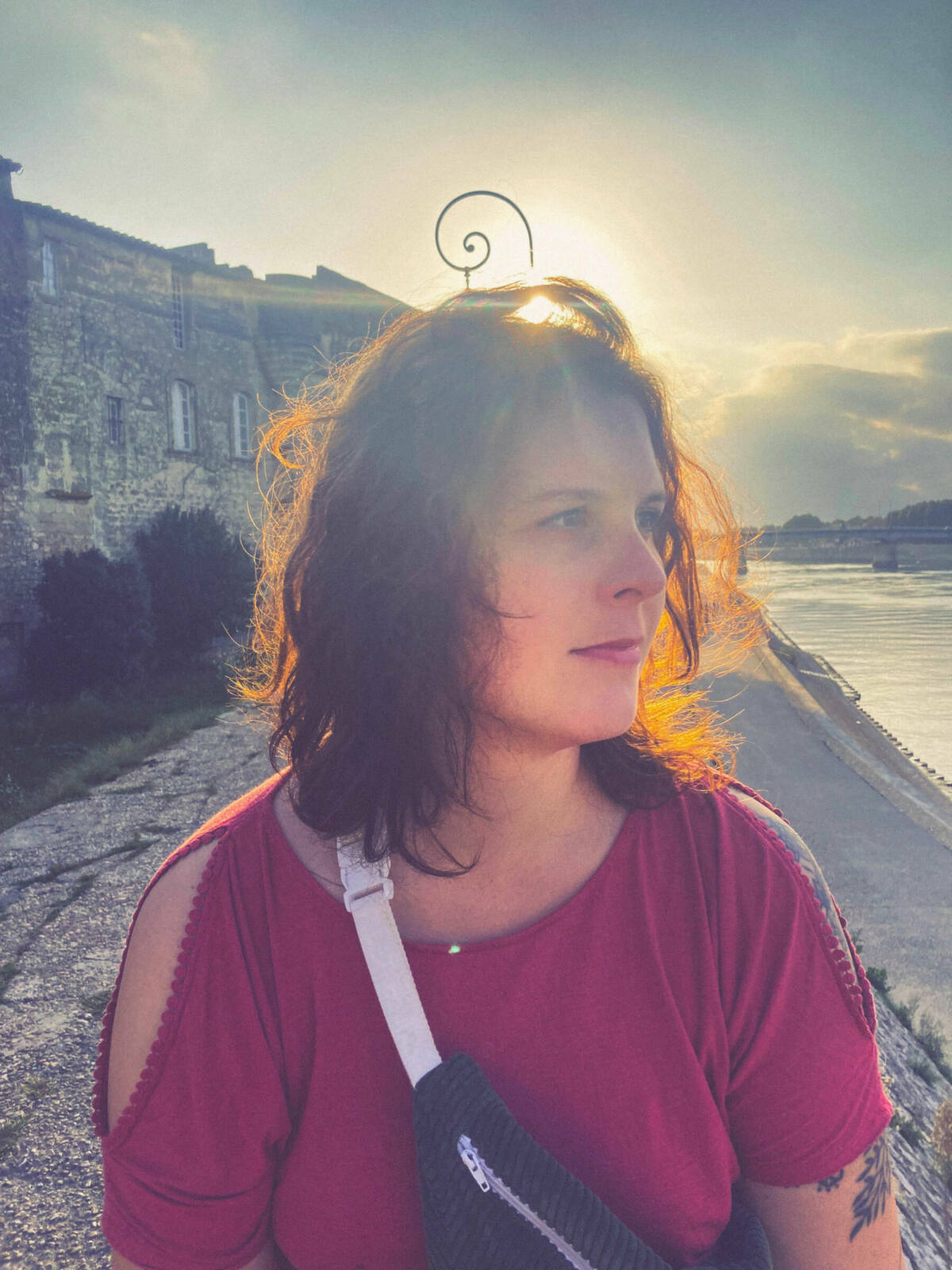
Lily Meyer
Lily Meyer
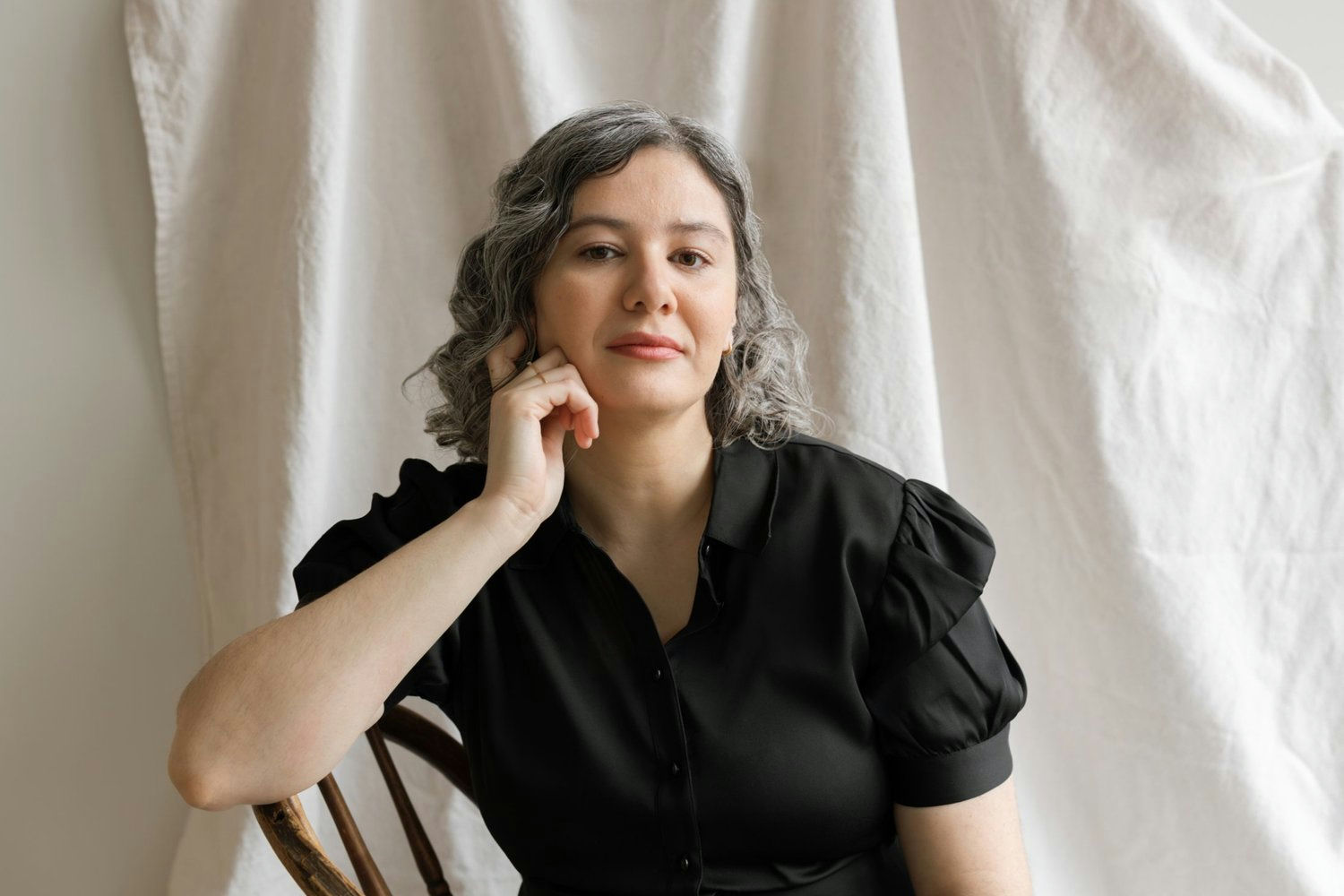
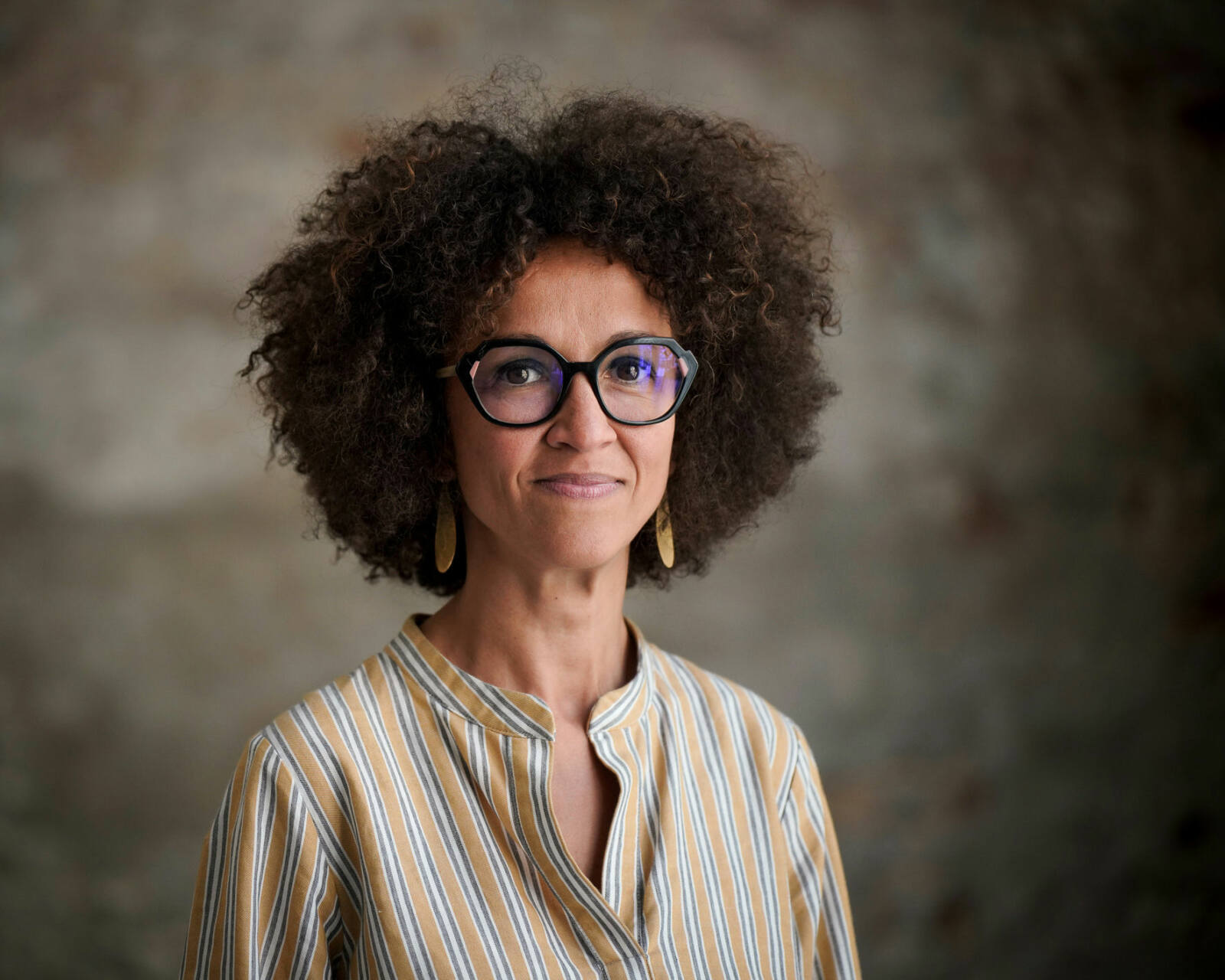
Lily Meyer is a translator, critic, and author of the novel Short War. A contributing writer at the Atlantic, her translations include Claudia Ulloa Donoso’s story collections Little Bird and Ice for Martians. Her novel The End of Romance is forthcoming from Viking.
Photo Credit: Les Talusan
-
Idra Novey
Idra Novey
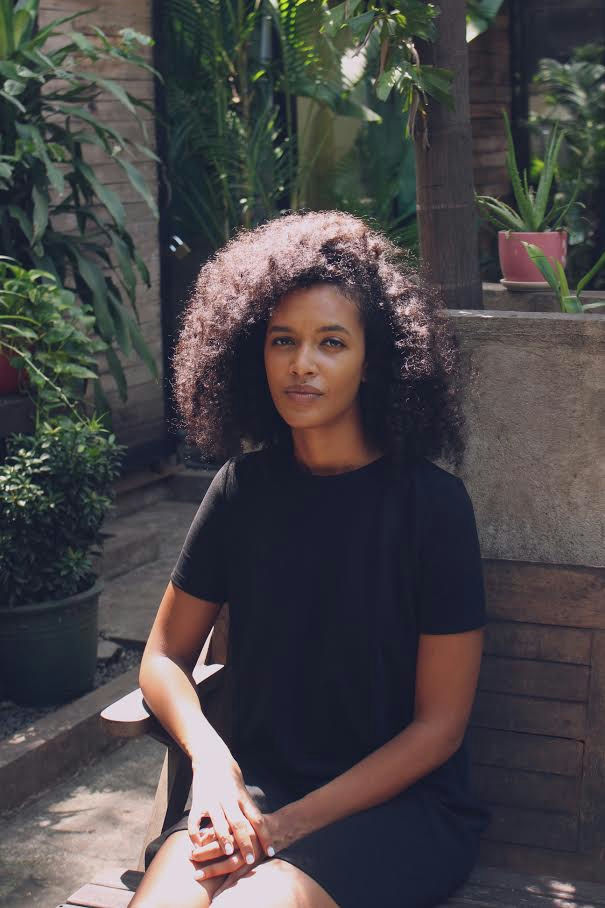
Idra Novey is a novelist, poet, and translator. Her new book of poems Soon & Wholly is out this September. Her most recent novel Take What You Need was a New York Times Notable Book of 2023, a finalist for the Joyce Carol Oates Prize, and longlisted for the Dublin Literary Prize. She has translated various Brazilian and Chilean authors and is the co-translator with Ahmad Nadalizadeh of Iranian poet Garous Abdolmalekian, Lean Against This Late Hour, a finalist for the PEN America Poetry in Translation Prize in 2021. Her fiction and poetry have been translated into a dozen languages and she’s written for the New York Times, the Atlantic, the Washington Post, and the Guardian. She teaches creative writing at Princeton University.
Photo Credit: Jesse Ditmar
-

Fernando A. Flores
Fernando A. Flores
Fernando A. Flores was born in Reynosa, Tamaulipas, Mexico, and raised in South Texas. He is the author of Tears of the Trufflepig, Valleyesque, and the forthcoming novel Brother Brontë. He lives in Austin, Texas.
Photo Credit: Steven Ray Martinez
-

Samia Henni
Samia Henni
Samia Henni is a historian and an exhibition maker of the built, destroyed and imagined environments. She is the author of Architecture of Counterrevolution: The French Army in Northern Algeria (2017, 2022, EN; 2019, FR) and Colonial Toxicity: Rehearsing French Radioactive Architecture and Landscape in the Sahara (2024). She is the editor of Deserts Are Not Empty (2022) and War Zones (2018). She is also the maker of exhibitions, such as Performing Colonial Toxicity (Framer Framed, If I Can’t Dance, Amsterdam; gta Exhibitions, Zurich; The Mosaic Rooms, London, 2023–04), Discreet Violence: Architecture and the French War in Algeria (Zurich, Rotterdam, Berlin, Johannesburg, Paris, Prague, Ithaca, Philadelphia, Charlottesville, 2017–22), Archives: Secret-Défense? (ifa Gallery, SAVVY Contemporary, Berlin, 2021), and Housing Pharmacology (Manifesta 13, Marseille, 2020). Currently, she teaches at McGill University’s Peter Guo-hua Fu School of Architecture in Montreal and co-chairs Columbia University Seminar’s Beyond France.
Photo Credit: Andrea Avezzù
-

Mayada Ibrahim
Mayada Ibrahim
Mayada Ibrahim is a literary translator and editor based in Queens, New York, with roots in Khartoum and London. She works between Arabic and English. Her translations have been nominated for the Pushcart Prize and published by Willows House in South Sudan, Archipelago Books, Dolce Stil Criollo, and 128 Lit. She is the managing editor at Tilted Axis Press, an independent publisher of contemporary literature by the Global Majority.
-

Elisabeth Jaquette
Elisabeth Jaquette
Elisabeth Jaquette is a translator from Arabic and Executive Director of Words Without Borders. Her translation of Minor Detail by Palestinian author Adania Shibli was shortlisted for the National Book Awards and longlisted for the International Booker Prize. Other translations include Thirteen Months of Sunrise by Sudanese author Rania Mamoun, The Queue by Egyptian author Basma Abdel Aziz, and The Frightened Ones by Syrian author Dima Wannous. Elisabeth’s work has appeared or is forthcoming in the New York Times, McSweeney’s, Words Without Borders, the Common, and World Literature Today, as well as a dozen anthologies. Formerly, she was Executive Director of the American Literary Translators Association.
Photo Credit: Kate Raynes
-

Heather Nagami
Heather Nagami
A fourth-generation Japanese American poet and Kundiman fellow, Heather Nagami is the author of Hostile (Chax Press, 2005). Heather was born and raised in Southern California. She earned her BA from University of California, Santa Cruz, and her MFA from University of Arizona. Her poems have been anthologized in Poetry and Prose for the Phoenix Art Museum (Four Chambers Press, 2014), The Sonoran Desert: A Literary Field Guide (The University of Arizona Press, 2016), and Poetry at the End of the World (Moria Books, 2019). Heather’s recent work can be found in Poetry, jubilat, Sporklet, Dream Pop, and Lantern Review.
Photo Credit: Kimberly Tan
-

Axxenne
Axxenne
Axxenne, is a graphic designer, writer and performer based in Saint-Étienne, France. She mainly works with non-profit organizations, striving to bring queer experiences to life through her work.
Photo Credit: Pauline Barry-Venture
-
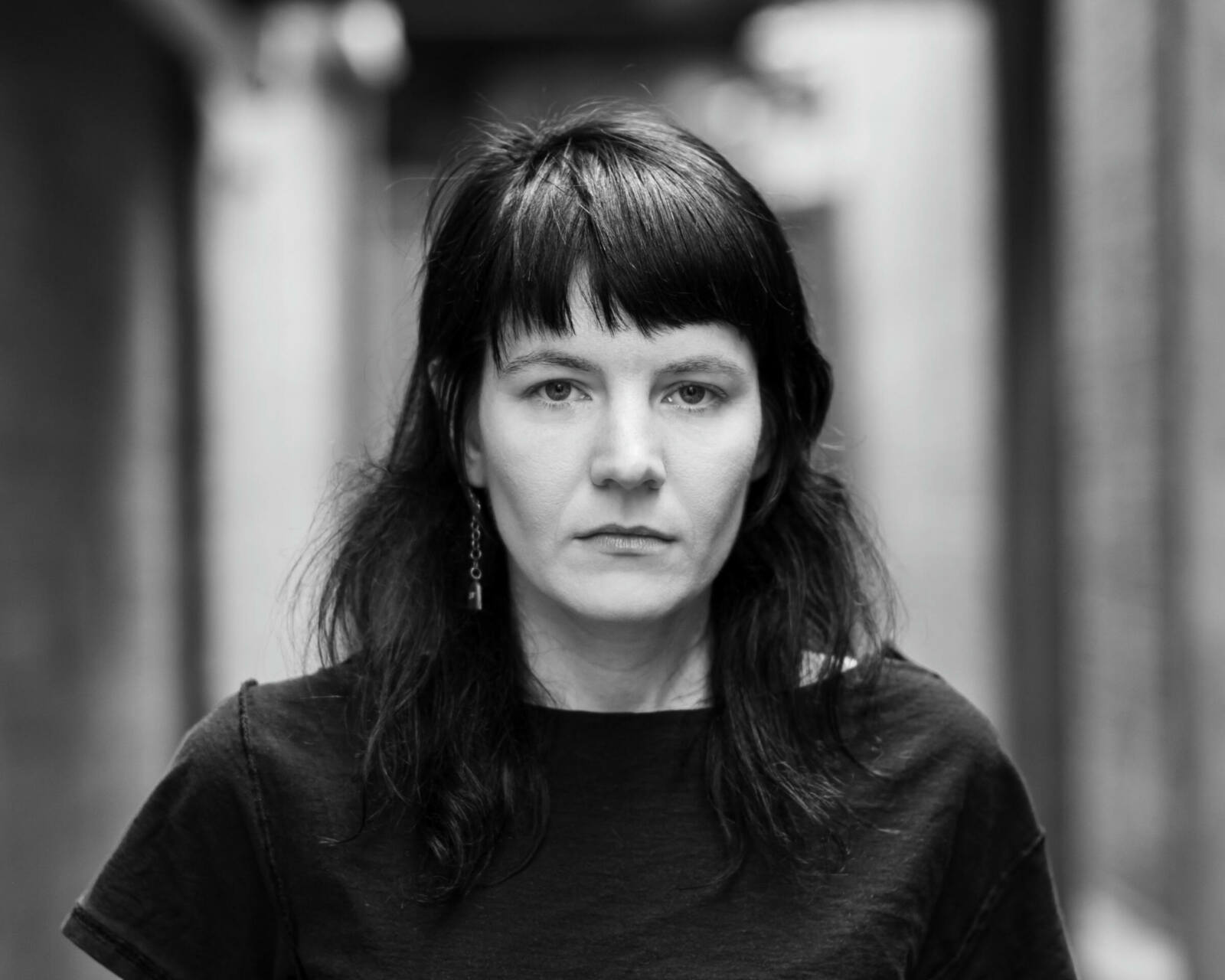
Arielle Burgdorf
Arielle Burgdorf
Arielle Burgdorf is a writer, scholar, and literary translator from the French. Their writing and translations have appeared in Lambda Literary, Broken Pencil Magazine, Amsterdam Review, Maximum Rocknroll, and elsewhere. They are the author of the novel Prétend, published by End of the Line Press and a forthcoming UK edition from Cool Moist Books. They were a THI Summer Fellow with The Center for the Art of Translation and are currently pursuing a PhD in Literature at UC Santa Cruz focused on queer and feminist experimental writers from Québec.
Photo Credit: Farrah Skeiky
-

Bo-Won Keum
Bo-Won Keum
Bo-Won Keum is a multidisciplinary designer, researcher, and educator living and working between New York City and Boston. Her design writing has appeared in Slanted and Triple Canopy, and she holds fellowships and residencies from Maharam STEAM and the US National Parks Service. She holds a BA in Comparative Literature from Princeton University and an MFA in Graphic Design from RISD, and currently teaches visual communication at the MIT School of Architecture.
-

Omar Mohammad
Omar Mohammad
Omar Mohammad is a first generation Afghan-American Muslim. He designs physical and digital artifacts that relate to Afghan culture, Islam, and the natural environment.
-

Marouchka Payen
Marouchka Payen
Marouchka is a Belgian graphic designer, member of Bye Bye Binary collective, and DJ. She focuses her practice on open source type design, and research into queer/feminist circles, in the graphic and musical fields.
Photo Credit: Kiosk Radio
-

Léna Salabert-Triby
Léna Salabert-Triby
Léna Salabert-Triby is a graphic designer, typographic and tattoo artist. Her work revolves around feminist, non-binary non-binary and queer issues, blending digital, 3D and typographic forms. She questions tattooing, mixing fluid blobs with and inclusive typographic forms, to diffuse non-binary typography non-binary. Sewing and painting are practices practices she’s particularly fond of to create militant typographic banners and flags/typographic banners.
Photo Credit: Valentin Izzo


Featured Books
-
.

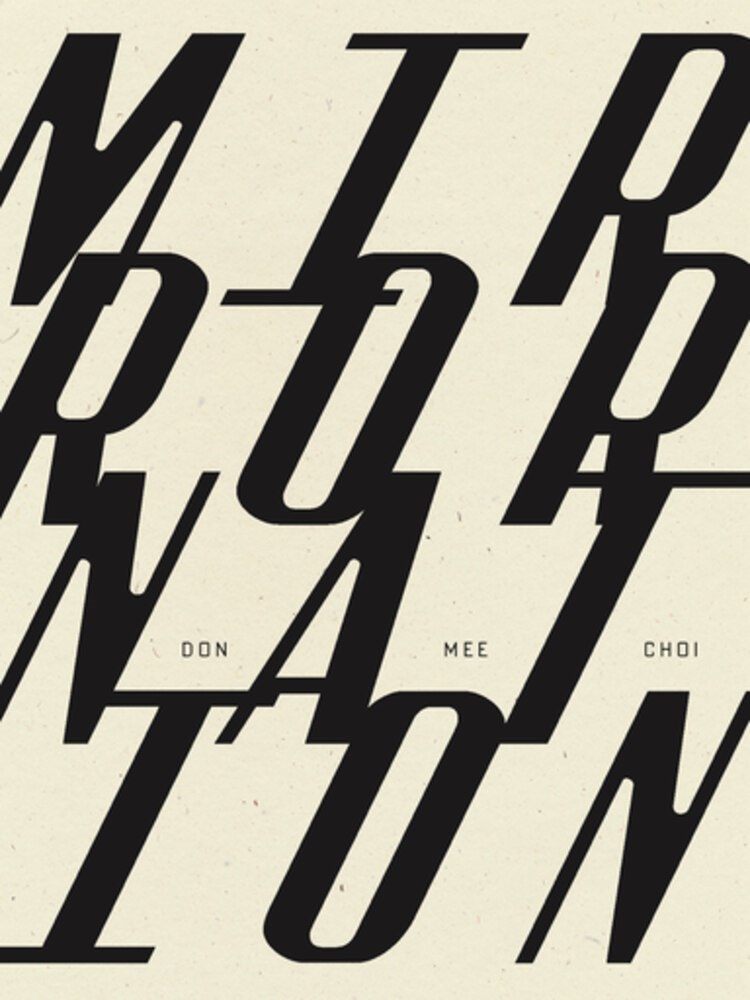
Mirror Nation
By Don Mee Choi
Published by Wave Books
Much like Proust’s madeleine, a spinning Mercedez Benz ring outside Choi’s Berlin window prompts a memory of her father on the Glienicker Bridge between Berlin and Potsdam, which in turn becomes catalyst for delving into the violent colonial and neocolonial contemporary history of South Korea, with particular attention to the horrors of the Gwangju Uprising of May 1980. Here, photographs, news footage, and cultural artifacts comingle with a poetry of grief that is both personal and collective. Inspired by W. G. Sebald and Walter Benjamin as well as Choi’s DAAD Artists residency in Berlin, Mirror Nation is a sorrowful reflection on the ways in which a place can hold a “magnetic field of memory,” proving that history doesn’t merely repeat itself; history is ever present, chiming the hours in a chorus against empire.
-
.

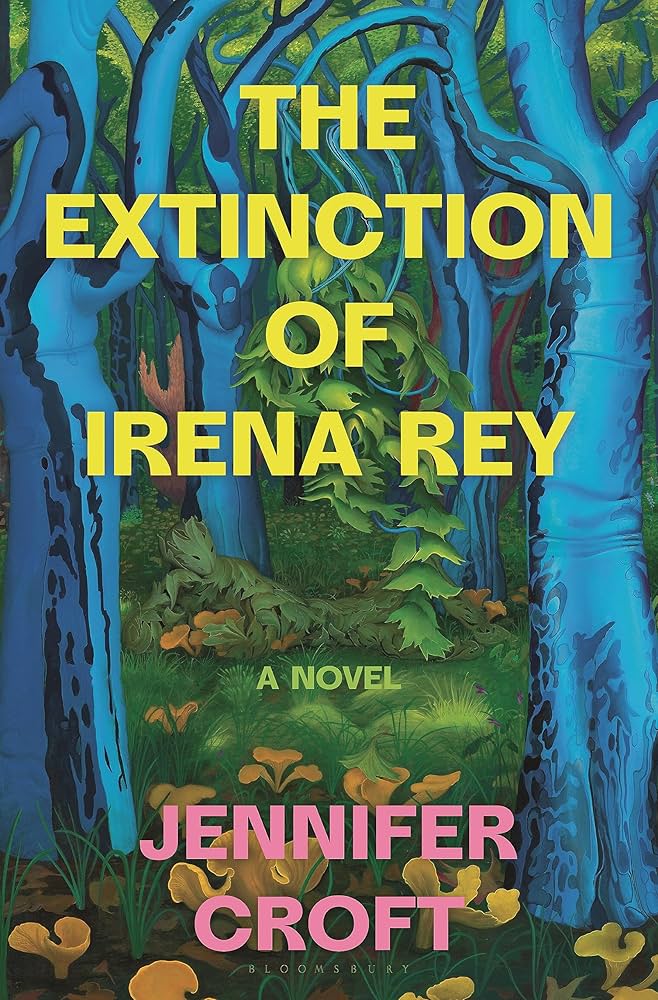
The Extinction of Irena Rey
By Jennifer Croft
Published by Bloomsbury
Eight translators arrive at a house in a primeval Polish forest on the border of Belarus. It belongs to the world-renowned author Irena Rey, and they are there to translate her magnum opus, Gray Eminence. But within days of their arrival, Irena disappears without a trace.
The translators, who hail from eight different countries but share the same reverence for their beloved author, begin to investigate where she may have gone while proceeding with work on her masterpiece. They explore this ancient wooded refuge with its intoxicating slime molds and lichens and study her exotic belongings and layered texts for clues. But doing so reveals secrets-and deceptions-of Irena Rey’s that they are utterly unprepared for. Forced to face their differences as they grow increasingly paranoid in this fever dream of isolation and obsession, soon the translators are tangled up in a web of rivalries and desire, threatening not only their work but the fate of their beloved author herself.
This hilarious, thought-provoking debut novel is a brilliant examination of art, celebrity, the natural world, and the power of language. It is an unforgettable, unputdownable adventure with a small but global cast of characters shaken by the shocks of love, destruction, and creation in one of Europe’s last great wildernesses.
.
-
.

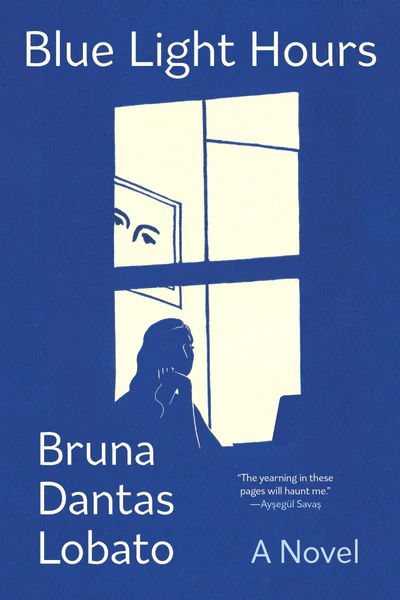
Blue Light Hours
By Bruna Dantas Lobato
Published by Grove/Atlantic
In a small dorm room at a liberal arts college in Vermont, a young woman settles into the warm blue light of her desk lamp before calling the mother she left behind in northeastern Brazil. Four thousand miles apart and bound by the angular confines of a Skype window, they ask each other a simple question: what’s the news?
Offscreen, little about their lives seems newsworthy. The daughter writes her papers in the library at midnight, eats in the dining hall with the other international students, and raises her hand in class to speak in a language the mother cannot understand. The mother meanwhile preoccupies herself with natural disasters, her increasingly poor health, and the heartbreaking possibility that her daughter might not return to the apartment where they have always lived together. Yet in the blue glow of their computers, the two women develop new rituals of intimacy and caretaking, from drinking whiskey together in the middle of the night to keeping watch as one slides into sleep. As the warm colors of New England autumn fade into an endless winter snow, each realizes that the promise of spring might mean difficult endings rather than hopeful beginnings.
Expanded from a story originally published in the New Yorker, and in elegant prose that recalls the work of Sigrid Nunez, Katie Kitamura, and Rachel Khong, Bruna Dantas Lobato paints a powerful portrait of a mother and a daughter coming of age together and apart and explores the profound sacrifices and freedoms that come with leaving a home to make a new one somewhere else.
-
.

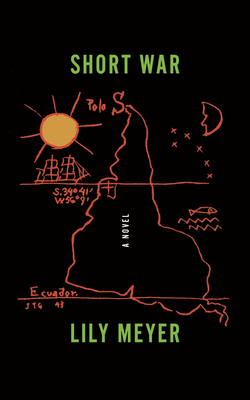
Short War
By Lily Meyer
Published by Deep Vellum
When sixteen-year-old Gabriel Lazris, an American in Santiago, Chile, meets Caro Ravest, something clicks. Caro, who is Chilean, is charming, curious, and deeply herself. Gabriel dreams of their future together. But everybody’s saying there’s going to be a coup—and no one says it louder than Gabriel’s dad, a Nixon-loving newspaper editor who Gabriel suspects is working with the C.I.A. Gabriel’s father is adamant that the moment political unrest erupts, their family is going home. To Gabriel, though, Chile is home.
Decades later, Gabriel’s American-raised adult daughter Nina heads to Buenos Aires in a last-ditch effort to save her dissertation. Quickly, though, she gets sidetracked: first by a sexy professor, then by a controversial book called Guerra Eterna. A document of war and an underground classic, Guerra Eterna transforms Nina’s sense of her family and identity, pushing her to confront the moral weight of being an American citizen in a hemisphere long dominated by U.S. power. But not until Short War’s coda do we get true insight into the divergent fortunes of Gabriel Lazris and Caro Ravest.
Shaped by the geopolitical forces that brought far-right dictators like Pinochet to power, their fates reverberate through generations, evoking thorny questions about power, privilege, and how to live with the guilt of the past.
.
-
.

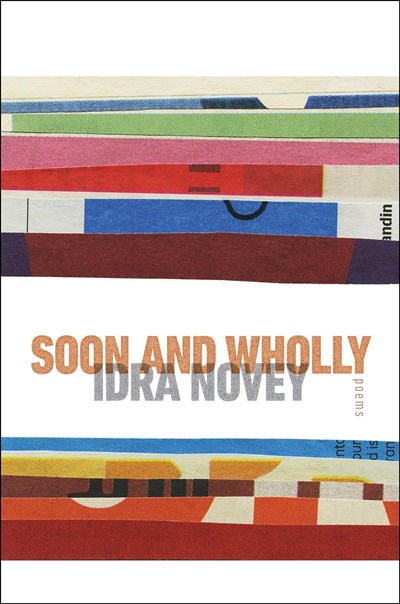
Soon and Wholly
By Idra Novey
Published by Wesleyan University Press
Idra Novey’s first collection in a decade, since Patricia Smith chose Exit, Civilian for the National Poetry Series, brings a lyric intimacy to the extremes of our era. The poems juxtapose sweltering days raising children in a city with moments from a rural childhood roaming free in the woods, providing a bridge between those often polarized realities. Novey’s spare, contemporary fables move across the Americas, from a woman housesitting in central Chile, surrounded by encroaching fires, to a man in New York about to give birth to a panda.
Other poems return to the Allegheny Highlands of Appalachia, where Novey revisits the roads and creeks of her childhood: “Maybe we knew we only appeared/to be floating, but soon and wholly/we’d go under.” Like Lydia Davis and Anne Carson, Novey draws from the well of her work translating myriad authors, from Brazilian writer Clarice Lispector to Iranian poet Garous Abdolmalekian, and from her own award-winning novels. These are deeply lived poems, evoking both a singular life and the shared urgencies of our time, a collection of great inventiveness and wit, conjuring our “bit part in the history of the future.”
-
.

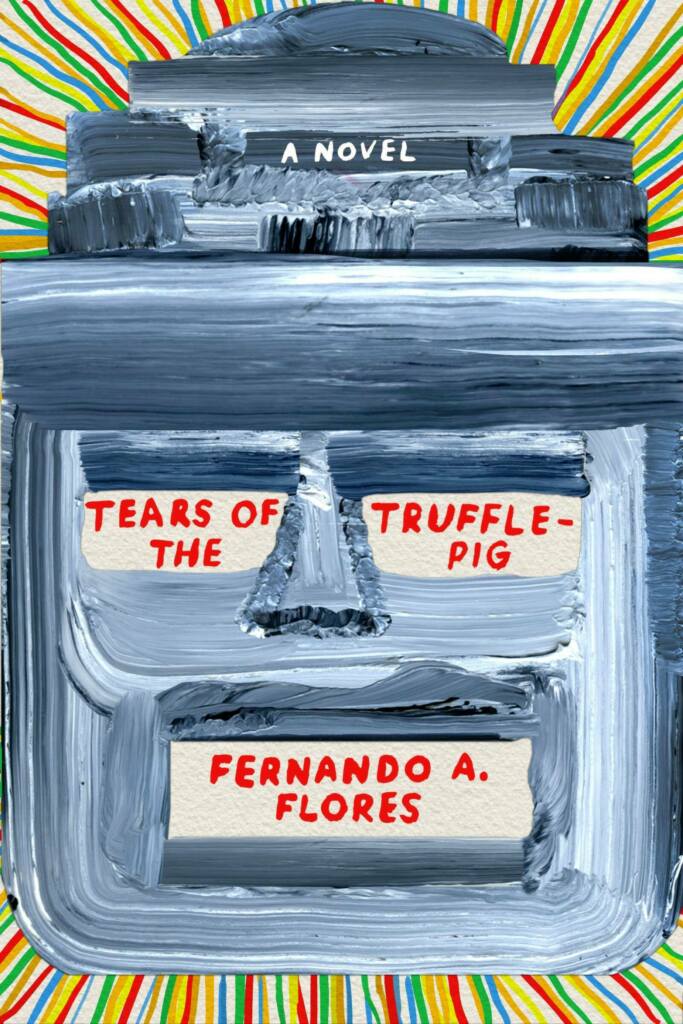
Tears of the Trufflepig
By Fernando A. Flores
Published by Farrar, Straus and Giroux
A parallel universe. South Texas. A third border wall might be erected between the United States and Mexico, narcotics are legal and there’s a new contraband on the market: filtered animals—species of animals brought back from extinction to amuse the very wealthy.
Esteban Bellacosa has lived in the border town of MacArthur long enough to know to keep quiet and avoid the dangerous syndicates who make their money through trafficking. But his simple life gets complicated after a swashbuckling journalist invites him to an underground dinner at which filtered animals are served. Bellacosa soon finds himself in the middle of an increasingly perilous and surreal journey, in the course of which he encounters legends of the long-disappeared Aranaña Indian tribe and their object of worship: the mysterious Trufflepig, said to possess strange powers.
Written with infectious verve, bold imagination, and oddball humor, Fernando A. Flores’s Tears of the Trufflepig is an absurdist take on life along the border, an ode to the myths of Mexican culture, and an introduction to a staggeringly smart new voice in American fiction.
.
-
.

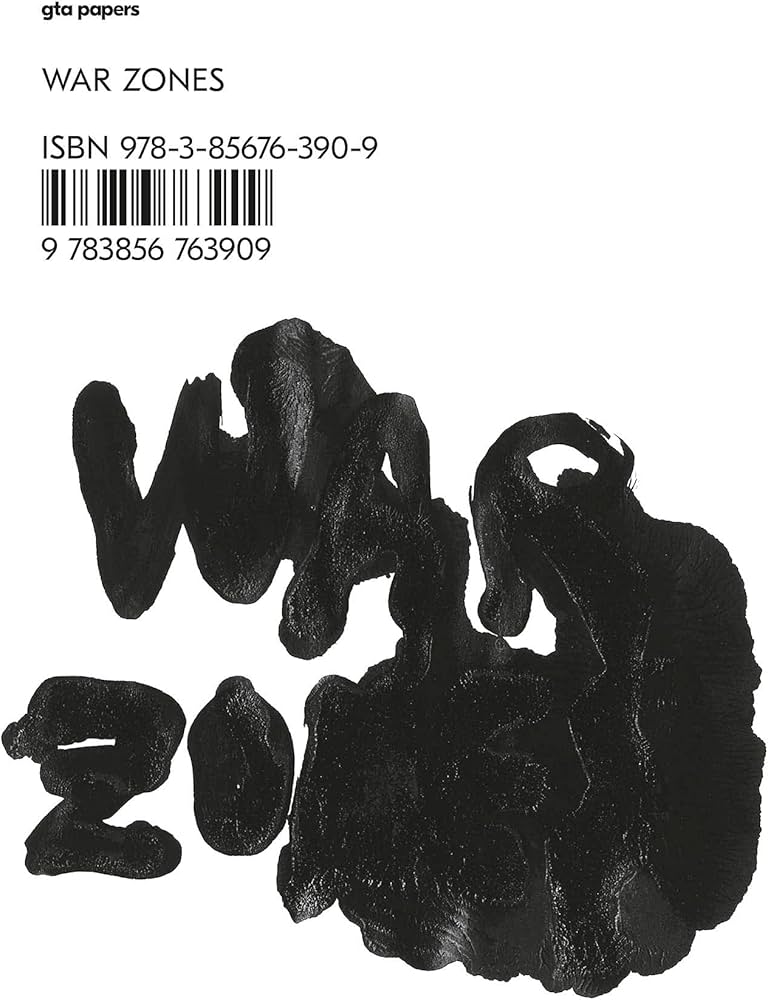
War Zones
By Samia Henni (Editor)
After the Second World War and at the onset of the Cold War, warfare took different forms. War zones often lost their clear demarcations. People, landscapes, and built environments came to be subjugated to the strains and constraints of new forms of war that served both civil and military purposes. The contributions to War Zones investigate some of these implicit or explicit conditions, legacies, and impacts. From colonial or total war, asymmetric war or counterinsurgency, barricaded or besieged cities, refugee camps or borderlines, nuclear bunkers or ‘war ghosts’, to the state of emergency and drone warfare – these texts disclose the spatial aspects, statuses, and formation processes of past and current war zones.
-
.

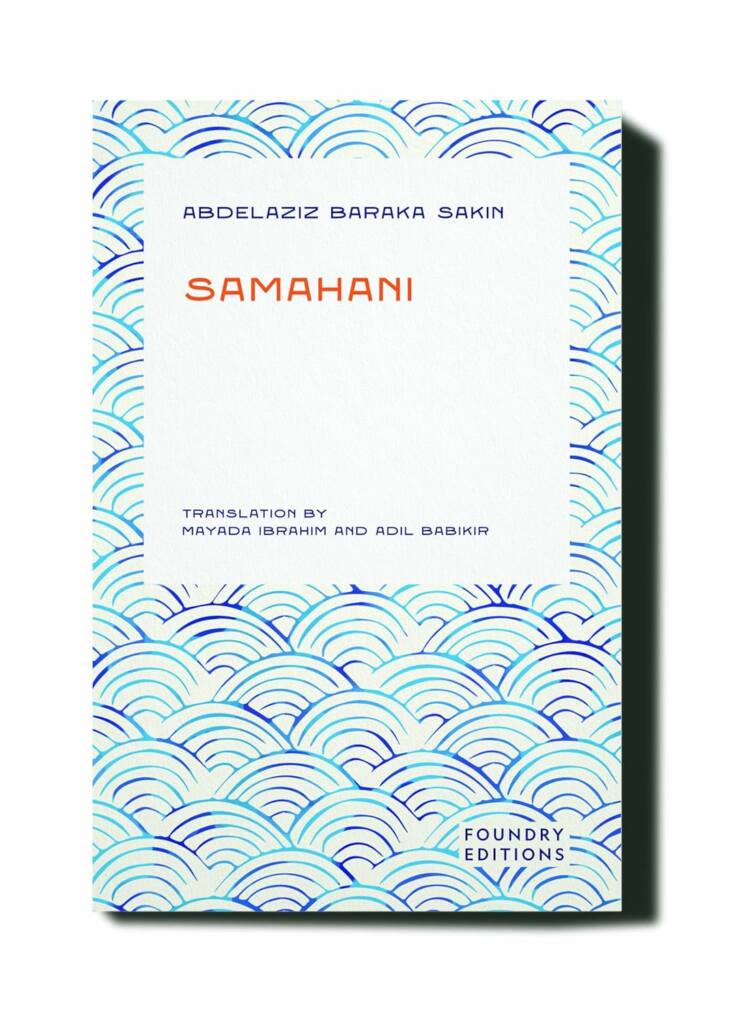
Samahani
By Abdelaziz Baraka Sakin
Published by Foundry Editions
Translated by Mayada Ibrahim & Adil Babikir
Samahani means ‘forgive me’ in Swahili, two words that stand in stark contrast to everything that happens in this novel.
Set in 19th-century Zanzibar, this is a dark story of slavery, cruelty and vengeance, that depict the agonies of the native Zanzibaris at the hands of both Europeans and Arabs, that turns their apparent island paradise into a living hell of cruelty and exploitation. Through the relationship between a spoilt, scheming, powerful Omani princess and her eunuch African slave Sundus, captured and castrated by Arab slavers, Sakin builds a grand narrative that paints a picture of barbarism and man’s inhumanity to man and becomes a furious cry against persecution in all its forms.
.
-
.

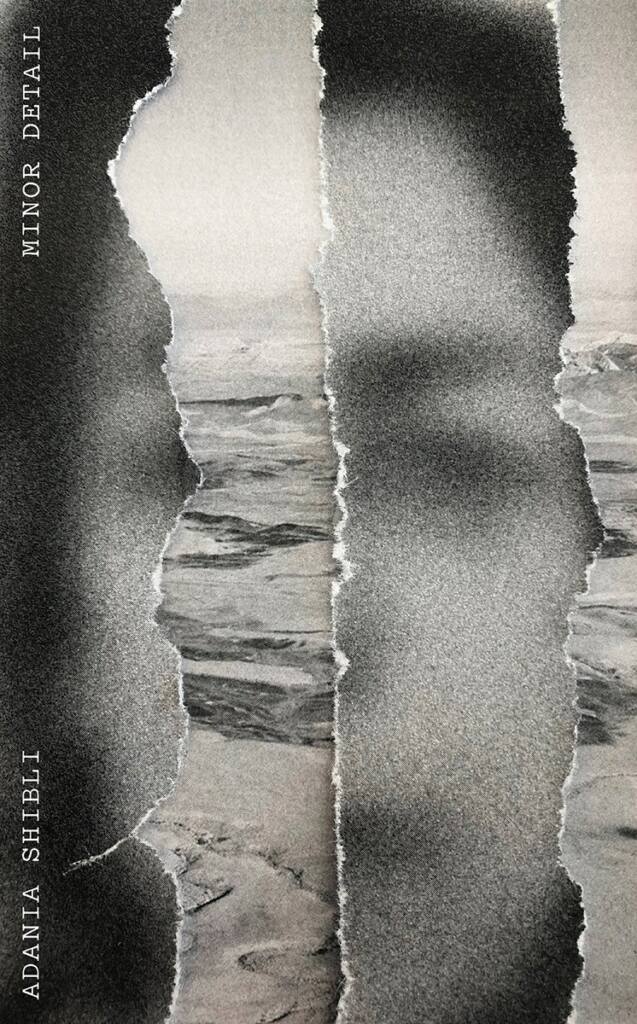
Minor Detail
By Adania Shibli
Published by New Directions
Translated by Elisabeth Jaquette
Minor Detail begins during the summer of 1949, one year after the war that the Palestinians mourn as the Nakba—the catastrophe that led to the displacement and exile of some 700,000 people—and the Israelis celebrate as the War of Independence. Israeli soldiers murder an encampment of Bedouin in the Negev desert, and among their victims they capture a Palestinian teenager and they rape her, kill her, and bury her in the sand.
Many years later, in the near-present day, a young woman in Ramallah tries to uncover some of the details surrounding this particular rape and murder, and becomes fascinated to the point of obsession, not only because of the nature of the crime, but because it was committed exactly twenty-five years to the day before she was born. Adania Shibli masterfully overlays these two translucent narratives of exactly the same length to evoke a present forever haunted by the past.
-
.

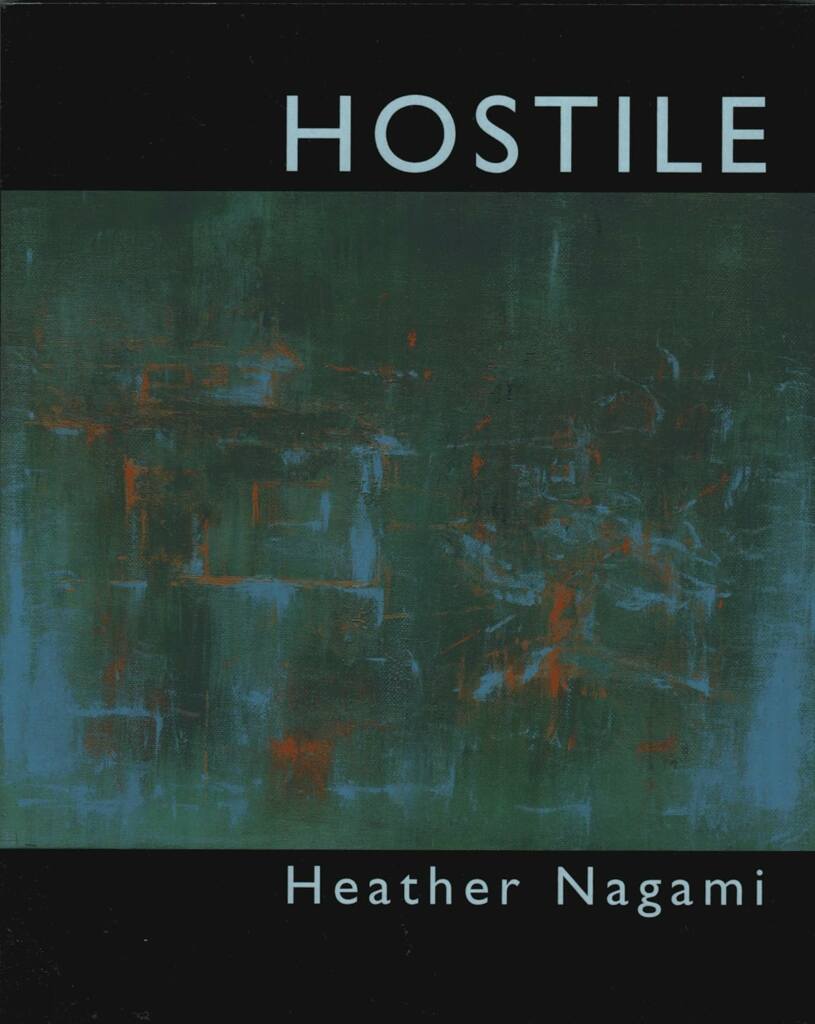
Hostile
By Heather Nagami
Published by Chax Press
Hardly ever has found language, appropriated discourse, sounded more closely attuned to what Ms. Niedecker once referred to as the ‘condensery’ of poetry–not Reznikoff’s Testimony, nor the early novels of Kathy Acker. Nagami is listening for all the elements in the language. What strikes me as a reader is the degree to which these texts remain true to their source materials while demonstrating a total commitment to the traditional effects of poetry–concision, a foregrounding of the formal elements of poetry, even a goofball elegance that has much to do with the New York School’s commitment to wit.
.
ABOUT THE CENTER FOR THE ART OF TRANSLATION
The Center for the Art of Translation is dedicated to finding dazzling new, overlooked, and underrepresented voices, brought into English by the best translators, and to celebrating the art of translation. Our publications, events, and educational programming enrich the library of vital literary works, nurture and promote the work of translators, build audiences for literature in translation, and honor the incredible linguistic and cultural diversity of our schools and our world.
Visit catranslation.org for more.