



Thursday, 7:00 pm EDT June 18, 2026

The Center for Fiction
& Livestreamed
Long before the first Europeans set foot on Turtle Island, Indigenous people shared and recorded their stories and histories. In a conversation moderated by scholar Joseph M. Pierce (Cherokee Nation), novelists Eliana Ramage (Cherokee Nation) and Greg Sarris (Federated Indians of Graton Rancheria), along with historian Linford D. Fisher, will consider Native literature from cultural, anthropological, and fictional perspectives. As many commemorate the 250th anniversary of the signing of the Declaration of Independence, the authors will offer a clear-eyed examination of America’s past while celebrating Indigenous presents and futures.
This panel will bring together Fisher’s rich account of the long history of Indigenous enslavement and land dispossession; Ramage’s and Sarris’s fictional depictions of a Depression-era shape-shifter and a modern-day aspiring Cherokee astronaut, respectively; and Pierce’s theorization of future worlds and imaginaries that illuminate Indigenous thought and practice. A book signing will follow the event.
We offer two in-person ticket options: the $10 Standard Ticket and the $40+ Supporter Ticket. Both provide the same access, but if you’re able, we kindly suggest registering for the Supporter Ticket to help sustain our programs. Please note that tickets do not include books; we encourage you to order in advance online or purchase copies at the event.
Featuring
-

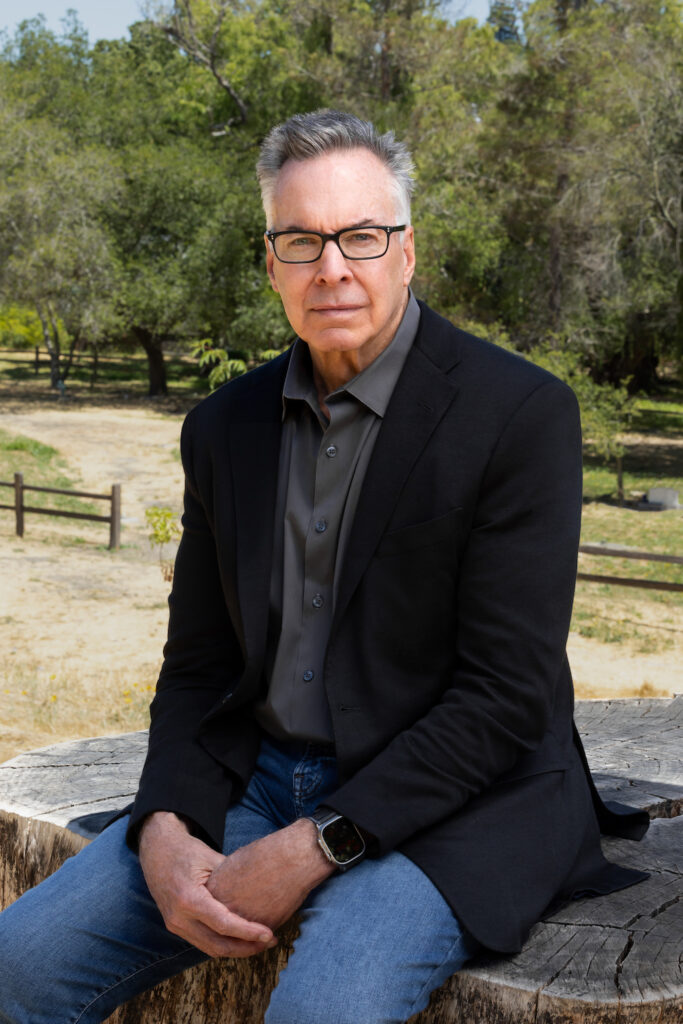
Linford D. Fisher
Linford D. Fisher
Linford D. Fisher is an associate professor of history at Brown University. The author of The Indian Great Awakening and principal investigator of the Stolen Relations project, he lives in Providence, Rhode Island.
Photo Credit: Peter Goldberg
-

Eliana Ramage
Eliana Ramage
Eliana Ramage is the author of To the Moon and Back, a Reese’s Book Club pick. She holds an MFA in fiction from the Iowa Writers’ Workshop, and has received support from Lambda Literary, Vermont Studio Center, Tin House, and the Kimmel Harding Nelson Center. A citizen of the Cherokee Nation, she lives in Nashville with her family.
Photo Credit: Leah Margulies
-

Greg Sarris
Greg Sarris
Greg Sarris is an accomplished author, university professor, and tribal leader currently serving his seventeenth term as Chairman of the Federated Indians of Graton Rancheria. His publications include Keeping Slug Woman Alive, Grand Avenue, Watermelon Nights, How a Mountain Was Made, Becoming Story, and The Forgetters. In June 2026 his new novel, The Last Human Bear, will debut. He is an elected member of the American Academy of Arts and Sciences, a member of the Board of Trustees of the Sundance Institute, former board chair of the Smithsonian Museum of the American Indian, and a member of the Board of Regents for the University of California. Greg lives and works in Sonoma County, California. Visit his website at greg-sarris.com.
Photo Credit: Beowulf Sheehan
-

Joseph Pierce
Joseph Pierce
Joseph M. Pierce (Cherokee Nation citizen) is Associate Professor and Founding Director of the NAIS Initiative at Stony Brook University. He is the author of Speculative Relations: Indigenous Worlding and Repair and Argentine Intimacies: Queer Kinship in an Age of Splendor, 1890-1910. With S.J. Norman (Wiradjuri) he is co-curator of Knowledge of Wounds, and for 2024-25 he was a scholar in residence at MoMA.
Photo Credit: Marcin Muchalski



Featured Books
-
.

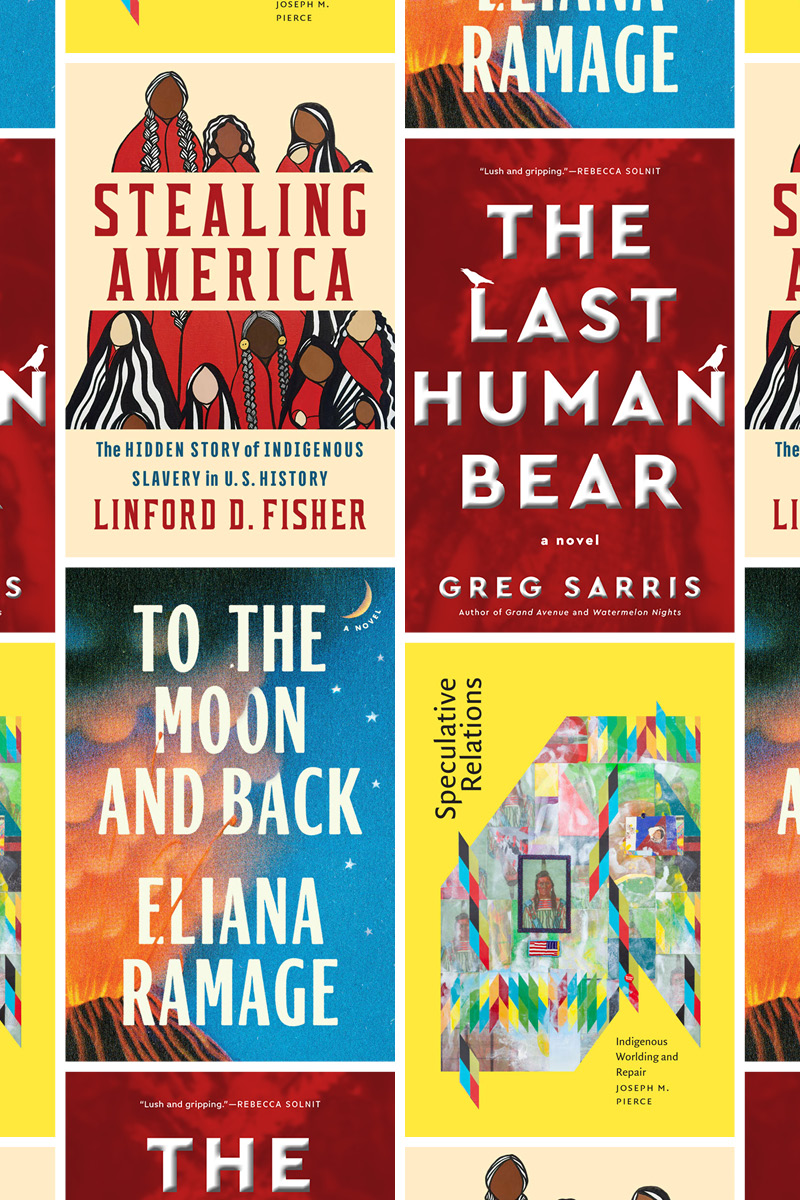
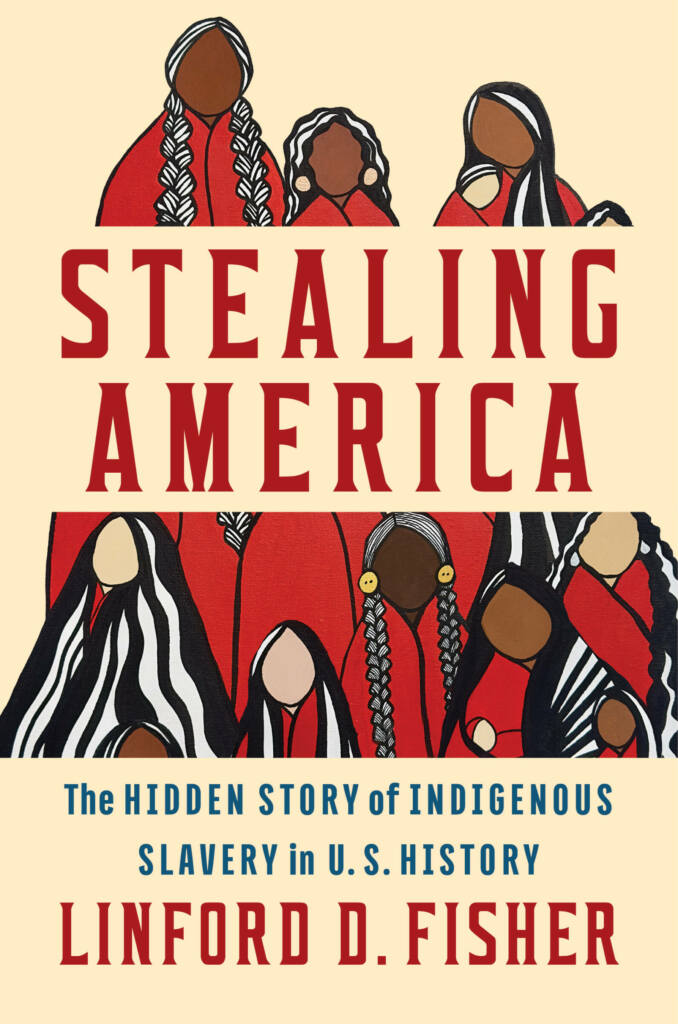
Stealing America: The Hidden Story of Indigenous Slavery in U.S. History
By Linford D. Fisher
Published by Liveright
Although the first enslaved Africans arrived in Jamestown in 1619, European slavery in America began more than a century before. In a work distinguished not only by its original research but by its “passionate prose” (James F. Brooks), historian Linford Fisher demonstrates how the enslavement of Indigenous people began in the years just after 1492, ensnaring an estimated three to six million Natives throughout the Americas. Although largely erased from the public consciousness, Native enslavement continued for centuries to become a colossal phenomenon that affected nearly 600,000 Native Americans in North America alone, revealing the shocking truth that American colonizers enslaved Natives in roughly the same numbers as they imported enslaved Africans.
The most comprehensive work of its kind, Stealing America emerges as a saga of both persistent colonialism and Indigenous resilience, one that reframes American history at its core.
-
.
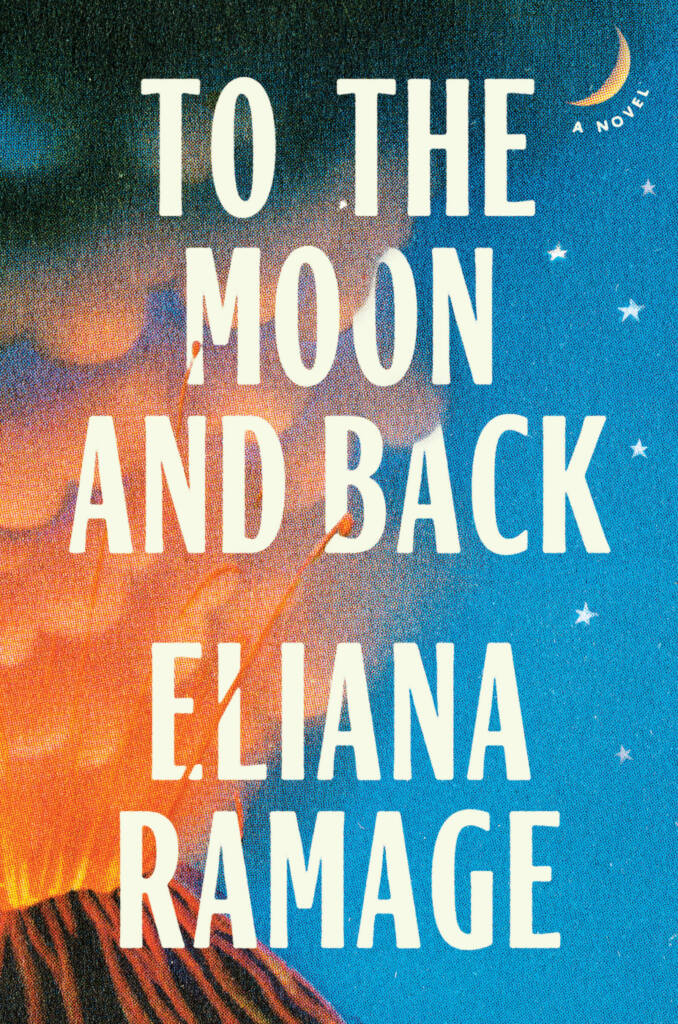
To the Moon and Back
By Eliana Ramage
Published by Avid Reader Press / Simon & Schuster
Steph Harper is convinced that only space—outer space—can save her. From a childhood of fearful running and alienation; from a family and community that threaten to suffocate her with their reverence for the past. Equal parts tender, funny, and heartbreaking, To the Moon and Back charts the course of Steph’s singular dream: to become the first Cherokee astronaut, no matter who or what she has to leave behind.
But despite her self-prescribed loneliness and reckless ambition, Steph’s story isn’t hers alone. To the Moon and Back also brings to life the vibrant, complex women—a celebrity activist younger sister, an ex-Mormon college girlfriend, and a devoted mother with a crushing secret—who insist on loving her…even when she least deserves them.
From a simulated Mars habitat on a Hawaiian volcano, to a house in the Ozark foothills in Cherokee Nation, to a pressurized research station on the floor of the Atlantic and beyond, Steph will stretch her bonds with each of these women to the point of breaking, driving them to reconsider their own deepest desires in her shadow. An awe-inspiringly epic novel of mothers and daughters, sisters and sacrifice, love and loss, terror and wonder, To the Moon and Back is the unforgettable story of one astronaut’s most surprising discovery: how deeply she loves life on earth.
.
-
.

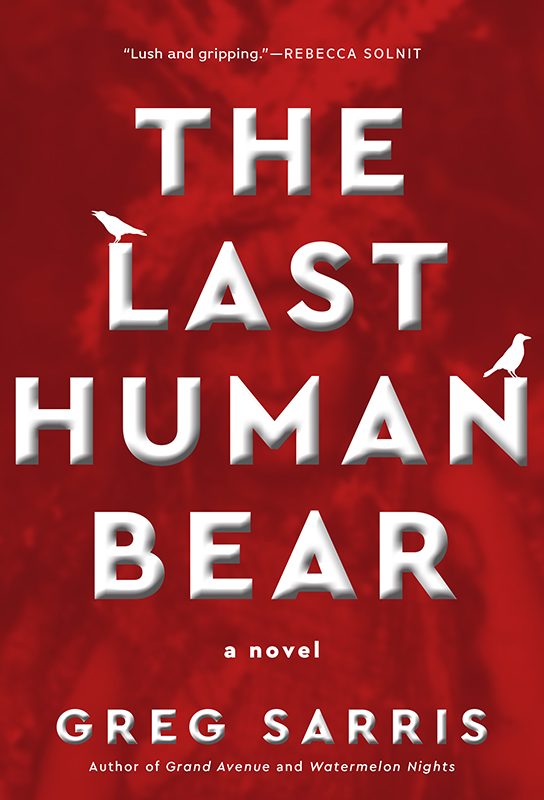
The Last Human Bear
By Greg Sarris
Published by Heyday
Mary Hatcher lives with a curse—or is it a power that could make her life whole? A Native Pomo woman who comes of age in 1930s California, Mary keeps trying to make sense of her enigmatic family. Strange rumors spread about her. Her stepmother may have taught her how to become a Human Bear, a shapeshifter who can menace and poison enemies. Two men may love her—or love who they think she is. A mystery even to herself, Mary learns to pass between Native and white societies, tenaciously carving her own path as an independent woman. But as she explores love and desire, family inherited and chosen, and the secrets of the natural world, one question gnaws at her: Is she fated to do harm?
Wry and richly lyrical, The Last Human Bear follows Mary from the Great Depression to the twenty-first century, when she commits a haunting final act. Inspired by the Native women elders who shaped Greg Sarris in his youth, it is the triumphant and revelatory return of an eminent novelist. With illustrations by Obi Kaufmann.
-
.
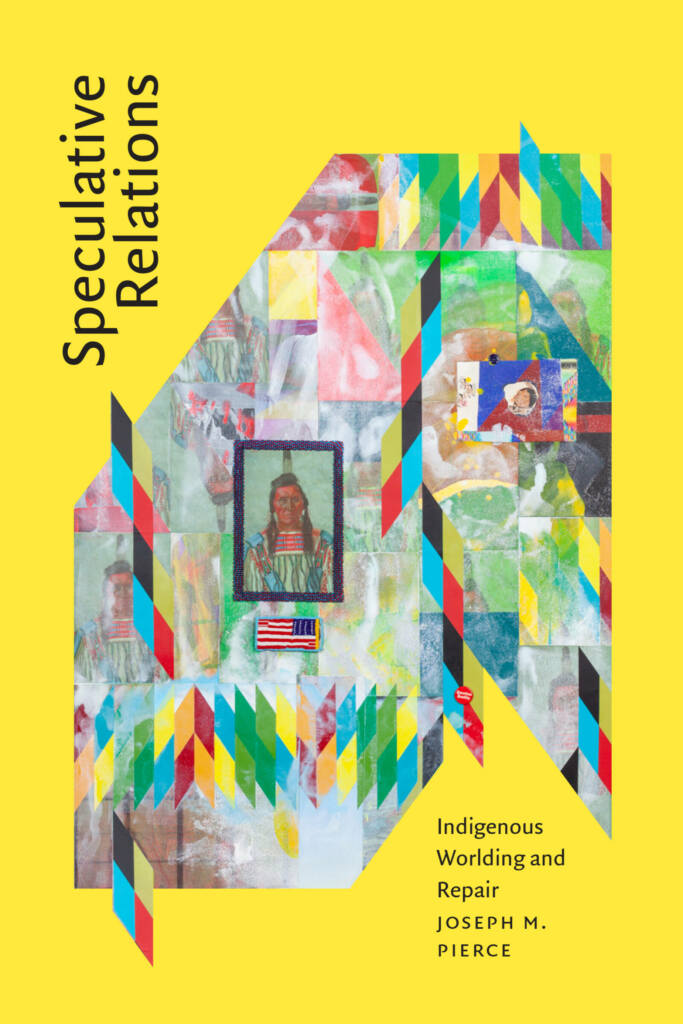
Speculative Relations
By Joseph Pierce
Published by Duke University Press
Indigenous relations are often described in anthropological terms, or as expressions of timeless, unchanging kinship ties. In Speculative Relations, Joseph M. Pierce challenges this view, considering the potential of these relations as a means of repairing the damages of history. Pierce approaches Indigenous art and culture not as objects of study, but through relations committed to reciprocity and care for human and more-than-human beings. Drawing on Cherokee thinking, Indigenous queer theory, literary and cultural studies, and art criticism, he illuminates pathways for understanding and resisting the ongoing damages of colonialism while pointing to future worlds and imaginaries that breathe life into Indigenous thought and practice. Analyzing a range of materials—from photography, literature, and sculpture to film and ethnography—Pierce reveals how speculation, as a form of situated knowledge production, can repair and reimagine the worlds that colonialism sought to destroy. In doing so, Pierce highlights how gestures, poetics, and embodiment can uphold tradition and harness the imaginative power of speculation to create pathways for living in good relations.
.
-
ALL PRIDE, NO PREJUDICE! A Literary LGBTQ+ Celebration
Wednesday, 6:30 pm EDT June 17, 2026
-

Celebrating 80 Years of Penguin Classics
Thursday, 7:00 pm EDT June 25, 2026
-

The Center for Fiction Presents De'Shawn Charles Winslow on The Fervent Whites with Samantha Hunt
Thursday, 7:00 pm EDT July 9, 2026
-
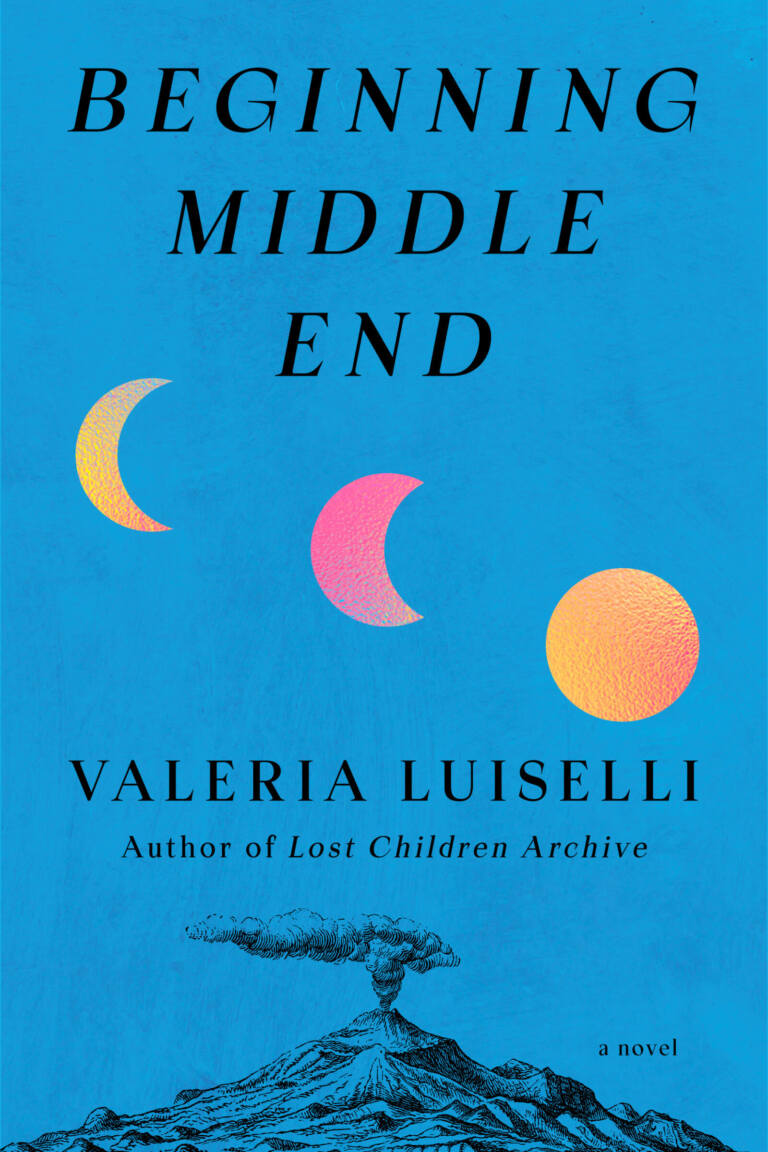
The Center for Fiction Presents Valeria Luiselli on Beginning Middle End
Tuesday, 7:00 pm EDT July 28, 2026