

The International Library
The International Library: Shakespeare in Translation with Daniel Hahn and James Shapiro

Tuesday, 7:00 pm EDT May 5, 2026

The Center for Fiction
& Livestreamed
Join us for a conversation with translator, writer, and editor Daniel Hahn on his new book, If This Be Magic: The Unlikely Art of Shakespeare in Translation.
Through playful and illuminating exploration, Hahn reveals how the world’s most famous playwright is continually reinvented across languages, cultures, and centuries. How does Shakespeare remain Shakespeare—even when every word is changed? Hahn invites us into the strange, exacting, and often joyful work of translation that makes the Bard readable from Bogotá to Borneo.
With wit and clarity, Hahn unpacks the countless decisions—linguistic, musical, cultural, and philosophical—that shape each new version of Shakespeare. Drawing on conversations with translators, writers, and actors around the world (as well as his own decades of experience), he also reveals how translation is both an act of fidelity and creative transformation. At once nerdy, funny, and deeply human, If This Be Magic offers fresh insight into Shakespeare’s global life and into what language itself can, and cannot, do. Renowned Shakespeare scholar James Shapiro will join Hahn in conversation.
We offer two in-person ticket options: the $10 Standard Ticket and the $40+ Supporter Ticket. Both provide the same access, but if you’re able, we kindly suggest registering for the Supporter Ticket to help sustain our programs. Please note that tickets do not include books; we encourage you to order in advance online or purchase copies at the event.
This event is part of The International Library, a collaboration between The Center for Fiction and The Center for the Art of Translation, and is presented in partnership with Theatre for a New Audience.
Featuring
-

Daniel Hahn
Daniel Hahn
Daniel Hahn is a writer, editor and translator with over a hundred books to his name. He has translated fiction, nonfiction, children’s books, and plays from Portuguese, Spanish, and French (from Africa, Europe and the Americas), winning or being shortlisted for a dozen prizes. His own nonfiction books include Catching Fire: A Translation Diary. He is a past chair of the Society of Authors (the U.K.’s writers’ union) and has been on the board or council of many organizations that work with literature, literacy, translation, and free speech.
Photo Credit: Camila França
-

James Shapiro
James Shapiro
James Shapiro is the Larry Miller Professor of English at Columbia University. Among his books are 1599: A Year in the Life of William Shakespeare (2005) which won the Baillie Gifford Prize for nonfiction; 1606: The Year of Lear (2015); Shakespeare in a Divided America (2020), selected one of the ten best books of the year by the New York Times; and most recently, The Playbook: A Story of Theater, Democracy, and the Making of a Culture War (2024). His writing has appeared in the New York Times, the New Yorker, the Guardian, the New York Review of Books, and the London Review of Books. He has been awarded Guggenheim, Cullman, NEH, American Academy in Berlin and American Academy in Rome fellowships, and has been inducted into the American Academy of Arts and Sciences. He serves on the board of the Authors Guild and as a Shakespeare Scholar in Residence at the Public Theater.
Photo Credit: Mary Cregan


Featured Book
-
.

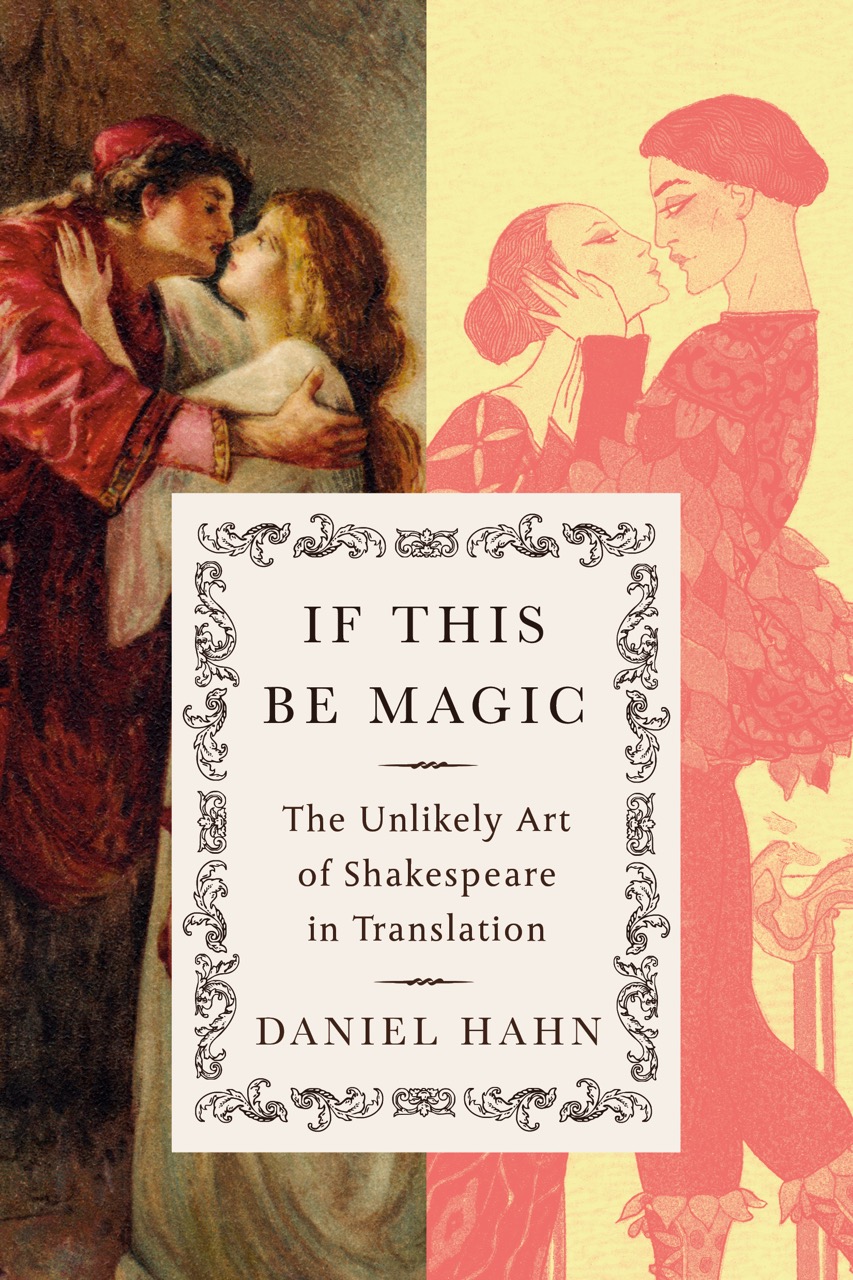
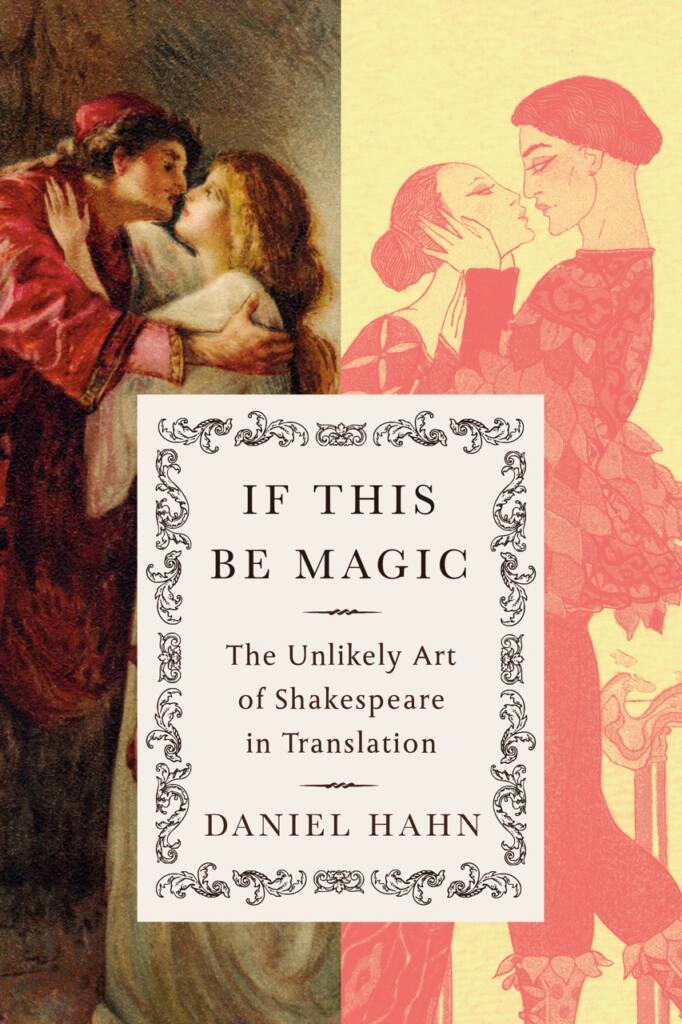
If This Be Magic: The Unlikely Art of Shakespeare in Translation
By Daniel Hahn
Published by Knopf Doubleday Publishing Group
Shakespeare may have breathed the air of sixteenth-century England, but today, all the world is his stage. Every year, millions of people, from Bogotá to Borneo, read Hamlet for the first time, thanks to the tireless work of translators. Drawing on the work of the very best of them, Hahn dives into the infinitesimally complicated ways the great playwright is reinvented and yet sounds, somehow, like himself—in Chinese, Dutch, Turkish, and more than a hundred other languages.
From word order, puns, and punctuation to metaphor, accent, and song, Shakespeare’s variety of genius presents an endless set of conundrums, among them: How does Romeo and Juliet’s love story unfold if their dialogue cannot form a sonnet (nor rhyme), as it does in the original? How can you form wordplay around the letter “I” and its sound if its meanings are not shared in other languages? These are just two out of millions of issues facing translators tasked with bringing Shakespeare to non-English languages, non-Shakespearean eras and cultures. To attempt such a feat, they must cut and add beats, maintain rhymes, adapt names and locations, and preserve meaning while not unilaterally prioritizing it, all while knowing that for each word, line, or scene they construct, another option is yet to be discovered.
Traveling the world, Hahn speaks to writers and actors engaging with Shakespeare’s work, sharing stories of his own. Hahn, whose great-grandfather produced one of Brazil’s earliest Shakespeare translations, emerges as a wise and enthusiastic guide, teacher, and sleuth. If This Be Magic does not require knowledge of any other language or more than a passing acquaintance with the Bard’s canon, but it draws out fascinating insights on both. As nerdy as they come (there is a chapter on commas), supremely readable, and funny throughout, this is a book for everyone and a fitting tribute to the Globe’s Bard.
About The International Library
The International Library is a collaboration between The Center for Fiction and The Center for the Art of Translation. Join us for a series of conversations across time, place, language, and culture, with live audiences in San Francisco and Brooklyn, with more locations to come. This series will guide readers to think critically about how stories are told and explore the inspiration, philosophy, and craft of international storytellers.
About Theatre for a New Audience
Theatre for a New Audience explores the ever-changing forms of world theatre and creates a dialogue between the language and ideas of Shakespeare and diverse authors, past and present. TFANA also builds associations with artists from around the world and supports their development through commissions, translations, and residencies. TFANA’s productions have been played nationally, internationally, and on Broadway. In 2001, it became the first American theatre company invited to bring a production of Shakespeare to the Royal Shakespeare Company. In January 2025, Edinburgh’s Royal Lyceum Theatre presented TFANA’s The Merchant of Venice, featuring John Douglas Thompson as Shylock and directed by Arin Arbus. TFANA opened its first home, Polonsky Shakespeare Center, in the Brooklyn Cultural District in 2013.

About this series
The International Library
The International Library is a series of conversations across time, place, language, and culture. Presented by The Center for Fiction and the Center for the Art of Translation with live audiences in Brooklyn and San Francisco.
-
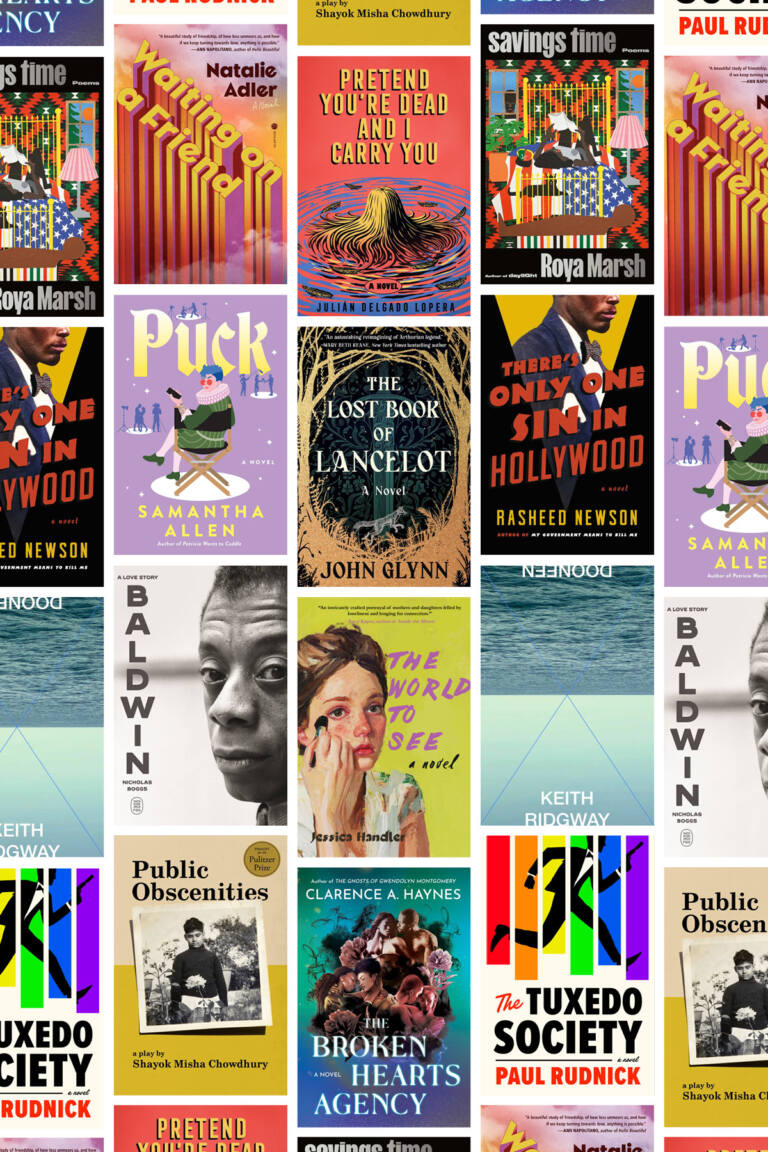
ALL PRIDE, NO PREJUDICE! A Literary LGBTQ+ Celebration
Wednesday, 6:30 pm EDT June 17, 2026
-

Indigenous Narratives of the Past, Present, and Future
Thursday, 7:00 pm EDT June 18, 2026
-

Celebrating 80 Years of Penguin Classics
Thursday, 7:00 pm EDT June 25, 2026
-

The Center for Fiction Presents De'Shawn Charles Winslow on The Fervent Whites with Samantha Hunt
Thursday, 7:00 pm EDT July 9, 2026
-
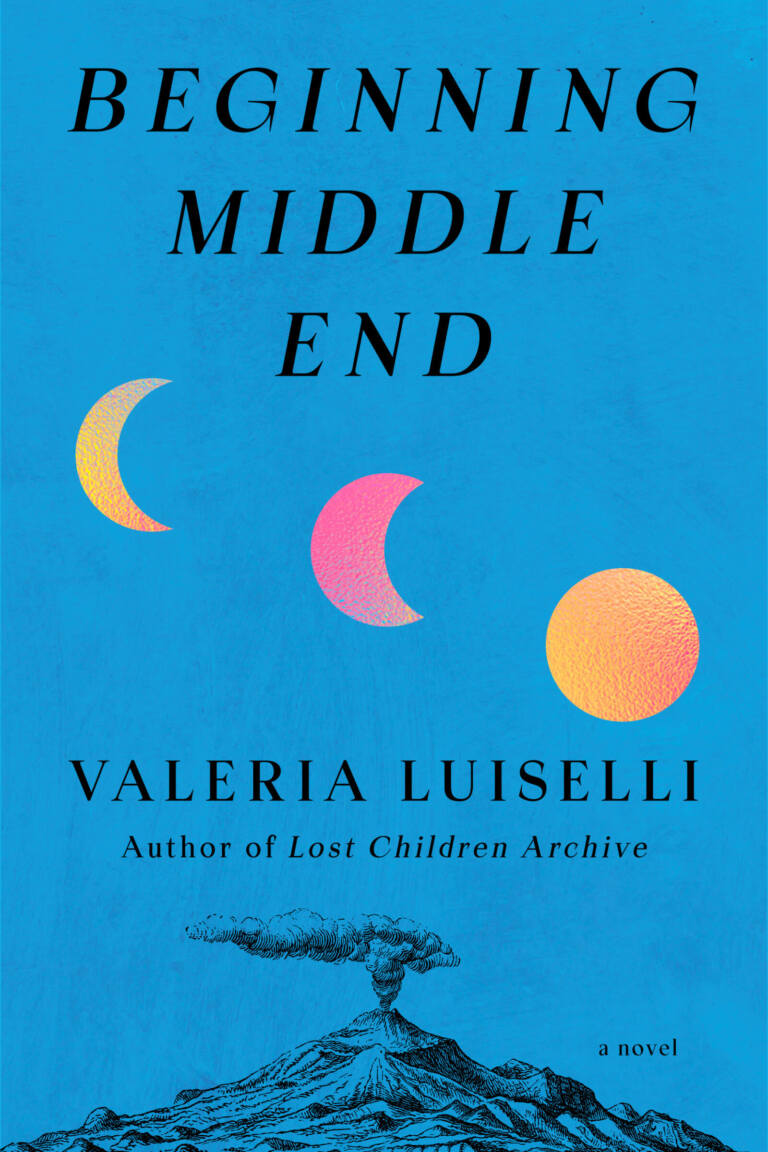
The Center for Fiction Presents Valeria Luiselli on Beginning Middle End
Tuesday, 7:00 pm EDT July 28, 2026