


Friday, 6:00 pm EDT February 6, 2026

The Center for Fiction
& Livestreamed
Auditorium seating is sold out. Register for Overflow Seating above to enjoy the livestream of the readings and conversation projected on a large screen in The Center’s Members Lounge.
Members of The Center for Fiction receive free tickets to First Novel Friday and early access to registration. Become a member today. Already a member? RSVP here.
On the first Friday of the month, join us as we celebrate and launch a selection of the best debut novels published today. Be among the first to discover boundary-pushing and world-expanding work from new voices in fiction.
Kick off the weekend with a happy hour at our cash bar for ticket holders in our Members Lounge starting at 6pm. Then, at 7pm, we’ll move to our auditorium for readings from the featured debut novelists, followed by a short moderated conversation. The party continues with book signings and more signature cocktails to round out the night. Go home with something new—a book, a friend, a favorite Friday night tradition.
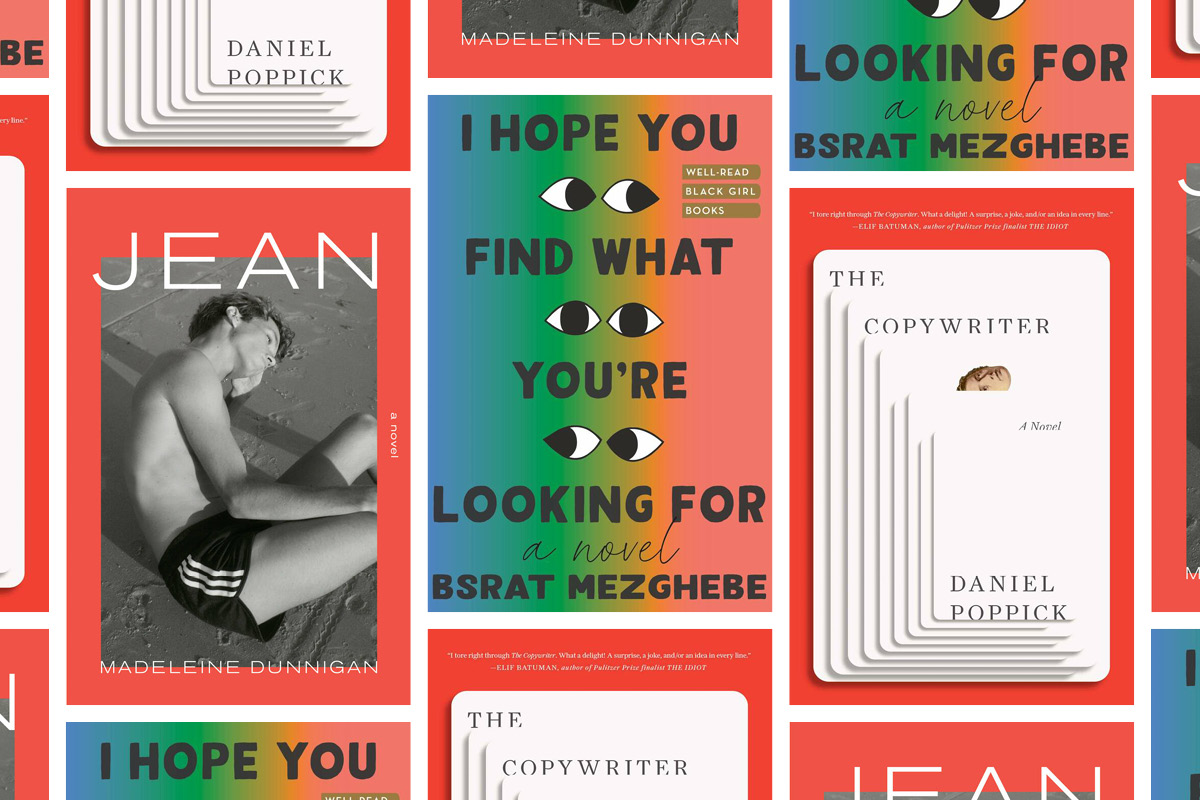
This month, we are pleased to welcome debut novelists Madeleine Dunnigan (Jean), Bsrat Mezghebe (I Hope You Find What You’re Looking For), and Daniel Poppick (The Copywriter). February’s novels explore how identity, art, and belonging shape our lives in moments of upheaval and change. Cleyvis Natera, author of The Grand Paloma Resort, will join us as the evening’s moderator. We hope you’ll support our featured authors by buying their books at the event (purchase all three for 15% off). Space is limited, so reserve your spot today.
We offer two in-person ticket options: the $5 Community Ticket and the $40+ Supporter Ticket. Both provide the same access, but if you’re able, we kindly suggest registering for the Supporter Ticket to help sustain our programs for emerging writers.
Featuring
-

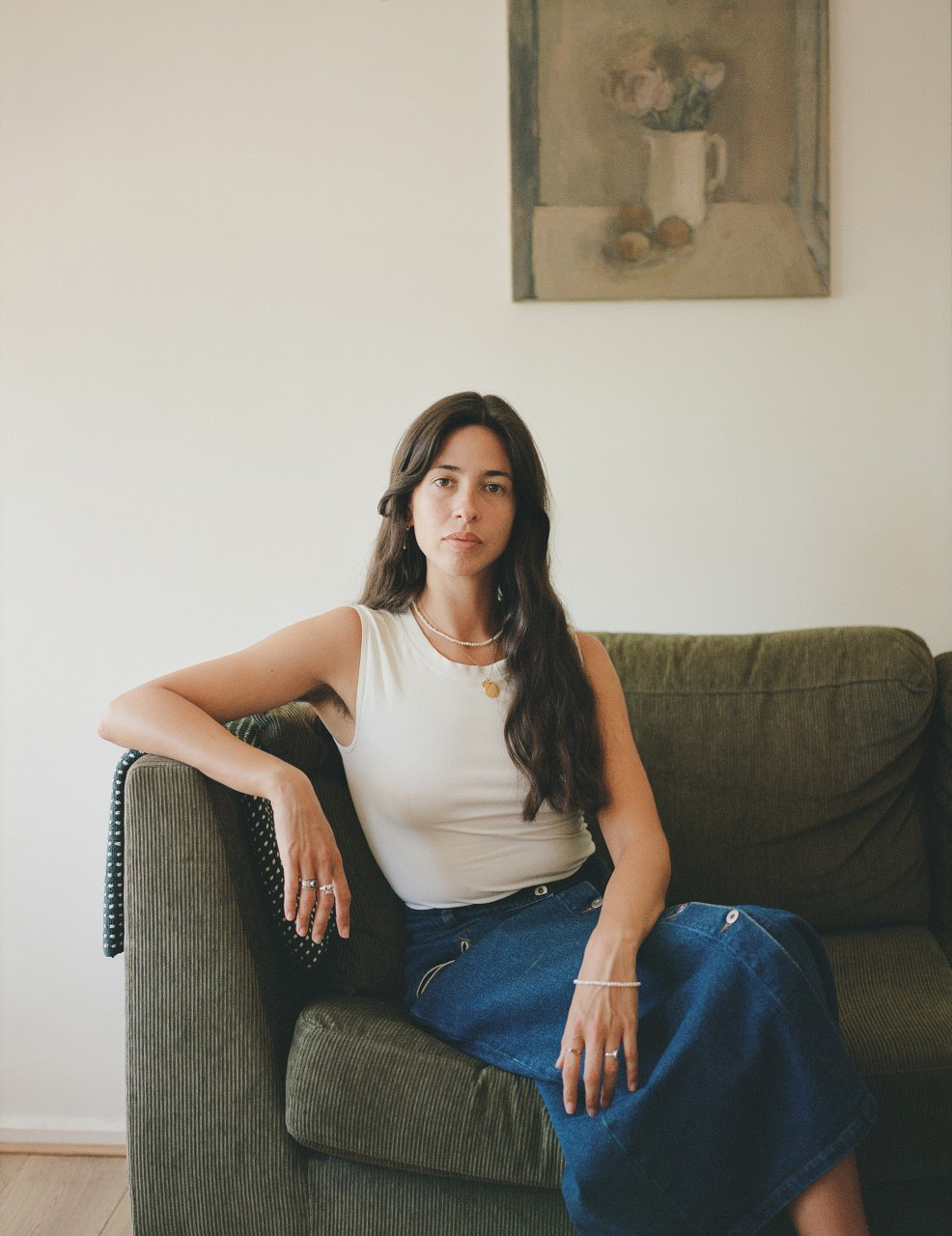
Madeleine Dunnigan
Madeleine Dunnigan
Madeleine Dunnigan was a Jill Davis Fellow in the MFA program at New York University. While there she was awarded a Global Reporting Initiative Fellowship in Paris. She lives in London, where she was born and raised.
Photo Credit: Tyro Heath
-

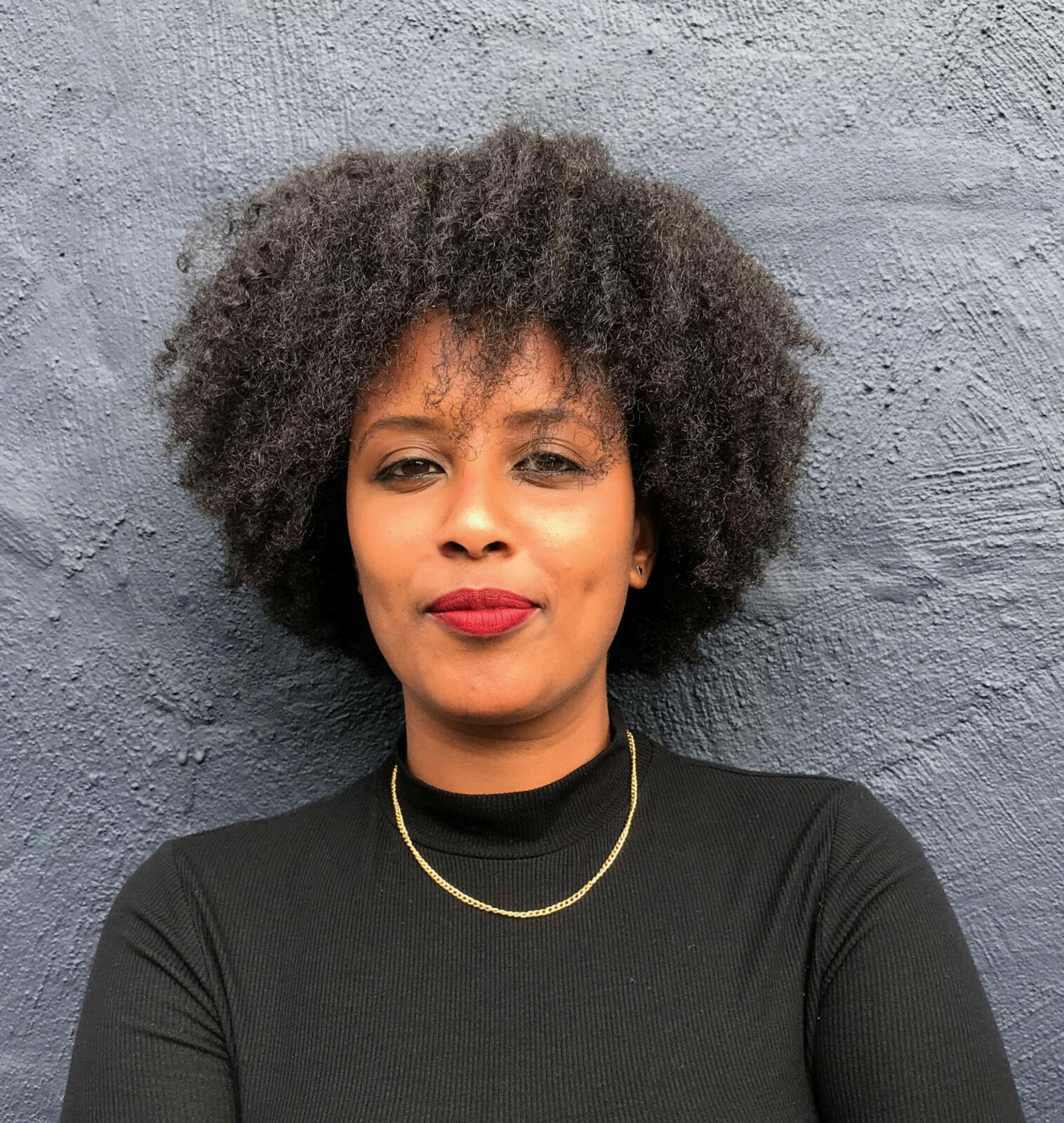
Bsrat Mezghebe
Bsrat Mezghebe
Bsrat Mezghebe received an MFA in Creative Writing from New York University. Her writing has appeared in Guernica, the Paris Review, and the anthology Well–Read Black Girl: Finding Our Stories, Discovering Ourselves. She lives in the Washington, D.C. area.
Photo Credit: Cameron Hagos
-

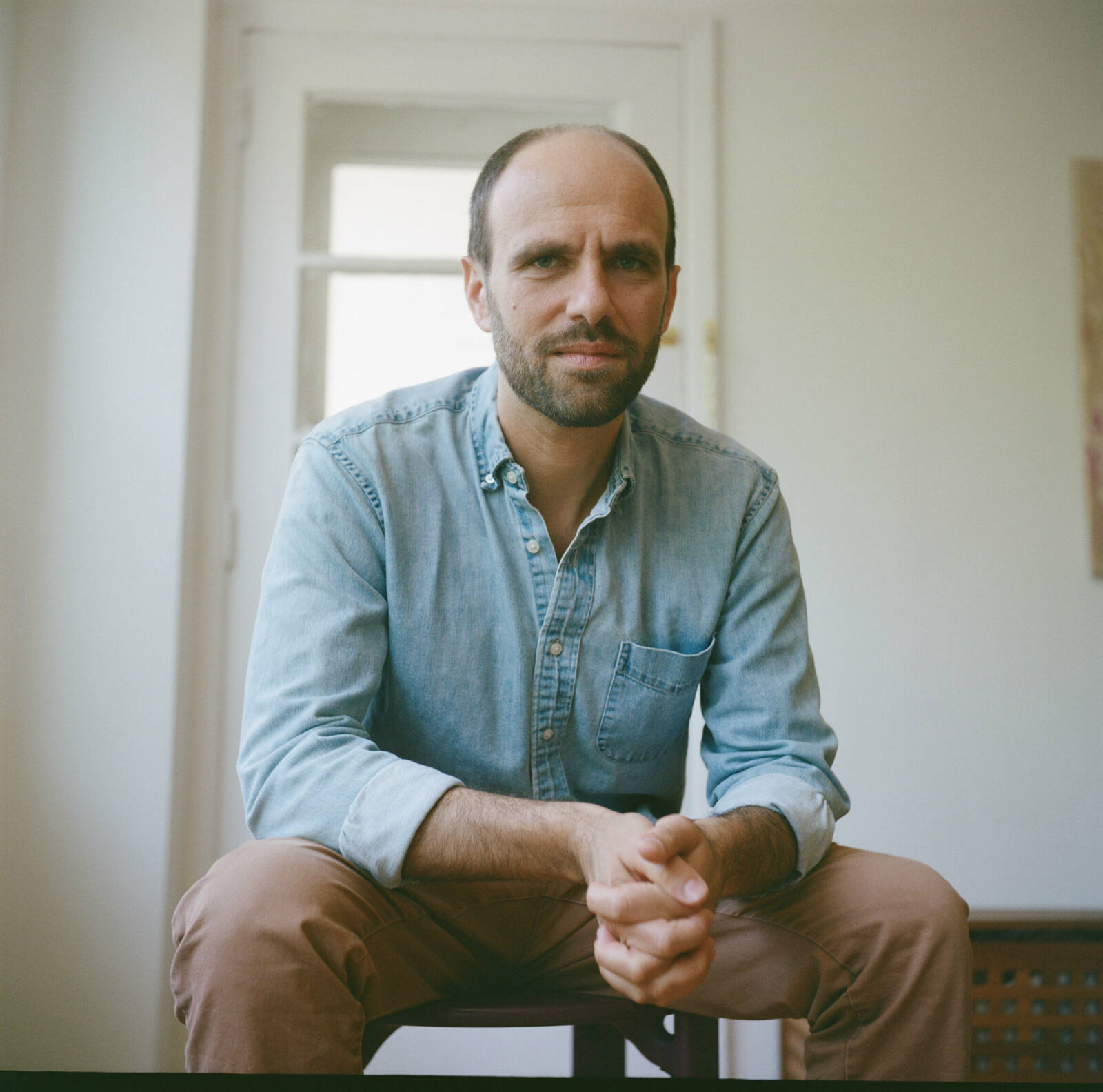
Daniel Poppick
Daniel Poppick
Daniel Poppick is the author of the poetry collections Fear of Description, a winner of the National Poetry Series, and The Police. His writing appears in the New Yorker, the Paris Review, the New Republic, the Yale Review, BOMB, and elsewhere. He works as a copywriter and lives in Brooklyn. For more information visit www.danielpoppick.com.
Photo Credit: Sarah Friedland
Featured Books
-
.

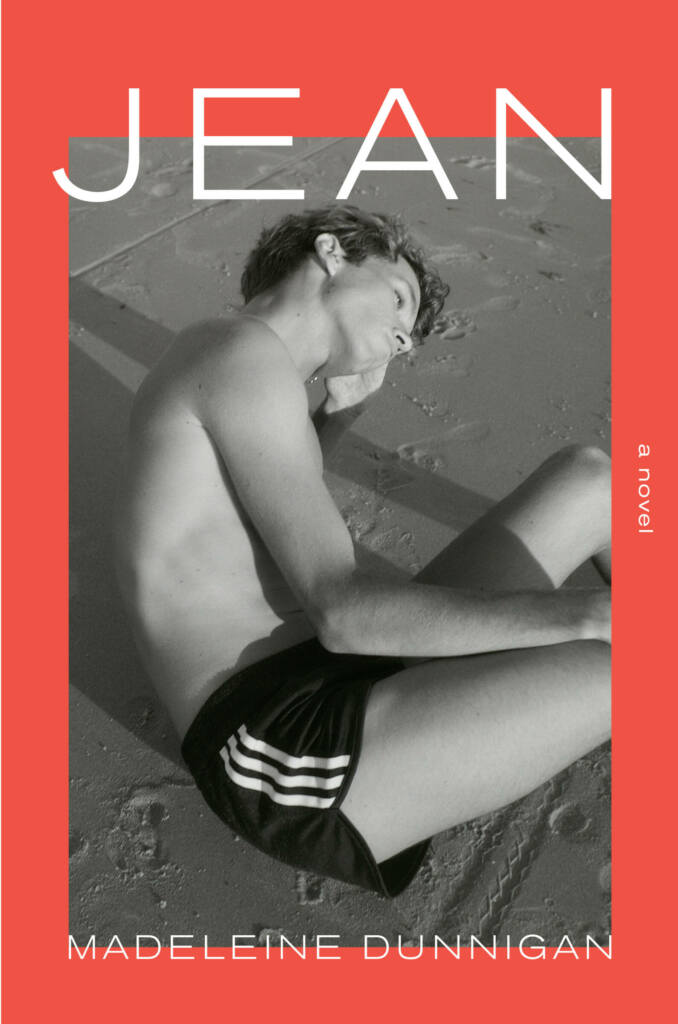
Jean
By Madeleine Dunnigan
Published by W. W. Norton & Company
Seventeen-year-old Jean, a troubled Jewish boy caught in the countercultural swirl of 1970s London, arrives at Compton Manor, a rural alternative boarding school for boys with “problems.” Dyslexic, antisocial, and prone to violent outbursts, Jean has never made friends easily and school has never been a place of safety or enjoyment.
Compton Manor is his last chance, but even here, despite the unconventional teaching methods, Jean is marked by difference. The other boys are fee-paying, while Jean is on a grant; they have good, English families, while Jean’s mother, Rosa, is a German-Jewish refugee and his father is an absent memory. Having broken the rules several times, Jean is on thin ice. But there is only one summer to get through and then Jean will pass his exams and get out.
All of a sudden, he is befriended by Tom—confident, charming, buoyed by years of good breeding and privilege—and it seems as if Jean’s world might change. When things turn romantic, Jean is tipped into a heady, overwhelming infatuation. Now Jean skips class to venture into the woods, or sneaks across moonlit fields to see Tom, wondering whether the relationship might offer a way out of a life marked by alienation. But what if the only true path to freedom is to disappear altogether.
Spellbinding and evocative, Jean is a meditative narrative of loss and escape distilled into the heartrending story of an intense and dangerous adolescent love.
-
.

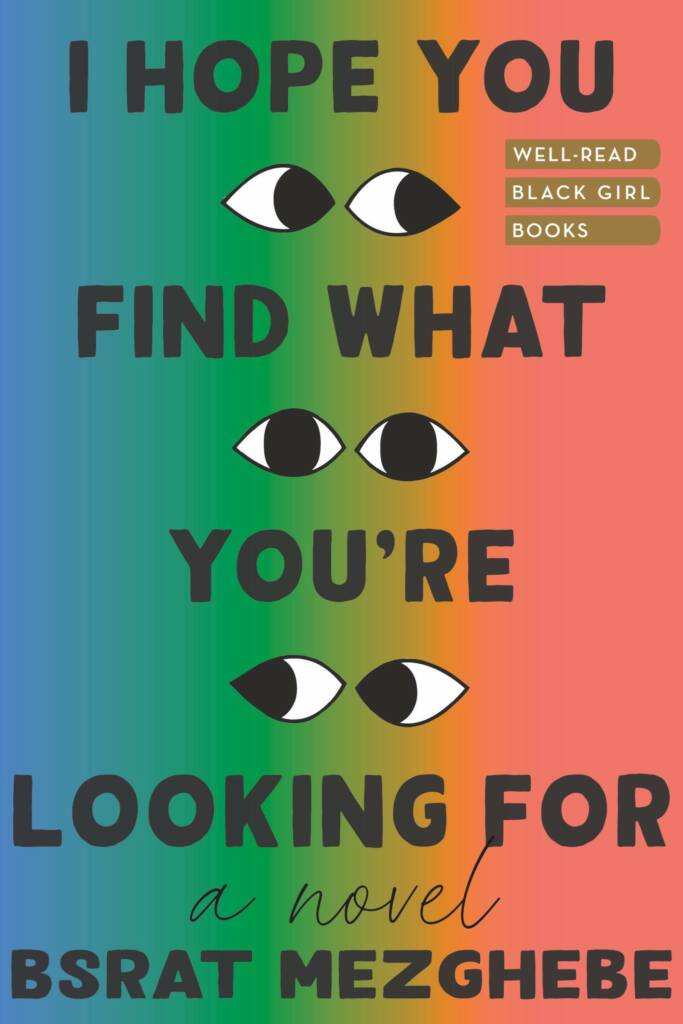
I Hope You Find What You're Looking For
By Bsrat Mezghebe
Published by Liveright
The year is 1991. Eritrea is on the verge of liberation from Ethiopian rule and in Washington, D.C.’s tight-knit Eritrean community, change is in the air. Thirteen-year-old Lydia and her family are grappling with what peace after decades of war might mean for their future, just as they welcome Berekhet—a distant cousin newly arrived from Ethiopia to attend medical school in the States. With him comes a barrage of new ideas Lydia must confront for the first time, about the stories of nationhood and family she was raised on.
Meanwhile her mother, Elsa, a former rebel fighter, and the family matriarch, Mama Zewdi, must grapple with regrets long buried in the time their country has been at war. Elsa’s path from Eritrea to D.C. was paved with courage and loss, and figures from her past on the front lines of battle begin to resurface. Mama Zewdi, who runs a successful injera business out of her apartment, finds herself reexamining her place in their little family for the first time, while Lydia, emboldened by Berekhet, becomes committed to uncovering the secrets of her and her mother’s past—including the truth about her father, who was martyred in the war.
A loving ode to an immigrant community on the cusp of a new age, I Hope You Find What You’re Looking For boldly asks: How does our past define our present? And what stories must we let go of to be truly free?
.
-
.

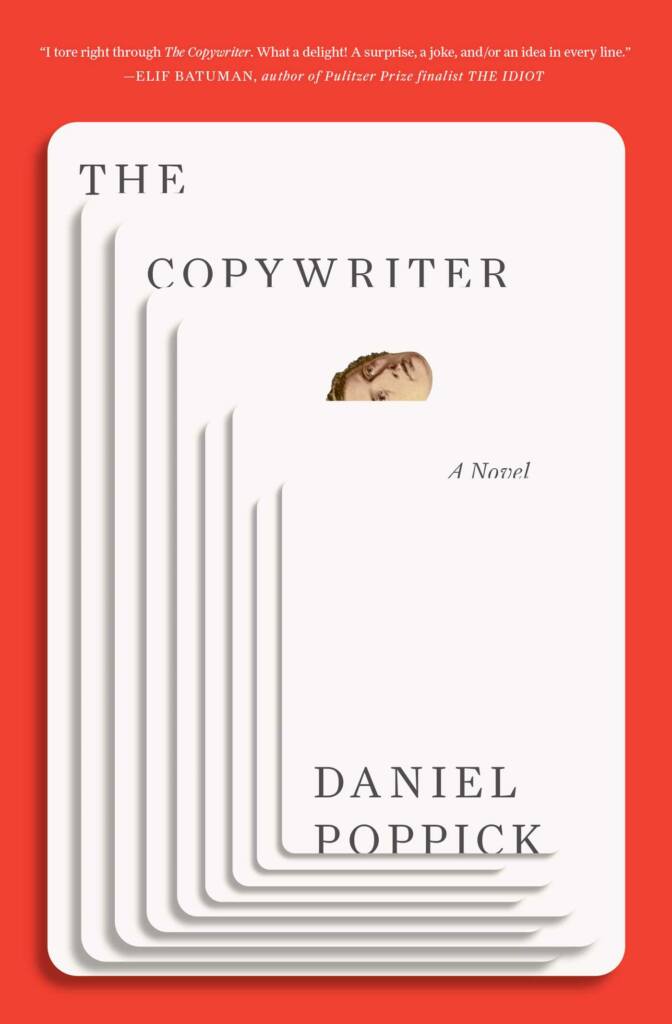
The Copywriter
By Daniel Poppick
Published by Scribner
It’s the summer of 2017 and D__, a poet working by day as a copywriter at a retail start-up, can’t dispel a creeping sense of dissolution on the horizon. Whether it be the company’s new twenty-four-year-old CEO, who has more charisma than work experience, the growing distance between D__ and his longtime girlfriend, or a mounting sense of unreality in the wake of the first delirious year of the Trump administration, there’s a sense that things are speeding towards collapse—and that they’ve perhaps been unraveling for some time.
Borne along on these ambivalent straits, D__ begins to keep a notebook, filling it with everything: dreams, scenes from his own life, emails, and broadly-defined moments, both real and fictional, that he calls parables—attempts to learn from the underlying schedule of the universe, some music of the spheres that, if heard correctly, might help him finally understand his life, his art, and labor. Unfurling over the course of two years, season by season, The Copywriter circles a series of perennial questions, capturing in the process the unique absurdism of the gone-but-not-forgotten era of office culture between the Great Recession and the COVID-19 pandemic: How should an artist balance a job and life when art doesn’t fit into either category? How does one find meaning in work that is stubbornly, uncannily, comically meaningless? Does one need to find meaning in one’s labor at all? What concessions do we make for the sake of a paycheck? What does all of this do to our art, and our souls?
Utterly original and lyrically beautiful, burrowing deep into contemporary disaffection without falling under its spell, The Copywriter is a comic story in the vein of Kafka’s Jewish mysticism, following the absurd paths that office work can take us on, and the subtle ways in which seemingly mindless labor can determine our fate.
-
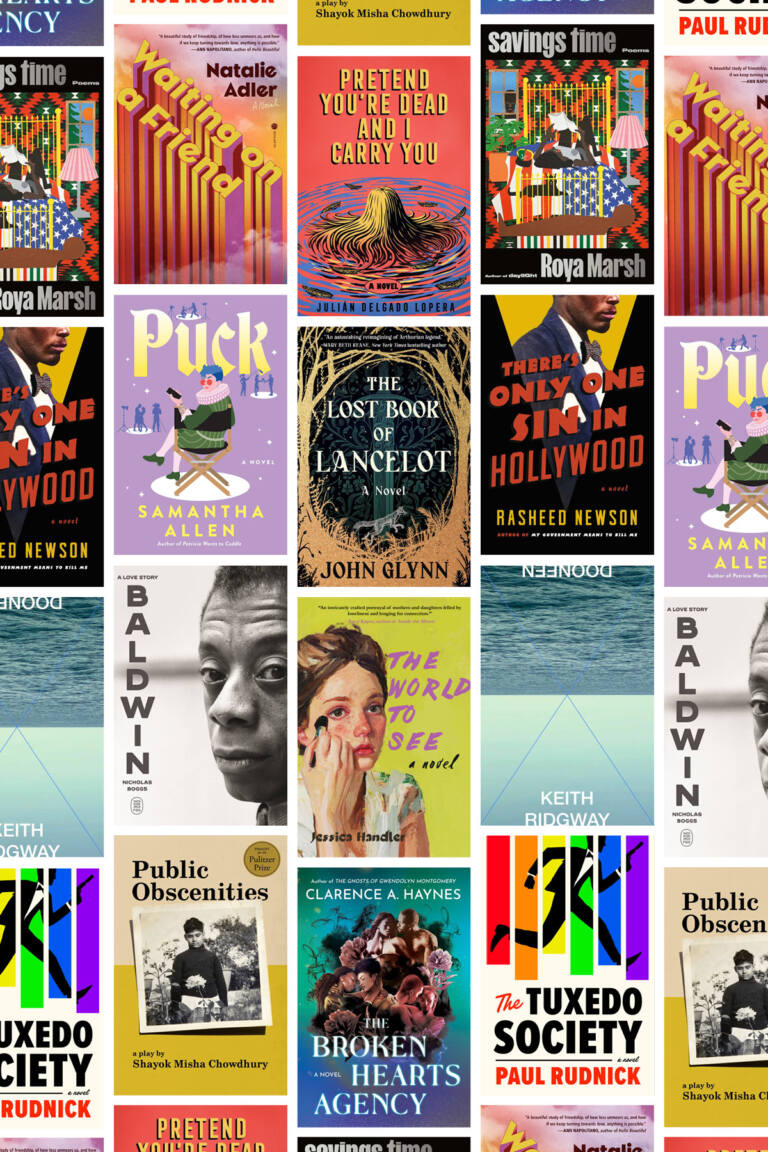
ALL PRIDE, NO PREJUDICE! A Literary LGBTQ+ Celebration
Wednesday, 6:30 pm EDT June 17, 2026
-
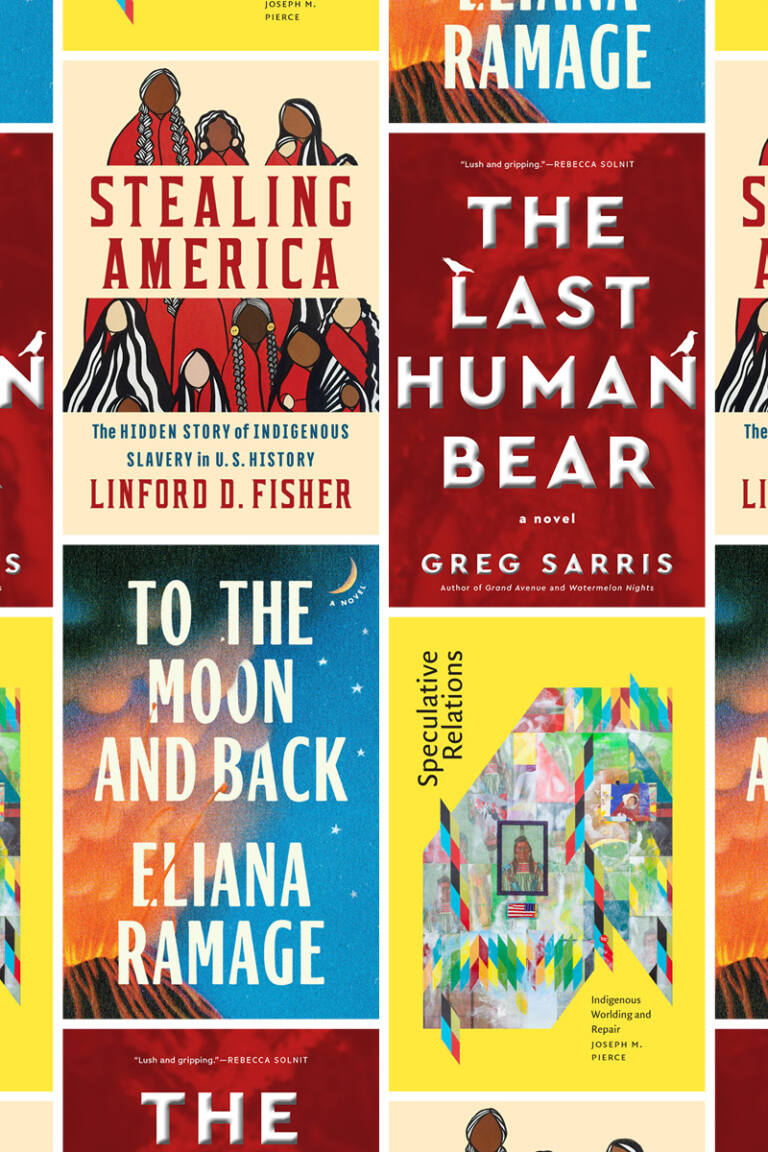
Indigenous Narratives of the Past, Present, and Future
Thursday, 7:00 pm EDT June 18, 2026
-
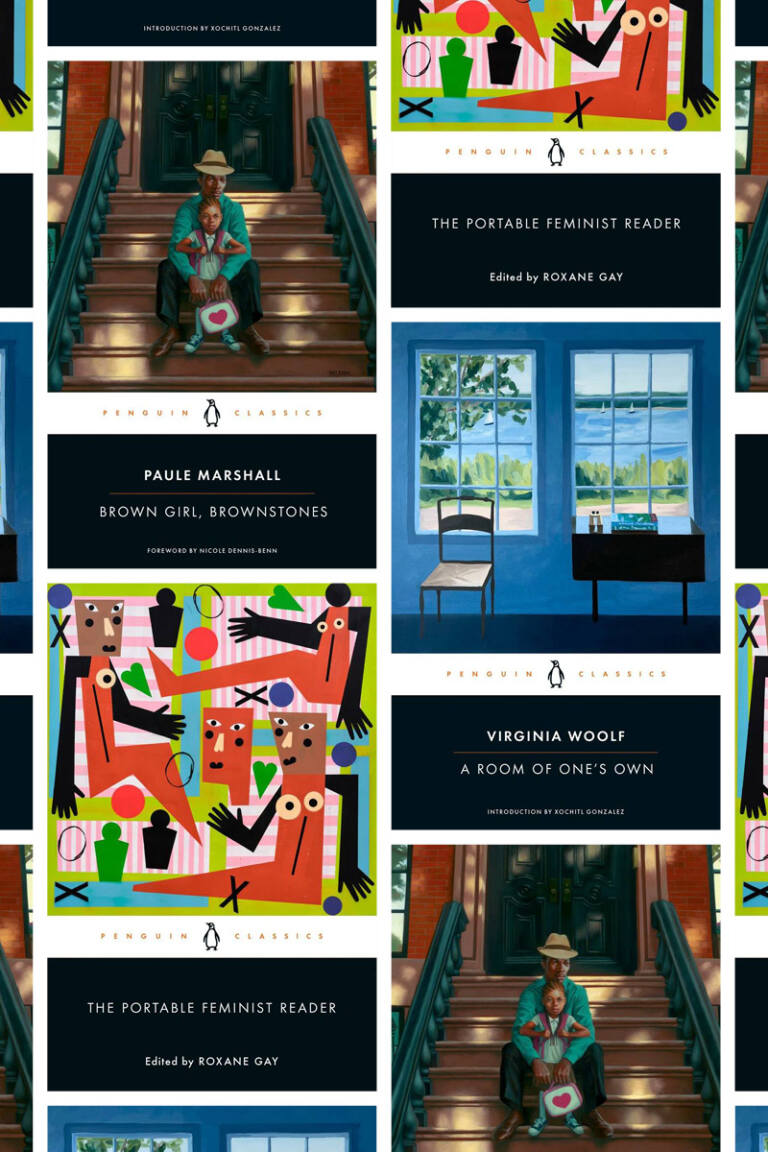
Celebrating 80 Years of Penguin Classics
Thursday, 7:00 pm EDT June 25, 2026
-
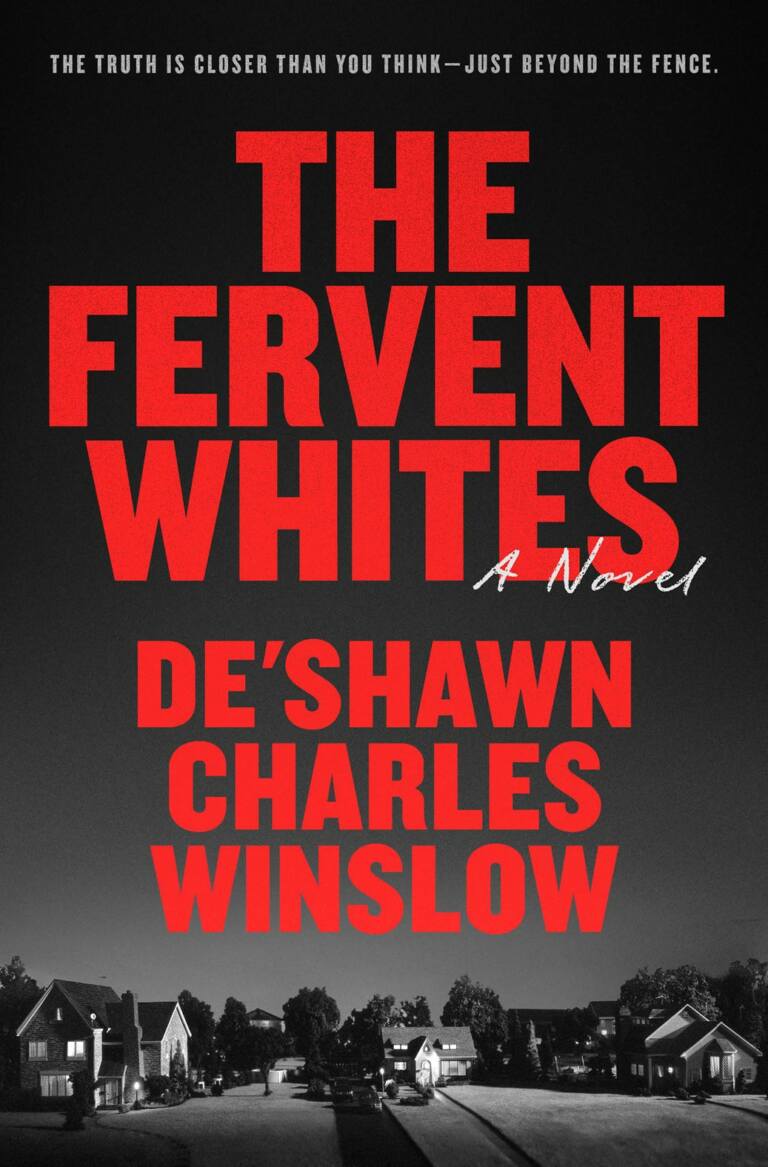
The Center for Fiction Presents De'Shawn Charles Winslow on The Fervent Whites with Samantha Hunt
Thursday, 7:00 pm EDT July 9, 2026
-
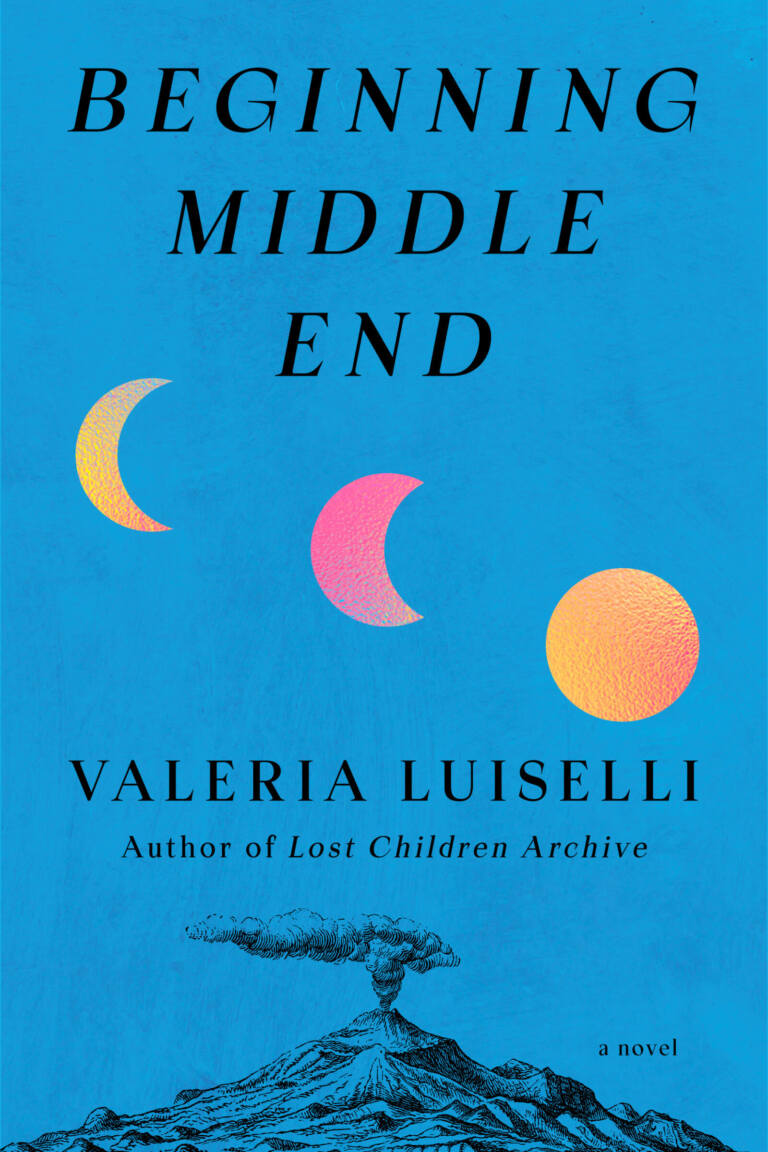
The Center for Fiction Presents Valeria Luiselli on Beginning Middle End
Tuesday, 7:00 pm EDT July 28, 2026